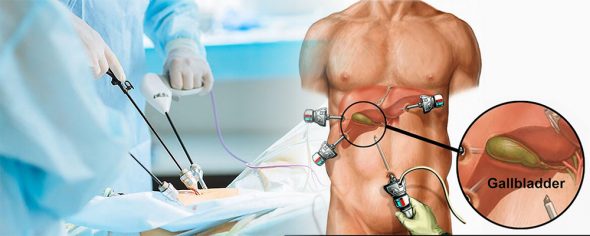
Introduction to Gallbladder Removal (Laparoscopic Cholecystectomy)
Gallbladder removal, medically known as Laparoscopic Cholecystectomy, is one of the most frequently performed and safest surgical procedures in modern medicine. It is designed to remove the gallbladder, a small, pear-shaped organ located beneath the liver that stores and releases bile-a digestive fluid produced by the liver to aid in fat digestion.
While the gallbladder plays an important role in the digestive system, it is not essential for life. In fact, when it becomes diseased or filled with gallstones, its removal provides permanent relief and prevents serious complications such as infection, inflammation, or obstruction of bile ducts.
Laparoscopic cholecystectomy is a minimally invasive surgery, performed using small incisions (usually four) through which a laparoscope (a thin tube with a camera and light) and specialized instruments are inserted. The surgeon views magnified images of the abdominal organs on a screen and carefully removes the gallbladder with minimal disruption to surrounding tissues.
This approach has largely replaced open cholecystectomy because of its advantages-smaller scars, less postoperative pain, quicker recovery, shorter hospital stay, and minimal blood loss. Most patients can go home the same day or within 24 hours.
In essence, gallbladder removal restores comfort, prevents recurrent attacks of gallbladder pain, and protects against life-threatening complications like gallbladder rupture, bile duct blockage, or pancreatitis.
Causes and Risk Factors Requiring Gallbladder Removal
Gallbladder removal is primarily indicated when gallstones or other disorders disrupt the normal flow of bile or cause recurrent pain and inflammation.
A. Major Causes
-
Gallstones (Cholelithiasis):
These are hard deposits of cholesterol, bilirubin, or bile salts that form inside the gallbladder. They can vary in size-from sand-like grains to golf-ball-sized stones-and may obstruct bile ducts, leading to pain, nausea, or infection. -
Acute Cholecystitis:
This condition arises when a gallstone becomes lodged in the cystic duct, causing inflammation and swelling of the gallbladder wall. It leads to severe right upper abdominal pain, fever, and tenderness. -
Biliary Colic:
Caused by intermittent obstruction of bile flow, often triggered after eating fatty or fried foods, resulting in cramping pain and bloating. -
Choledocholithiasis:
Occurs when stones migrate into the common bile duct, potentially causing jaundice, pancreatitis, or cholangitis (a serious infection). -
Gallbladder Polyps:
Noncancerous growths on the gallbladder wall that may become malignant if large or rapidly growing, prompting surgical removal. -
Biliary Dyskinesia:
A functional disorder where the gallbladder fails to contract and release bile efficiently, leading to chronic pain despite no visible stones. -
Gallbladder Empyema or Gangrene:
Untreated inflammation may cause pus accumulation or tissue death, requiring urgent surgery.
B. Risk Factors
Certain factors predispose individuals to gallbladder disease:
-
Gender: Women are at higher risk due to hormonal changes from pregnancy or birth control pills.
-
Age: Risk increases after 40 years of age.
-
Obesity: High cholesterol levels in bile encourage stone formation.
-
Rapid Weight Loss: Extreme dieting or bariatric surgery alters bile composition.
-
Sedentary Lifestyle: Reduces bile movement and promotes stasis.
-
Family History: A genetic predisposition to gallstones.
-
Medical Conditions: Diabetes, liver disease, and metabolic disorders increase risk.
-
Certain Medications: Estrogen therapy and cholesterol-lowering drugs can influence bile composition.
Recognizing these risks early and adopting preventive measures (healthy diet, physical activity, weight control) can delay or avoid gallbladder complications.
Symptoms and Signs Indicating Gallbladder Problems
The symptoms leading to gallbladder removal vary depending on whether the condition is acute or chronic, but they generally revolve around bile obstruction and inflammation.
Common Symptoms Include:
-
Right Upper Abdominal Pain:
A sharp, cramping pain under the right rib cage that can radiate to the back or right shoulder blade. It usually appears after heavy or fatty meals and may last from minutes to hours. -
Nausea and Vomiting:
Caused by bile build-up or inflammation of the gallbladder. -
Indigestion and Bloating:
Persistent discomfort, especially after consuming oily food. -
Fever and Chills:
Indicate infection or acute inflammation of the gallbladder (acute cholecystitis). -
Jaundice:
Yellow discoloration of the skin and eyes occurs if a stone blocks the bile duct. -
Dark Urine and Pale Stools:
Suggest bile flow obstruction. -
Loss of Appetite and Fatigue:
Often accompany chronic gallbladder disease due to poor digestion and inflammation.
Silent Gallstones:
Interestingly, some people harbor gallstones without symptoms. These “silent stones” are usually discovered incidentally during imaging for other conditions. Surgery may not be necessary unless they cause symptoms or complications.
Diagnosis of Gallbladder Disease
Diagnosis involves a combination of clinical assessment, imaging tests, and laboratory analysis to confirm gallstones, inflammation, or bile duct obstruction.
A. Clinical Evaluation
-
History Taking: A detailed discussion about pain episodes, triggers (especially fatty foods), nausea, or jaundice.
-
Physical Examination: Tenderness in the right upper abdomen (Murphy's sign) is a classic indicator of gallbladder inflammation.
B. Diagnostic Tests
-
Ultrasound Abdomen:
The first and most reliable imaging test for detecting gallstones, gallbladder wall thickening, or bile duct dilation. -
CT Scan or MRI:
Provides a detailed view of gallbladder anatomy and can identify complications like abscess or gangrene. -
HIDA Scan (Cholescintigraphy):
Assesses gallbladder function and bile flow, particularly useful in cases of biliary dyskinesia. -
Blood Tests:
-
Elevated white blood cell count → infection or inflammation.
-
High bilirubin, ALP, or ALT → bile duct obstruction or liver involvement.
-
Amylase/lipase → rule out pancreatitis.
-
-
ERCP (Endoscopic Retrograde Cholangiopancreatography):
A combined diagnostic and therapeutic procedure used to detect and remove stones in the common bile duct.
Accurate diagnosis ensures timely surgical intervention and minimizes risk of complications.
Treatment Options for Gallbladder Disease
The main treatment options for gallbladder disease (primarily gallstones and cholecystitis) are surgical removal (cholecystectomy), minimally invasive endoscopic procedures, medication to dissolve stones, and supportive medical management. Choice of treatment is based on symptoms, type of gallstone, and overall health.
A. Non-Surgical Management
In mild cases, lifestyle and medical treatments may be attempted first:
-
Dietary Modifications: Avoid fatty foods, eat small frequent meals, and stay hydrated.
-
Medication: Ursodeoxycholic acid may help dissolve small cholesterol stones, though recurrence is common.
-
Observation: Asymptomatic gallstones may be monitored if no complications occur.
B. Surgical Management - Laparoscopic Cholecystectomy
This is the gold standard treatment for gallbladder disease.
Step-by-Step Surgical Process
-
Anesthesia: The patient is given general anesthesia for comfort and immobility.
-
Incisions: Four small incisions (5-10 mm each) are made in the abdomen.
-
Insertion of Laparoscope: A camera-equipped tube provides a high-definition internal view on a monitor.
-
Dissection and Removal: The cystic duct and artery are identified, clipped, and divided. The gallbladder is gently detached from the liver bed.
-
Extraction: The gallbladder is removed through one of the small incisions.
-
Closure: Incisions are closed using dissolvable sutures or surgical glue.
The entire procedure typically takes 45-90 minutes, and most patients can go home within 24 hours.
Advantages
-
Minimal scarring and reduced pain.
-
Faster return to work (within 1-2 weeks).
-
Lower risk of infection and complications.
-
Excellent cosmetic outcomes.
Alternative: Open Cholecystectomy
In complex cases (severe inflammation, scarring, or obesity), the surgeon may opt for an open procedure through a larger incision. Recovery is longer (4-6 weeks), but the outcome remains excellent.
Prevention and Postoperative Management
Prevention of gallbladder disease and effective postoperative management after gallbladder surgery (cholecystectomy) both play critical roles in reducing complications, speeding recovery, and improving long-term health.
A. Pre-Surgery Prevention
-
Maintain a balanced diet low in saturated fats.
-
Achieve gradual, healthy weight loss.
-
Stay physically active to improve bile flow.
-
Manage diabetes and cholesterol effectively.
B. After Surgery (Postoperative Care)
-
Dietary Guidelines:
-
Start with liquids, progressing to light, low-fat meals.
-
Avoid spicy or greasy foods initially.
-
Eat smaller portions to prevent bloating.
-
-
Physical Recovery:
-
Light walking is encouraged within 24 hours to prevent clots.
-
Avoid lifting heavy objects for 2-3 weeks.
-
-
Wound Care:
-
Keep incisions clean and dry.
-
Watch for redness, swelling, or discharge.
-
-
Follow-up:
-
Attend scheduled visits for wound inspection and review.
-
The digestive system typically adapts within 3-4 weeks, and bile flows directly from the liver to the intestines, ensuring normal digestion.
Complications of Gallbladder Removal
Complications after gallbladder removal (cholecystectomy) are uncommon, but both short-term surgical risks and long-term issues can occur. The most significant risks include bleeding, infection, bile duct injury, leakage, retained stones, digestive changes, and rarely, vascular or internal organ damage.
While laparoscopic gallbladder removal is safe, certain risks exist:
A. Minor Complications
-
Mild pain, bloating, or nausea.
-
Temporary diarrhea due to continuous bile flow.
-
Shoulder pain from gas used during surgery (subsides within 24-48 hours).
B. Major (Rare) Complications
-
Bile Duct Injury: May require corrective surgery.
-
Bleeding or Infection: Controlled with medication or drainage.
-
Retained Stones: Sometimes stones remain in the common bile duct.
-
Bile Leakage: Small leaks can occur from ducts and usually resolve with drainage.
-
Post-Cholecystectomy Syndrome: Mild indigestion or diarrhea that resolves with dietary adjustment.
The overall complication rate is less than 2%, making laparoscopic cholecystectomy one of the safest general surgical procedures.
Living with the Condition After Gallbladder Removal
Living after gallbladder removal (cholecystectomy) is generally straightforward-most people can return to a normal, healthy life but may need to make some early and long-term dietary and lifestyle adjustments. The main changes involve digestion of fats and occasional symptoms such as diarrhea or bloating, especially in the first weeks to months after surgery.
A. Recovery Timeline
-
Days 1-3: Resume walking, light meals, and daily activities.
-
Week 1: Return to desk work or light tasks.
-
Week 2-3: Resume regular diet and moderate physical activity.
-
Month 1: Complete healing and return to full normalcy.
B. Long-Term Lifestyle Tips
-
Maintain a diet rich in fruits, vegetables, and lean proteins.
-
Avoid overeating or large fatty meals.
-
Exercise regularly to aid digestion.
-
Stay hydrated and maintain a healthy weight.
The body adjusts naturally to the absence of the gallbladder, and bile produced by the liver continues to assist in digestion.
Top 10 Frequently Asked Questions about Gallbladder Removal (Laparoscopic Cholecystectomy)
1. What is Gallbladder Removal or Laparoscopic Cholecystectomy?
Gallbladder removal, also known as Laparoscopic Cholecystectomy, is a minimally invasive surgical procedure to remove the gallbladder - a small organ under the liver that stores bile. The surgery is performed through small incisions in the abdomen using a laparoscope (a thin tube with a camera), allowing the surgeon to view and remove the gallbladder safely without open surgery.
2. Why is Gallbladder Removal necessary?
Gallbladder removal is recommended when the gallbladder becomes diseased or causes symptoms due to:
-
Gallstones (cholelithiasis)
-
Gallbladder inflammation (cholecystitis)
-
Biliary colic (severe upper abdominal pain)
-
Gallbladder infection or blockage
-
Pancreatitis caused by gallstones
-
Gallbladder polyps or other abnormalities
Removing the gallbladder prevents pain, infection, and future complications caused by gallstones or inflammation.
3. How is Laparoscopic Cholecystectomy performed?
The procedure is done under general anesthesia and typically takes
30-60 minutes.
Steps include:
-
The surgeon makes 4 small incisions in the abdomen.
-
A laparoscope and surgical instruments are inserted.
-
The gallbladder is separated from the liver and bile ducts.
-
The gallbladder is then removed through one of the small incisions.
-
The incisions are closed with sutures or surgical glue.
This method minimizes pain, scarring, and recovery time compared to open surgery.
4. What are the benefits of Laparoscopic Gallbladder Removal?
Laparoscopic cholecystectomy offers several advantages:
-
Smaller incisions and minimal scarring
-
Less postoperative pain
-
Shorter hospital stay (often same-day discharge)
-
Quicker recovery and return to normal activities
-
Lower risk of infection or complications
It is the gold standard treatment for most gallbladder diseases.
5. What are the risks or complications of Gallbladder Removal?
While generally safe, potential risks include:
-
Bleeding or infection at the incision sites
-
Injury to bile ducts, liver, or intestine
-
Bile leakage into the abdomen
-
Blood clots or anesthesia-related reactions
-
Digestive changes (temporary loose stools or bloating)
Serious complications are rare when performed by an experienced surgeon.
6. What is the recovery time after Gallbladder Removal?
Recovery is typically quick:
-
Hospital stay: Same day or overnight
-
Return to normal activities: 1-2 weeks
-
Complete recovery: 3-4 weeks
Patients are advised to avoid heavy lifting and follow a light, low-fat diet during the initial recovery period. Most people resume work within 7-10 days.
7. How will my digestion change after Gallbladder Removal?
After surgery, bile flows directly from the liver into the small intestine instead of
being stored in the gallbladder.
You may experience:
-
Temporary bloating, diarrhea, or indigestion
-
Difficulty digesting fatty foods (for a few weeks)
These symptoms usually improve as the body adjusts. Eating smaller, low-fat meals helps during the recovery phase.
8. Will I need to follow a special diet after surgery?
Yes, for the first few weeks after surgery:
-
Eat small, frequent meals
-
Avoid fatty, fried, or spicy foods
-
Stay hydrated and eat fiber-rich foods to prevent constipation
-
Gradually reintroduce normal foods after 4-6 weeks
Most patients can return to a normal diet once digestion stabilizes.
9. Is Gallbladder Removal safe for everyone?
Yes, laparoscopic gallbladder removal is safe for most patients, including the elderly and those with mild comorbidities. However, your doctor may recommend open surgery instead if you have:
-
Severe inflammation or scarring in the gallbladder
-
Previous upper abdominal surgery
-
Severe obesity or bleeding disorders
A thorough preoperative evaluation ensures the safest approach for each patient.
10. What are the long-term results after Gallbladder Removal?
Most patients live healthy, normal lives after gallbladder removal. The
procedure permanently resolves gallstone-related pain, nausea, and infections.
Long-term outcomes include:
-
No recurrence of gallstones
-
Improved digestion and quality of life
-
Minimal dietary restrictions after recovery
The body adapts to the absence of the gallbladder, and most people do not experience any long-term digestive issues.