Introduction to Acupressure
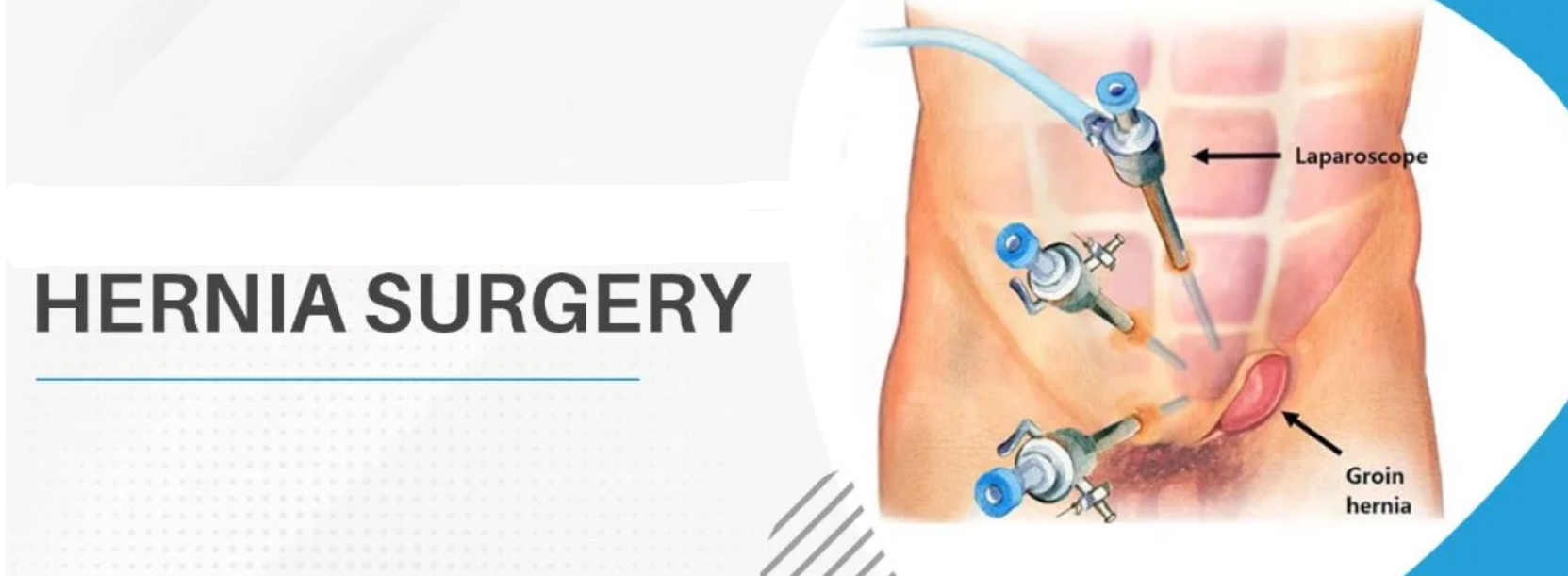
Hernia Surgery is a medical procedure performed to repair a hernia - a condition where an internal organ or tissue protrudes through a weak spot in the surrounding muscle or connective tissue. It is one of the most common surgical interventions worldwide, offering patients lasting relief from pain, bulging, and discomfort associated with hernias.
A hernia can occur in various parts of the body, but most commonly affects the abdominal and groin areas. The most frequent types include inguinal hernia (in the groin), umbilical hernia (near the navel), hiatal hernia (upper stomach area), femoral hernia (upper thigh), and incisional hernia (through a previous surgical scar).
Over time, untreated hernias can enlarge and cause serious complications such as intestinal obstruction or strangulation, where blood flow to the protruding organ is cut off. These situations can be life-threatening and require immediate surgical repair.
The goal of hernia surgery is to return the displaced tissue or organ to its normal position, strengthen the weakened area, and prevent recurrence.
Modern advancements have made hernia repair safer, faster, and less invasive. Techniques such as laparoscopic and robotic-assisted hernia surgery have revolutionized treatment by minimizing pain, reducing scarring, and speeding up recovery.
Whether performed through open surgery or minimally invasive techniques, hernia surgery offers a permanent solution to a recurring and painful condition, restoring normal function and comfort to patients.
Causes and Risk Factors Leading to Hernia Surgery
A hernia generally develops when pressure within the body pushes an organ or tissue through a weakened area of muscle or fascia. The causes can be congenital (present at birth) or acquired due to strain, injury, or lifestyle habits.
A. Common Causes of Hernia Formation
-
Congenital Weakness:
Some individuals are born with weak abdominal wall muscles, making them prone to hernias. -
Chronic Straining:
Repeated straining from constipation, persistent coughing, or heavy lifting increases abdominal pressure. -
Obesity:
Excess body weight adds continuous stress to the abdominal wall, leading to tissue weakness. -
Pregnancy:
Expanding uterus and hormonal changes stretch abdominal muscles, predisposing to hernia formation. -
Surgical Incisions:
Previous abdominal surgeries can weaken the muscle layer, leading to incisional hernias. -
Aging:
Natural loss of muscle elasticity and strength increases hernia risk with age. -
Smoking:
Nicotine impairs collagen formation and tissue repair, weakening the abdominal wall. -
Sudden Physical Exertion:
Lifting heavy objects or intense coughing may cause a tear in weak abdominal tissue.
B. Risk Factors That Increase the Need for Surgery
-
Recurrent or enlarging hernia.
-
Severe pain or discomfort interfering with daily activities.
-
Strangulated hernia (trapped tissue with restricted blood flow).
-
Incarcerated hernia (non-reducible protrusion).
-
Repeated hernia recurrence despite conservative measures.
In many cases, once diagnosed, surgical repair is the only definitive treatment to prevent potentially fatal complications.
Symptoms and Signs of a Hernia
The symptoms of a hernia depend on its type and severity, but early detection plays a vital role in preventing complications. Some hernias may remain asymptomatic for months or years, while others cause persistent discomfort.
A. Common Symptoms Include:
-
Visible Bulge or Lump:
Most hernias present as a noticeable bulge under the skin, especially when standing, coughing, or straining. -
Pain or Pressure:
A dull ache, heaviness, or sharp pain in the affected area, especially after physical activity. -
Discomfort While Bending or Lifting:
Pain often worsens with motion or exertion. -
Weakness or Burning Sensation:
Localized muscle fatigue or burning may occur near the hernia site. -
Digestive Problems:
In cases of hiatal or abdominal hernias, symptoms like acid reflux, nausea, or bloating may appear.
B. Signs of Complicated Hernias
These require immediate surgical attention:
-
Sudden increase in bulge size.
-
Severe, unrelenting pain.
-
Redness or tenderness over the hernia site.
-
Vomiting and inability to pass stool (intestinal obstruction).
-
Fever or signs of strangulation (cut-off blood supply).
Recognizing these symptoms early is crucial to avoid emergencies and ensure timely surgical management.
Diagnosis of Hernia
Diagnosing a hernia involves a combination of physical examination and imaging studies to assess the type, size, and extent of the defect.
A. Clinical Evaluation
The physician begins by reviewing the patient's medical history, occupation, lifestyle habits, and symptoms. Physical examination often involves observing the hernia bulge while the patient stands, coughs, or strains.
B. Diagnostic Tests
-
Ultrasound:
Commonly used to detect inguinal and abdominal wall hernias. -
CT (Computed Tomography) Scan:
Provides detailed visualization of the hernia sac, its contents, and associated complications. -
MRI (Magnetic Resonance Imaging):
Useful for identifying hidden or small hernias and evaluating soft tissue structures. -
Endoscopy (for Hiatal Hernia):
A flexible camera allows direct visualization of the esophagus and stomach.
Once confirmed, the surgeon determines the most appropriate surgical approach - open, laparoscopic, or robotic-assisted repair - based on the hernia's characteristics.
Treatment Options for Hernia Surgery
Treatment depends on the hernia's type, size, and severity, as well as the patient's age and overall health. While lifestyle modifications and supportive devices may provide temporary relief, surgery remains the definitive solution.
A. Non-Surgical Management (for Minor or Early Hernias)
-
Lifestyle Adjustments: Maintaining a healthy weight, avoiding heavy lifting, and treating constipation.
-
Hernia Belts or Trusses: Provide external support but do not cure the hernia.
-
Medications: Antacids and acid suppressors for hiatal hernias to control reflux symptoms.
However, these are temporary measures - hernias do not heal on their own.
B. Surgical Treatment Options
1. Open Hernia Repair (Herniorrhaphy or Hernioplasty):
-
The surgeon makes an incision near the hernia, pushes the protruding tissue back in place, and repairs the muscle wall.
-
A synthetic mesh may be placed to reinforce the area and prevent recurrence.
-
Suitable for large, complex, or recurrent hernias.
2. Laparoscopic Hernia Repair:
-
Performed through small incisions using a laparoscope (tiny camera) for
internal visualization.
-
Mesh is placed from within the abdomen to reinforce the weakened area.
-
Benefits:
-
Less postoperative pain.
-
Faster recovery.
-
Minimal scarring.
3. Robotic-Assisted Hernia Surgery:
-
The latest innovation in hernia repair, offering unparalleled precision.
-
Robotic arms controlled by the surgeon allow enhanced dexterity and
better visualization of intricate anatomy.
-
Especially useful for recurrent, bilateral, or complex
hernias.
C. Recovery After Hernia Surgery
-
Hospital Stay: Usually 24-48 hours for laparoscopic and
robotic procedures.
-
Return to Work: Within 1-2 weeks for minimally invasive
surgeries; 4-6 weeks for open repairs.
-
Postoperative Care: Includes pain management, wound
care, light exercise, and dietary guidance.
Performed through small incisions using a laparoscope (tiny camera) for internal visualization.
Mesh is placed from within the abdomen to reinforce the weakened area.
Benefits:
-
Less postoperative pain.
-
Faster recovery.
-
Minimal scarring.
The latest innovation in hernia repair, offering unparalleled precision.
Robotic arms controlled by the surgeon allow enhanced dexterity and better visualization of intricate anatomy.
Especially useful for recurrent, bilateral, or complex hernias.
Hospital Stay: Usually 24-48 hours for laparoscopic and robotic procedures.
Return to Work: Within 1-2 weeks for minimally invasive surgeries; 4-6 weeks for open repairs.
Postoperative Care: Includes pain management, wound care, light exercise, and dietary guidance.
Prevention and Management of Hernia After Surgery
Even after successful repair, long-term prevention is crucial to avoid recurrence.
A. Preventive Measures
-
Maintain a Healthy Weight:
Reduces abdominal strain and supports muscle integrity. -
Adopt Proper Lifting Techniques:
Bend your knees, not your waist, when lifting heavy objects. -
Treat Chronic Cough or Constipation:
Prevents increased intra-abdominal pressure. -
Quit Smoking:
Enhances healing and tissue strength. -
Eat a High-Fiber Diet:
Prevents straining during bowel movements. -
Regular Exercise:
Strengthens core and abdominal muscles, preventing weakness.
B. Postoperative Care
-
Avoid heavy lifting for 6-8 weeks.
-
Keep the surgical area clean and dry.
-
Follow prescribed medication and wound-care instructions.
-
Attend all follow-up appointments for assessment.
Complications of Hernia Surgery
While modern hernia surgery is highly safe and successful, complications can occur in rare cases, especially if the patient does not follow postoperative guidelines.
A. Common Complications
-
Pain or Swelling: Temporary discomfort managed with pain medication.
-
Bruising or Infection: Controlled with antibiotics and wound care.
-
Seroma or Hematoma: Fluid or blood accumulation under the skin; may require drainage.
-
Recurrence: Rare but possible if the area is strained too soon after surgery.
-
Nerve Injury: Can cause tingling or numbness; usually temporary.
-
Mesh Complications: Mesh migration or infection may require revision surgery.
B. Long-Term Risks
-
Chronic pain in the groin or incision site.
-
Adhesions or scar tissue formation.
-
Bowel obstruction (in very rare cases).
Close postoperative monitoring minimizes these risks significantly.
Living with the Condition After Hernia Surgery
Most patients experience a significant improvement in quality of life after hernia repair. Pain, bulging, and discomfort resolve, allowing them to return to normal activities within weeks.
A. Recovery Timeline
-
First Week: Rest, light activity, pain management.
-
Weeks 2-4: Gradual return to work and mobility.
-
Weeks 6-8: Resume exercise, heavy lifting, and sports (with doctor's clearance).
B. Diet and Lifestyle
-
Eat fiber-rich foods (vegetables, fruits, oats).
-
Drink 2-3 liters of water daily.
-
Avoid smoking and alcohol.
-
Maintain proper posture to reduce abdominal strain.
C. Emotional and Psychological Well-being
Post-surgery recovery isn't just physical - many patients experience emotional relief after years of pain and fear of recurrence. Adopting a balanced lifestyle and regular medical follow-ups helps ensure lasting results.
Top 10 Frequently Asked Questions about Hernia Surgery
1. What is Hernia Surgery?
Hernia surgery is a medical procedure to repair a weakness or hole in the abdominal wall through which tissue, fat, or part of an organ (usually the intestine) protrudes. The operation involves returning the displaced tissue to its proper position and strengthening the weakened muscle or tissue layer.
There are two main types of hernia surgeries - open hernia repair and laparoscopic (keyhole) repair. Both aim to relieve discomfort, prevent complications such as strangulation or bowel obstruction, and restore normal abdominal wall function.
2. What Are the Different Types of Hernias That Require Surgery?
Hernias can occur in various parts of the body, and the type determines the surgical approach. The most common types include:
-
Inguinal hernia: In the groin area (most common in men)
-
Femoral hernia: Near the upper thigh (more common in women)
-
Umbilical hernia: Around the belly button
-
Incisional hernia: At the site of a previous surgical incision
-
Hiatal hernia: When part of the stomach moves into the chest cavity through the diaphragm
-
Epigastric and Spigelian hernias: Occur along the abdominal wall
Surgery is recommended when the hernia is large, painful, or poses a risk of complications.
3. When is Hernia Surgery Necessary?
A hernia surgery is advised when:
-
The hernia is painful or enlarging over time
-
You experience persistent discomfort, pressure, or swelling
-
There is bowel obstruction or strangulation (a medical emergency)
-
Non-surgical methods like trusses or lifestyle changes are ineffective
If a hernia is left untreated, it may lead to severe complications such as tissue necrosis, infection, or bowel blockage. Early surgical repair provides a safer and more permanent solution.
4. What Are the Types of Hernia Surgery Procedures?
The choice of procedure depends on the hernia's size, type, and patient condition.
1. Open Hernia Repair (Herniorrhaphy):
-
The surgeon makes a small incision over the hernia.
-
The bulging tissue is pushed back into place.
-
The weakened area is repaired with stitches and often reinforced with synthetic mesh (Hernioplasty).
2. Laparoscopic (Minimally Invasive) Hernia Repair:
-
Several small incisions are made.
-
A laparoscope (camera) and instruments are used to repair the hernia from inside the abdomen.
-
Mesh reinforcement is commonly used for strength and durability.
3. Robotic Hernia Surgery:
-
A more advanced minimally invasive approach that offers higher precision and quicker recovery.
Laparoscopic and robotic surgeries are preferred for faster healing and reduced pain, but open surgery may still be necessary for larger or complex hernias.
5. What Are the Benefits of Hernia Surgery?
Hernia surgery provides numerous short-term and long-term benefits, including:
-
Permanent relief from pain and bulging
-
Reduced risk of strangulation or intestinal blockage
-
Improved quality of life and mobility
-
Restoration of abdominal strength and stability
-
Lower recurrence rates with modern mesh techniques
Successful surgical repair ensures a durable solution and prevents future complications.
6. What Are the Risks or Complications of Hernia Surgery?
While hernia surgery is generally safe, as with any surgical procedure, some risks may occur, such as:
-
Bleeding or infection at the incision site
-
Temporary pain, swelling, or numbness
-
Seroma (fluid buildup)
-
Recurrence of the hernia
-
Reaction to anesthesia
-
Chronic pain or mesh-related complications (rare)
These risks are minimized when surgery is performed by an experienced surgeon and proper post-operative care is followed.
7. What is the Recovery Time After Hernia Surgery?
Recovery time varies based on the surgical technique and individual healing capacity:
-
Laparoscopic surgery: Most patients return to normal activity within 1-2 weeks.
-
Open surgery: Recovery may take 4-6 weeks.
Patients are advised to:
-
Avoid heavy lifting or strenuous activity for several weeks
-
Maintain a healthy diet to prevent constipation
-
Keep the surgical site clean and dry
-
Follow all post-surgery instructions carefully
Full recovery and return to all activities typically occur within 4-8 weeks.
8. Is Hernia Surgery Painful?
Modern hernia surgery is performed under general or local anesthesia, ensuring a painless experience during the procedure.
After surgery, mild discomfort or soreness at the incision site is normal. This is effectively managed with pain medications and supportive care such as ice packs or abdominal binders.
Minimally invasive surgeries tend to cause less post-operative pain and allow for faster recovery than traditional open surgeries.
9. How Can I Prevent a Hernia from Recurring After Surgery?
Preventing recurrence after surgery involves adopting healthy habits that protect the abdominal wall, including:
-
Avoid lifting heavy objects for at least 6-8 weeks.
-
Lose excess weight to reduce pressure on the abdomen.
-
Eat a fiber-rich diet to avoid constipation and straining.
-
Quit smoking, as it weakens tissues and slows healing.
-
Exercise regularly to strengthen core muscles (after medical clearance).
-
Follow your surgeon's rehabilitation and recovery plan closely.
Proper post-operative care plays a vital role in ensuring long-term surgical success.
10. What is the Success Rate and Long-Term Outlook After Hernia Surgery?
The success rate of hernia surgery is very high, with most patients experiencing complete relief from symptoms and minimal recurrence.
-
Open hernia repair: Success rate of 90-95%
-
Laparoscopic hernia repair: Success rate of 95-98%
Modern mesh-based techniques have further reduced recurrence rates and improved recovery times.
With proper care and lifestyle management, most patients lead a normal, active, and pain-free life after hernia surgery.