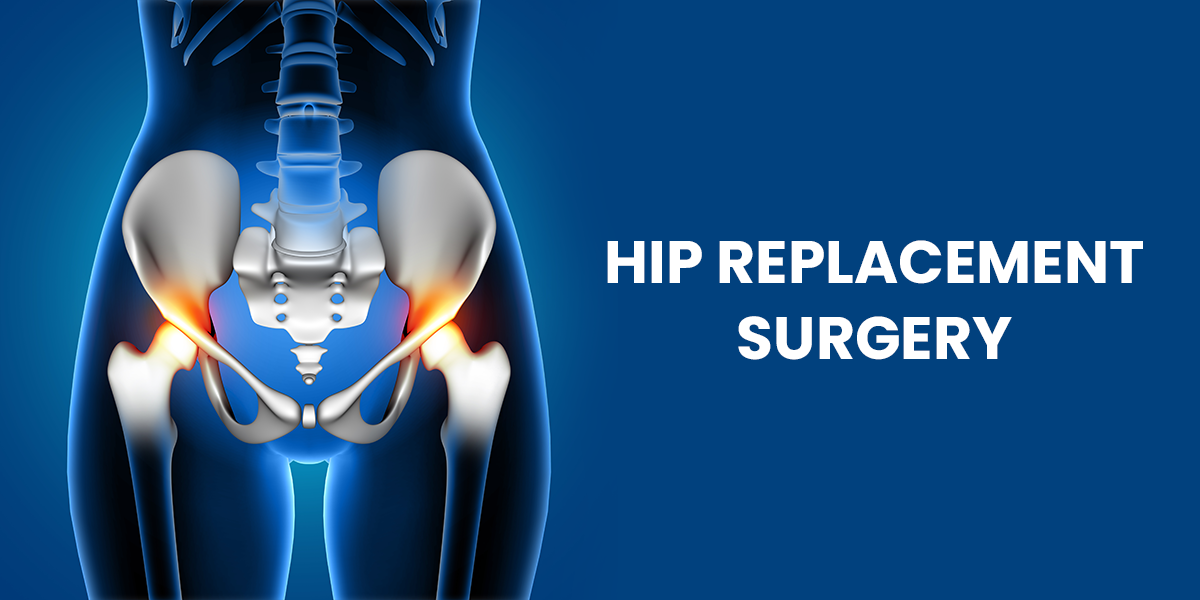
Introduction to Hip Replacement Surgery
Hip Replacement Surgery, also known as Total Hip Arthroplasty (THA), is a major orthopedic procedure performed to replace a damaged or diseased hip joint with an artificial implant, known as a prosthesis. This surgery is designed to relieve chronic pain, restore mobility, and improve the overall quality of life for individuals suffering from severe hip joint conditions that no longer respond to conservative treatments.
The hip joint is a ball-and-socket joint, where the head of the femur (thighbone) fits into the acetabulum (hip socket) of the pelvis. Over time, conditions such as osteoarthritis, rheumatoid arthritis, fractures, or avascular necrosis can wear down or damage this joint, leading to debilitating pain, stiffness, and loss of motion.
Hip replacement surgery involves removing the diseased or damaged portions of the hip joint and replacing them with artificial components made of metal alloys, high-grade plastics, or ceramics. These implants are engineered to mimic the natural movement of the hip, allowing smooth, pain-free motion.
Modern hip replacement techniques, including minimally invasive surgery, computer-assisted navigation, and robotic-guided procedures, have revolutionized outcomes by reducing recovery times, postoperative pain, and complication rates.
With success rates exceeding 90-95% over 15-20 years, hip replacement is one of the most effective and life-enhancing procedures in modern medicine. For many, it marks the return to independence, mobility, and an active lifestyle.
Causes and Risk Factors Necessitating Hip Replacement Surgery
Hip replacement is generally recommended when the hip joint is severely damaged and conservative treatments like medications, physiotherapy, and lifestyle changes no longer provide relief.
A. Common Causes
-
Osteoarthritis:
The most frequent cause of hip damage. Cartilage covering the bones wears away over time, leading to bone-on-bone friction, stiffness, and chronic pain. -
Rheumatoid Arthritis:
An autoimmune condition causing chronic inflammation of the joint lining, resulting in cartilage erosion and deformity. -
Avascular Necrosis (Osteonecrosis):
Occurs when blood supply to the femoral head is interrupted, leading to bone tissue death and collapse of the hip joint. -
Hip Fractures:
Severe fractures, particularly in elderly patients, can destroy the hip joint, making replacement the best treatment option. -
Congenital Hip Dysplasia:
A birth defect where the hip socket is abnormally shallow, leading to early arthritis and joint wear. -
Traumatic Arthritis:
Post-injury joint damage resulting from fractures or dislocations that cause long-term degeneration.
B. Risk Factors
Certain lifestyle and medical factors increase the likelihood of hip joint degeneration or surgical complications:
-
Advanced age (over 60 years)
-
Obesity or excess body weight
-
Genetic predisposition to joint disease
-
Occupations involving repetitive strain or heavy lifting
-
History of joint injuries or infections
-
Sedentary lifestyle and weak muscle tone
-
Chronic corticosteroid use (which can weaken bone tissue)
When hip damage leads to persistent pain, limited mobility, and difficulty performing daily activities, hip replacement surgery becomes the most viable solution.
Symptoms and Signs Indicating the Need for Hip Replacement
The signs that hip replacement may be necessary are usually progressive, worsening over months or years.
A. Common Symptoms Include:
-
Chronic Hip Pain:
Persistent pain in the groin, thigh, or buttock area that worsens with movement or at night. -
Stiffness and Limited Range of Motion:
Difficulty bending, walking, or performing activities like climbing stairs or getting in/out of chairs. -
Swelling and Inflammation:
The hip may appear swollen or tender to touch. -
Grinding or Clicking Sensation:
Caused by roughened joint surfaces rubbing together. -
Pain During Weight-Bearing Activities:
Standing, walking, or exercising may become increasingly difficult. -
Reduced Leg Length or Limping:
Due to joint collapse or muscle imbalance.
B. Advanced Symptoms:
-
Night pain interfering with sleep.
-
Dependency on walking aids like canes or walkers.
-
Inability to perform normal daily activities independently.
When these symptoms persist despite medication, physiotherapy, and lifestyle changes, it signals that surgical intervention is the best course for lasting relief.
Diagnosis of Hip Joint Disease (Before Replacement)
A thorough diagnosis ensures that hip replacement is appropriate and that other causes of pain are excluded.
A. Medical Evaluation
The doctor reviews:
-
Medical history and symptom progression.
-
Past injuries, surgeries, or chronic conditions.
-
Current medications and lifestyle habits.
B. Physical Examination
The surgeon evaluates hip mobility, leg length, muscle strength, gait, and range of motion.
C. Diagnostic Tests
-
X-rays:
Reveal joint space narrowing, bone deformities, and arthritic changes. -
MRI (Magnetic Resonance Imaging):
Provides detailed images of soft tissues, cartilage damage, and bone marrow changes. -
CT Scan:
Helps in surgical planning by providing 3D views of bone structure. -
Blood Tests:
Rule out infection or systemic inflammatory diseases. -
Joint Aspiration (Arthrocentesis):
Fluid sampling helps diagnose infections or crystal arthritis (gout).
These diagnostic findings guide the surgeon in planning the most suitable type of hip replacement surgery — total, partial, or resurfacing.
Treatment Options for Hip Replacement Surgery
There are multiple surgical techniques and implant types available, each chosen based on patient age, bone quality, and lifestyle demands.
A. Types of Hip Replacement Surgery
-
Total Hip Replacement (THR):
The most common form, where both the femoral head and acetabulum are replaced with artificial components.-
Femoral Component: Metal stem with a ceramic or metal ball.
-
Acetabular Component: A cup made of durable plastic, metal, or ceramic.
-
-
Partial Hip Replacement (Hemiarthroplasty):
Only the femoral head is replaced, typically used in elderly patients with hip fractures. -
Hip Resurfacing:
The bone is preserved by capping the femoral head with a smooth metal covering. Ideal for younger, more active patients.
B. Surgical Approaches
-
Posterior Approach:
Traditional and widely used; provides excellent visibility and control. -
Anterior Approach:
Minimally invasive, muscle-sparing technique leading to faster recovery. -
Lateral Approach:
Common for specific anatomical conditions; balances stability and exposure.
C. Technological Advances
-
Laparoscopic and Robotic-Assisted Hip Surgery:
Offers unparalleled precision, smaller incisions, and faster rehabilitation. -
Cemented vs. Cementless Implants:
-
Cemented: Bone cement secures the prosthesis (used in older patients).
-
Cementless: Bone naturally grows into the implant surface for long-term fixation.
-
D. Recovery and Rehabilitation
-
Hospital stay: 2-4 days (shorter for minimally invasive techniques).
-
Physiotherapy begins within 24 hours post-surgery to regain movement.
-
Full recovery: 3-6 months, depending on patient health and compliance with rehabilitation.
Prevention and Management After Hip Replacement Surgery
A. Postoperative Care
-
Pain Management:
Controlled with medications and regional nerve blocks. -
Physiotherapy:
Focuses on strengthening hip muscles, improving flexibility, and restoring balance. -
Wound Care:
Keep the incision site clean and dry to prevent infection. -
Mobility Aids:
Use of crutches, walkers, or canes during the initial healing phase. -
Follow-Up Visits:
Regular monitoring ensures proper healing and implant stability.
B. Lifestyle Modifications for Long-Term Success
-
Maintain a healthy body weight to reduce stress on the artificial joint.
-
Avoid high-impact sports (running, jumping) that strain the prosthesis.
-
Engage in low-impact exercises such as walking, swimming, or cycling.
-
Quit smoking and limit alcohol to enhance bone and tissue healing.
-
Follow a balanced diet rich in calcium, vitamin D, and protein for joint health.
With consistent care and rehabilitation, most patients regain normal mobility and lead pain-free lives.
Complications of Hip Replacement Surgery
Although hip replacement is highly successful, like any major surgery, it carries potential risks. Fortunately, most complications are rare and manageable.
A. Early Complications
-
Infection:
Superficial or deep infections around the implant site. Managed with antibiotics or surgical cleaning. -
Bleeding or Hematoma:
Controlled with medication or minor drainage. -
Dislocation:
The artificial ball may slip out of the socket; requires repositioning or revision surgery. -
Leg Length Discrepancy:
Slight difference in leg length post-surgery; often correctable through physiotherapy. -
Deep Vein Thrombosis (DVT):
Blood clots forming in the legs; prevented through early mobilization and anticoagulants.
B. Long-Term Complications
-
Implant Loosening or Wear:
Over time, friction can cause implant wear, leading to pain or instability. -
Nerve or Blood Vessel Injury:
Extremely rare but may occur during surgery. -
Revision Surgery:
Required if the implant fails or infection recurs.
Thanks to technological advancements, modern implants can last 20-25 years or longer, reducing the likelihood of revision surgeries.
Living with the Condition After Hip Replacement Surgery
Life after hip replacement can be transformative, offering pain-free movement and renewed independence.
A. Recovery and Rehabilitation Timeline
-
Weeks 1-2: Controlled mobility with walker or cane; gentle exercises.
-
Weeks 3-6: Strengthening and balance exercises to enhance flexibility.
-
3-6 Months: Return to normal daily activities and low-impact sports.
B. Activities to Enjoy After Surgery
-
Swimming, yoga, walking, and cycling are encouraged.
-
Avoid high-impact activities like running or contact sports.
C. Emotional and Social Well-being
Restoring mobility often has profound emotional benefits. Patients report:
-
Better sleep quality.
-
Increased social engagement.
-
Higher energy levels and reduced depression or anxiety.
D. Long-Term Outlook
With proper care and lifestyle adjustments, over 95% of patients experience significant improvement and enjoy decades of pain-free, active living.
Top 10 Frequently Asked Questions about Hip Replacement Surgery
1. What is Hip Replacement Surgery?
Hip replacement surgery, also known as total hip arthroplasty, is a surgical procedure in which a damaged or diseased hip joint is replaced with an artificial implant (prosthesis).
The hip is a ball-and-socket joint where the head of the femur (thigh bone) fits into the acetabulum (hip socket). When arthritis, injury, or wear-and-tear damages these surfaces, it causes pain and stiffness. Hip replacement surgery removes the damaged bone and cartilage and replaces them with metal, ceramic, or plastic components, restoring normal joint function and movement.
2. Who Needs Hip Replacement Surgery?
Hip replacement is recommended for individuals who have severe hip pain, stiffness, or limited mobility that interferes with daily activities despite other treatments.
Common causes include:
-
Osteoarthritis (degenerative joint disease)
-
Rheumatoid arthritis or inflammatory arthritis
-
Hip fractures or injuries
-
Avascular necrosis (loss of blood supply to the hip bone)
-
Developmental hip dysplasia or congenital deformities
If non-surgical options such as medications, physical therapy, or injections fail to provide relief, hip replacement becomes the best long-term solution.
3. What Are the Different Types of Hip Replacement Surgeries?
There are several types of hip replacement procedures, depending on the extent of damage and patient needs:
1. Total Hip Replacement (THR):
Both the ball (femoral head) and socket (acetabulum) are replaced with artificial implants.
2. Partial Hip Replacement (Hemiarthroplasty):
Only the femoral head (ball) is replaced, usually after fractures.
3. Hip Resurfacing:
The damaged bone surface is capped with a metal covering instead of being removed, ideal for younger, more active patients.
Each approach has unique advantages, and your orthopedic surgeon will recommend the best option based on your age, activity level, and hip condition.
4. What Are the Benefits of Hip Replacement Surgery?
Hip replacement offers several life-changing benefits, including:
-
Significant pain relief from arthritis or injury.
-
Improved mobility and flexibility in the hip joint.
-
Restored ability to perform daily activities.
-
Enhanced quality of life and independence.
-
Long-lasting results, with most implants lasting 15-20 years or longer.
Most patients report a dramatic improvement in comfort and movement within a few months after surgery.
5. How is Hip Replacement Surgery Performed?
The surgery typically takes 1 to 2 hours and is performed under general or spinal anesthesia.
Here's an overview of the steps:
-
The surgeon makes an incision over the hip.
-
The damaged bone and cartilage are carefully removed.
-
The hip socket and femoral bone are reshaped to fit the artificial components.
-
The prosthetic cup, stem, and ball are implanted and securely fixed.
-
The incision is closed, and the patient is moved to recovery.
Minimally invasive or robot-assisted hip replacement techniques are now available in advanced centers, offering smaller incisions, less blood loss, and faster recovery.
6. What Are the Risks or Complications of Hip Replacement Surgery?
Hip replacement is considered a safe and highly successful procedure, but as with all surgeries, potential risks exist, such as:
-
Infection at the surgical site.
-
Blood clots in the legs or lungs.
-
Joint dislocation (rare with modern techniques).
-
Leg length differences.
-
Loosening or wear of the implant over time.
-
Nerve or blood vessel injury (very rare).
Most risks can be minimized by following the surgeon's pre- and post-operative instructions carefully.
7. What is the Recovery Time After Hip Replacement Surgery?
Recovery time varies depending on the patient's overall health, age, and the type of surgery performed.
-
Hospital stay: 2-4 days for traditional surgery; same-day discharge possible for minimally invasive cases.
-
Walking: With assistance within 24-48 hours after surgery.
-
Physical therapy: Begins shortly after surgery to restore strength and mobility.
-
Return to daily activities: Within 4-6 weeks.
-
Full recovery: 3-6 months for most patients.
Following your doctor's rehabilitation plan and exercise program is crucial for achieving the best results.
8. How Long Does a Hip Replacement Last?
Modern hip implants are highly durable, lasting 15 to 20 years or more, depending on the material used and the patient's lifestyle.
Advancements in ceramic, metal, and cross-linked polyethylene components have significantly improved implant longevity.
Maintaining a healthy weight, avoiding high-impact activities, and attending regular check-ups can extend the life of your hip replacement.
9. What Activities Can I Do After Hip Replacement Surgery?
After full recovery, most patients can return to a wide range of activities, such as:
-
Walking, cycling, and swimming.
-
Yoga and light gym exercises.
-
Low-impact sports like golf or dancing.
-
Driving and daily household tasks.
However, high-impact sports (running, jumping, basketball) should be avoided, as they can accelerate wear on the implant. Always consult your surgeon before resuming any strenuous activities.
10. What Can I Expect Long-Term After Hip Replacement Surgery?
Long-term results after hip replacement are excellent. Most patients experience:
-
Permanent pain relief and restored movement.
-
High satisfaction rates, often exceeding 90%.
-
Improved joint strength and balance with regular exercise.
-
Minimal maintenance, requiring only routine follow-ups.
With good care, hip replacement surgery provides decades of pain-free, active living and dramatically improves quality of life.