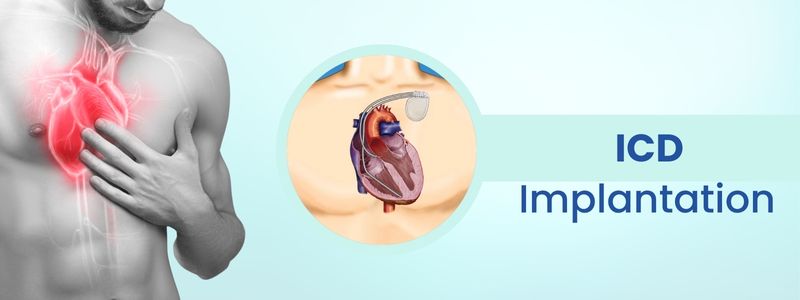
Introduction to ICD Implantation
An Implantable Cardioverter Defibrillator (ICD) is a small, battery-powered medical device surgically placed under the skin to continuously monitor heart rhythms and deliver electrical shocks when it detects dangerous, life-threatening arrhythmias such as ventricular tachycardia (VT) or ventricular fibrillation (VF). These rhythm disturbances can cause sudden cardiac arrest, and the ICD's role is to restore normal rhythm and prevent sudden cardiac death (SCD).
The ICD functions much like an internal guardian for the heart. It constantly tracks electrical activity, and if it senses an abnormal rhythm that could cause cardiac arrest, it sends a precisely timed electrical pulse or shock to normalize the heartbeat. Modern ICDs also act as pacemakers, offering backup pacing for bradycardia (slow heart rate) and providing real-time data that doctors can review during follow-up visits.
The implantation procedure is minimally invasive, typically requiring local anesthesia and light sedation. Most patients go home within 24-48 hours after surgery. The device itself is about the size of a small stopwatch and is placed near the collarbone, with one or more thin leads (wires) running through veins into the heart.
ICD implantation has revolutionized the management of sudden cardiac death prevention, especially in patients with previous heart attacks, weakened heart muscle (cardiomyopathy), or inherited electrical disorders like Long QT syndrome. For many individuals, it serves as both a life-saving technology and a reassurance that their risk of cardiac arrest is actively managed around the clock.
Causes and Risk Factors Requiring ICD Implantation
ICD implantation is recommended for patients at high risk of ventricular arrhythmias or sudden cardiac death, either due to structural heart damage or inherited electrical abnormalities.
A. Common Causes Leading to ICD Recommendation
-
Coronary Artery Disease (CAD):
Blockages in heart arteries can lead to myocardial infarction (heart attack), damaging heart muscle and increasing the risk of electrical instability. -
Cardiomyopathy:
Conditions such as dilated, ischemic, or hypertrophic cardiomyopathy cause weakened or thickened heart muscle, predisposing to irregular rhythms. -
Post-Cardiac Arrest Survivors:
Patients who have experienced sudden cardiac arrest and survived are prime candidates for ICD implantation to prevent recurrence. -
Heart Failure:
Reduced ejection fraction (<35%) increases risk of life-threatening arrhythmias; ICDs are used both for prevention and emergency correction. -
Genetic Electrical Disorders:
Inherited arrhythmic syndromes such as Long QT syndrome, Brugada syndrome, or Catecholaminergic Polymorphic Ventricular Tachycardia (CPVT). -
Post-Cardiac Surgery or Myocardial Scar Formation:
Scarring in the heart's electrical pathways can lead to unstable rhythms that ICDs can detect and treat immediately.
B. Risk Factors Increasing the Need for ICD Implantation
-
Previous episode of ventricular tachycardia or fibrillation
-
Low ejection fraction (≤35%) despite medical therapy
-
Chronic heart failure (NYHA Class II or III)
-
Family history of sudden cardiac death
-
Certain congenital or structural heart defects
-
Electrolyte abnormalities or drug-induced arrhythmias
These risk factors are evaluated through diagnostic tests and cardiac imaging before recommending ICD placement. The goal is to identify patients most likely to benefit — those at highest risk for sudden cardiac death but who can otherwise live active, fulfilling lives.
Symptoms and Signs Indicating the Need for ICD
Symptoms that warrant evaluation for ICD implantation usually reflect unstable or inefficient heart rhythms. While some patients may have no prior warning, others experience a range of cardiac symptoms that signal rhythm instability.
Common Symptoms Include:
-
Palpitations:
A sensation of rapid, fluttering, or pounding heartbeat. -
Syncope (Fainting):
Sudden loss of consciousness caused by a drop in blood flow to the brain during arrhythmia. -
Dizziness or Lightheadedness:
Due to decreased cardiac output or transient rhythm disturbances. -
Chest Pain or Tightness:
May accompany arrhythmias, especially in patients with coronary disease. -
Shortness of Breath and Fatigue:
Caused by poor pumping efficiency during abnormal heart rhythms. -
Sudden Cardiac Arrest:
The most severe manifestation — often without warning — where the heart abruptly stops due to ventricular fibrillation.
Patients experiencing these symptoms, especially those with prior heart disease, should undergo immediate evaluation, as they could indicate life-threatening arrhythmias requiring ICD intervention.
Diagnosis and Evaluation for ICD Implantation
The decision to implant an ICD involves comprehensive cardiac evaluation using clinical assessment, imaging, and electrophysiological testing.
A. Diagnostic Tests and Procedures
-
Electrocardiogram (ECG):
Records heart's electrical signals to detect arrhythmias or conduction abnormalities. -
Echocardiography (ECHO):
Evaluates heart structure, ejection fraction, and muscle function — key indicators for ICD eligibility. -
Holter Monitoring or Event Recorder:
Continuous ECG monitoring over 24-48 hours (or longer) to identify transient rhythm disturbances. -
Cardiac MRI or CT Scan:
Provides detailed imaging of heart anatomy and identifies scar tissue from past infarctions. -
Electrophysiology (EP) Study:
A specialized test where catheters measure electrical activity within the heart to pinpoint arrhythmia origins. -
Blood Tests:
Evaluate electrolytes, thyroid levels, and medication effects that may influence heart rhythm.
B. Eligibility Evaluation
-
Primary Prevention: For high-risk patients who haven't had cardiac arrest but have weakened hearts or low ejection fraction.
-
Secondary Prevention: For those who have already experienced cardiac arrest or sustained ventricular arrhythmias.
A multidisciplinary team — including cardiologists, electrophysiologists, and cardiac surgeons — determines suitability and ensures the ICD is the best life-saving intervention.
Treatment Options: The ICD Implantation Procedure
A. Preparation and Planning
Before implantation, patients undergo:
-
Complete cardiac assessment and lab testing.
-
Adjustment or discontinuation of certain medications (like anticoagulants).
-
Counseling about the procedure, device function, and post-operative care.
B. The Implantation Process
-
Anesthesia:
The procedure is performed under local anesthesia with sedation or general anesthesia. -
Incision and Device Placement:
A small incision (5-7 cm) is made below the collarbone, and a pocket is created to hold the ICD generator. -
Lead Insertion:
One or more flexible leads (thin insulated wires) are guided through a vein into the heart chambers under fluoroscopic guidance. -
Device Connection and Testing:
The leads are connected to the ICD generator, and controlled electrical impulses are delivered to test functionality and ensure proper shock thresholds. -
Closure:
The incision is sutured, and the patient is monitored for a few hours in recovery.
The entire procedure typically lasts 1 to 2 hours. Hospital stay is short — most patients are discharged within 24-48 hours.
C. Postoperative Recovery
-
Mild pain or bruising at the incision site is common.
-
Strenuous arm movement or heavy lifting on the implant side should be avoided for 2-4 weeks.
-
The ICD's performance is checked through programming devices that communicate wirelessly with the implant.
Patients usually return to normal daily activities within 1-2 weeks.
Prevention and Management of ICD-Related Issues
While ICDs prevent sudden death, proper management and regular follow-up ensure device reliability and patient safety.
A. Preventive Measures
-
Regular follow-ups with a cardiologist for device checks and battery monitoring.
-
Avoid strong electromagnetic fields (e.g., large industrial magnets, MRI without precautions).
-
Inform all healthcare providers about the ICD before any procedure.
-
Carry an ICD identification card at all times.
-
Avoid direct trauma or pressure over the implant site.
B. Lifestyle Management
-
Maintain a heart-healthy diet: low sodium, low cholesterol, and high fiber.
-
Engage in moderate exercise as advised by your cardiologist.
-
Manage stress, maintain healthy weight, and avoid smoking or excessive alcohol.
-
Adhere to medications for heart failure, hypertension, or arrhythmia.
These strategies complement the ICD's life-saving function by improving overall cardiac health.
Complications of ICD Implantation
Though ICD implantation is generally safe, potential complications can occur, especially in patients with underlying health conditions.
A. Short-Term Complications
-
Pain, bruising, or swelling at the implant site.
-
Bleeding or infection at the incision site.
-
Lead displacement, causing improper device function.
-
Pneumothorax (lung collapse) due to accidental puncture during lead insertion.
B. Long-Term Complications
-
Device malfunction or premature battery depletion.
-
Inappropriate shocks triggered by benign arrhythmias or electrical interference.
-
Venous thrombosis (blood clot) in the lead vein.
-
Psychological stress or anxiety related to fear of shocks.
C. Preventive and Corrective Measures
-
Regular device checks (every 3-6 months).
-
Reprogramming the ICD if inappropriate shocks occur.
-
Antibiotics for infections and, rarely, device replacement if malfunction is detected.
Advancements in modern ICDs — including subcutaneous ICDs (S-ICDs) and leadless systems — have greatly reduced complication rates.
Living with the Condition of ICD Implantation
Living with an ICD requires lifestyle adjustment, awareness, and proactive cardiac care, but most patients lead completely normal lives after recovery.
A. Post-Implant Lifestyle
-
Resume regular activities gradually, including work and mild exercise.
-
Avoid vigorous arm movements for 4-6 weeks.
-
Use caution around electrical devices: maintain safe distances from cell phones, induction cooktops, and metal detectors.
B. Emotional and Psychological Well-Being
Some patients experience anxiety about shocks or device visibility. Counseling and cardiac rehabilitation programs can help restore confidence and emotional stability.
C. Sexual Activity
Safe to resume after medical clearance, as ICDs do not interfere with normal heart rate response during intercourse.
D. Travel and Daily Activities
ICDs are safe for air travel and do not set off airport scanners. Carry your device card and inform security staff for manual screening.
E. Regular Monitoring
-
Follow-up every 3-6 months to check device battery and lead function.
-
Most modern ICDs feature remote monitoring, allowing continuous oversight from home.
F. Long-Term Outlook
ICDs typically last 7-10 years, after which the generator (but not the leads) may need replacement. With proper care, patients enjoy a dramatic reduction in sudden cardiac death risk and improved longevity.
Top 10 Frequently Asked Questions about ICD Implantation
1. What is an ICD Implantation?
An ICD (Implantable Cardioverter Defibrillator) implantation is a medical procedure in which a small electronic device is placed under the skin of the chest to monitor and regulate heart rhythms.
The ICD continuously tracks the heartbeat and, if it detects an abnormal or dangerously fast rhythm (arrhythmia), it sends an electric shock to restore a normal heartbeat.
ICDs are life-saving devices designed to prevent sudden cardiac arrest in patients at risk due to heart disease, previous cardiac events, or severe arrhythmias.
2. Who Needs an ICD?
An ICD is recommended for patients who are at high risk of life-threatening heart rhythm disorders such as:
-
Ventricular tachycardia (VT): Abnormally fast heartbeat from the lower chambers.
-
Ventricular fibrillation (VF): Chaotic electrical activity causing the heart to stop pumping blood.
-
Previous cardiac arrest survivors.
-
Heart failure patients with a weakened heart muscle (low ejection fraction).
-
People with genetic heart rhythm disorders like Long QT Syndrome or Brugada Syndrome.
Your cardiologist will perform tests such as ECG, echocardiogram, or Holter monitoring to determine if an ICD is necessary.
3. How Does an ICD Work?
An ICD works by continuously monitoring the electrical activity of the heart. When it detects an abnormal rhythm, it can respond in three main ways:
-
Antitachycardia pacing (ATP): Delivers small electrical pulses to restore normal rhythm.
-
Cardioversion or defibrillation: Sends a stronger shock if ATP doesn't work.
-
Bradycardia pacing: Acts as a pacemaker when the heartbeat is too slow.
Modern ICDs can store data on heart activity, which your doctor reviews during follow-up visits to adjust the device settings if needed.
4. How is ICD Implantation Performed?
ICD implantation is a minimally invasive procedure usually performed under local anesthesia with sedation and takes about 1-2 hours.
Here's how it's done:
-
A small incision is made near the collarbone.
-
The ICD leads (thin insulated wires) are inserted through a vein into the heart.
-
The device generator (battery and computer) is placed under the skin or muscle of the chest.
-
The leads are connected to the generator and tested for accuracy.
-
The incision is closed with sutures.
Most patients go home within 24-48 hours after surgery.
5. What Are the Benefits of ICD Implantation?
ICD implantation offers several life-saving and quality-of-life benefits, including:
-
Immediate protection from sudden cardiac arrest.
-
Continuous heart rhythm monitoring 24/7.
-
Automatic correction of life-threatening arrhythmias.
-
Improved survival and peace of mind for high-risk patients.
-
Enables many patients to lead active and normal lives after recovery.
For many patients with serious heart conditions, an ICD can be the difference between life and death.
6. What Are the Risks or Complications of ICD Implantation?
ICD implantation is a safe procedure, but as with any surgery, some risks may occur, such as:
-
Bleeding or bruising at the implantation site.
-
Infection around the device pocket.
-
Lead dislodgment or malfunction (rare).
-
Pneumothorax (air leak into the chest).
-
Allergic reaction to anesthesia.
-
Rare inappropriate shocks due to device sensitivity.
Most of these complications are rare and manageable with prompt medical care and regular follow-ups.
7. What Should I Expect After ICD Implantation?
After the procedure, patients are monitored for a short period to ensure proper ICD
function.
Typical post-surgery expectations include:
-
Mild soreness or swelling near the incision for a few days.
-
Avoiding strenuous arm movements or lifting heavy objects for 2-4 weeks.
-
Regular device checks at your cardiologist's clinic every 3-6 months.
-
Avoiding magnetic fields or devices that may interfere with the ICD (like MRI machines or powerful magnets).
Your doctor will provide personalized care instructions and restrictions during the recovery phase.
8. How Long Does an ICD Last?
An ICD battery typically lasts between 5 to 10 years, depending on how often the device delivers therapy.
When the battery is low, a generator replacement procedure is done —
it's simpler and faster than the initial implantation since the leads usually remain in
place.
Routine follow-up visits help ensure that your device continues to function properly.
9. Can I Live a Normal Life with an ICD?
Yes, most patients with an ICD can live a normal and active life after recovery.
You can safely:
-
Resume daily activities and light exercise.
-
Drive (after medical clearance).
-
Return to work or travel as usual.
-
Engage in social, recreational, and moderate physical activities.
However, you should:
-
Avoid contact sports (to prevent damage to the ICD).
-
Inform airport security about your device (metal detectors may affect readings).
-
Always carry an ICD identification card in case of emergencies.
Your cardiologist will guide you on safe activity levels and precautions.
10. What is the Long-Term Outlook After ICD Implantation?
The long-term outlook after ICD implantation is excellent, especially for patients who adhere to medical guidance.
Most patients experience:
-
Improved longevity and protection from sudden cardiac arrest.
-
Reduced anxiety about heart rhythm problems.
-
Better quality of life through continuous monitoring.
Regular follow-up visits, medication compliance, and lifestyle modifications (like a heart-healthy diet and exercise) are essential for maintaining the ICD's performance and overall heart health.