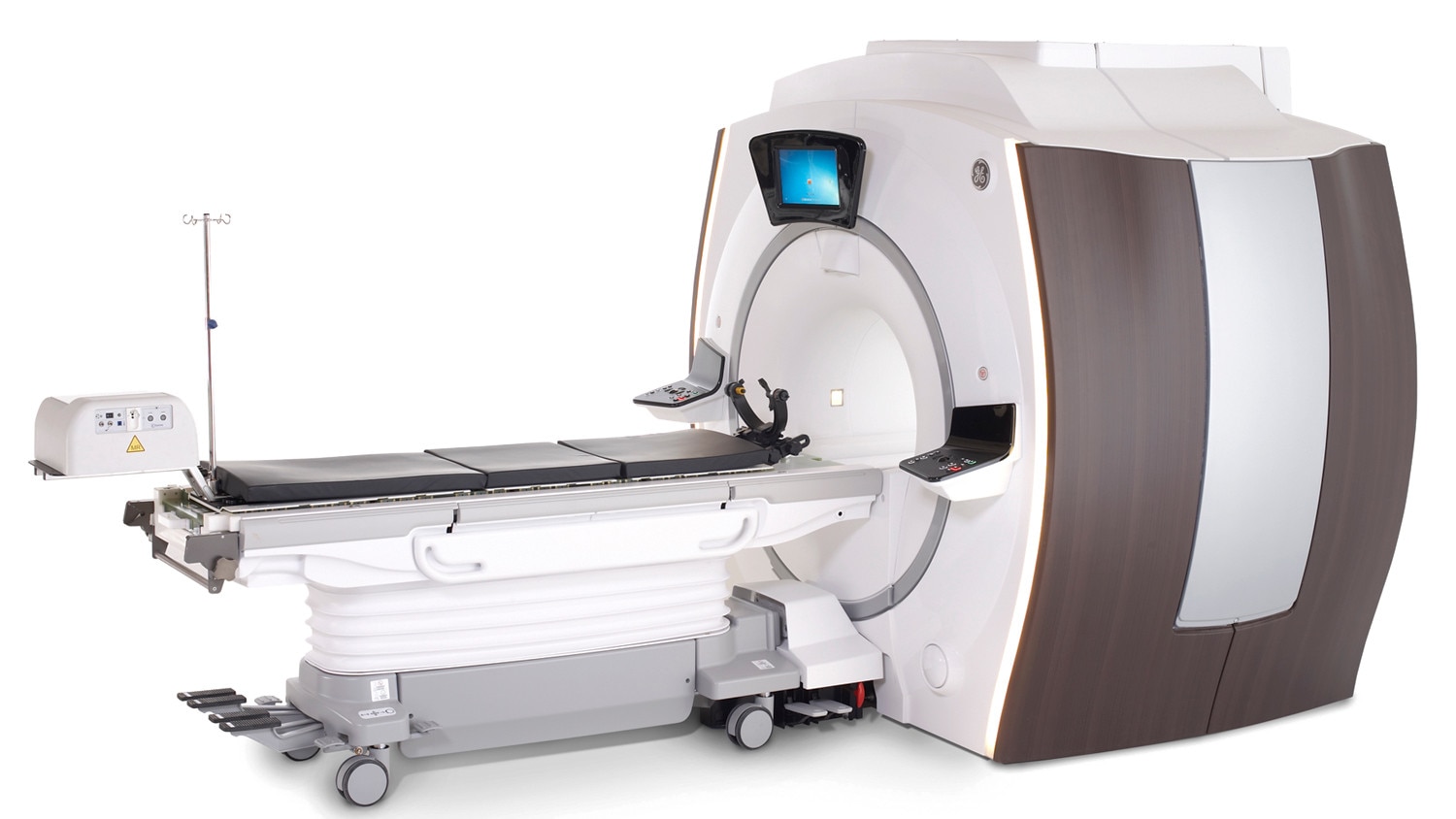
Introduction to Interventional MR Surgery
Interventional Magnetic Resonance (MR) Surgery represents a major advancement in modern medicine, combining the diagnostic power of Magnetic Resonance Imaging (MRI) with minimally invasive surgical techniques. It allows surgeons to perform delicate procedures inside the body under real-time MRI guidance, offering unmatched precision, safety, and visualization of internal structures. Unlike conventional surgery guided by X-rays or CT scans, MR-guided surgery provides superior soft tissue contrast without exposing patients to harmful ionizing radiation.
Interventional MR surgery can be used in various fields - neurosurgery, oncology, cardiology, musculoskeletal interventions, and abdominal surgery. It allows physicians to target tumors, vascular malformations, or abnormal tissues with high accuracy while preserving healthy surrounding areas. For example, it is commonly used for MRI-guided biopsies, thermal ablations of tumors, focused ultrasound treatments, and precise neurosurgical procedures like removing small brain lesions or treating epilepsy.
This innovative approach not only enhances the safety of surgical procedures but also reduces recovery time, hospital stays, and postoperative pain. Patients benefit from smaller incisions, fewer complications, and faster healing. As medical technology continues to evolve, interventional MR surgery stands at the forefront of minimally invasive, image-guided therapy, transforming how complex diseases are treated.
Causes and Risk Factors Necessitating Interventional MR Surgery
Interventional MR surgery is not performed due to a single disease; rather, it is a technique used to treat a wide range of medical conditions that benefit from precise, image-guided intervention. Understanding the conditions that necessitate this approach is essential to appreciating its role in modern healthcare.
A. Medical Conditions Commonly Treated with Interventional MR Surgery
-
Brain and Spinal Disorders
-
Brain tumors (especially near critical areas such as the motor cortex or brainstem)
-
Epilepsy requiring removal of seizure foci
-
Parkinson's disease and movement disorders (for electrode placement in deep brain stimulation)
-
Spinal cord tumors or nerve root compressions
-
-
Cancer and Tumor Ablations
-
Liver, kidney, prostate, and breast tumors treated using MR-guided thermal ablation or cryoablation.
-
Monitoring tumor margins to ensure complete removal or destruction.
-
-
Cardiac and Vascular Disorders
-
MR-guided catheterization to correct heart rhythm abnormalities or congenital defects without X-rays.
-
Mapping of cardiac tissue to identify arrhythmia origins.
-
-
Orthopedic and Musculoskeletal Conditions
-
MR-guided joint injections, tumor resections, or biopsies of soft tissue lesions.
-
-
Pediatric and Congenital Conditions
-
Certain congenital brain or heart malformations treated under MRI due to its radiation-free nature.
-
B. Risk Factors Requiring MRI-Guided Interventions
Some patients are more likely to benefit from interventional MR surgery due to specific risk factors, including:
-
Tumors located near vital organs or nerve centers.
-
Prior surgery or radiation that distorted normal anatomy.
-
Inability to tolerate open or invasive procedures due to comorbidities.
-
Children and young adults for whom radiation avoidance is critical.
-
Recurrent or previously inoperable disease.
In all these cases, MRI-guided surgery reduces risks, enhances outcomes, and provides the precision that traditional surgical approaches may not offer.
Symptoms and Signs Indicating the Need for Interventional MR Surgery
Because interventional MR surgery is used across various specialties, the symptoms leading to it vary depending on the underlying condition. However, there are general indicators that suggest a patient may require MRI-guided intervention.
A. Neurological Symptoms
-
Persistent, severe headaches unresponsive to medication.
-
Seizures or loss of consciousness (suggesting brain lesions or epilepsy).
-
Weakness, paralysis, or speech difficulties due to mass effect in the brain.
-
Balance and coordination issues pointing to cerebellar involvement.
B. Oncological and Organ-Related Symptoms
-
Persistent pain or mass in the liver, kidneys, or pelvis.
-
Weight loss, fatigue, or abnormal imaging results indicating tumors.
-
Localized pain or swelling that may suggest a malignant or benign growth.
C. Cardiovascular and Arrhythmic Symptoms
-
Palpitations or irregular heartbeats (arrhythmias).
-
Shortness of breath, chest pain, or reduced exercise tolerance.
-
Structural heart disease requiring interventional mapping.
D. Musculoskeletal Symptoms
-
Chronic joint pain or soft-tissue swelling requiring biopsy or injection.
-
Localized bone lesions detected on MRI or CT scan.
Essentially, interventional MR surgery is considered when conventional imaging and surgery cannot safely or accurately address a condition, or when repeated imaging during surgery enhances precision and safety.
Diagnosis and Preoperative Evaluation for Interventional MR Surgery
Before undergoing interventional MR surgery, patients must undergo a thorough diagnostic and preoperative assessment to confirm the indication and determine suitability for MR-guided procedures.
A. Diagnostic Investigations
-
Magnetic Resonance Imaging (MRI):
The primary tool used for diagnosis and surgical planning. It provides detailed visualization of soft tissues, tumors, and vascular structures. -
Functional MRI (fMRI):
Especially useful in neurosurgery, mapping regions responsible for language, motor skills, or vision to prevent functional damage. -
Diffusion Tensor Imaging (DTI):
Helps trace nerve pathways, critical in avoiding neural damage during brain and spinal procedures. -
Magnetic Resonance Angiography (MRA):
Non-invasive imaging of blood vessels for cardiovascular interventions. -
Blood Tests and Cardiac Evaluations:
Ensure the patient is healthy enough for anesthesia and surgery.
B. Preoperative Assessment
-
Medical History: Includes previous surgeries, implanted devices, and allergies.
-
MRI Compatibility Screening: Metallic implants, pacemakers, or certain devices may preclude MR-based procedures.
-
Anesthesia Evaluation: Determines whether sedation or general anesthesia will be required.
-
3D Surgical Mapping: Preoperative MRI data is processed into 3D models that guide the surgeon during the procedure.
This comprehensive diagnostic process ensures that every MR-guided surgery is safe, precise, and tailored to the patient's anatomy.
Treatment Options - The Interventional MR Surgery Procedure
Interventional MR surgery encompasses a variety of minimally invasive treatments performed under MRI guidance, using specially designed MR-compatible instruments.
Common Procedures Include:
-
MRI-Guided Biopsy: A needle is inserted precisely into a lesion under real-time imaging to collect tissue samples.
-
MRI-Guided Thermal Ablation: High-intensity focused ultrasound (HIFU), laser therapy, or cryotherapy destroys tumor tissue without open surgery.
-
MRI-Guided Tumor Resection: In brain or liver surgery, MRI helps guide precise removal of the tumor while sparing normal tissue.
-
MRI-Guided Vascular Interventions: Used for embolization or treatment of arteriovenous malformations (AVMs).
-
MRI-Guided Drug Delivery: Targeted therapy allows high drug concentration at the lesion with minimal systemic side effects.
The Procedure:
-
The patient lies inside an MR scanner or hybrid MR operating suite.
-
Initial imaging localizes the target area, and the surgeon plans the access path.
-
MR-compatible tools (needles, catheters, ablation probes) are inserted through small incisions.
-
Continuous MRI guidance ensures correct positioning and real-time visualization.
-
After treatment or biopsy, follow-up scans confirm success and check for complications.
Benefits:
-
No radiation exposure.
-
Enhanced visualization of soft tissues.
-
Fewer complications and faster recovery.
-
Precise targeting and higher treatment accuracy.
This approach provides a safer alternative to traditional open surgery and allows earlier discharge and return to normal activities.
Prevention and Management of Postoperative Care
Prevention and management of postoperative care after IUCD (IUD) insertion revolve around minimizing infection risks, ensuring proper healing, and recognizing early warning signs. Most individuals can resume normal activities quickly, but certain aftercare practices maximize safety and long-term effectiveness.
A. Preventive Measures Before Surgery
-
Thorough preoperative screening for infection and MRI compatibility.
-
Patient education on the procedure and postoperative expectations.
-
Coordination among radiologists, surgeons, anesthesiologists, and nurses to minimize risks.
B. Postoperative Management
After surgery:
-
Vital signs and neurological or cardiac function are closely monitored.
-
Pain management typically involves mild analgesics as procedures are minimally invasive.
-
A follow-up MRI ensures there are no residual issues or new complications.
-
Rehabilitation (e.g., physiotherapy or neurorehabilitation) may be prescribed depending on the type of surgery.
C. Lifestyle Modifications
Patients are advised to:
-
Maintain a balanced diet and adequate hydration.
-
Avoid strenuous activities for several weeks post-surgery.
-
Continue prescribed medications and attend follow-up visits regularly.
Early postoperative care and consistent follow-up are crucial to ensuring successful outcomes.
Complications of Interventional MR Surgery
Although interventional MR surgery is safer than conventional open surgery, no medical procedure is entirely risk-free. Potential complications are minimal but must be recognized and managed appropriately.
A. Common Minor Complications
-
Pain or swelling at the incision or catheter site.
-
Nausea or mild allergic reactions to contrast agents.
-
Transient neurological symptoms, such as headache or dizziness.
B. Rare but Serious Complications
-
Infection: Even with sterile protocols, surgical infections can occur.
-
Bleeding or Hematoma: Particularly in vascular or tumor resections.
-
Device Heating or Malfunction: If metallic implants are not MRI-safe.
-
Incomplete Treatment: Some tumors may require follow-up procedures.
-
Neurological Deficits: Rare, but possible if critical brain structures are affected.
The overall complication rate of interventional MR surgery remains remarkably low due to its precision and minimally invasive nature.
Living with the Results of Interventional MR Surgery
Living with the results of interventional MR (mitral regurgitation) surgery-whether traditional surgical repair or less invasive procedures like robotic or transcatheter mitral valve repair-usually brings significant improvement in both symptoms and quality of life. Most people experience restored energy, relief from shortness of breath, and a return to daily activities, with long-term survival rates approaching those of the general population if repair is successful.
A. Recovery and Quality of Life
Most patients experience a smoother and faster recovery compared to traditional surgeries. Minimal scarring, reduced hospital stays, and decreased postoperative pain significantly improve patient satisfaction and outcomes.
B. Emotional and Psychological Well-Being
For patients dealing with serious illnesses like brain tumors or cancer, interventional MR surgery offers not only a better prognosis but also psychological reassurance due to its safety and precision. Knowing that treatment was carried out under real-time visualization often reduces anxiety and boosts confidence in recovery.
C. Long-Term Outlook
-
Improved survival rates and functional outcomes in neurological and oncological conditions.
-
Reduced recurrence rates in tumor ablations.
-
Faster rehabilitation and return to normal life.
-
Regular MR follow-ups ensure early detection of any recurrence or new abnormalities.
Interventional MR surgery represents a future-oriented approach, where the focus is on preserving organ function, minimizing risks, and maximizing quality of life.
Top 10 Frequently Asked Questions about Interventional MR Surgery
1. What is Interventional MR Surgery?
Interventional MR Surgery (Magnetic Resonance-guided Surgery) is a
minimally invasive surgical technique that uses real-time MRI
imaging to guide the surgeon during procedures.
It allows doctors to see detailed, high-resolution images of soft tissues,
organs, and tumors during surgery, ensuring precise targeting and
minimal damage to surrounding healthy tissue.
This advanced approach is often used in neurological, oncological, cardiac, and
orthopedic surgeries to improve accuracy and patient outcomes.
2. How is Interventional MR Surgery different from traditional surgery?
The main difference lies in the use of real-time MRI imaging during
surgery.
In traditional surgery, surgeons rely on preoperative scans and visual
cues, while interventional MR surgery provides:
-
Continuous visualization of internal structures during the procedure.
-
Improved precision in targeting tumors, lesions, or abnormal tissues.
-
Reduced need for large incisions and shorter recovery times.
-
Better safety through immediate detection of complications.
This makes it one of the most accurate and patient-friendly surgical methods available today.
3. What types of conditions can be treated with Interventional MR Surgery?
Interventional MR surgery is used across multiple specialties, including:
-
Neurosurgery: For brain tumor removal, epilepsy surgery, or biopsy.
-
Oncology: For targeted ablation or precise tumor resections.
-
Cardiology: To treat arrhythmias or guide catheter-based interventions.
-
Orthopedics: For joint or spinal procedures requiring image guidance.
-
Gynecology and Urology: For fibroid ablation, prostate surgery, or pelvic tumor removal.
Its precision and imaging capabilities make it ideal for complex or delicate procedures.
4. How is Interventional MR Surgery performed?
The procedure is performed in a specialized hybrid operating room
equipped with an MRI scanner and surgical tools compatible with
magnetic fields.
Steps include:
-
The patient is positioned inside or near the MRI scanner.
-
The surgeon uses MRI images displayed in real-time to locate the target area.
-
Using specialized instruments, the surgeon performs the procedure under constant MRI monitoring.
-
The MRI continuously updates, allowing verification of the results before finishing the surgery.
This combination of imaging and intervention ensures maximum precision and safety.
5. What are the benefits of Interventional MR Surgery?
Key advantages include:
-
Enhanced precision: Real-time imaging improves surgical accuracy.
-
Reduced invasiveness: Smaller incisions and less tissue damage.
-
Improved safety: Immediate detection of complications.
-
Better surgical outcomes: Higher success rates and reduced recurrence.
-
Faster recovery and shorter hospital stays.
-
No radiation exposure, unlike CT-guided surgeries.
Overall, interventional MR surgery enhances both surgical confidence and patient safety.
6. What are the risks or limitations of Interventional MR Surgery?
While it is generally safe, some challenges include:
-
Limited availability - requires specialized MRI-compatible surgical suites.
-
Longer procedure setup time due to MRI safety protocols.
-
Cost - it may be more expensive than traditional surgery.
-
Metallic implants or pacemakers may restrict MRI use for some patients.
-
Claustrophobia or anxiety in patients during imaging (can be managed with sedation).
However, when performed in well-equipped centers by trained specialists, the risks are minimal and manageable.
7. Who is a good candidate for Interventional MR Surgery?
You may be a good candidate if:
-
You have a tumor or lesion that requires precise surgical removal.
-
You need a minimally invasive procedure to reduce recovery time.
-
You are medically stable and have no MRI contraindications (like certain implants).
-
You require image-guided surgery for delicate structures such as the brain, spine, or heart.
Your doctor will conduct imaging and medical evaluations to determine suitability.
8. What is the recovery process after Interventional MR Surgery?
Recovery is typically faster and smoother than after traditional surgery.
-
Hospital stay: Usually shorter, depending on the complexity of the procedure.
-
Pain and scarring: Minimal, due to smaller incisions and reduced tissue trauma.
-
Return to normal activity: Most patients recover within a few days to a few weeks.
-
Follow-up: Postoperative imaging may be performed to ensure complete treatment success.
Patients generally experience less postoperative pain and fewer complications.
9. Are there any special preparations required before the procedure?
Preparation depends on the type of surgery, but common steps include:
-
Medical evaluation and review of MRI compatibility (especially for patients with implants).
-
Fasting for several hours before the procedure if anesthesia will be used.
-
Removal of metallic objects, jewelry, or clothing with metal fasteners.
-
Pre-surgery imaging to plan the procedure precisely.
-
Discussion with the anesthesiologist and surgeon about medications and health history.
Your healthcare team will provide detailed instructions before the surgery.
10. What is the success rate of Interventional MR Surgery?
Interventional MR surgery has shown excellent success rates due to its
precision and real-time imaging.
Studies report:
-
Higher tumor removal accuracy in neurosurgical procedures.
-
Reduced recurrence rates in oncology cases.
-
Improved patient safety and fewer postoperative complications.
-
Better overall surgical outcomes compared to traditional methods.
Its success depends on the type of condition, patient health, and surgeon expertise, but it consistently delivers superior accuracy and outcomes.