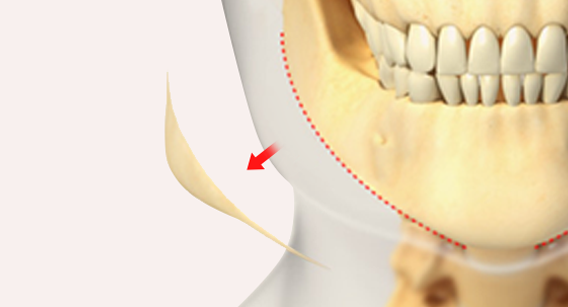
Introduction to Jaw Angle Resection
Jaw Angle Resection, also known as Mandibular Angle Reduction or Mandibular Contouring Surgery, is a cosmetic and reconstructive procedure designed to reshape and refine the lower third of the face. The jawline is a defining facial feature that contributes greatly to the overall appearance, balance, and gender characteristics of a person's face. A wide or square jawline may make the face appear heavy, angular, or masculine - concerns that often lead individuals to seek surgical correction for a more proportionate and softer facial contour.
The surgery involves reshaping the mandibular angle, the bony corner at the lower back of the jaw. This bone may be prominent naturally due to genetic factors, excessive bone growth, or hypertrophy (enlargement) of the jaw muscle known as the masseter. In some individuals, especially those of East Asian descent or people seeking feminizing facial surgery, a wider jaw angle is aesthetically undesirable.
Modern jaw angle resection uses advanced imaging and minimally invasive surgical techniques to remove or contour a portion of the bone and, when needed, reduce the overlying muscle bulk. The result is a slimmer, more V-shaped lower face that aligns harmoniously with the rest of the facial structure. The procedure is typically performed under general anesthesia, often via an incision inside the mouth (intraoral approach) to avoid visible scarring. Recovery times have improved significantly with refined tools and precise pre-surgical planning, making jaw angle resection one of the most effective facial contouring surgeries available today.
Causes and Risks Leading to Jaw Angle Resection
Jaw angle resection is an elective procedure, primarily performed for aesthetic reasons, but sometimes also for reconstructive purposes after trauma or bone deformity. The “causes” of a prominent jaw angle can vary, and understanding them helps surgeons plan the appropriate technique.
Primary Causes:
-
Genetic Bone Structure: Some people are born with a naturally broad mandible that causes a square-shaped lower face.
-
Masseter Muscle Hypertrophy: Repetitive jaw clenching, bruxism (teeth grinding), or habitual gum chewing can enlarge the jaw muscle, creating a bulky appearance.
-
Ethnic or Gender Aesthetic Preferences: In some cultures, a narrow and tapered jawline is associated with beauty and femininity. Thus, individuals may undergo jaw reduction to achieve a more delicate facial contour.
-
Post-Traumatic Deformities: Fractures or bone healing irregularities after injury can lead to asymmetrical or enlarged jaw angles.
-
Congenital or Developmental Abnormalities: Overgrowth or irregular development of jawbone tissue may result in disproportionate facial symmetry.
Risk Factors to Consider:
-
Thick Bone Density or Excessive Angle Width: Requires more extensive resection, which increases recovery time.
-
Pre-existing Dental or TMJ Disorders: Can affect chewing and postoperative comfort.
-
Poor Bone Quality or Healing Issues: Patients with diabetes, smoking habits, or systemic diseases may heal slowly.
-
Unrealistic Expectations: Patients seeking drastic results beyond anatomical limitations may experience dissatisfaction.
-
Previous Surgeries or Nerve Positioning: These factors influence surgical complexity and nerve safety.
Ultimately, jaw angle resection aims to correct structural prominence or imbalance - improving aesthetics while maintaining normal function.
Symptoms and Signs Indicating the Need for Jaw Angle Resection
While “symptoms” in the traditional medical sense may not exist for aesthetic surgeries, certain signs and personal concerns often motivate individuals to seek jaw angle resection.
Common Concerns and Indications:
-
Visually Wide or Square Jawline: The lower face appears broad, making the overall face look heavy or less refined.
-
Facial Asymmetry: One side of the jaw may be more prominent than the other.
-
Bulky or Overdeveloped Jaw Muscles: Particularly noticeable when clenching teeth or chewing.
-
Masculine Facial Appearance in Females: Some women seek surgery for feminization to achieve a softer jawline.
-
Disproportion Between Upper and Lower Face: The lower third of the face may dominate facial proportions.
-
Difficulty in Jaw Movements or Pain: In rare cases, muscle hypertrophy can lead to functional discomfort.
Clinical Evaluation:
During examination, the surgeon observes facial proportions, palpates the masseter muscle, and evaluates the bone structure via imaging. The degree of mandibular flare or lateral protrusion helps determine the surgical plan. Patients are encouraged to discuss aesthetic goals openly, as these guide the precision and extent of bone contouring.
Diagnosis and Preoperative Assessment for Jaw Angle Resection
Accurate diagnosis and preparation are crucial for safe and satisfactory outcomes. The assessment phase includes clinical examination, imaging studies, and surgical planning.
Evaluation Process:
-
Medical History: Assess any previous jaw injury, dental treatment, TMJ problems, or chronic habits like teeth grinding.
-
Facial Proportion Analysis: The surgeon evaluates facial symmetry, width-to-height ratio, and mandibular prominence.
-
3D Imaging and CT Scans: Provide detailed visualization of the jawbone's structure, thickness, nerve pathways, and muscle volume.
-
Bite Alignment and Function Test: Ensures that surgery won't disrupt normal chewing or occlusion.
-
Aesthetic Simulation: Advanced software may be used to project post-surgical facial appearance.
Preoperative Instructions:
Patients are advised to stop smoking, maintain good oral hygiene, and avoid medications that affect blood clotting (like aspirin). Clear communication about expected outcomes, recovery duration, and risks is established before surgery.
This stage ensures a personalized surgical plan that balances aesthetics, symmetry, and function.
Treatment Options and Surgical Procedure for Jaw Angle Resection
Jaw angle resection involves precise surgical techniques to remove part of the mandibular angle bone while preserving essential nerves and muscles. The entire procedure usually takes 2-3 hours under general anesthesia.
Surgical Techniques:
-
Intraoral Approach: The most common and preferred method - performed through an incision inside the mouth, leaving no visible external scar.
-
Bone Reduction: Using precision instruments, the surgeon removes the outer portion of the mandibular angle, sculpting a more curved or tapered jawline.
-
Masseter Muscle Management: If hypertrophy is significant, partial muscle reduction or contouring may be done.
-
Smoothing and Refinement: The edges of the resected bone are filed down to ensure smooth transitions and prevent palpable irregularities.
-
Hemostasis and Closure: Blood vessels are sealed, and the incision is sutured carefully inside the mouth.
Post-Surgery Care:
-
Hospital stay of 1-2 days may be recommended for observation.
-
Soft or liquid diet for 1-2 weeks to allow healing.
-
Pain and swelling are managed with medication, cold compresses, and head elevation.
In select cases, botulinum toxin injections may complement the surgery by reducing muscle bulk non-surgically, enhancing the overall contour.
Prevention and Management of Jaw Angle Resection
While jaw angle resection is an elective procedure, its success relies heavily on prevention of complications and effective postoperative care.
Prevention Strategies:
-
Maintain good oral hygiene before surgery to reduce infection risk.
-
Avoid smoking or alcohol, which delay wound healing.
-
Control chronic conditions like diabetes or hypertension.
-
Ensure nutritional balance, adequate protein, and hydration for tissue repair.
Postoperative Management:
-
Swelling Control: Use of ice compresses and head elevation in the first 48 hours.
-
Dietary Modifications: A liquid or semi-solid diet for the first week, gradually returning to normal foods as tolerated.
-
Oral Care: Antiseptic mouthwash to prevent infection of intraoral sutures.
-
Activity Restrictions: Avoid strenuous exercise, excessive chewing, or yawning for a few weeks.
-
Follow-Up: Scheduled visits to monitor healing, nerve function, and contour stability.
Proper care during recovery ensures long-lasting results, reduced swelling, and symmetrical healing.
Complications of Jaw Angle Resection
Though modern jaw angle resection is generally safe, potential complications can occur if proper care and technique are not maintained.
Possible Complications:
-
Swelling and Bruising: Common and temporary, subsiding over 2-4 weeks.
-
Infection: Preventable with good oral hygiene and antibiotics.
-
Nerve Injury: May lead to temporary or, rarely, permanent numbness in the lower lip or chin.
-
Asymmetry: Unequal bone removal can lead to uneven contours.
-
Excessive Bone Removal: May weaken the jaw or alter facial proportions unfavorably.
-
Difficulty in Mouth Opening (Trismus): Caused by swelling or muscle tension; typically resolves with therapy.
-
Relapse or Recurrence: Hypertrophy of the masseter muscle can redevelop if underlying habits like teeth grinding persist.
-
Scar or Visible Contour Irregularities: Rare with intraoral approaches but may occur with external incisions.
Minimizing Risks:
Choosing an experienced facial surgeon, following preoperative and postoperative instructions strictly, and attending all follow-ups are key to preventing complications.
Living After Jaw Angle Resection
Life after jaw angle resection is typically positive, as patients experience improved facial harmony and self-confidence. The new contour enhances facial proportion, making the face appear slimmer and more balanced.
Recovery Timeline:
-
First Week: Moderate swelling and mild discomfort are normal.
-
2-4 Weeks: Swelling subsides significantly, and patients can resume most daily activities.
-
3-6 Months: Final contour and facial shape stabilize as bone and soft tissues remodel.
Lifestyle and Maintenance:
-
Maintain oral cleanliness to support healing.
-
Adopt a balanced diet rich in vitamins and protein.
-
Continue periodic check-ups to monitor bone healing and muscle tone.
-
Avoid repetitive chewing habits that can thicken the masseter muscle again.
-
Gentle facial massages (as advised) can help in reducing stiffness and improving contour adaptation.
Emotional and Aesthetic Benefits:
Many patients report renewed self-esteem, improved symmetry, and satisfaction with their overall appearance. For individuals undergoing gender-affirming or cosmetic transformation, the results often lead to profound personal and psychological benefits.
Top 10 Frequently Asked Questions about Jaw Angle Resection
1. What is Jaw Angle Resection Surgery?
Jaw Angle Resection, also known as Mandibular Angle Reduction or V-Line Surgery, is a cosmetic facial contouring procedure that reduces the width and prominence of the lower jaw (mandible) to create a more refined, oval, or V-shaped face.
It involves reshaping or removing excess bone from the mandibular angle (the back portion of the jawline) to achieve a softer, more balanced facial appearance.
This surgery is commonly performed in both men and women who wish to reduce a square or broad jawline and enhance overall facial aesthetics.
2. Who is an Ideal Candidate for Jaw Angle Resection?
You may be a good candidate for jaw angle reduction if you:
-
Have a broad, square, or overly prominent jawline.
-
Desire a slimmer, more feminine or V-shaped facial contour.
-
Are in good general health and have realistic expectations.
-
Have a stable bite and no severe jaw alignment issues.
-
Are over 18 years old, with fully developed facial bones.
Before surgery, a facial bone assessment (CT scan or X-ray) is usually performed to determine your jaw's structure and suitability for the procedure.
3. How is Jaw Angle Resection Surgery Performed?
The procedure is performed under general anesthesia and takes about 1.5 to 3 hours, depending on the complexity.
Here's how it is typically done:
-
Incisions are made inside the mouth (intraoral), leaving no visible external scars.
-
The surgeon uses specialized surgical tools to shave, sculpt, or remove a portion of the mandibular bone at the jaw angle.
-
The jawline is contoured symmetrically to achieve the desired shape.
-
The incisions are closed with dissolvable sutures, and a compression bandage is applied.
This minimally invasive approach reduces external scarring and allows for faster recovery.
4. What Are the Benefits of Jaw Angle Resection Surgery?
Jaw angle resection offers both cosmetic and psychological benefits, including:
-
A slimmer, smoother, and more proportionate facial shape.
-
Enhanced jawline definition and femininity (in women) or refinement (in men).
-
Permanent facial contouring results.
-
Improved facial harmony and confidence.
-
No visible scarring (incisions inside the mouth).
The results are long-lasting and can dramatically improve facial balance and symmetry.
5. What is the Recovery Time After Jaw Angle Resection?
Recovery typically takes 2-4 weeks, with noticeable results visible after 6-8 weeks as swelling subsides.
Here's a general recovery timeline:
-
First week: Swelling, tightness, and mild discomfort are common.
-
Second week: Most patients can resume light activities.
-
4-6 weeks: Major swelling reduces; facial contour begins to appear.
-
3-6 months: Final results are fully visible as tissues settle.
During recovery:
-
Stick to a soft or liquid diet for the first 1-2 weeks.
-
Avoid strenuous activity for at least 3-4 weeks.
-
Follow prescribed oral hygiene and antibiotics to prevent infection.
6. Is Jaw Angle Resection Painful?
The surgery itself is not painful, as it's performed under general
anesthesia.
After the procedure, patients may experience mild to moderate
discomfort, swelling, or numbness in the lower face or jawline.
Pain is usually well-controlled with prescribed medications and cold compresses, and most patients describe the discomfort as manageable rather than severe.
7. Are There Any Risks or Complications Associated with Jaw Angle Resection?
Like all surgical procedures, jaw angle resection carries some risks, though they are rare when performed by an experienced surgeon. Possible complications include:
-
Infection or bleeding.
-
Temporary numbness due to nerve irritation.
-
Asymmetry or irregular jaw contour.
-
Difficulty chewing or speaking (usually temporary).
-
Excessive swelling or bruising.
These issues are typically minor and resolve with proper post-operative care. Choosing a qualified maxillofacial or plastic surgeon greatly minimizes these risks.
8. Will Jaw Angle Resection Affect My Bite or Chewing?
In most cases, jaw angle resection does not affect bite or chewing, as the surgery focuses on reshaping the outer angle of the mandible, not the jaw joints or occlusion (bite).
Any temporary stiffness or chewing difficulty usually resolves within a few weeks as swelling decreases and the jaw muscles adjust to the new contour.
However, patients with pre-existing jaw misalignment (malocclusion) may require evaluation before surgery to avoid functional issues.
9. How Long Do the Results of Jaw Angle Resection Last?
The results of jaw angle reduction surgery are permanent because the bone is physically reshaped and removed.
Once healing is complete, the jawbone does not regrow or revert to its original structure. Maintaining a stable body weight and avoiding trauma to the face helps preserve the final outcome for life.
10. What is the Cost of Jaw Angle Resection Surgery?
The cost of jaw angle resection varies depending on several factors, including:
-
The surgeon's expertise and clinic reputation.
-
Surgical technique and facility standards.
-
Country and city where the surgery is performed.
-
Additional procedures (such as chin contouring or facial liposuction).