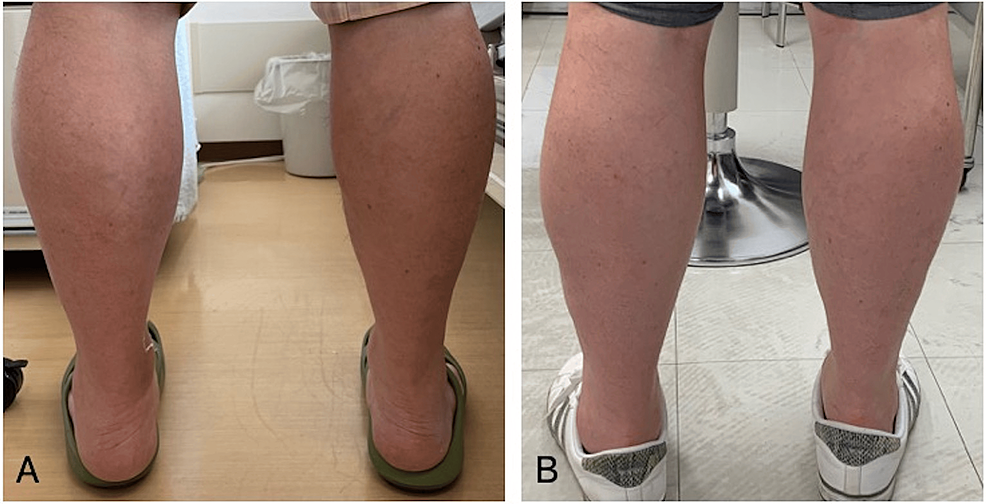
Introduction to Jaw/Calf Muscle Hypertrophy
Muscle hypertrophy refers to the abnormal or excessive enlargement of muscle tissue due to increased muscle fiber size, excessive strain, or underlying pathological conditions. When hypertrophy occurs in specific muscle groups such as the jaw (masseter muscles) or calf (gastrocnemius and soleus muscles), it can significantly alter appearance, function, and self-image.
Jaw muscle hypertrophy, also called masseteric hypertrophy, leads to a broader, square-shaped lower face due to overdevelopment of the jaw muscles. Although usually benign, it may cause functional issues such as jaw stiffness, pain, or difficulty chewing. The condition is often associated with repetitive clenching or grinding of the teeth (bruxism), stress, or genetic predisposition.
Calf muscle hypertrophy, on the other hand, results in thickened or disproportionately large calves. While some individuals develop calf hypertrophy from regular exercise or athletic activity, others may experience it as a consequence of nerve disorders, hormonal imbalance, or anatomical variation. In both cases, the muscle enlargement is typically non-malignant but can cause aesthetic concern, physical discomfort, and emotional distress.
Modern medicine offers multiple options - from non-surgical interventions like botulinum toxin (Botox) injections and physical therapy to surgical muscle reduction for severe cases. Understanding the underlying causes, identifying associated risks, and selecting the right treatment can restore normal proportion, improve appearance, and enhance quality of life.
Causes and Risk Factors of Jaw/Calf Muscle Hypertrophy
The exact cause of muscle hypertrophy depends on whether it is functional (due to overuse) or idiopathic (without a clear trigger).
Common Causes of Jaw Muscle Hypertrophy:
-
Bruxism (Teeth Grinding): Repeated jaw clenching during stress or sleep strengthens and thickens the masseter muscle.
-
Excessive Chewing Habits: Chewing gum or tough foods frequently stimulates constant muscle activity, leading to enlargement.
-
Emotional Stress: Anxiety or tension can cause involuntary jaw tightening and overuse of chewing muscles.
-
Genetic Predisposition: Some individuals naturally have thicker jaw muscles and a more defined jawline.
-
Malocclusion (Bite Misalignment): Improper tooth alignment can overload one side of the jaw, resulting in asymmetrical hypertrophy.
Common Causes of Calf Muscle Hypertrophy:
-
Overuse or Exercise: Repetitive physical activity such as running, climbing stairs, cycling, or dancing builds excessive calf muscle mass.
-
Postural Imbalance: Individuals with flat feet or improper walking posture may develop overactive calf muscles to compensate.
-
Genetic Makeup: Some people are predisposed to larger or more muscular calves, independent of exercise habits.
-
Hormonal Factors: Increased androgen or growth hormone levels can contribute to muscle bulkiness.
-
Neuromuscular Disorders: Abnormal nerve stimulation may cause involuntary muscle contraction and hypertrophy.
Risk Factors:
-
Prolonged stress or anxiety.
-
Regular high-intensity sports or weight training.
-
Dental or jaw misalignment.
-
Poor biomechanics and posture.
-
Hormonal imbalance or steroid usage.
-
Chronic inflammation or metabolic dysfunction.
Understanding these triggers allows specialists to identify whether the condition is lifestyle-related, functional, or a result of structural abnormalities.
Symptoms and Signs of Jaw/Calf Muscle Hypertrophy
Jaw muscle hypertrophy (such as masseter hypertrophy) and calf muscle hypertrophy are most often recognized by visible enlargement of the affected muscle groups, changes in facial or limb contour, and, in some cases, functional symptoms. The specific signs and symptoms depend on which muscle group is affected.
Jaw Muscle Hypertrophy Symptoms:
-
Facial Broadening: Noticeable widening of the lower face or jawline, giving a square appearance.
-
Jaw Stiffness and Pain: Discomfort when chewing or clenching teeth, especially after prolonged use.
-
Asymmetry: One side of the face may appear larger than the other if the condition is unilateral.
-
Clicking or Popping Sounds: These may occur due to tension around the temporomandibular joint (TMJ).
-
Headaches or Earaches: Caused by excessive jaw clenching pressure.
-
Cosmetic Concern: Many patients report loss of facial harmony or a more masculine appearance.
Calf Muscle Hypertrophy Symptoms:
-
Bulky or Thick Calves: Persistent increase in calf size disproportionate to the thighs or upper body.
-
Tightness and Pain: Especially noticeable after physical activity or prolonged standing.
-
Cramps or Fatigue: Due to constant muscle tension.
-
Difficulty in Fitting Clothing or Footwear: Aesthetic or functional inconvenience.
-
Postural or Gait Changes: In extreme cases, imbalance in walking due to tight calf muscles.
In both conditions, symptoms are largely physical and aesthetic but may also affect self-confidence and comfort.
Diagnosis of Jaw/Calf Muscle Hypertrophy
Diagnosis involves a combination of clinical examination, imaging, and sometimes electromyographic testing to confirm the cause and rule out other medical conditions.
Diagnostic Steps:
-
Medical History Review: Assessment of habits, exercise routines, stress levels, and duration of symptoms.
-
Physical Examination: Palpation of the muscles to determine firmness, symmetry, and tenderness.
-
Functional Assessment: Observing jaw movement, chewing mechanics, or gait to identify overuse patterns.
-
Imaging Studies:
-
MRI or CT Scans: Reveal the thickness and structure of the affected muscles.
-
Ultrasound: Useful for assessing muscle texture and distinguishing between hypertrophy and tumors or cysts.
-
-
Dental and Orthodontic Evaluation: To identify bite-related or occlusal issues in jaw hypertrophy.
-
Electromyography (EMG): Measures electrical activity in muscles, useful in cases of nerve-related hypertrophy.
Accurate diagnosis is critical for determining whether the hypertrophy is due to lifestyle, overuse, or an underlying medical disorder.
Treatment Options for Jaw/Calf Muscle Hypertrophy
Treatment is highly individualized and depends on the severity of enlargement, patient preference, and whether symptoms are functional or purely cosmetic.
Non-Surgical Management:
-
Botulinum Toxin (Botox) Injections:
-
Used to temporarily weaken and shrink overactive muscles.
-
Highly effective for masseter reduction and increasingly used for calf contouring.
-
Results appear in 2-4 weeks and last around 6-9 months.
-
Minimal downtime and natural-looking results make it a popular choice.
-
-
Physical Therapy and Relaxation Techniques:
-
Targeted exercises, stretching, and myofascial release help restore normal muscle tone.
-
Stress management and biofeedback training for bruxism reduce overuse of jaw muscles.
-
-
Dental Correction and Mouth Guards:
-
Custom night guards protect teeth and relieve jaw stress in bruxism patients.
-
Orthodontic adjustments correct bite issues contributing to uneven muscle use.
-
-
Medications:
-
Anti-inflammatory or muscle relaxant drugs may be prescribed for temporary relief.
-
Surgical Treatment Options:
-
Masseter Reduction Surgery:
-
Performed through a small incision inside the mouth to avoid visible scars.
-
Involves partial removal or reshaping of the enlarged masseter muscle.
-
Sometimes combined with mandibular bone contouring for aesthetic enhancement.
-
-
Calf Reduction Surgery:
-
Various approaches include selective muscle resection, partial neurectomy (reducing nerve input), or ultrasound-assisted liposuction to contour the lower legs.
-
Offers permanent results with careful postoperative management.
-
-
Minimally Invasive Options:
-
Laser or radiofrequency energy may be used to reduce muscle volume without open surgery.
-
Ideal for patients seeking subtle correction with minimal downtime.
-
These modern treatment modalities are highly successful in improving both functional comfort and appearance.
Prevention and Management of Jaw/Calf Muscle Hypertrophy
While not all causes can be prevented, certain habits and management strategies can minimize the risk of recurrence or progression.
Preventive Measures:
-
Avoid chewing excessively tough foods or gum.
-
Manage emotional stress through relaxation or mindfulness techniques.
-
Use protective mouthguards if teeth grinding occurs during sleep.
-
Maintain balanced exercise routines - alternate muscle groups and avoid overtraining the calves.
-
Practice correct posture during walking, standing, and workouts.
-
Stay hydrated and follow a nutrient-rich diet to promote muscle balance and recovery.
Post-Treatment Management:
-
Adhere strictly to the surgeon's or physician's aftercare instructions.
-
Avoid strenuous physical activity for a few weeks post-surgery.
-
Continue periodic Botox treatments if non-surgical management is chosen.
-
Attend follow-up appointments for monitoring and contour evaluation.
-
Combine physiotherapy and stretching to prevent muscle stiffness.
A disciplined lifestyle and early intervention greatly improve long-term outcomes and prevent recurrence.
Complications of Jaw/Calf Muscle Hypertrophy
While generally safe, both the condition and its treatments can occasionally lead to complications if not properly managed.
Potential Complications of the Condition:
-
Persistent muscle pain or tightness.
-
Jaw dysfunction or TMJ disorders.
-
Gait imbalance or lower leg fatigue in calf hypertrophy.
-
Chronic tension headaches due to prolonged jaw clenching.
Treatment-Related Complications:
-
Temporary soreness or bruising at the injection site (for Botox).
-
Weakness or asymmetry if muscle reduction is uneven.
-
Nerve irritation or temporary numbness following surgery.
-
Infection or swelling after invasive procedures.
-
Scar tissue formation in surgical cases.
Selecting an experienced surgeon and following postoperative care guidelines minimizes the likelihood of these complications.
Living with the Condition of Jaw/Calf Muscle Hypertrophy
Living with jaw or calf muscle hypertrophy can affect both physical comfort and emotional well-being. Fortunately, modern medicine provides solutions that significantly enhance quality of life.
Post-Treatment Life:
-
Recovery Period: Most patients return to normal activity within one to two weeks; full results are visible within a few months as swelling subsides.
-
Diet and Exercise: A balanced diet and moderate physical activity help maintain muscle tone without excessive buildup.
-
Long-Term Maintenance: Non-surgical treatments like Botox require repeat sessions, while surgical outcomes are permanent.
Emotional and Aesthetic Benefits:
Patients often experience a dramatic boost in confidence, facial harmony, or leg symmetry following treatment. The newfound balance in appearance can improve self-esteem, social interactions, and overall mental health. For those who previously experienced pain or stiffness, relief from physical symptoms also improves daily comfort and function.
With proper treatment, lifestyle adjustments, and follow-up care, living with or after jaw/calf muscle hypertrophy becomes easy, comfortable, and rewarding - allowing individuals to embrace both their appearance and well-being with confidence.
Top 10 Frequently Asked Questions about Jaw/Calf Muscle Hypertrophy
1. What is Jaw/Calf Muscle Hypertrophy?
Jaw or Calf Muscle Hypertrophy refers to the enlargement or
overdevelopment of muscles in either the jaw (masseter
muscle) or calf (gastrocnemius muscle) due to excessive
use, genetics, or hormonal influences.
It can lead to facial asymmetry or a square jawline in jaw hypertrophy,
and bulky, disproportionate lower legs in calf hypertrophy.
Both conditions are benign (non-cancerous) and primarily cosmetic concerns, though some individuals experience discomfort, tension, or fatigue in the affected muscles.
2. What causes Jaw or Calf Muscle Hypertrophy?
Common causes include:
For Jaw (Masseter) Hypertrophy:
-
Chronic teeth grinding (bruxism) or clenching
-
Chewing hard foods or gum excessively
-
Genetic predisposition to strong jaw muscles
-
Stress or anxiety, causing habitual clenching
For Calf (Gastrocnemius) Hypertrophy:
-
Frequent high-intensity exercises like running, jumping, or cycling
-
Genetic muscle composition (naturally bulky calves)
-
Hormonal influences or bodybuilding
-
Posture imbalance or overuse of calf muscles
In both cases, the hypertrophy results from repeated muscle stimulation and overgrowth of muscle fibers.
3. What are the symptoms or signs of muscle hypertrophy?
The condition may present as:
-
Visible enlargement of the jawline or calf muscles
-
Facial or body asymmetry
-
Tightness, soreness, or fatigue in the affected muscles
-
Difficulty in jaw movement or chewing (for jaw hypertrophy)
-
Cosmetic dissatisfaction due to bulky appearance
Jaw hypertrophy is usually painless but can cause tension-type headaches or temporomandibular joint (TMJ) discomfort in some individuals.
4. How is Jaw/Calf Muscle Hypertrophy diagnosed?
Diagnosis typically involves:
-
Physical examination by a qualified specialist (plastic surgeon, ENT, or orthopedist)
-
Medical history review to identify habits like bruxism or excessive exercise
-
Imaging studies such as ultrasound, MRI, or CT scan to assess muscle thickness
-
Dental evaluation if teeth grinding is suspected
Accurate diagnosis helps differentiate muscular hypertrophy from bone enlargement or other pathological conditions like tumors or cysts.
5. What are the treatment options for Jaw/Calf Muscle Hypertrophy?
Treatment depends on severity and patient goals. Options include:
Non-surgical treatments:
-
Botulinum Toxin (Botox) Injections:
A common, minimally invasive solution that relaxes and reduces muscle mass over time.
Results appear within 2-4 weeks and last 4-6 months. -
Lifestyle modifications:
-
Avoid excessive chewing or high-impact exercise
-
Manage stress to reduce teeth grinding
-
Use a night guard for bruxism
-
Surgical treatments:
-
Jaw Reduction Surgery (Masseter Reduction):
Removal or contouring of part of the masseter muscle or jawbone for a slimmer face. -
Calf Reduction Surgery:
Can involve muscle shaving, partial resection, or nerve ablation to reduce muscle bulk.
These procedures are safe and permanent when performed by experienced surgeons.
6. How effective are Botox injections for treating muscle hypertrophy?
Botulinum toxin (Botox) is a highly effective, non-surgical solution for
both jaw and calf muscle hypertrophy.
It works by temporarily paralyzing targeted muscle fibers, leading to
gradual muscle shrinkage and a slimmer appearance.
Benefits:
-
Quick (done in 15-30 minutes)
-
No downtime
-
Noticeable reduction within weeks
-
Natural-looking results
For best results, repeat treatments every 6-8 months may be needed initially until the muscle size stabilizes.
7. What is the recovery time after surgery for Jaw or Calf Muscle Hypertrophy?
Recovery times differ based on the procedure:
-
Botox injections: No downtime; resume activities immediately.
-
Jaw reduction surgery: 1-2 weeks of rest; swelling subsides in 4-6 weeks.
-
Calf reduction surgery: 2-4 weeks recovery; light walking after 1 week; full activity after 4-6 weeks.
Post-surgery, mild swelling, soreness, or bruising is normal and subsides with proper care.
8. Are there risks or complications associated with treatment?
All procedures carry minor risks. Possible complications include:
-
Swelling or bruising at injection or incision sites
-
Temporary weakness of surrounding muscles
-
Asymmetry if muscle reduction is uneven
-
Nerve injury or infection (rare in surgical cases)
-
Recurrence if underlying habits persist (e.g., bruxism or over-exercising)
When performed by a board-certified surgeon, these risks are minimal.
9. Are the results permanent?
-
Botox results: Temporary, lasting 4-6 months; with repeated sessions, muscles gradually shrink long-term.
-
Surgical results: Permanent, as part of the muscle or bone is physically reduced.
However, maintaining results depends on lifestyle habits, stress management, and avoiding overuse of the targeted muscles.
10. Can Jaw/Calf Muscle Hypertrophy be prevented?
While genetics can't be changed, certain steps help prevent or limit muscle enlargement:
-
Avoid chewing hard foods or gum excessively.
-
Manage stress and teeth grinding using night guards.
-
Alternate workout routines to avoid overusing calves.
-
Maintain a balanced diet and healthy body weight.
-
Get regular checkups for jaw tension or dental issues.
Early detection and non-surgical management can prevent the need for more invasive treatments later.