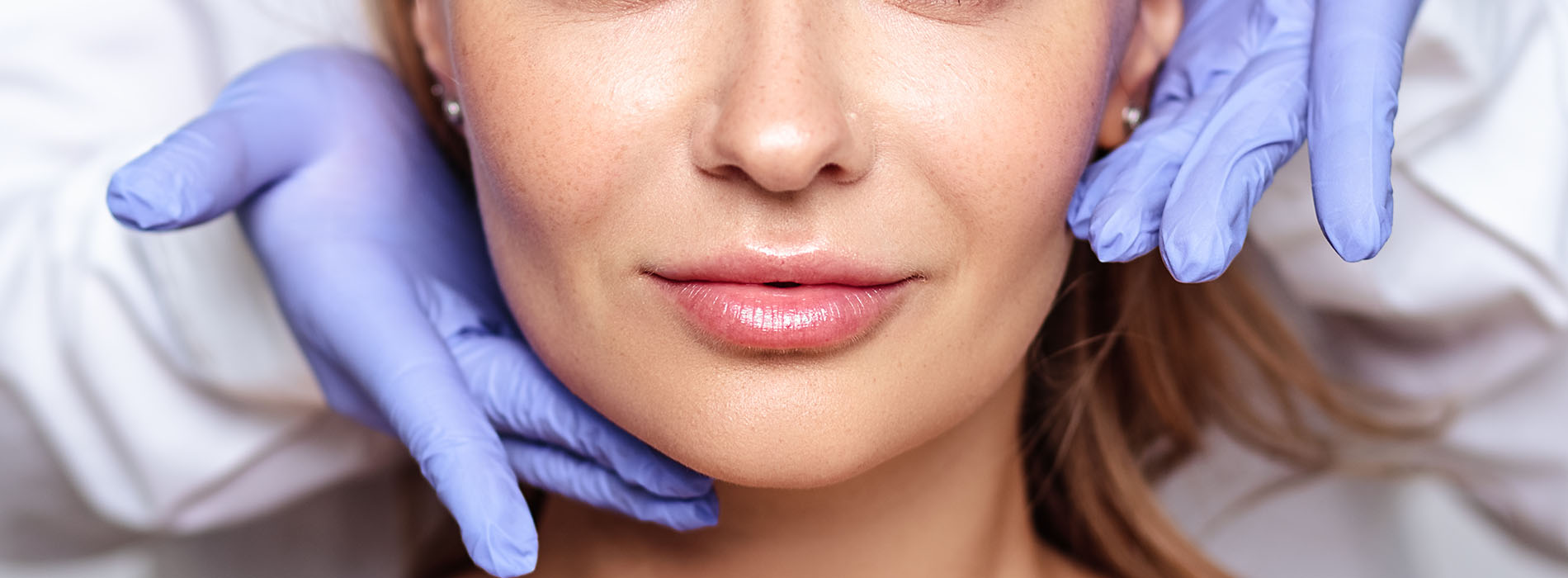
Introduction to Jaw Muscle Smile Enhancement Botox Injection
Jaw Muscle Smile Enhancement with Botox Injection is a minimally invasive cosmetic and therapeutic procedure that reshapes and refines the lower face by relaxing overdeveloped jaw muscles - primarily the masseter muscles. These powerful muscles, located on both sides of the jaw, are essential for chewing and jaw movement. However, when they become overworked or enlarged due to habits like grinding, clenching, or constant chewing, they can make the lower face appear broad, square, or bulky. This condition, known as masseter hypertrophy, not only affects facial symmetry but also restricts the natural fluidity of the smile.
Through precise Botox injections, specialists can selectively relax these muscles. The treatment softens the jawline, reduces tension, and enhances smile dynamics by allowing surrounding facial structures - such as the cheeks and lips - to move more freely. The result is a softer, slimmer, and more balanced facial appearance, with a naturally expressive and confident smile.
This procedure is widely popular across the globe because it combines aesthetic improvement with functional benefits. Patients not only achieve facial contour refinement but also find relief from chronic jaw tension, headaches, and bruxism (teeth grinding). As a non-surgical treatment with minimal downtime, Jaw Muscle Smile Enhancement Botox Injection represents a safe and effective solution for those seeking both beauty and comfort without invasive surgery or lengthy recovery periods.
Causes and Risk Factors of Jaw Muscle Smile Enhancement Botox Injection
Jaw muscle smile enhancement using Botox injection (commonly performed by targeting the masseter muscle) is generally safe, but the procedure carries certain causes and risk factors for complications—most of which are related to the patient's anatomy, provider technique, and individual medical factors.
Causes of Jaw Muscle Overactivity and Smile Imbalance
Jaw muscle hypertrophy can result from a combination of physical habits, emotional factors, and anatomical predispositions.
-
Bruxism (Teeth Grinding or Clenching): Constant grinding, particularly during sleep, exerts continuous strain on the masseter muscles, leading to their enlargement over time.
-
Chewing Habits: Excessive gum chewing or eating hard, chewy foods strengthens and thickens the jaw muscles beyond their natural size.
-
Stress and Emotional Tension: Psychological stress often causes people to clench their jaws unconsciously, keeping these muscles in a constant state of contraction.
-
Genetic and Anatomical Factors: Some individuals are genetically predisposed to stronger jaw muscles or broader facial bone structures.
-
Asymmetrical Muscle Use: Favoring one side of the mouth while chewing can result in uneven muscle development, creating facial asymmetry or an uneven smile.
Risk Factors to Consider
While Botox is generally safe, certain factors can influence the treatment's outcome:
-
Previous Facial Surgery: May alter the anatomical layout of muscles.
-
Pre-existing Neuromuscular Conditions: Such as myasthenia gravis, which contraindicates Botox use.
-
Medication Use: Blood thinners or muscle relaxants can affect injection safety or results.
-
Pregnancy and Breastfeeding: The procedure is typically postponed in these cases.
-
Lifestyle Factors: Continuous high stress or habitual clenching can shorten the longevity of results if not managed post-treatment.
Understanding these causes and risk factors helps clinicians design personalized Botox plans that balance beauty, function, and safety for optimal, natural-looking results.
Symptoms and Signs Indicating the Need for Botox Smile Enhancement
The need for Jaw Muscle Smile Enhancement Botox Injection often arises from both physical and aesthetic symptoms that impact comfort and appearance.
Physical Symptoms:
-
Jaw Pain or Stiffness: Overuse of masseter muscles causes soreness or fatigue, especially during chewing.
-
Headaches and Facial Pressure: Prolonged clenching or grinding leads to tension headaches, particularly around the temples and jawline.
-
TMJ Discomfort: Clicking or locking sensations near the jaw joint.
-
Teeth Damage: Enamel wear, flattening, or chipping due to bruxism.
Aesthetic Signs:
-
Squared or Bulky Jawline: The lower face appears broader or less defined due to hypertrophic muscles.
-
Strained Smile: Tight muscles restrict natural movement of the lips and cheeks.
-
Facial Asymmetry: One side of the face appears more pronounced or lower than the other.
-
Overly Masculine Appearance: Common among women who desire a softer, more feminine contour.
Emotional or Psychological Signs:
-
Reduced confidence when smiling or taking photographs.
-
Feeling self-conscious about facial balance or asymmetry.
-
Stress or frustration over chronic facial tension or aesthetic imbalance.
These symptoms collectively guide clinicians to recommend Botox injections to restore both functionality and a naturally radiant smile.
Diagnosis of Jaw Muscle Smile Enhancement Botox Injection
A thorough clinical and aesthetic assessment is crucial before performing Botox treatment to ensure safe and precise results.
Step 1: Patient Consultation
The consultation involves understanding the patient's goals, medical history, and lifestyle habits. The doctor asks about jaw discomfort, headaches, clenching tendencies, and desired facial outcomes.
Step 2: Physical Examination
-
Palpation of Masseter Muscle: The physician asks the patient to clench their teeth while feeling the muscle's size, density, and symmetry.
-
Observation of Smile Dynamics: The doctor evaluates how the smile moves across the face and how jaw tension affects its expression.
-
Jawline Analysis: Checking for muscle dominance, facial balance, and lower-face proportions.
Step 3: Functional Assessment
If bruxism or TMJ symptoms are present, bite alignment and joint function are assessed. In some cases, imaging (such as ultrasound or MRI) helps confirm that hypertrophy is muscle-related and not skeletal.
Step 4: Personalized Treatment Plan
The clinician determines the appropriate Botox dosage (typically 20-40 units per side) and injection sites based on muscle thickness and smile patterns. A customized approach ensures optimal contouring without compromising function or expression.
Treatment Options of Jaw Muscle Smile Enhancement Botox Injection
The primary method of treatment is the direct injection of Botulinum Toxin Type A into the masseter muscles.
Procedure Overview:
-
Preparation: The skin is cleansed, and injection points are marked.
-
Numbing: A topical anesthetic may be applied for comfort, although the procedure is usually well-tolerated without it.
-
Injection: Using an ultra-fine needle, Botox is injected into specific areas of the masseter muscle on each side of the face.
-
Duration: The entire process takes about 15-30 minutes.
-
Post-Care: Patients can return to normal activities immediately, but are advised to avoid touching or massaging the area for 24 hours.
Mechanism of Action:
Once injected, Botox temporarily blocks nerve signals that cause muscle contraction. Over the next few weeks, the treated muscles begin to relax, resulting in reduced muscle bulk and tension. As the muscle size gradually decreases, the face appears slimmer and more contoured, while the smile becomes softer and more balanced.
Expected Results:
-
Noticeable improvement in 2-4 weeks.
-
Full results achieved by 8-10 weeks.
-
Effects last between 6-9 months, after which maintenance sessions can extend longevity.
-
Over time, repeated treatments lead to long-term reduction in muscle volume and sustained facial refinement.
This treatment offers a powerful balance of aesthetic rejuvenation and functional relief - no surgery, no scars, and minimal downtime.
Prevention and Management of Jaw Muscle Smile Enhancement Botox Injection
The prevention and management of complications after jaw muscle (masseter) Botox injections for smile enhancement focus on optimized technique, thorough patient assessment, careful aftercare, and timely corrective action if side effects appear.
Prevention Strategies:
Preventing recurrence of masseter hypertrophy involves both behavioral and medical management.
-
Avoid chewing gum excessively or biting hard objects.
-
Manage stress through relaxation techniques such as yoga or mindfulness.
-
Use custom-fitted dental guards to prevent nighttime teeth grinding.
-
Maintain proper posture and avoid resting the chin on the hand for long periods.
-
Regularly monitor dental health and bite alignment.
Post-Treatment Management:
After receiving Botox injections, patients should follow simple but essential care guidelines:
-
Avoid rubbing, pressing, or massaging the treated area for at least 24 hours.
-
Refrain from strenuous exercise or lying flat for 4 hours post-treatment.
-
Eat soft foods for 1-2 days to minimize muscle strain.
-
Apply a cold compress to reduce minor swelling.
-
Attend follow-up appointments every 3-6 months for maintenance and evaluation.
With proper management, patients can maintain long-term results while preventing the recurrence of muscle overdevelopment or smile imbalance.
Complications of Jaw Muscle Smile Enhancement Botox Injection
While Botox for the jaw is considered extremely safe when administered by qualified practitioners, minor side effects can occur.
Common Temporary Effects:
-
Mild Swelling or Bruising: Localized redness or tenderness that resolves within a few days.
-
Temporary Weakness: Slight fatigue or difficulty chewing hard foods during the first week.
-
Tenderness: Mild soreness around injection sites.
Rare Complications:
-
Facial Asymmetry: Uneven relaxation if the toxin spreads unevenly or muscles respond differently.
-
Altered Smile Movement: Temporary imbalance in lower facial expressions.
-
Over-Reduction: Excessive slimming of the jaw if too much Botox is injected.
-
Numbness or Stiffness: Minor, short-lived sensations as muscles adjust.
Serious Complications (Extremely Rare):
-
Allergic reaction or hypersensitivity to botulinum toxin.
-
Infection due to improper injection hygiene (preventable with sterile technique).
With expert administration, careful dosage control, and good aftercare, these complications are exceedingly rare, making the treatment both safe and predictable.
Living with the Condition After Botox Smile Enhancement
Following treatment, patients experience not just visible facial transformation but also psychological and physical well-being. The once-tensed jawline appears smoother, the smile more effortless, and the face naturally balanced.
Physical Benefits:
-
Reduced facial pain and headaches.
-
Improved jaw relaxation during speaking, eating, and smiling.
-
Alleviation of bruxism symptoms, leading to healthier teeth.
-
Enhanced facial proportions - creating harmony between upper, mid, and lower face.
Emotional and Aesthetic Benefits:
Patients often describe a renewed sense of confidence. The smile becomes more open and inviting, facial tension diminishes, and self-consciousness fades. This subtle change can have a profound impact on personal and professional interactions, helping individuals look and feel more approachable and at ease.
Long-Term Outlook:
Results last approximately 6-9 months, after which maintenance injections can sustain the contour. Over time, repeated treatments yield cumulative improvements, as the muscle learns to remain relaxed. Many patients notice lasting jaw reduction even after several sessions, requiring less frequent upkeep.
By combining Botox with proper lifestyle habits and emotional self-care, patients can enjoy years of improved appearance, comfort, and self-assurance.
Top 10 Frequently Asked Questions about Jaw Muscle Smile Enhancement Botox Injection
1. What is Jaw Muscle Smile Enhancement Botox Injection?
Jaw Muscle Smile Enhancement Botox Injection is a non-surgical cosmetic treatment designed to enhance the appearance of your smile and refine the lower facial contour by relaxing the jaw muscles - particularly the masseter muscles.
The procedure involves carefully injecting Botulinum Toxin Type A (Botox) into the jaw muscles to soften the jawline, reduce tension, and create a more natural, balanced smile.
It is commonly used for:
-
Smile enhancement
-
Facial slimming or contouring
-
Correction of asymmetry
-
Relief from teeth grinding (bruxism)
2. How does Botox enhance the smile and jawline?
Botox works by temporarily relaxing targeted facial muscles.
When injected into the masseter muscles (jaw muscles) or
perioral muscles (around the mouth), it:
-
Reduces muscle tension, helping the smile appear more relaxed and symmetrical.
-
Softens the lower face, giving a smoother and more refined contour.
-
Prevents excessive jaw clenching, improving facial harmony.
-
In some cases, it can elevate the corners of the mouth, creating a more youthful smile.
The effect develops gradually over 7-14 days and typically lasts 4-6 months.
3. Who is a good candidate for Jaw Muscle Smile Enhancement Botox?
You may be a good candidate if you:
-
Have a wide or square jawline due to enlarged masseter muscles.
-
Wish to achieve a softer, V-shaped facial appearance.
-
Experience jaw clenching or teeth grinding (bruxism).
-
Have a gummy or uneven smile.
-
Prefer a non-surgical and temporary aesthetic treatment.
-
Are in good general health with no neuromuscular disorders.
A facial aesthetic assessment by a qualified practitioner will help determine if Botox is right for your goals.
4. How is the Botox procedure performed?
The procedure is quick, safe, and minimally invasive - usually taking
15-30 minutes.
Steps include:
-
The doctor cleans the area and marks the injection sites.
-
Small doses of Botulinum Toxin (Botox) are injected into specific jaw and smile muscles using ultra-fine needles.
-
The patient can return to normal activities immediately after the treatment.
No anesthesia is required, though a topical numbing cream may be applied for comfort.
5. Is the treatment painful?
Most patients describe the sensation as mild and tolerable, similar to a
small pinprick or mosquito bite.
Because fine needles and small doses are used, discomfort is
minimal.
After the injection, you may feel slight tenderness or tightness in the treated area,
which resolves within a few hours to a day.
6. How soon will I see results, and how long do they last?
-
Visible results begin to appear within 5-7 days.
-
Full effects are noticeable after about 2 weeks.
-
The results typically last 4-6 months, depending on your muscle strength, metabolism, and lifestyle.
With regular maintenance sessions, the effects can last longer as the muscles gradually become less active.
7. What are the benefits of Jaw Muscle Smile Enhancement Botox?
Some key benefits include:
-
Improved smile symmetry and aesthetics
-
Slimmer, more contoured lower face
-
Reduced jaw tension and pain
-
Non-surgical and quick procedure
-
No downtime - you can resume normal activities immediately
-
Subtle, natural-looking enhancement rather than drastic change
It's one of the most popular and effective facial rejuvenation and smile improvement procedures available today.
8. Are there any side effects or risks?
Botox injections are very safe when performed by an experienced
doctor.
Possible, though rare, side effects may include:
-
Mild swelling, bruising, or redness at injection sites
-
Temporary facial asymmetry
-
Weakness in nearby muscles (resolves within weeks)
-
Headache or mild discomfort after injection
Serious complications are extremely rare. Avoiding unqualified practitioners ensures safe and natural results.
9. What should I do before and after the procedure?
Before treatment:
-
Avoid alcohol, blood-thinning medications (e.g., aspirin, ibuprofen), and vitamin E for 24-48 hours.
-
Remove any makeup before the procedure.
-
Inform your doctor about all medications or supplements you're taking.
After treatment:
-
Do not massage, rub, or apply pressure to the treated area for 24 hours.
-
Avoid lying down for 4 hours post-treatment.
-
Skip intense workouts, saunas, or steam rooms for 24 hours.
-
Follow your doctor's instructions carefully for the best results.
10. Can Botox for Smile Enhancement be combined with other treatments?
Yes! Botox is often combined with other facial aesthetic treatments to enhance overall results, such as:
-
Dermal fillers - to add volume or lift to lips and cheeks
-
Lip flip - using Botox for a fuller, lifted lip appearance
-
Skin rejuvenation treatments - such as laser or microneedling
Combining procedures allows for a balanced, harmonious look customized to your face shape and smile.