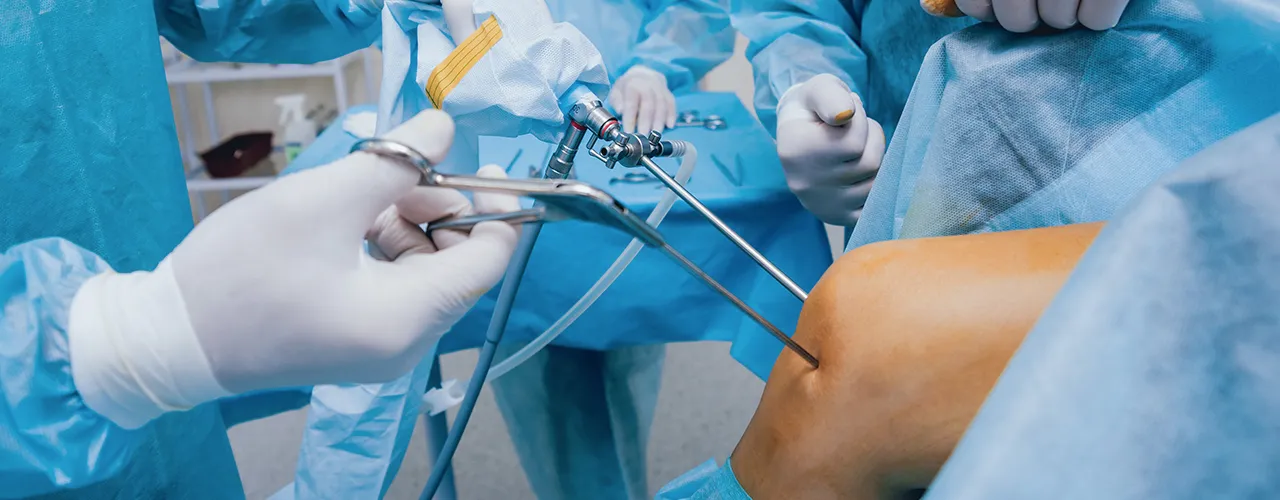
Introduction to Knee Arthroscopy
Knee Arthroscopy is a minimally invasive surgical technique used by orthopedic surgeons to both diagnose and treat a wide variety of knee joint problems. Using an instrument called an arthroscope—a thin, flexible tube with a light and camera—surgeons can visualize the internal structures of the knee on a video monitor without making large incisions. This technology has revolutionized orthopedic care, allowing patients to undergo precise procedures with reduced trauma, minimal scarring, faster recovery, and less postoperative discomfort compared to traditional open surgery.
The knee joint is one of the largest and most complex joints in the human body, composed of bones, cartilage, ligaments, tendons, and synovial membranes that work in harmony to support movement. Injuries, wear and tear, and degenerative diseases like osteoarthritis can disrupt this delicate balance, leading to pain, swelling, and restricted mobility. Arthroscopy enables surgeons to diagnose these internal knee problems accurately and treat them effectively through small keyhole incisions.
Common conditions treated through knee arthroscopy include meniscus tears, anterior cruciate ligament (ACL) injuries, cartilage damage, loose bone fragments, inflammation of the synovium, and patellar misalignment. The procedure is performed on an outpatient basis in most cases, meaning patients can go home the same day.
Over the years, technological advancements have refined arthroscopy to be safer and more effective, making it one of the most frequently performed orthopedic procedures worldwide. It offers patients a path to regain pain-free mobility, restore knee function, and return to daily life and sports activities faster than ever before.
Causes and Risk Factors Associated with Knee Arthroscopy
Knee arthroscopy is most commonly performed to diagnose and treat structural problems of the knee that do not respond to conservative management. The main causes and risk factors leading to a need for knee arthroscopy revolve around specific injuries, chronic joint symptoms, and active lifestyles.
Why Knee Arthroscopy Is Needed
Knee arthroscopy is typically performed to diagnose or treat underlying problems
inside the joint that cannot be addressed by medication, physiotherapy, or other
non-surgical methods.
Some of the main causes or indications include:
-
Meniscus Tears: The meniscus is a wedge-shaped piece of cartilage that cushions the joint. Tears from twisting injuries or degeneration are among the most common reasons for arthroscopy.
-
Ligament Injuries: Damage to ligaments such as the ACL or PCL often requires arthroscopic reconstruction or repair.
-
Cartilage Damage: Accidents, sports injuries, or wear-and-tear can cause cartilage defects leading to pain and stiffness. Arthroscopy helps smooth or repair these areas.
-
Loose Bodies in the Joint: Small fragments of bone or cartilage can float inside the joint, causing locking, clicking, or discomfort that can be removed arthroscopically.
-
Synovitis: Inflammation of the knee's inner lining (synovium) can cause persistent swelling and pain; arthroscopy allows both diagnosis and removal of the inflamed tissue.
-
Patellar Disorders: Maltracking or instability of the kneecap may require arthroscopic correction.
Risk Factors
While knee arthroscopy is minimally invasive, certain factors can increase risks or influence recovery:
-
Age and joint condition: Older patients with advanced arthritis may not benefit as much as younger patients with isolated injuries.
-
Medical conditions: Diabetes, obesity, or vascular disease can delay healing and increase infection risk.
-
Smoking: Reduces blood supply to healing tissues and slows recovery.
-
Poor muscle strength or pre-existing stiffness: May limit post-surgical rehabilitation success.
-
Unrealistic expectations: Arthroscopy is not a cure-all for severe arthritis but works best for specific mechanical problems.
Understanding these causes and risks allows surgeons to identify ideal candidates and ensure that patients are fully informed about potential benefits and limitations.
Symptoms and Signs Acupressure Treats
3. Symptoms and Signs Indicating the Need for Knee Arthroscopy
Knee arthroscopy is generally considered when symptoms persist despite conservative treatments such as physiotherapy, rest, medications, or injections. Recognizing the key warning signs helps in determining whether surgical intervention is necessary.
Common Symptoms:
-
Chronic Knee Pain: Ongoing pain that worsens during activity or twisting movements.
-
Swelling and Stiffness: Fluid accumulation in the joint (effusion) causes tightness and reduced mobility.
-
Catching or Locking: The knee may “catch” or “lock” due to torn meniscus fragments or loose pieces of bone/cartilage.
-
Instability or Giving Way: Common with ligament injuries such as ACL tears.
-
Loss of Full Motion: Difficulty bending or straightening the knee completely.
-
Grinding or Clicking Sensation: Often due to cartilage damage or irregular joint surfaces.
Physical Examination Findings:
During evaluation, an orthopedic specialist may notice:
-
Tenderness along the joint line.
-
Audible clicks or pops during knee movement.
-
Joint swelling or fluid buildup.
-
Weakness in quadriceps or hamstring muscles.
-
Positive special tests for meniscus or ligament injury (e.g., McMurray's or Lachman test).
Persistent mechanical symptoms or structural damage identified through imaging usually lead to the recommendation for arthroscopy.
Diagnosis of Acupressure Therapy
4. Diagnosis and Preoperative Evaluation
Before undergoing knee arthroscopy, a thorough diagnostic work-up ensures accurate identification of the problem and safe surgical planning.
1. Medical History and Physical Examination:
The orthopedic surgeon begins by assessing the patient's symptoms, injury history, previous treatments, and physical activity level. Pain location, swelling, and mobility limitations are carefully noted.
2. Imaging Studies:
-
X-rays: Used to rule out fractures, arthritis, or bone spurs.
-
MRI Scan: Provides detailed visualization of soft tissues like ligaments, tendons, and cartilage, helping confirm meniscal tears, ligament ruptures, or cartilage defects.
-
Ultrasound: May be used for soft tissue evaluation or joint effusion.
3. Medical Evaluation:
Patients undergo preoperative testing such as blood work, ECG, and sometimes chest X-rays to ensure fitness for anesthesia. Any ongoing conditions like diabetes, hypertension, or infections must be stabilized before surgery.
4. Preoperative Planning:
The surgeon outlines the exact goals of the procedure—whether it's diagnostic, reparative, or reconstructive. Patients are advised about anesthesia options (general, spinal, or local), expected recovery timeline, and rehabilitation requirements.
Proper preoperative preparation enhances safety, minimizes complications, and leads to more successful surgical outcomes.
Treatment Options for Acupressure
5. Treatment Options in Knee Arthroscopy
The Procedure:
Knee arthroscopy is usually performed under general or spinal anesthesia and lasts between 30 minutes to 2 hours depending on complexity. The surgeon makes 2-3 small incisions around the knee to insert the arthroscope and specialized surgical tools. Sterile saline is pumped into the joint to expand the space for better visibility.
Common Arthroscopic Procedures:
-
Meniscus Surgery:
-
Partial Meniscectomy removes damaged meniscus tissue.
-
Meniscus Repair involves suturing the torn edges to preserve function.
-
-
Ligament Reconstruction:
-
The surgeon reconstructs torn ligaments like the ACL using grafts (from patient's own tissue or donor tissue).
-
-
Cartilage Restoration:
-
Damaged cartilage is trimmed or stimulated to heal using techniques such as microfracture or chondroplasty.
-
-
Removal of Loose Bodies:
-
Free fragments of bone or cartilage are removed to eliminate mechanical locking.
-
-
Synovectomy:
-
Inflamed synovial tissue is removed in conditions like rheumatoid arthritis.
-
-
Patellar Realignment:
-
Adjusts the kneecap's tracking to improve stability and function.
-
Postoperative Care:
After the procedure, patients are monitored for a few hours before being discharged. Pain control, icing, elevation, and compression help manage swelling. Most patients can walk the same or next day with support.
Recovery Timeline:
-
Light activity and driving: within 1-2 weeks.
-
Physiotherapy begins immediately for motion and muscle strength.
-
Sports or heavy labor: usually after 2-3 months (depending on the procedure).
Knee arthroscopy's effectiveness lies in its precision and reduced invasiveness, making it a preferred choice for many joint-related issues.
Prevention and Management of Acupressure
6. Prevention and Management After Knee Arthroscopy
Preventing Knee Problems:
While not all knee issues are avoidable, proactive care can reduce injury risk and delay degenerative changes:
-
Maintain a healthy weight to reduce joint stress.
-
Strengthen knee-supporting muscles through regular low-impact exercises such as swimming, cycling, and yoga.
-
Warm up properly before physical activity and avoid sudden twisting movements.
-
Wear supportive footwear that aligns the legs and cushions the knees.
-
Address minor knee pain early to prevent chronic injury.
Postoperative Management:
After arthroscopy, proper rehabilitation determines the long-term outcome:
-
Rest and Elevation: Keeps swelling under control.
-
Ice Therapy: Reduces pain and inflammation.
-
Physical Therapy: Begins within days to restore motion, balance, and strength.
-
Follow-up Visits: Regular check-ups to assess healing and prevent complications.
-
Healthy Lifestyle: Good nutrition, hydration, and joint-friendly habits support long-term knee health.
Commitment to recovery and lifestyle modifications greatly improves success rates and durability of results.
Complications of Acupressure
7. Complications of Knee Arthroscopy
Though rare, knee arthroscopy can have potential complications, which are usually minor and treatable.
Common Temporary Effects:
-
Mild pain, bruising, or swelling.
-
Temporary stiffness or reduced range of motion.
-
Small fluid accumulation inside the knee.
Rare but Possible Complications:
-
Infection: Bacteria can enter through incisions but is preventable with antibiotics and hygiene.
-
Bleeding or Hematoma: Internal bleeding may require drainage.
-
Nerve or Vessel Injury: Extremely rare due to small incisions.
-
Deep Vein Thrombosis (DVT): Blood clots may form in the leg veins if mobility is limited post-surgery.
-
Persistent Pain or Stiffness: Often related to underlying arthritis or inadequate rehabilitation.
Prevention of Complications:
-
Proper surgical technique and sterile environment.
-
Following post-op instructions closely.
-
Early mobilization to improve blood circulation.
-
Reporting any unusual symptoms immediately.
With an experienced surgeon and good postoperative care, knee arthroscopy remains one of the safest orthopedic procedures available.
Living with the Condition of Acupressure
8. Living with the Results of Knee Arthroscopy
Early Recovery Experience:
Most patients notice immediate improvement in mechanical symptoms such as locking or catching. Some swelling and mild discomfort are expected but gradually subside within a few weeks.
Long-Term Results:
-
Restored movement and stability.
-
Significant pain relief for most conditions.
-
Improved quality of life and return to sports or normal activity.
-
Minimal scarring due to keyhole incisions.
Rehabilitation and Lifestyle:
Successful recovery depends on physiotherapy and self-discipline. Patients are encouraged to continue strengthening exercises even after formal rehab ends to maintain flexibility and prevent re-injury. Incorporating joint-friendly activities like swimming, cycling, or Pilates supports lasting results.
Psychological Benefits:
In addition to physical improvements, patients often experience increased confidence and well-being. Being able to move freely, climb stairs, and engage in recreational activities again can have a profound impact on emotional health and social participation.
Knee arthroscopy allows people to reclaim their mobility, independence, and quality of life, making it one of the most rewarding orthopedic procedures for both patients and physicians.
Top 10 Frequently Asked Questions about Knee Arthroscopy
1. What is Knee Arthroscopy?
Knee arthroscopy is a minimally invasive surgical
procedure used to diagnose and treat problems inside the knee joint.
During the surgery, a small instrument called an arthroscope—a thin
tube with a camera and light—is inserted through tiny incisions. This allows the surgeon
to see the inside of the knee on a video monitor and perform repairs
using miniature surgical tools.
Knee arthroscopy is often performed to treat conditions like torn meniscus, ligament injuries, cartilage damage, or loose fragments inside the joint.
2. When is Knee Arthroscopy Needed?
Doctors may recommend knee arthroscopy when non-surgical treatments such as medication, rest, or physical therapy fail to relieve knee pain or dysfunction.
Common conditions treated include:
-
Meniscus tears (cartilage injury)
-
Anterior cruciate ligament (ACL) tears
-
Posterior cruciate ligament (PCL) injuries
-
Loose bone or cartilage fragments
-
Knee joint inflammation (synovitis)
-
Patellar (kneecap) problems
-
Cartilage wear or early arthritis
The procedure helps in both diagnosing and treating these knee disorders effectively with minimal tissue damage.
3. How is Knee Arthroscopy Performed?
The procedure is typically performed under spinal or general anesthesia and lasts about 30 minutes to 1 hour, depending on the condition.
Steps include:
-
The surgeon makes two or three small incisions around the knee.
-
An arthroscope is inserted through one incision to project images of the knee's interior.
-
Special surgical tools are inserted through other incisions to remove or repair damaged tissues.
-
The knee is cleaned with sterile saline solution, and the incisions are closed with small stitches or adhesive strips.
Because it's minimally invasive, recovery is faster than with traditional open knee surgery.
4. What Are the Benefits of Knee Arthroscopy?
The main advantages of knee arthroscopy include:
-
Smaller incisions and minimal scarring.
-
Reduced pain and tissue trauma compared to open surgery.
-
Shorter hospital stay (often outpatient).
-
Faster recovery and return to normal activities.
-
High diagnostic accuracy with direct visualization.
-
Lower risk of complications.
It allows surgeons to precisely target and treat knee problems without extensive damage to surrounding tissues.
5. What is the Recovery Time After Knee Arthroscopy?
Recovery time depends on the type and extent of repair performed.
In general:
-
Walking with support: Within 1-2 days post-surgery.
-
Return to office work: In 1-2 weeks.
-
Return to sports or heavy activity: 4-6 weeks (sometimes longer for ligament repairs).
Rehabilitation with physiotherapy is an important part of recovery—it
helps restore strength, flexibility, and full knee movement.
Following your surgeon's instructions ensures a faster and safer
recovery.
6. Is Knee Arthroscopy Painful?
The procedure itself is painless as it's performed under anesthesia.
After surgery, mild discomfort, swelling, or stiffness around the knee
is common for a few days.
Pain is typically managed with:
-
Pain-relief medications.
-
Cold compresses to reduce swelling.
-
Elevation of the leg to minimize fluid buildup.
Most patients report significantly less pain than they expected and notice gradual improvement within the first week.
7. What Are the Risks or Complications of Knee Arthroscopy?
Knee arthroscopy is a safe and commonly performed procedure, but like any surgery, it carries some small risks, including:
-
Infection or bleeding at the incision site.
-
Blood clots (deep vein thrombosis).
-
Joint stiffness or temporary swelling.
-
Nerve or tissue injury (rare).
-
Persistent pain or incomplete symptom relief in some cases.
These complications are rare and can be minimized when the procedure is performed by an experienced orthopedic surgeon.
8. What Should I Expect After Knee Arthroscopy?
Immediately after surgery:
-
You'll be monitored in a recovery room until anesthesia wears off.
-
The knee will be bandaged, and you may be given crutches or a brace.
-
Swelling is normal for a few days.
-
Follow your doctor's guidance for rest, ice, compression, and elevation (RICE method).
Your surgeon will also provide a rehabilitation plan that includes exercises to regain mobility and strength over several weeks.
9. What Results Can I Expect from Knee Arthroscopy?
Most patients experience excellent outcomes after knee arthroscopy, including:
-
Relief from pain and swelling.
-
Improved knee function and mobility.
-
Faster recovery compared to open surgery.
-
Ability to return to sports or daily activities with ease.
However, long-term results depend on:
-
The type of knee problem treated.
-
The extent of damage to cartilage or ligaments.
-
The patient's commitment to rehabilitation and physical therapy.
For chronic arthritis, arthroscopy can provide symptom relief but may not prevent disease progression.
10. How Much Does Knee Arthroscopy Cost?
The cost of knee arthroscopy varies depending on:
-
The complexity of the procedure (diagnostic vs. therapeutic).
-
Surgeon's expertise and hospital facility.
-
Type of anesthesia used.
-
Location (city or country).
In India, the cost typically ranges between ₹70,000 and ₹1,50,000, while
in other countries it may range from $3,000 to $8,000 USD.
If performed for a medical reason (not cosmetic), the procedure is
often covered by health insurance.