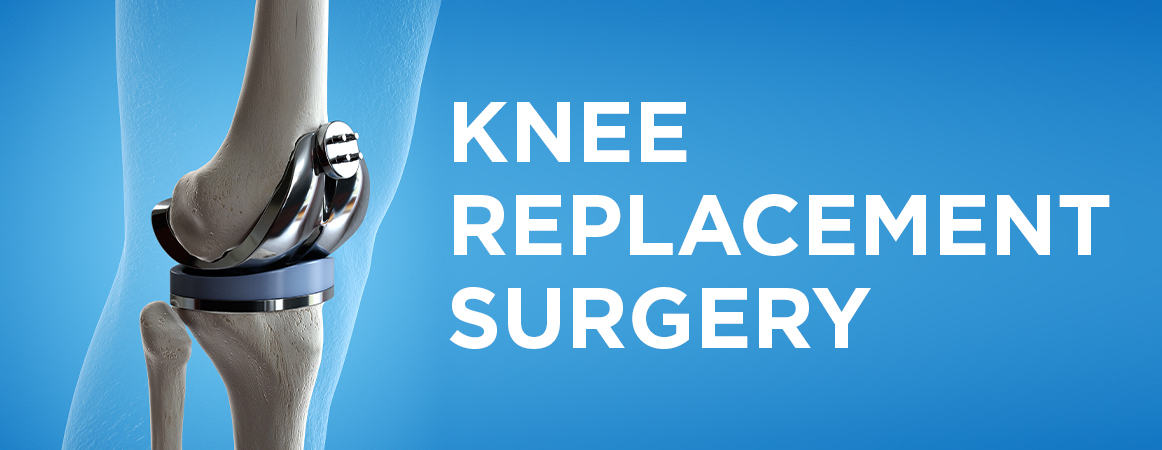
Introduction to Knee Replacement Surgery
Knee Replacement Surgery, medically known as Knee Arthroplasty, is a highly advanced orthopedic procedure designed to relieve chronic knee pain, correct deformities, and restore joint function when conservative treatments fail. The surgery involves replacing damaged or diseased portions of the knee joint-comprising the femur (thighbone), tibia (shinbone), and patella (kneecap)-with artificial implants called prostheses. These implants are typically made of durable materials such as metal alloys, ceramics, or high-grade plastics that mimic the smooth gliding movement of a natural knee joint.
This procedure has evolved significantly over the decades. Modern knee replacement surgeries are performed using minimally invasive techniques, robotic-assisted navigation, and customized implant systems, which offer greater precision, faster recovery, and longer-lasting results. It is one of the most successful surgeries in modern medicine, with over 90% of patients reporting significant improvement in pain relief and mobility.
Knee replacement is primarily recommended for patients suffering from severe osteoarthritis, rheumatoid arthritis, post-traumatic arthritis, or other degenerative joint diseases that result in cartilage loss. When the cartilage that cushions the bones wears away, the bones rub directly against each other, causing unbearable pain, stiffness, and swelling. For many, knee replacement offers a second chance at living an active, independent, and pain-free life.
Causes and Risk Factors for Knee Replacement Surgery
The main causes and risk factors leading to knee replacement surgery are progressive damage and pain in the knee joint, most often caused by chronic arthritis. When symptoms interfere with daily life and do not respond to conservative treatment, surgery becomes a viable option.
Causes / Indications for Surgery
Knee replacement surgery is typically advised when other non-surgical treatments-such as physical therapy, anti-inflammatory medications, steroid injections, or lifestyle modifications-no longer provide relief. The main causes leading to this procedure include:
-
Osteoarthritis: The most common reason for knee replacement. This age-related “wear-and-tear” condition leads to gradual breakdown of cartilage and exposure of bone surfaces.
-
Rheumatoid Arthritis: A chronic autoimmune disorder that causes inflammation of the joint lining (synovium), leading to cartilage and bone erosion.
-
Post-Traumatic Arthritis: Develops after a severe knee injury or fracture that damages cartilage or alters joint alignment.
-
Avascular Necrosis: Loss of blood supply to the knee bone causing bone death and collapse of the joint surface.
-
Deformities: Bow-legged or knock-kneed deformities that worsen over time and interfere with daily activities.
-
Failed Previous Surgery: Some patients undergo revision knee replacement due to failure of a prior implant or persistent instability.
Risk Factors
Although knee replacement surgery has a high success rate, certain factors can increase the likelihood of complications or affect long-term outcomes:
-
Obesity: Excessive body weight places stress on the new joint and may reduce implant lifespan.
-
Chronic Illnesses: Conditions like diabetes, hypertension, and cardiovascular disease can delay healing.
-
Smoking and Alcohol Use: Both negatively impact circulation and tissue repair.
-
Infections or Poor Dental Health: May increase the risk of post-surgical infection spreading to the joint.
-
Sedentary Lifestyle: Weak muscles and poor joint mobility can make rehabilitation more challenging.
-
Advanced Age: While age itself isn't a limitation, older adults may require more time to regain strength and balance.
Proper evaluation and preoperative optimization of these risk factors are crucial for safe surgery and favorable outcomes.
Symptoms and Signs Indicating the Need for Knee Replacement Surgery
Patients who eventually undergo knee replacement often experience progressive joint degeneration leading to pain and functional limitations that disrupt daily living. Recognizing these symptoms early can help determine when surgery may be appropriate.
Primary Symptoms Include:
-
Persistent Knee Pain: Chronic pain that remains even during rest or sleep.
-
Stiffness: Difficulty bending or straightening the knee fully, often worse in the morning.
-
Swelling: Recurring inflammation that does not subside with medication or ice.
-
Grinding or Cracking Sounds: Audible crepitus when moving the joint due to rough bone surfaces.
-
Instability: Feeling that the knee “gives way” while walking or standing.
-
Loss of Function: Difficulty walking, climbing stairs, kneeling, or performing routine activities.
-
Deformity: Visible bowing or angling of the leg, altering body alignment and balance.
Clinical Signs on Examination:
A physician may notice restricted range of motion, swelling, joint tenderness, instability, muscle weakness, or visible deformity. X-rays typically reveal narrowed joint space, osteophyte formation, and bone-on-bone contact, confirming severe arthritis.
When these symptoms severely affect quality of life and limit mobility, knee replacement becomes the most effective solution.
Diagnosis and Preoperative Evaluation
A thorough diagnosis ensures that knee replacement surgery is both necessary and safe. The evaluation involves multiple steps to determine the extent of joint damage and the patient's overall health.
Clinical Assessment:
The orthopedic surgeon performs a comprehensive evaluation, including medical history, pain assessment, and physical examination to check alignment, stability, muscle strength, and flexibility.
Imaging Studies:
-
X-rays: Used to assess the degree of cartilage loss, bone deformity, and joint alignment.
-
MRI Scans: Help evaluate soft tissue structures, including ligaments, tendons, and menisci.
-
CT Scans (in complex cases): Used for surgical planning, especially in patients needing custom-fit implants.
Medical and Laboratory Tests:
Before surgery, patients undergo blood work, ECG, urine analysis, and sometimes dental clearance to rule out infections. Preoperative clearance by cardiologists or internists ensures fitness for anesthesia.
Prehabilitation (“Pre-hab”):
Patients are often advised to perform strengthening exercises and lose weight before surgery. Building muscle strength before surgery significantly improves postoperative recovery.
Once all tests are complete, the surgical team discusses implant options, anesthesia type, expected recovery, and rehabilitation plans.
Treatment Options for Knee Replacement Surgery
Knee replacement surgery offers several treatment options, tailored to the patient's needs, extent of joint damage, and health status. The primary forms are total knee replacement, partial (unicompartmental) knee replacement, and a few specialized/revision approaches. The procedure provides lasting relief from pain and restores mobility when other treatments have failed.
Surgical Approaches:
Knee replacement surgery can be classified into several types depending on the extent of joint involvement and damage:
-
Total Knee Replacement (TKR): The most common procedure where both sides of the joint are replaced with artificial components.
-
Partial Knee Replacement (Unicompartmental): Only the damaged compartment of the knee (medial, lateral, or patellofemoral) is replaced, preserving healthy tissue.
-
Revision Knee Replacement: Performed when a previous implant fails or wears out over time.
-
Robotic-Assisted Knee Replacement: Advanced technology that allows precise placement of implants, improving alignment and reducing tissue damage.
Procedure Overview:
Under anesthesia, a small incision (usually 6-10 inches) is made on the front of the knee. The surgeon removes the damaged bone and cartilage and prepares the surfaces of the femur and tibia for metal implants. A high-grade plastic spacer is placed between the metal components to ensure smooth movement. The knee is tested for stability and range of motion before closing the incision.
Recovery and Rehabilitation:
-
Hospital Stay: Usually 2-4 days; some centers offer same-day discharge.
-
Pain Management: Multimodal pain control with medications and nerve blocks.
-
Physiotherapy: Begins within 24 hours post-surgery to improve mobility and prevent stiffness.
-
Walking: Most patients can walk with assistance the next day.
-
Return to Normal Activity: Light activities resume within 4-6 weeks; full recovery may take 3-6 months.
With adherence to physiotherapy and medical advice, most patients achieve long-term pain relief and improved function.
Prevention and Management Before and After Surgery
Prevention and management before and after knee replacement surgery involve a thorough multidisciplinary approach to reduce complications, optimize healing, and ensure long-term joint function and patient safety. Both preoperative and postoperative strategies are key, with a special focus on infection prevention, medical optimization, rehabilitation, and vigilant wound care.
Prevention of Knee Degeneration:
While not all joint deterioration is avoidable, adopting a knee-healthy lifestyle can delay or prevent surgical intervention:
-
Maintain ideal body weight to minimize pressure on joints.
-
Engage in low-impact exercises like swimming or cycling.
-
Avoid repetitive strain, squatting, or lifting heavy weights.
-
Use proper posture and supportive footwear.
-
Treat minor knee injuries promptly to avoid long-term damage.
Post-Surgical Management:
The success of knee replacement surgery largely depends on rehabilitation and self-care:
-
Physical Therapy: Regular exercises to strengthen muscles and restore flexibility.
-
Infection Prevention: Keep the incision clean and report any redness, drainage, or fever immediately.
-
Healthy Diet: A balanced diet rich in protein, calcium, and vitamins promotes tissue healing.
-
Regular Follow-Ups: Surgeons evaluate the implant's performance through periodic checkups and X-rays.
-
Activity Modification: Avoid high-impact sports, jumping, or running that could stress the prosthesis.
Proper management ensures the longevity of the artificial joint, which can last 15-25 years depending on lifestyle and implant type.
Complications of Knee Replacement Surgery
Although advancements have made knee replacement highly successful, no surgery is without risks. Understanding these potential complications helps patients prepare and take preventive measures.
Minor Complications:
-
Temporary pain, swelling, and bruising around the incision.
-
Numbness or tingling near the surgical site.
-
Stiffness due to scar tissue formation.
Serious Complications:
-
Infection: Though rare, deep joint infections may require additional surgery.
-
Blood Clots (DVT): Prevented through early mobilization and blood-thinning medication.
-
Implant Loosening or Wear: Over years, the prosthesis may loosen, causing pain or instability.
-
Nerve or Vessel Damage: Occurs rarely due to surgical proximity to major structures.
-
Fracture or Dislocation: Possible during or after surgery if excessive stress is applied.
-
Chronic Pain or Stiffness: Sometimes related to individual healing response or scar tissue buildup.
Fortunately, with meticulous surgical planning and proper aftercare, most of these complications can be avoided or effectively managed.
Living with the Condition After Knee Replacement Surgery
Living with a knee replacement typically means improved mobility, much less pain, and the ability to return to most daily activities-though it requires a period of rehabilitation and sensible long-term care. Most people experience substantial enhancements in quality of life but should expect a gradual process of adjustment and recovery.
Early Recovery:
During the first few weeks, patients focus on mobility training and wound healing. Assistive devices like walkers or canes are used temporarily. Swelling gradually decreases with rest, ice, and elevation.
Long-Term Outlook:
By 3-6 months, most patients experience dramatic pain relief and improved stability. Walking, climbing stairs, and performing household activities become comfortable again. The artificial joint functions much like a natural knee, allowing a return to active, independent living.
Lifestyle Adjustments:
-
Maintain an active lifestyle with low-impact activities.
-
Keep muscles strong and flexible through regular exercise.
-
Attend routine follow-ups to ensure implant longevity.
-
Avoid high-impact activities such as running or jumping.
Emotional and Psychological Benefits:
Beyond physical recovery, knee replacement surgery often restores confidence and mental well-being. Being free from chronic pain enhances sleep quality, posture, and overall happiness. Many patients describe the surgery as “life-changing,” regaining not just movement but independence and self-esteem.
Top 10 Frequently Asked Questions about Knee Replacement Surgery
1. What is Knee Replacement Surgery?
Knee Replacement Surgery, also known as Knee
Arthroplasty, is a procedure where the damaged or worn-out surfaces of
the
knee joint are replaced with artificial implants (prostheses).
It is performed to relieve chronic pain, stiffness, and reduced
mobility caused by conditions like osteoarthritis, rheumatoid
arthritis, or post-traumatic arthritis.
The artificial joint is designed to mimic the natural motion of the knee, allowing patients to regain function, move comfortably, and improve quality of life.
2. When is Knee Replacement Surgery Recommended?
Doctors may recommend knee replacement when:
-
Severe knee pain limits daily activities like walking, climbing stairs, or standing.
-
Stiffness or swelling persists despite medications or physical therapy.
-
Non-surgical treatments (injections, painkillers, lifestyle changes) no longer provide relief.
-
X-rays show advanced joint damage or bone-on-bone contact.
Knee replacement is usually the last resort after all conservative methods fail, offering long-term relief and improved mobility.
3. What Are the Types of Knee Replacement Surgery?
There are three main types of knee replacement procedures:
-
Total Knee Replacement (TKR):
-
The entire knee joint (both sides of the femur and tibia) is replaced with metal and plastic implants.
-
It's the most common type.
-
-
Partial (Unicompartmental) Knee Replacement:
-
Only the damaged part of the knee is replaced, preserving healthy bone and cartilage.
-
Best for patients with damage limited to one side of the joint.
-
-
Bilateral Knee Replacement:
-
Both knees are replaced at the same time (simultaneous) or in two separate surgeries (staged).
-
Your orthopedic surgeon will recommend the right type based on your age, health, lifestyle, and extent of joint damage.
4. How is Knee Replacement Surgery Performed?
The procedure is performed under spinal or general anesthesia and typically takes 1-2 hours.
Here's how it's done:
-
The surgeon makes an incision over the knee to access the joint.
-
Damaged cartilage and bone are removed from the femur and tibia.
-
The surfaces are reshaped to fit the artificial components.
-
The metal and plastic implants are fixed in place.
-
The incision is closed, and the knee is bandaged.
Modern techniques such as computer-assisted or robotic knee replacement enhance accuracy and recovery outcomes.
5. What Are the Benefits of Knee Replacement Surgery?
The key benefits include:
-
Significant reduction or elimination of pain.
-
Improved knee movement and flexibility.
-
Better alignment and stability of the leg.
-
Enhanced quality of life and independence.
-
Long-lasting results - implants can last 15-20 years or longer.
Patients usually report being able to walk comfortably, perform daily tasks, and even resume low-impact activities like swimming or cycling.
6. What is the Recovery Process After Knee Replacement?
Recovery from knee replacement varies but typically follows this timeline:
-
Hospital stay: 2-3 days (sometimes same-day discharge for minimally invasive cases).
-
Walking with assistance: Within 24-48 hours.
-
Physical therapy: Begins soon after surgery to restore strength and motion.
-
Return to routine activities: In 4-6 weeks.
-
Full recovery: Around 3-6 months.
Rehabilitation is crucial-consistent physiotherapy helps improve flexibility, balance, and endurance, ensuring long-term success.
7. Are There Any Risks or Complications of Knee Replacement?
Knee replacement is a safe and well-established procedure, but as with any major surgery, risks include:
-
Infection at the surgical site.
-
Blood clots (deep vein thrombosis).
-
Implant loosening or wear over time.
-
Joint stiffness or reduced range of motion.
-
Temporary pain or swelling.
-
Nerve or blood vessel injury (rare).
These complications are uncommon and can be minimized with skilled surgical care and proper post-operative management.
8. How Long Do Knee Implants Last?
Modern knee implants are designed to last 15 to 20 years or more, depending on factors like:
-
Patient's age and activity level.
-
Weight and general health.
-
Implant quality and surgical technique.
-
Post-surgical care and lifestyle choices.
Following your doctor's guidance on exercise, weight management, and avoiding high-impact sports can help extend the lifespan of the implant.
9. What Lifestyle Changes Are Needed After Knee Replacement?
After surgery, maintaining a healthy lifestyle plays a vital role in long-term success. Patients are encouraged to:
-
Follow physiotherapy exercises regularly.
-
Avoid high-impact activities like running or jumping.
-
Maintain a healthy body weight to reduce joint stress.
-
Use assistive devices (if needed) during early recovery.
-
Attend regular follow-up appointments to monitor implant health.
Many patients can return to normal life, enjoying pain-free mobility and independence for years after the surgery.
10. How Much Does Knee Replacement Surgery Cost?
The cost of knee replacement depends on several factors:
-
Type of surgery (total, partial, or bilateral).
-
Hospital and surgeon's expertise.
-
Implant brand and quality.
-
Room category and post-surgery care.
In India, the cost typically ranges between
₹1,80,000 and ₹3,50,000 per
knee, whereas in Western countries,
it may range from $15,000 to
$30,000.
Many insurance plans cover total knee
replacement when it is medically
necessary.