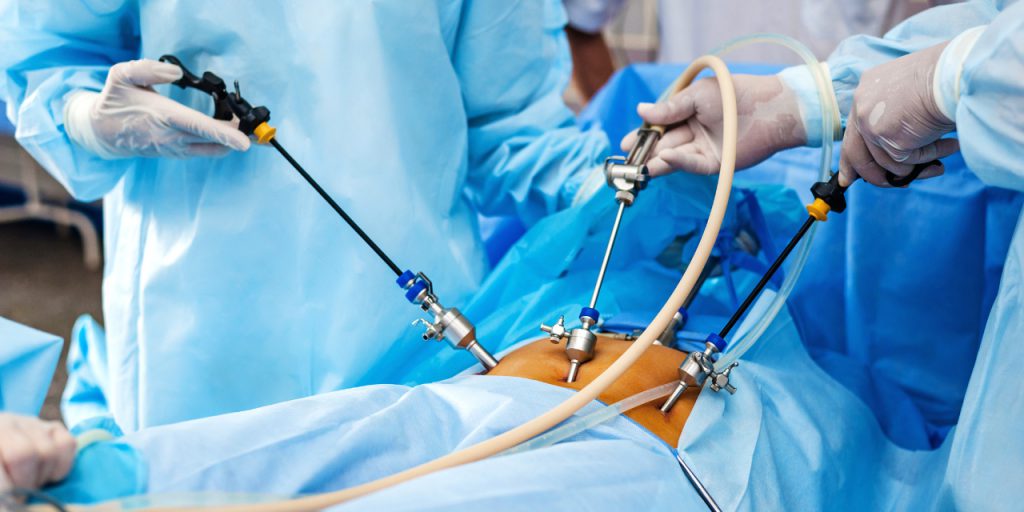
Introduction to Laparoscopic Assisted Intestinal Resection
Laparoscopic Assisted Intestinal Resection is a minimally invasive surgical procedure used to remove a diseased or damaged portion of the intestine. It combines the precision of laparoscopy - which uses small incisions, a camera, and fine surgical instruments - with the flexibility of a short open incision to complete certain steps, such as removing the resected bowel segment or creating a connection between the two healthy ends. This approach allows surgeons to treat intestinal disorders effectively while minimizing trauma to the abdominal wall and ensuring faster recovery for patients.
This procedure is commonly performed to manage conditions such as colorectal cancer, diverticular disease, Crohn's disease, ulcerative colitis, intestinal blockages, and trauma. By removing the affected section and reconnecting the healthy ends (a process known as anastomosis), the surgery aims to restore normal intestinal continuity and function. The laparoscopic approach offers several benefits over traditional open surgery - smaller scars, reduced blood loss, lower postoperative pain, shorter hospital stays, and quicker return to normal daily activities.
Over the past decade, laparoscopic intestinal surgery has become the preferred technique in many specialized centers. It reflects a modern shift toward precision-based, minimally invasive techniques that provide optimal outcomes with less physiological stress on the patient.
Causes and Risk Factors for Laparoscopic Assisted Intestinal Resection
The need for laparoscopic assisted intestinal resection typically arises from conditions that compromise the structure or function of the bowel. The causes can range from malignant growths to chronic inflammatory diseases and mechanical obstructions.
Common causes include:
-
Colorectal Cancer: The most frequent reason for intestinal resection. Tumors in the colon or rectum can block the passage of stool, cause bleeding, or spread if not surgically removed.
-
Inflammatory Bowel Disease (IBD): Chronic conditions like Crohn's disease or ulcerative colitis may lead to intestinal damage, strictures, or fistulas that require surgical intervention.
-
Diverticulitis: Repeated inflammation of small pouches (diverticula) in the colon wall can cause scarring and narrowing, necessitating removal of the affected area.
-
Bowel Obstruction: Caused by adhesions (scar tissue from previous surgeries), hernias, tumors, or volvulus (twisting of the bowel) that restrict intestinal movement.
-
Trauma or Injury: Severe abdominal trauma may damage intestinal segments, requiring emergency resection.
-
Ischemic Bowel Disease: Poor blood supply due to blocked arteries can lead to tissue death, which must be surgically removed.
Risk factors for requiring intestinal resection include:
-
Advanced age and chronic illness that compromise gut function.
-
Obesity, which increases abdominal pressure and surgical difficulty.
-
History of abdominal surgeries, leading to adhesions.
-
Poor dietary habits, including low-fiber intake.
-
Genetic predisposition to colorectal cancer or inflammatory bowel disorders.
Recognizing these risk factors and addressing them early - through lifestyle modification, screening colonoscopies, and medical management - can help prevent the progression of disease to the point where surgery becomes necessary.
Symptoms and Signs Indicating the Need for Surgery
The symptoms leading to laparoscopic assisted intestinal resection depend on the underlying disease but generally revolve around altered bowel habits, abdominal discomfort, and systemic signs of intestinal dysfunction.
Common symptoms include:
-
Persistent abdominal pain: Continuous or cramping pain that worsens after meals or during bowel movements.
-
Changes in bowel habits: Constipation, diarrhea, alternating bowel patterns, or inability to pass gas or stool (a sign of obstruction).
-
Rectal bleeding: Blood in the stool or black tarry stools indicating gastrointestinal bleeding.
-
Unexplained weight loss: Often associated with malignancies or advanced inflammatory bowel disease.
-
Fatigue and weakness: Resulting from chronic blood loss, malnutrition, or systemic inflammation.
-
Bloating and distension: Due to trapped gas or intestinal blockage.
Physical findings and diagnostic signs may include:
-
Abdominal tenderness or palpable mass.
-
Visible distension or surgical scars from prior procedures.
-
Abnormal bowel sounds (either reduced or hyperactive).
-
Laboratory findings such as anemia, low protein levels, or elevated inflammatory markers.
When these symptoms persist despite medical treatment, or if there are complications like obstruction, perforation, or suspected malignancy, surgical resection becomes the recommended course of action.
Diagnosis Before Laparoscopic Assisted Intestinal Resection
Before performing laparoscopic assisted intestinal resection, a comprehensive diagnostic work-up is required to identify the diseased segment, evaluate overall intestinal function, and ensure the patient is fit for surgery.
Key diagnostic steps include:
-
Detailed Medical History and Examination: Assess the patient's symptoms, duration, prior surgeries, and comorbidities.
-
Blood Tests: Evaluate for anemia, infection, inflammation, and nutritional deficiencies.
-
Imaging Studies:
-
CT Scan: Provides cross-sectional images of the intestines, identifying blockages, tumors, or abscesses.
-
MRI: Useful for soft-tissue assessment, particularly in cases of Crohn's disease or rectal cancer.
-
Ultrasound: May help detect masses or fluid accumulation.
-
-
Endoscopic Evaluation: Colonoscopy or enteroscopy allows direct visualization of the intestinal lining and biopsy of abnormal areas.
-
Urodynamic or functional tests: In specific cases, used to assess bowel motility or evaluate chronic obstruction patterns.
-
Preoperative Assessment: Includes cardiac, pulmonary, and anesthesia clearance, as well as nutritional and psychological evaluation to optimize surgical outcomes.
A multidisciplinary approach involving gastroenterologists, radiologists, and surgeons ensures accurate diagnosis and the best surgical plan tailored to the patient's condition.
Treatment Options for Laparoscopic Assisted Intestinal Resection
Treatment strategies depend on the underlying cause of intestinal disease, but when surgical resection is indicated, the laparoscopic assisted approach offers an excellent balance between precision and minimally invasive recovery.
Overview of treatment steps:
-
The patient is placed under general anesthesia.
-
Small incisions are made in the abdomen to insert a laparoscope (camera) and specialized instruments.
-
The surgeon carefully separates the affected segment of the intestine, removing any blood supply feeding the diseased tissue.
-
The segment is then exteriorized through a small incision for removal, and the healthy ends of the intestine are rejoined (anastomosis).
-
The abdomen is inspected laparoscopically to ensure there are no leaks or bleeding before closing the incisions.
Advantages of the laparoscopic assisted approach include:
-
Smaller incisions and reduced postoperative pain.
-
Less bleeding and faster bowel recovery.
-
Shorter hospital stays and quicker return to normal activities.
-
Better cosmetic results and fewer wound complications.
-
Lower risk of infection compared to open surgery.
Alternative approaches:
-
Open intestinal resection: Recommended for extensive disease, large tumors, or severe adhesions.
-
Pure laparoscopic or robotic resection: Performed entirely inside the abdomen using advanced instruments and technology, available in specialized centers.
-
Non-surgical management: In mild or early-stage disease, medical therapy and dietary modifications may control symptoms.
The choice of treatment depends on the nature of the disease, the patient's overall health, and the surgeon's expertise.
Prevention and Management Before and After Surgery
While not all intestinal diseases can be prevented, many lifestyle and medical interventions can reduce risk or slow progression.
Prevention strategies include:
-
Adopting a high-fiber, balanced diet to promote healthy digestion.
-
Avoiding excessive red meat, processed foods, and alcohol.
-
Maintaining a healthy weight and regular exercise routine.
-
Undergoing regular colon cancer screening starting at age 45 or earlier if there is a family history.
-
Managing chronic diseases like diabetes or inflammatory bowel disease under medical supervision.
-
Quitting smoking and reducing stress, both of which can worsen intestinal conditions.
Preoperative management:
-
Optimizing nutrition and hydration.
-
Stopping smoking and alcohol before surgery.
-
Discussing medications with your surgeon, especially blood thinners or anti-inflammatory drugs.
Postoperative management:
-
Gradual diet advancement from clear fluids to solids as bowel function returns.
-
Early ambulation to prevent blood clots and promote recovery.
-
Pain management and wound care as directed by the healthcare team.
-
Avoiding strenuous activity for several weeks to allow internal healing.
-
Regular follow-ups to monitor for recurrence, infection, or nutritional deficiencies.
Comprehensive care before and after surgery ensures smooth recovery and minimizes complications.
Complications of Laparoscopic Assisted Intestinal Resection
Like any surgical procedure, laparoscopic assisted intestinal resection carries potential risks. However, with proper planning and postoperative care, most complications can be avoided or effectively managed.
Possible complications include:
-
Bleeding: Either during or after surgery, though the laparoscopic approach reduces this risk.
-
Infection: At incision sites or within the abdominal cavity.
-
Anastomotic Leak: A rare but serious complication where the rejoined intestinal ends leak digestive fluid, requiring prompt attention.
-
Postoperative Ileus: Temporary paralysis of bowel movement leading to bloating and nausea.
-
Blood Clots (Deep Vein Thrombosis): Prevented by early mobilization and compression devices.
-
Adhesion Formation: Scar tissue that may cause future bowel obstruction.
-
Conversion to Open Surgery: In cases of difficult anatomy or unexpected findings.
Risk factors for complications include:
-
Advanced age, poor nutritional status, obesity, smoking, and history of previous abdominal surgeries.
-
Extensive disease involvement or emergency surgery setting.
Modern surgical techniques, enhanced recovery protocols, and careful patient selection have greatly reduced complication rates in laparoscopic intestinal surgery.
Living with the Condition Before and After Surgery
Living with an intestinal disease can be physically and emotionally challenging. Patients may experience chronic pain, dietary restrictions, and anxiety about their health. Laparoscopic assisted intestinal resection often provides relief and a significant improvement in quality of life.
Before surgery:
-
Focus on preparing both physically and mentally. Maintain a balanced diet, manage stress, and follow your doctor's instructions regarding medications and lifestyle adjustments.
-
Discuss surgical expectations with your surgeon, including recovery time and possible dietary changes after surgery.
After surgery:
-
Most patients can resume light activity within 1-2 weeks and return to normal routines in 4-6 weeks.
-
Continue a nutritious, fiber-rich diet and stay hydrated to promote bowel regularity.
-
Avoid smoking and limit alcohol, as they can slow healing and increase recurrence risk.
-
Attend follow-up visits for monitoring of bowel function, wound healing, and disease recurrence.
-
Emotional recovery is just as important; support from family, friends, or patient groups can be invaluable.
Long-term outlook:
With proper surgical care, lifestyle changes, and regular medical monitoring,
most patients achieve lasting relief from symptoms and return to a full, active
life. The laparoscopic assisted approach ensures quicker recovery and less
disruption to daily living, allowing patients to regain control over their
health and well-being.
Top 10 Frequently Asked Questions about Laparoscopic Assisted Intestinal Resection
1. What is laparoscopic-assisted intestinal resection?
Laparoscopic-assisted intestinal resection is a minimally invasive surgical procedure
where a part of the small or large intestine is removed ("resection") and the remaining
segments are re-connected. The "laparoscopic-assisted" part means the surgeon uses small
incisions and a camera (laparoscope) to conduct much of the operation, with a small
incision for removal of the bowel segment and reconnection.
This approach is used to treat conditions such as tumors, strictures, obstruction, or
inflammatory disease affecting the intestine.
2. When is this type of surgery recommended?
This procedure is typically recommended when:
-
A diseased portion of the intestine (small bowel or colon) cannot be treated by non-surgical methods.
-
Conditions such as colon cancer, large polyps not removable endoscopically, Crohn's disease strictures, bowel obstruction, diverticular disease complications exist.
-
The patient is a suitable candidate for minimally invasive surgery (good general health, manageable prior surgeries or adhesions).
The laparoscopic approach offers advantages in terms of recovery and less trauma compared with traditional open surgery.
3. How is the laparoscopic-assisted intestinal resection performed?
Here's a general outline of the procedure:
-
Under general anesthesia, several small incisions (ports) are made in the abdomen for the laparoscope and instruments.
-
The abdominal cavity is gently inflated with gas to create working space and allow visualization of the intestines.
-
The diseased bowel segment is located, mobilized, blood supply is managed, and then the segment is removed - often through a slightly larger incision (though much smaller than an open surgery).
-
The healthy ends of the intestine are re-connected (anastomosis) either inside the abdomen or through the small incision.
-
The small incisions are closed; the patient is transferred to recovery.
4. What are the benefits of the laparoscopic-assisted approach compared to open surgery?
Key benefits include:
-
Smaller incisions → less post-operative pain and better cosmetic result.
-
Faster return of bowel function (gas, stool) and earlier ability to eat.
-
Shorter hospital stay and quicker return to normal activities.
-
Reduced risk of large wound complications (such as hernia).
For properly selected patients, these advantages make the laparoscopic-assisted approach a favourable option.
5. What are the risks and possible complications of this surgery?
As with any major surgery, there are risks. For laparoscopic-assisted intestinal resection, possible complications include:
-
Bleeding, infection, blood clots.
-
Anastomotic leak (where the reconnection leaks), which is serious.
-
Injury to nearby organs (small bowel, large bowel, bladder, ureters, blood vessels).
-
Conversion to an open surgery if laparoscopic access is not feasible (for example due to adhesions, patient anatomy, bleeding).
-
Delayed return of bowel function, ileus (intestinal slowing), or longer recovery in some cases.
Your surgeon will discuss your individual risk profile.
6. What is the typical recovery timeline?
While recovery varies depending on the extent of surgery, patient health, and whether it's small or large bowel:
-
Many patients begin walking the day after surgery to boost circulation and bowel function.
-
Bowel function (passing gas, stool) often returns faster than open surgery - sometimes within a day or two.
-
Hospital stay may be shorter (often 2-5 days, depending).
-
Full return to normal activity might take several weeks (often 4-6 weeks, though simple cases may be quicker).
During recovery you'll gradually resume diet, increase activity, and be monitored for complications.
7. Will I still need diet changes or bowel function changes after the surgery?
Yes, post-operative changes are common. You may:
-
Start with clear liquids, then progress to soft foods, then regular diet as tolerated.
-
Be advised to avoid straining or heavy lifting for a period of time.
-
In some cases (especially large resections or in inflammatory bowel disease), you may need long-term dietary adjustments, supplements, or monitoring of nutritional status.
Your surgical and nutrition teams will provide personalized guidance.
8. How long will the incision(s) and scars be, and what about pain control?
Because the laparoscopic-assisted approach uses small incisions, you can expect:
-
A few (often 3-5) small port incisions (usually a few millimetres to around a centimetre).
-
One slightly larger incision for removal of the bowel segment (though still much smaller than a traditional open laparotomy).
Pain is generally less than open surgery, and pain control protocols (pain medications, early ambulation) are used. As bowel function returns and ambulation increases, discomfort typically decreases quickly.
9. Are there situations where laparoscopic-assisted surgery may not be suitable?
Yes. Some factors may lead the surgeon to select an open surgery instead or convert during operation:
-
Extensive prior abdominal surgeries with severe internal adhesions.
-
Large tumour burden or complex anatomy that limits laparoscopic access.
-
Emergency situations like massive bleeding or bowel perforation where speed is required.
-
Very high body mass index (BMI) or other health issues that make laparoscopic access challenging.
A pre-operative evaluation will determine if you are a good candidate for the laparoscopic route.
10. What questions should I ask my surgeon before having the procedure?
To be well prepared, ask your surgeon things like:
-
What exactly will be removed, and what is the reason for it?
-
Is the laparoscopic-assisted approach planned, or is there a chance of conversion to open surgery?
-
What is the expected recovery timeline in my case?
-
What are the risks specific to my health, and how will complications be handled?
-
What happens to my diet and bowel function long-term?
-
Will I need any follow-up treatments, such as nutritional support or further surgery?