Introduction to Laparoscopic Colon Surgery
Laparoscopic colon surgery is a minimally invasive surgical procedure used to treat diseases of the colon (large intestine). The colon plays a vital role in the digestive system by absorbing water and electrolytes and processing waste for elimination. When diseases such as colon cancer, diverticulitis, inflammatory bowel disease, or polyps damage or obstruct parts of the colon, surgical removal (colectomy) becomes necessary.
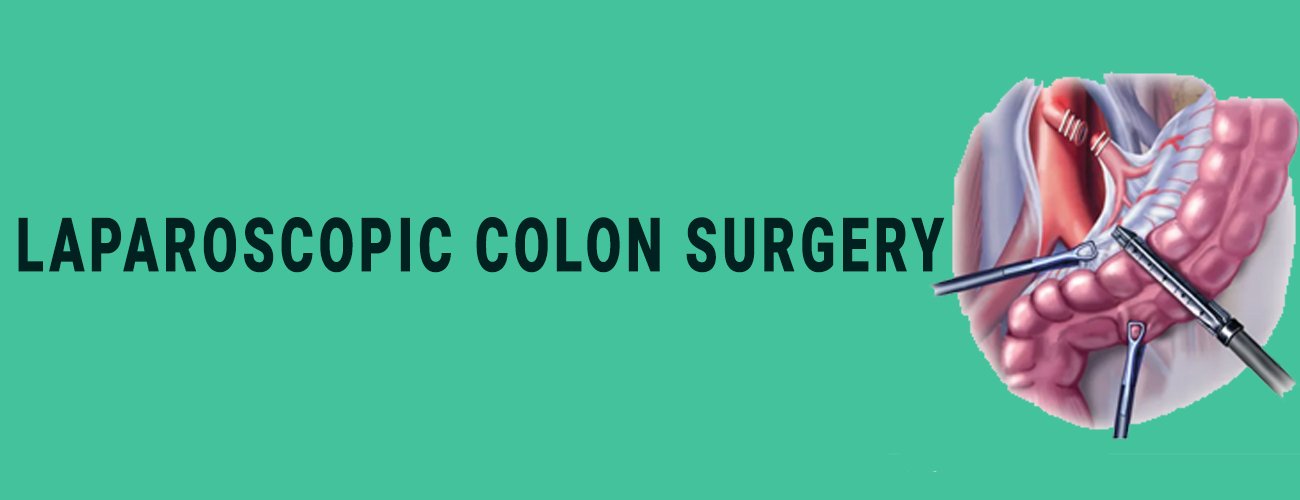
Unlike traditional open surgery, where a large incision is made in the abdomen, laparoscopic colon surgery is performed through small keyhole incisions using a laparoscope - a thin, lighted camera that allows the surgeon to view internal organs on a screen. Surgical instruments are inserted through other small ports to perform the operation. The diseased portion of the colon is removed, and the healthy ends are reconnected (anastomosis).
This modern surgical technique offers many advantages, including smaller incisions, less postoperative pain, faster recovery, reduced hospital stays, and better cosmetic outcomes. In most cases, patients can return to normal activities within a few weeks. Laparoscopic colon surgery has become a preferred method for many colon conditions due to its safety, precision, and long-term effectiveness.
Causes and Risks Necessitating Laparoscopic Colon Surgery
Laparoscopic colon surgery is typically performed to treat diseases or conditions that affect the function and integrity of the colon. These conditions may be benign (non-cancerous) or malignant (cancerous) in nature.
Common causes requiring laparoscopic colon surgery include:
-
Colon Cancer: One of the leading causes of intestinal surgery. Cancerous tumors can block the colon or spread if not removed. Early detection and minimally invasive surgery greatly improve survival rates.
-
Diverticular Disease: Small pouches (diverticula) may form in the colon wall and become inflamed or infected (diverticulitis), sometimes causing abscesses, perforation, or chronic pain that require surgical removal of the affected section.
-
Inflammatory Bowel Disease (IBD): Conditions such as Crohn's disease or ulcerative colitis can cause chronic inflammation, strictures, and bleeding that may necessitate resection.
-
Colon Polyps: Large or multiple precancerous polyps that cannot be safely removed by colonoscopy may require surgical excision.
-
Intestinal Obstruction: Due to scar tissue (adhesions), hernias, or twisting of the bowel (volvulus), which restrict bowel movement.
-
Ischemic Colitis: Reduced blood supply to the colon may cause tissue death, requiring partial removal.
-
Trauma or Injury: Severe abdominal injury damaging the colon may need urgent repair or resection.
Risk factors for developing colon diseases include:
-
A diet low in fiber and high in red or processed meat.
-
Obesity and sedentary lifestyle.
-
Smoking and excessive alcohol consumption.
-
Family history of colon cancer or inflammatory bowel disease.
-
Aging - risk increases significantly after 50 years of age.
-
Chronic constipation or history of colon polyps.
Understanding these causes and risk factors helps in both prevention and early detection, improving surgical outcomes and long-term colon health.
Symptoms and Signs Indicating Need for Surgery
The symptoms that lead to laparoscopic colon surgery depend on the underlying disease affecting the colon. Patients often experience a combination of digestive disturbances, abdominal discomfort, and systemic symptoms.
Common symptoms include:
-
Chronic Abdominal Pain: Persistent cramping or discomfort in the lower abdomen that may worsen after meals or bowel movements.
-
Changes in Bowel Habits: Alternating diarrhea and constipation, narrow stools, or incomplete bowel movements.
-
Blood in Stool: Bright red or dark tarry stools may indicate bleeding from polyps, ulcers, or cancer.
-
Unexplained Weight Loss: A significant red flag for malignancy or chronic intestinal inflammation.
-
Persistent Fatigue and Weakness: Often linked to anemia from blood loss or poor nutrient absorption.
-
Abdominal Bloating and Distension: Due to gas buildup or obstruction.
-
Fever and Infection Signs: Especially in diverticulitis or inflammatory conditions.
Physical examination findings may include:
-
Tenderness or palpable mass in the abdomen.
-
Abdominal distension or signs of bowel obstruction.
-
Dehydration, weight loss, or malnutrition.
These symptoms, when persistent or worsening, often prompt further diagnostic evaluation to determine if surgical intervention is needed. Timely diagnosis and treatment can prevent complications and improve long-term health outcomes.
Diagnosis Before Laparoscopic Colon Surgery
Before recommending laparoscopic colon surgery, a thorough diagnostic evaluation is performed to identify the cause and extent of the colon disease. The diagnostic process ensures that the surgery is appropriate and tailored to the patient's condition.
Diagnostic evaluations include:
-
Medical History and Physical Examination: The doctor will assess symptoms, family history, previous gastrointestinal issues, and overall health.
-
Laboratory Tests: Blood tests are conducted to evaluate anemia, infection, and organ function. Stool tests may detect blood or infection.
-
Colonoscopy: A thin, flexible tube with a camera is inserted into the colon to visualize its lining and collect biopsies. This is the gold standard for detecting tumors, polyps, or inflammation.
-
CT Scan or MRI: Imaging studies help determine the exact location, size, and spread of disease, especially for cancer or obstruction.
-
CT Colonography (Virtual Colonoscopy): Provides a detailed 3D view of the colon for detecting abnormalities.
-
Barium Enema X-Ray: Occasionally used to evaluate bowel structure when endoscopy is not possible.
-
Preoperative Evaluation: Includes assessment of heart, lungs, and general fitness to ensure safe anesthesia and recovery.
Once the diagnosis is confirmed, the surgeon discusses the findings, explains surgical options, and prepares the patient through a preoperative bowel-cleansing regimen and nutritional guidance.
Treatment Options: Laparoscopic Colon Surgery Procedure
Laparoscopic colon surgery involves removing the diseased segment of the colon and reconnecting the remaining healthy ends. The procedure is performed under general anesthesia and typically lasts two to four hours, depending on the complexity and extent of disease.
Surgical steps include:
-
Small Incisions: The surgeon makes 3-5 small incisions in the abdomen.
-
Insertion of Laparoscope and Instruments: A camera-equipped laparoscope provides a high-definition view of the colon on a monitor.
-
Mobilization of the Colon: The affected section of the colon is gently separated from surrounding tissues and blood vessels using specialized tools.
-
Resection: The diseased portion of the colon is removed through a small incision.
-
Anastomosis: The two healthy ends of the colon are reconnected to restore bowel continuity.
-
Inspection and Closure: The surgeon ensures there is no bleeding or leakage before closing the small incisions with sutures or surgical glue.
Advantages of laparoscopic colon surgery:
-
Minimal scarring and less postoperative pain.
-
Reduced risk of infection and complications.
-
Shorter hospital stay (typically 3-5 days).
-
Faster return to normal bowel function and physical activity.
-
Better cosmetic outcomes and improved quality of life.
Alternative surgical options:
-
Open Colectomy: In cases of extensive disease or prior surgeries causing adhesions.
-
Robotic-Assisted Colon Surgery: Offers even greater precision and flexibility but may not be available in all centers.
-
Segmental Resection vs Total Colectomy: Depending on how much of the colon is affected.
After surgery, patients are closely monitored for bowel activity, wound healing, and recovery before discharge.
Prevention and Management Before and After Surgery
Prevention and proper management play a critical role in the success of laparoscopic colon surgery and long-term colon health.
Prevention and risk reduction:
-
Maintain a balanced diet rich in fiber, fruits, and vegetables.
-
Reduce consumption of red meat and processed foods.
-
Quit smoking and limit alcohol intake.
-
Exercise regularly to improve bowel motility.
-
Stay hydrated and manage stress.
-
Undergo regular colon screenings, especially after age 45 or with a family history of colon disease.
Preoperative management:
-
Adhere to a pre-surgery diet and bowel cleansing regimen.
-
Avoid certain medications (e.g., blood thinners) as directed by the doctor.
-
Manage chronic diseases like diabetes or hypertension before surgery.
-
Stop smoking several weeks before the procedure.
Postoperative management:
-
Begin walking soon after surgery to prevent blood clots and aid bowel recovery.
-
Gradually transition from liquids to a normal diet as bowel function returns.
-
Keep incisions clean and dry; monitor for signs of infection.
-
Avoid heavy lifting for 4-6 weeks post-surgery.
-
Follow a high-protein diet to support healing.
-
Attend all follow-up appointments for wound checks and further evaluations.
Proper care before and after surgery ensures faster recovery and reduces the risk of complications.
Complications of Laparoscopic Colon Surgery
While laparoscopic colon surgery is generally safe, as with any major operation, certain risks and complications can occur.
Possible complications include:
-
Bleeding: During or after surgery, though typically minimal with laparoscopic techniques.
-
Infection: Of the wound or within the abdominal cavity.
-
Anastomotic Leak: Leakage at the site where the colon is reconnected; requires prompt attention.
-
Postoperative Ileus: Temporary slowing of bowel movement causing bloating and nausea.
-
Blood Clots: Formation of clots in the legs (deep vein thrombosis) or lungs (pulmonary embolism).
-
Conversion to Open Surgery: If visibility is limited or complications arise during laparoscopy.
-
Incisional Hernia: May occur later at the incision site.
Risk factors for complications:
-
Older age, obesity, or poor nutrition.
-
Smoking or chronic lung disease.
-
Extensive previous abdominal surgeries.
-
Advanced or widespread disease.
Most complications are rare and manageable with prompt medical care. Modern techniques, experienced surgeons, and enhanced recovery protocols have made laparoscopic colon surgery highly safe and effective.
Living with the Condition Before and After Surgery
Before lamellar keratoplasty, living with corneal disease (such as keratoconus or stromal scarring) often means significant daily limitations in vision, quality of life, and mental health. Many people experience increasing dependence, emotional distress, and the inability to pursue work, studies, or social life as usual.
Before surgery:
Living with colon disease can be challenging. Patients often face abdominal pain, irregular bowel habits, and emotional distress. Dietary restrictions and fear of serious illness can affect quality of life. Preparing mentally and physically for surgery - including following medical advice and discussing concerns openly - is essential for positive outcomes.
After surgery:
Recovery from laparoscopic colon surgery is typically faster than open surgery. Most patients can walk within a day, start a liquid diet, and gradually return to solid foods within a few days. Light activities can be resumed in about two weeks, and full recovery is expected within 4-6 weeks.
Lifestyle adjustments post-surgery:
-
Eat smaller, balanced meals and avoid heavy or greasy foods initially.
-
Drink plenty of fluids to prevent dehydration.
-
Gradually reintroduce fiber to the diet.
-
Avoid smoking, alcohol, and stress to protect colon health.
-
Maintain a positive mindset and follow rehabilitation exercises if prescribed.
Long-term living:
Patients can lead normal, active lives after surgery. Regular follow-up visits, periodic colonoscopies, and attention to diet and exercise are key to maintaining good digestive health. Many patients report improved comfort, relief from chronic pain, and restored confidence after surgery.
Top 10 Frequently Asked Questions about Laparoscopic Colon Surgery
1. What is laparoscopic colon surgery?
Laparoscopic colon surgery is a minimally invasive surgical technique used to treat diseases or conditions affecting the colon (large intestine). Instead of a large open incision, surgeons make several small incisions in the abdomen to insert a camera (laparoscope) and specialized instruments. The diseased portion of the colon is removed, and the healthy ends are reconnected (anastomosis). In some cases, a stoma may be created if immediate reconnection is not possible. This approach generally results in less post-operative pain, faster recovery, and smaller scars compared to traditional open surgery.
2. When is laparoscopic colon surgery recommended?
This procedure is typically recommended for patients with conditions such as:
-
Colon cancer that requires removal of the affected segment.
-
Large polyps that cannot be removed through endoscopy.
-
Complications of diverticular disease, including recurrent infection or inflammation.
-
Inflammatory bowel disease such as Crohn's disease or ulcerative colitis when medical management is insufficient.
-
Obstructions or strictures of the colon causing difficulty in bowel movements.
The suitability of this surgery depends on the patient's overall health, anatomy, and the location and extent of colon disease.
3. What are the benefits of the laparoscopic approach compared to open surgery?
Laparoscopic colon surgery offers several advantages:
-
Smaller incisions, leading to less post-operative pain and quicker healing.
-
Shorter hospital stay and faster return to daily activities.
-
Faster recovery of bowel function, allowing patients to resume eating sooner.
-
Reduced risk of infection and complications associated with large incisions.
-
Improved cosmetic outcome due to minimal scarring.
For many patients, these benefits make laparoscopic surgery the preferred choice when feasible.
4. Who is a suitable candidate, and who may not be?
Ideal candidates are those who need colon surgery and are medically fit for general
anesthesia and minimally invasive surgery.
Patients who may not be suitable include:
-
Those with extensive prior abdominal surgeries, which may have caused dense scar tissue (adhesions).
-
Patients with very large tumors or complex anatomy that limit laparoscopic access.
-
Individuals with severe comorbidities making general anesthesia or surgery high-risk.
-
Patients in emergency situations where rapid access is necessary.
5. How is laparoscopic colon surgery performed?
The procedure generally involves the following steps:
-
General anesthesia is administered for patient comfort and safety.
-
Several small abdominal incisions (usually 3-5) are made.
-
The abdominal cavity is inflated with carbon dioxide gas to create space for visualization and instrument movement.
-
The surgeon identifies and mobilizes the diseased colon segment.
-
The blood supply is carefully managed, and the diseased segment is removed through a slightly larger incision.
-
The healthy ends of the colon are reconnected (anastomosis) or a stoma is created if necessary.
-
The incisions are closed, and the patient is transferred to recovery.
6. What is the recovery timeline after surgery?
Recovery varies depending on the extent of surgery and overall health:
-
Hospital stay: typically 2-5 days for uncomplicated laparoscopic procedures.
-
Bowel function: passing gas and stool usually returns within a day or two.
-
Activity: light activities can often be resumed within 1-2 weeks; full return to normal work or exercise may take 4-6 weeks.
-
Patients are advised to follow a gradual diet progression, avoid heavy lifting, and follow post-operative care instructions closely.
7. What are the potential risks and complications?
Though laparoscopic colon surgery is generally safe, risks include:
-
Bleeding and infection at the incision or internally.
-
Anastomotic leak, where the reconnection of the colon leaks, which can be serious.
-
Injury to nearby organs such as the small intestine, bladder, or ureters.
-
Conversion to open surgery if laparoscopic access is difficult.
-
Adhesions or scar tissue formation, which can cause bowel obstruction later.
-
General risks of anesthesia, including blood clots or pneumonia.
8. What dietary and lifestyle changes are recommended after surgery?
-
Patients usually start with clear liquids, progress to soft foods, and then a regular diet as tolerated.
-
Avoid heavy lifting, strenuous exercise, or straining for several weeks.
-
Walking and gentle activity are encouraged early to stimulate bowel function and reduce blood clot risk.
-
Long-term dietary modifications, such as a high-fiber diet, may be recommended depending on the type and extent of colon resection.
-
Patients should monitor for any changes in bowel habits and report unusual symptoms to their healthcare provider promptly.
9. Will I require a stoma or additional treatment afterward?
A stoma may be required temporarily if the colon ends cannot be safely reconnected
immediately, or permanently in select cases.
Further treatments may include:
-
Chemotherapy or radiation if the surgery was performed for colon cancer.
-
Ongoing medical management for inflammatory bowel disease.
-
Nutritional support or dietary guidance to maintain proper bowel function.
10. What questions should I ask my surgeon before undergoing laparoscopic colon surgery?
It is important to ask:
-
Which part of my colon will be removed and why.
-
Why laparoscopic surgery is recommended in my case, and the likelihood of conversion to open surgery.
-
Expected recovery timeline, including hospital stay, diet progression, and return to work.
-
Specific risks for me given my health history.
-
Will I need a stoma, temporary or permanent?
-
Post-operative care instructions, diet modifications, and activity restrictions.
-
Long-term follow-up requirements and monitoring for recurrence or complications.