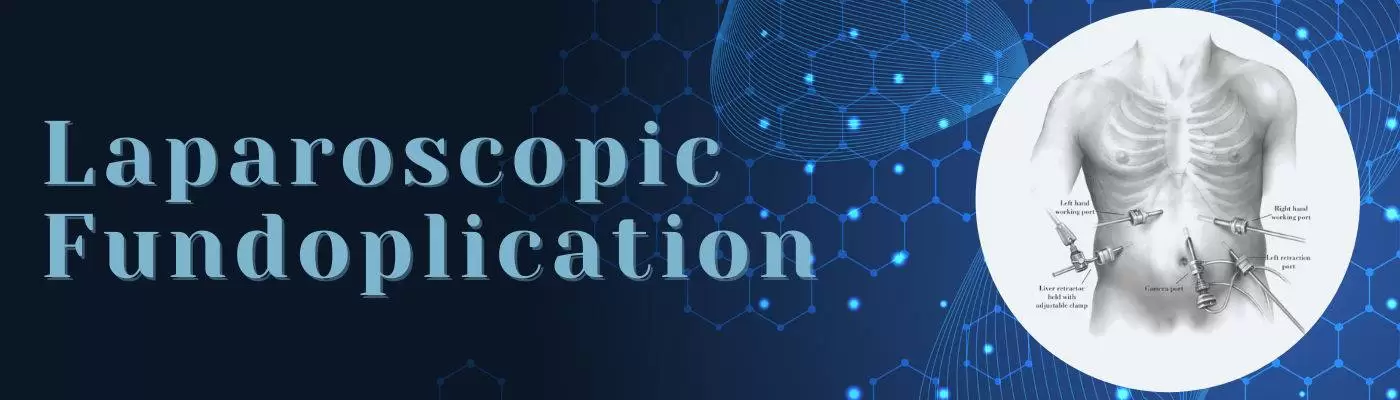
Introduction to Laparoscopy Fundoplication
Laparoscopy Fundoplication is a highly effective minimally invasive surgical procedure designed to treat gastroesophageal reflux disease (GERD) - a chronic condition in which stomach acid frequently flows backward into the esophagus, causing symptoms such as heartburn, regurgitation, and chest discomfort. GERD occurs when the lower esophageal sphincter (LES), a muscular valve between the esophagus and stomach, becomes weak or relaxed and fails to prevent acid reflux. Over time, this backflow of acid can cause inflammation, ulcers, narrowing of the esophagus, and even precancerous changes known as Barrett's esophagus.
During a laparoscopic fundoplication, the surgeon wraps the upper part of the stomach (the fundus) around the lower end of the esophagus and secures it with sutures. This wrap reinforces the LES, restoring its natural function as a barrier to reflux. The laparoscopic technique uses tiny incisions through which a laparoscope (a thin tube with a high-definition camera) and fine surgical instruments are inserted. This allows the surgeon to perform the procedure with precision while minimizing trauma to surrounding tissues.
Unlike traditional open surgery, laparoscopic fundoplication causes minimal scarring, less postoperative pain, faster recovery, and a shorter hospital stay. Patients usually return home within a day or two and resume regular activities within a few weeks. It is one of the most successful surgical options for treating GERD, hiatal hernia, and reflux-related respiratory symptoms when medications and lifestyle changes fail to provide lasting relief.
Causes and Risk Factors Requiring Laparoscopy Fundoplication
The main indication for laparoscopic fundoplication is chronic or severe GERD that does not respond adequately to medications like proton pump inhibitors (PPIs) or when long-term drug dependence becomes undesirable. The causes of GERD and related disorders are often multifactorial, involving anatomical, physiological, and lifestyle-related factors.
Common Causes Include:
-
Weak or Dysfunctional LES: The most common cause of reflux is a weakened lower esophageal sphincter that cannot prevent acid from moving upward.
-
Hiatal Hernia: When part of the stomach pushes up through the diaphragm into the chest cavity, the LES becomes displaced, making reflux more likely.
-
Delayed Gastric Emptying: Slower stomach emptying increases pressure inside the stomach, forcing acid upward.
-
Chronic Acid Exposure: Long-term acid reflux weakens the esophageal lining and perpetuates the cycle of inflammation and reflux.
-
Obesity: Increased abdominal pressure from excess weight contributes significantly to reflux.
-
Pregnancy: Hormonal changes and abdominal pressure during pregnancy can temporarily cause reflux.
-
Lifestyle Factors: Smoking, alcohol, caffeine, and high-fat or spicy foods relax the LES and worsen symptoms.
Risk Factors Increasing the Need for Surgery:
-
Long-term dependence on acid-suppressive medications.
-
Complications like esophagitis, stricture formation, or Barrett's esophagus.
-
Recurrent reflux after prior anti-reflux surgery.
-
Large hiatal hernias causing significant reflux and regurgitation.
-
Inability to tolerate medications due to side effects.
In such cases, laparoscopic fundoplication provides a durable, anatomical correction, restoring the natural anti-reflux barrier and improving quality of life without lifelong drug use.
Symptoms and Signs of GERD Requiring Fundoplication
Patients who require laparoscopic fundoplication typically experience persistent or severe symptoms of GERD despite lifestyle modification and medication. These symptoms can affect daily functioning, sleep, and even respiratory health.
Typical Symptoms Include:
-
Heartburn: A burning sensation in the chest, often worsening after meals or while lying down.
-
Regurgitation: Sour or bitter-tasting fluid rising into the throat or mouth.
-
Chest Pain: Non-cardiac in nature but often mistaken for heart disease.
-
Difficulty Swallowing (Dysphagia): Caused by esophageal inflammation or narrowing.
-
Chronic Cough and Hoarseness: Due to acid irritating the vocal cords and airways.
-
Bad Breath (Halitosis): Resulting from stagnant acid and food particles in the esophagus.
-
Bloating and Belching: Common due to swallowed air or acid exposure.
-
Asthma-like Symptoms: Wheezing and coughing from reflux reaching the lungs, especially at night.
Complications if Untreated:
Persistent reflux can cause esophagitis (inflammation), strictures (scarring and narrowing of the esophagus), Barrett's esophagus, and even esophageal cancer in long-standing cases. Therefore, when medications no longer control symptoms or complications arise, laparoscopic fundoplication becomes the preferred definitive treatment.
Diagnosis and Preoperative Evaluation
Accurate diagnosis of GERD and assessment of its severity are critical before deciding on surgery. Doctors use a combination of clinical evaluation, endoscopic examination, and functional tests to confirm the diagnosis and determine surgical suitability.
Diagnostic Methods Include:
-
Medical History and Physical Examination: The doctor reviews symptoms, duration, triggers, and medication response.
-
Upper Endoscopy (EGD): Direct visualization of the esophagus and stomach helps identify inflammation, ulcers, hiatal hernias, or precancerous changes.
-
Esophageal pH Monitoring: Measures acid exposure in the esophagus over 24 to 48 hours, confirming reflux frequency and duration.
-
Esophageal Manometry: Assesses esophageal muscle function and the strength of the LES.
-
Barium Swallow X-ray: Outlines the anatomy of the esophagus and stomach, showing hiatal hernias or reflux episodes.
-
Gastric Emptying Study: Evaluates stomach motility to rule out delayed gastric emptying.
Preoperative Assessment:
Patients undergo routine blood tests, ECG, and imaging to evaluate their overall
health and anesthesia fitness. Those with large hernias or other upper
gastrointestinal conditions may require additional imaging or cardiopulmonary
assessment.
Once deemed fit, patients receive detailed counseling about the procedure,
potential risks, expected outcomes, and postoperative care.
Treatment Options and Surgical Procedure
The main surgical procedures for stress urinary incontinence (SUI) include midurethral sling surgery (using mesh or autologous tissue), colposuspension (open or laparoscopic), and bulking agent injections. Each offers different advantages depending on patient anatomy, risk factors, and preference.
Non-Surgical Management:
Before surgery, most GERD patients try medical therapy, including:
-
Proton Pump Inhibitors (PPIs): To reduce stomach acid production.
-
H2 Blockers and Antacids: For symptom relief.
-
Lifestyle Changes: Weight reduction, avoiding trigger foods, not lying down after meals, quitting smoking, and elevating the head of the bed.
When these measures fail or the disease progresses, laparoscopic fundoplication becomes the best long-term solution.
Laparoscopic Fundoplication Procedure:
Performed under general anesthesia, the procedure takes about 1-2 hours and involves the following steps:
-
Small Incisions: The surgeon makes 4-5 tiny incisions in the abdomen.
-
Insertion of the Laparoscope: The abdomen is filled with carbon dioxide gas to create space for visualization.
-
Hiatal Hernia Repair (if present): The herniated part of the stomach is pulled back into the abdomen, and the diaphragm opening is tightened.
-
Fundoplication (Wrapping): The top portion of the stomach (fundus) is wrapped around the lower esophagus and sutured in place, creating a one-way valve mechanism that prevents acid reflux.
-
Closure: Instruments are removed, gas is released, and incisions are closed with dissolvable sutures.
Types of Fundoplication:
-
Nissen Fundoplication (360° wrap): The most common technique, offering complete reinforcement of the LES.
-
Toupet Fundoplication (270° wrap): A partial wrap for patients with weaker esophageal motility.
-
Dor Fundoplication (Anterior 180° wrap): Often combined with other esophageal procedures.
Advantages of Laparoscopic Technique:
-
Smaller incisions and minimal scarring.
-
Shorter hospital stay (usually 24-48 hours).
-
Less postoperative pain and faster return to normal life.
-
Lower risk of infection and complications.
-
Long-term relief from acid reflux without daily medication.
Prevention and Management Before and After Surgery
Prevention and management before and after surgical treatment for stress urinary incontinence (SUI)-such as midurethral sling, colposuspension, or bulking agent procedures-focus on medical optimization, infection prevention, and ensuring optimal healing and long-term outcome.
Preoperative Preparation:
-
Stop smoking and avoid alcohol at least two weeks before surgery.
-
Follow a light, low-fat diet before the operation.
-
Fast for 8-10 hours before surgery as instructed.
-
Discuss any ongoing medications, particularly blood thinners.
Postoperative Management:
After surgery, patients are observed for a short time in the hospital.
-
Diet: Begin with clear liquids, advancing to soft foods over 1-2 weeks. Avoid carbonated drinks and heavy meals.
-
Pain Control: Mild analgesics manage any discomfort.
-
Physical Activity: Light walking is encouraged the day after surgery to prevent clots. Avoid lifting heavy weights for 4-6 weeks.
-
Follow-Up Visits: Regular checkups ensure the wrap remains intact and healing progresses well.
Prevention of Reflux Recurrence:
-
Maintain a healthy weight to reduce abdominal pressure.
-
Eat slowly and chew food thoroughly.
-
Avoid overeating and late-night meals.
-
Limit acidic, fried, or spicy foods.
-
Continue any prescribed anti-ulcer medication during recovery.
Following these measures ensures smooth healing and long-term success.
Complications of Laparoscopy Fundoplication
Laparoscopic fundoplication is highly safe, but like any surgery, it carries some potential risks. Fortunately, serious complications are rare when performed by an experienced surgeon.
Common but Usually Temporary Effects:
-
Difficulty Swallowing (Dysphagia): Mild and resolves as swelling subsides.
-
Gas Bloat Syndrome: Inability to belch or vomit, causing bloating and discomfort.
-
Shoulder Pain: From carbon dioxide gas used during surgery; temporary.
Less Common Complications:
-
Wrap Slippage or Loosening: May lead to recurrence of reflux.
-
Infection or Bleeding: At incision or internal repair sites.
-
Esophageal or Gastric Injury: Extremely rare but possible during surgery.
-
Anesthesia Risks: Nausea or allergic reactions.
Proper surgical technique, postoperative care, and adherence to dietary advice significantly reduce these risks. Most patients recover uneventfully and experience lasting relief.
Living with the Condition After Surgery
After laparoscopic fundoplication, most patients enjoy a dramatic improvement in their quality of life. Heartburn, regurgitation, and chronic throat irritation often disappear entirely. The need for acid-suppressive medication drops sharply, and normal eating and sleeping patterns return.
Post-Surgery Lifestyle:
-
Eat smaller meals frequently and avoid gulping food.
-
Avoid carbonated beverages to prevent bloating.
-
Remain upright for at least 30 minutes after eating.
-
Resume regular exercise after 4-6 weeks.
-
Continue long-term follow-up with your surgeon or gastroenterologist.
Long-Term Outlook:
Over 90% of patients report sustained symptom relief even after several years. Many describe it as “life-changing,” as they regain the freedom to eat comfortably and sleep without reflux symptoms. With proper care and a healthy lifestyle, laparoscopic fundoplication offers a near-permanent solution to GERD, restoring digestive health and confidence.
Top 10 Frequently Asked Questions about Laparoscopy Fundoplication
1. What is laparoscopic fundoplication?
Laparoscopic fundoplication is a minimally invasive surgical procedure designed to treat gastroesophageal reflux disease (GERD) and hiatal hernias. The surgery strengthens the lower esophageal sphincter by wrapping the upper part of the stomach (fundus) around the lower esophagus. This prevents stomach acid from flowing back into the esophagus, reducing symptoms like heartburn, regurgitation, and chest discomfort. Unlike traditional open surgery, this procedure uses small incisions, a laparoscope (camera), and specialized instruments, which leads to less pain, faster recovery, and smaller scars.
2. Who is a candidate for laparoscopic fundoplication?
The procedure is typically recommended for patients who:
-
Experience chronic GERD symptoms not controlled by medications such as proton pump inhibitors (PPIs).
-
Have complications from reflux, such as esophagitis, strictures, or Barrett's esophagus.
-
Have a hiatal hernia that contributes to reflux.
-
Prefer a permanent solution to lifelong medication.
Candidates must also be medically fit for general anesthesia and laparoscopic surgery. Patients with severe comorbidities or extensive prior abdominal surgery may require additional evaluation.
3. How is laparoscopic fundoplication performed?
-
The patient is placed under general anesthesia.
-
Several small incisions (usually 4-5) are made in the abdomen.
-
The abdominal cavity is inflated with carbon dioxide gas to allow visibility and space for instruments.
-
A laparoscope and surgical tools are inserted. The upper stomach (fundus) is mobilized and wrapped around the lower esophagus.
-
The wrap is secured with sutures to strengthen the lower esophageal sphincter.
-
Any hiatal hernia is repaired during the procedure.
-
Small incisions are closed, and the patient is transferred to recovery.
The procedure typically lasts 1-2 hours, depending on complexity.
4. What are the types of fundoplication?
-
Nissen fundoplication: A full 360° wrap of the stomach around the esophagus.
-
Toupet fundoplication: A partial 270° posterior wrap, often chosen if the patient has esophageal motility issues.
-
Dor fundoplication: A partial 180-200° anterior wrap, less common but sometimes preferred for specific cases.
The choice depends on patient anatomy, esophageal function, and surgeon preference.
5. What are the benefits of laparoscopic fundoplication?
-
Minimally invasive: Smaller incisions reduce pain, infection risk, and scarring.
-
Effective symptom relief: Long-term reduction of heartburn, regurgitation, and acid reflux.
-
Hiatal hernia repair: Corrects anatomical causes of reflux.
-
Shorter recovery time: Hospital stay is often 1-2 days with faster return to daily activities.
-
Durable results: The procedure provides long-term control of GERD symptoms, often eliminating the need for medication.
6. What are the risks and potential complications?
Although safe and widely performed, possible complications include:
-
Difficulty swallowing (dysphagia) immediately after surgery.
-
Gas-bloat syndrome, causing bloating or inability to belch easily.
-
Infection at the incision sites.
-
Bleeding during or after surgery.
-
Injury to surrounding organs such as the stomach, esophagus, or spleen.
-
Recurrence of reflux or hernia in some cases.
Most complications are manageable, and careful patient selection reduces the risk.
7. How long is the recovery period?
-
Hospital stay is usually 1-2 days after laparoscopic fundoplication.
-
Light activities can often be resumed within 1-2 weeks.
-
Full recovery, including return to normal diet and exercise, typically takes 4-6 weeks.
-
Patients are advised to eat small, soft meals initially and gradually transition to a normal diet.
-
Avoid heavy lifting or strenuous activity during the first several weeks.
8. How effective is laparoscopic fundoplication?
-
The majority of patients experience significant improvement or complete relief from reflux symptoms.
-
Long-term success rates are high, with most patients remaining medication-free for years.
-
Success depends on correct patient selection, surgical technique, and adherence to post-operative care instructions.
9. What lifestyle or dietary changes are recommended after surgery?
-
Eat small, frequent meals to avoid stretching the wrap.
-
Avoid lying down immediately after meals.
-
Limit spicy, fatty, or acidic foods during early recovery.
-
Maintain a healthy weight to reduce pressure on the stomach and esophagus.
-
Gradually resume physical activity, avoiding heavy lifting or high-impact
exercises for several weeks.
10. What questions should I ask my surgeon before undergoing surgery?
-
Which type of fundoplication is most appropriate for me?
-
What is my expected recovery timeline?
-
What are the potential complications specific to my health status?
-
Will I need medications after surgery, and if so, for how long?
-
How will post-operative side effects like difficulty swallowing or gas-bloat
syndrome be managed?
-
What dietary or lifestyle changes are necessary for optimal outcomes?
-
How long will the effects last, and is there a chance my symptoms will return?
Eat small, frequent meals to avoid stretching the wrap.
Avoid lying down immediately after meals.
Limit spicy, fatty, or acidic foods during early recovery.
Maintain a healthy weight to reduce pressure on the stomach and esophagus.
Gradually resume physical activity, avoiding heavy lifting or high-impact exercises for several weeks.
-
Which type of fundoplication is most appropriate for me?
-
What is my expected recovery timeline?
-
What are the potential complications specific to my health status?
-
Will I need medications after surgery, and if so, for how long?
-
How will post-operative side effects like difficulty swallowing or gas-bloat syndrome be managed?
-
What dietary or lifestyle changes are necessary for optimal outcomes?
-
How long will the effects last, and is there a chance my symptoms will return?