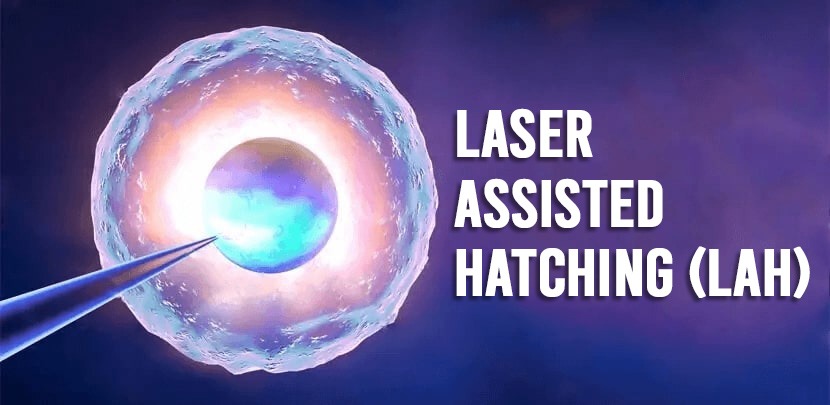
Introduction to Laser Assisted Hatching
Laser Assisted Hatching (LAH) is a modern and sophisticated technique used in assisted reproductive technology (ART), primarily in In Vitro Fertilization (IVF) procedures, to improve the likelihood of embryo implantation and successful pregnancy. During natural conception, once fertilization occurs, the embryo develops a protective outer shell called the zona pellucida. For successful implantation into the uterine lining, the embryo must "hatch" out of this outer shell. However, in some women, especially those of advanced maternal age, with poor egg quality, or previous IVF failures, the zona pellucida can become thicker or harder, preventing the embryo from hatching naturally.
Laser Assisted Hatching overcomes this issue by using a precisely controlled laser beam to make a small opening in the zona pellucida. This assists the embryo in hatching naturally and facilitates its attachment to the uterus, increasing the chances of implantation and pregnancy.
The laser technique is quick, safe, and extremely precise. Unlike older methods such as mechanical hatching (using microneedles) or chemical hatching (using acid solutions), the laser causes minimal stress or harm to the embryo. The procedure is performed under a high-powered microscope by an experienced embryologist and takes only a few seconds to complete.
Laser Assisted Hatching has become a widely accepted part of fertility treatments in leading IVF centers worldwide. It is especially beneficial for patients who have undergone multiple IVF cycles without success, those using frozen embryos, or women above 35 years of age, where the natural hatching process might be compromised.
Causes and Risks That Lead to Laser Assisted Hatching
Laser Assisted Hatching is not a treatment for a disease itself but rather an enhancement technique to improve the success of IVF. The main causes that lead fertility specialists to recommend LAH are related to conditions that affect embryo hatching or implantation.
1. Age-Related Factors
As a woman ages, particularly after 35, the eggs naturally develop a thicker and tougher zona pellucida. This makes it harder for embryos to break out and attach to the uterine wall. Age-related hormonal changes and reduced egg quality can also reduce the embryo's natural ability to hatch. LAH provides a scientific solution by gently thinning or creating an opening in the zona to facilitate hatching.
2. Repeated IVF Failures
Women who have had two or more failed IVF cycles, despite having good-quality embryos, often face implantation problems. The inability of embryos to hatch could be a hidden reason behind these failures. Laser Assisted Hatching can improve the chances of success by helping embryos implant more effectively in the uterus.
3. Frozen and Thawed Embryos
Embryos that have been cryopreserved and later thawed can experience structural changes in their outer shell due to freezing and thawing processes. The zona pellucida can become hardened, which makes hatching difficult. Laser Assisted Hatching helps overcome this by softening or creating a minute hole to allow natural hatching.
4. Thick or Abnormal Zona Pellucida
Sometimes, embryos naturally form a thick or irregular zona pellucida even in young women. This condition may be caused by egg quality or genetic factors. A thick zona makes it harder for embryos to hatch and implant successfully. The laser precisely targets and thins the zona, aiding the hatching process.
5. Poor Embryo Development
Slow-growing or poor-quality embryos often struggle to hatch naturally. Assisted hatching helps these embryos by facilitating the final stage of development necessary for implantation.
6. Certain Uterine or Hormonal Conditions
Conditions such as endometriosis, polycystic ovary syndrome (PCOS), or immunological abnormalities can interfere with embryo implantation. Laser Assisted Hatching can be used as part of a comprehensive IVF strategy to enhance implantation potential in such cases.
Symptoms and Signs That Indicate the Need for Laser Assisted Hatching
Laser Assisted Hatching is not performed because of typical "symptoms," but rather based on clinical and laboratory observations that suggest a reduced likelihood of embryo implantation. However, there are certain patterns and reproductive histories that signal a potential need for LAH:
-
History of Repeated IVF Failures - Women who have had multiple unsuccessful IVF or ICSI attempts despite the transfer of good-quality embryos are prime candidates.
-
Advanced Maternal Age - Women aged 35 years and older are more likely to have thicker zona pellucida, making hatching difficult.
-
Use of Frozen or Donor Embryos - Embryos that have been frozen and thawed or created from donor eggs may benefit from assisted hatching due to hardening of the outer layer.
-
Poor Embryo Quality or Slow Growth Rate - Embryos showing slower division rates may face difficulty breaking out of their shell naturally.
-
Unexplained Infertility - In some couples where no specific cause of infertility is identified, LAH may be considered to enhance implantation potential.
These indications are usually identified by the fertility team based on the patient's medical and reproductive history and embryology reports.
Diagnosis and Evaluation Before Laser Assisted Hatching
Before deciding on Laser Assisted Hatching, fertility specialists perform a comprehensive fertility assessment to determine whether the technique will be beneficial. The evaluation process includes:
1. Review of Past IVF Attempts
The success and failure rates of previous IVF cycles are carefully analyzed. If repeated implantation failures are observed, the embryologist may suggest LAH for the next cycle.
2. Embryo Examination Under Microscope
The embryologist examines the embryo's zona pellucida thickness and texture using advanced imaging tools. If it appears abnormally thick or hardened, LAH is recommended.
3. Female Age and Ovarian Reserve Tests
Tests such as AMH (Anti-Müllerian Hormone), FSH (Follicle-Stimulating Hormone), and AFC (Antral Follicle Count) help determine the quality and age-related condition of eggs. Women with reduced ovarian reserve or advanced age often benefit from assisted hatching.
4. Uterine and Hormonal Evaluation
The uterine environment is assessed using ultrasound and hormone profiling to ensure it is receptive for implantation. If minor uterine or hormonal irregularities are found, LAH can be integrated into the IVF plan to increase success rates.
5. Genetic and Immunological Testing (If Needed)
In certain cases, preimplantation genetic testing (PGT) or immune profiling is performed to identify underlying factors affecting implantation. These tests help customize the IVF protocol, sometimes including LAH.
Treatment Procedure for Laser Assisted Hatching
Laser Assisted Hatching is a delicate and controlled laboratory procedure performed by an embryologist before the embryo transfer. The process generally takes place on day 3 or day 5 of embryo development.
Step-by-Step Process:
-
Embryo Selection
The embryologist selects the most viable embryos from the IVF culture that are ready for transfer. -
Microscopic Setup
The selected embryos are placed under an inverted microscope equipped with a precision laser system and micromanipulators. -
Creating the Opening
A focused laser beam is directed onto the zona pellucida to create a small, controlled opening—typically 10-20 micrometers wide. The laser pulses are applied in milliseconds to prevent any damage to the embryo. -
Quality Check
The embryologist verifies that the opening is adequate for hatching but does not compromise the embryo's structural integrity. -
Embryo Transfer
After hatching is performed, the embryos are transferred into the woman's uterus using a fine catheter, following standard IVF protocols.
The entire laser hatching process takes only a few minutes and is performed with utmost precision and safety. Since the procedure is done in the lab, the patient does not experience any discomfort.
Prevention and Management of Laser Assisted Hatching
While Laser Assisted Hatching is used to address specific implantation challenges, certain preventive and management measures can help optimize IVF outcomes and overall reproductive health.
1. Healthy Lifestyle
Maintaining a healthy lifestyle before and during IVF is crucial. A balanced diet, regular exercise, proper sleep, and stress reduction enhance egg and sperm quality, supporting natural embryo development.
2. Avoid Smoking and Alcohol
Tobacco and alcohol negatively affect egg quality and hormonal balance. Quitting these habits can significantly improve IVF outcomes.
3. Early Fertility Planning
Women should consider early fertility assessment and egg preservation if they plan to delay pregnancy. This can reduce the age-related risks that make assisted hatching necessary later.
4. Preconception Counseling
Couples undergoing IVF should attend preconception counseling to address nutritional deficiencies, manage chronic diseases, and prepare physically and emotionally for treatment.
5. Optimizing IVF Lab Conditions
High-quality IVF laboratories use advanced culture systems, optimal temperature control, and precise embryo monitoring—factors that improve embryo quality and may minimize the need for additional procedures.
After the procedure, patients are advised to follow standard IVF care instructions, including rest, prescribed hormonal medications (such as progesterone), and avoiding heavy activities for a few days.
Complications of Laser Assisted Hatching
Although Laser Assisted Hatching is considered very safe, it is a delicate procedure that must be performed by an experienced embryologist. Possible complications include:
-
Embryo Damage
Rarely, the laser may cause minor damage to the embryo if the beam penetrates too deeply. However, with modern laser systems, this risk is extremely low. -
Embryo Degeneration
Occasionally, weaker embryos may not survive the hatching process, though this is uncommon and usually linked to pre-existing embryo quality. -
Multiple Pregnancies
Because assisted hatching increases implantation potential, there is a slightly higher risk of twin or triplet pregnancies if multiple embryos are transferred. -
No Significant Improvement
Not all patients benefit equally. Success depends on the woman's age, uterine environment, and embryo quality. -
Emotional and Financial Stress
Repeated IVF cycles and additional procedures like LAH can contribute to emotional strain and financial burden for couples.
Despite these risks, studies show that Laser Assisted Hatching significantly improves implantation rates in appropriately selected patients, making it one of the safest and most effective embryo enhancement techniques available today.
Living with the Condition and Life After Laser Assisted Hatching
After Laser Assisted Hatching and embryo transfer, patients can expect a smooth recovery. There is no physical discomfort associated with LAH, as it is done entirely in the lab. The focus during this phase is on implantation support and emotional well-being.
1. Post-Procedure Care
Patients are advised to rest and avoid strenuous activity for a few days after embryo transfer. Stress management, a balanced diet, and hydration support overall reproductive health.
2. Medication Support
Hormonal medications, including progesterone and estrogen supplements, are prescribed to enhance uterine lining and support early pregnancy.
3. Pregnancy Monitoring
A blood test for beta-hCG is done after 12-14 days to confirm pregnancy, followed by early ultrasounds to assess embryo implantation.
4. Emotional Support
Fertility treatments can be emotionally challenging. Couples are encouraged to seek counseling, join support groups, or participate in relaxation therapies to maintain mental health.
5. Long-Term Outlook
Laser Assisted Hatching has shown improved implantation and pregnancy rates, particularly in women over 35 or with previous IVF failures. With advancing technology, its precision, safety, and success continue to improve. Most women who undergo LAH experience normal, healthy pregnancies once implantation occurs.
Top 10 Frequently Asked Questions about Laser Assisted Hatching
1. What is laser assisted hatching?
Laser assisted hatching is a laboratory technique used in in-vitro fertilization (IVF) to improve the chances of embryo implantation in the uterus. It involves using a precise laser to thin or create a small opening in the outer shell (zona pellucida) of the embryo, which helps the embryo "hatch" and attach to the uterine lining.
2. Why is laser assisted hatching performed?
The procedure is recommended when there is a need to enhance implantation rates, particularly in cases such as:
-
Women over 35 years of age.
-
Embryos with a thick zona pellucida.
-
Previous IVF cycles with implantation failure.
-
Frozen-thawed embryos, where the outer shell may harden during freezing and thawing.
It increases the chances that the embryo can successfully implant and develop in the uterus.
3. How is laser assisted hatching performed?
-
The procedure is done in an IVF laboratory using a microscope and laser system.
-
The embryologist places the embryo in a special dish under the microscope.
-
The laser is applied to thin or create a small opening in the zona pellucida.
-
The process is quick and precise, designed to avoid damage to the embryo while facilitating hatching.
-
After the procedure, the embryo is transferred into the uterus for implantation.
4. Who can benefit from this procedure?
Laser assisted hatching may be considered for:
-
Women of advanced maternal age.
-
Couples experiencing repeated IVF failure.
-
Embryos that are frozen and thawed.
-
Embryos with a naturally thicker zona pellucida, which may hinder natural hatching.
It is not routinely performed for all IVF patients; the decision is individualized by the fertility specialist.
5. Is the procedure safe?
Yes, when performed by trained embryologists in a controlled laboratory setting, laser assisted hatching is considered safe for the embryo. The laser is precise and only affects the outer shell without damaging the inner cells. Long-term studies indicate no increase in birth defects or developmental problems in babies born after laser-assisted hatching.
6. Does it improve IVF success rates?
Laser assisted hatching has been shown to improve implantation and pregnancy
rates in selected groups of patients, such as older women, frozen embryo
transfers, and patients with previous implantation failures.
However, it may not provide significant benefit for young women or those with
high-quality embryos in their first IVF cycle.
7. Are there any risks associated with laser assisted hatching?
-
The procedure is generally very safe, but potential risks include:
-
Slight mechanical stress to the embryo if not performed properly.
-
Minor risk of embryo damage, though this is rare with modern laser systems.
-
-
When done by experienced embryologists, the procedure has minimal risk and is well-tolerated by embryos.
8. How long does the procedure take?
Laser assisted hatching is a quick procedure, typically taking a
few minutes per embryo under the microscope.
It is performed immediately before embryo transfer or after thawing frozen embryos,
ensuring minimal delay in IVF procedures.
9. Does laser assisted hatching affect embryo development?
-
The procedure is designed to be minimally invasive and only targets the zona pellucida, leaving the embryo's inner cells intact.
-
It does not affect the genetic material or growth potential of the embryo.
-
After the procedure, the embryo continues normal development and is ready for transfer into the uterus.
10. What questions should I ask my fertility specialist before laser assisted hatching?
-
Is laser assisted hatching recommended for my specific IVF case?
-
What is the expected improvement in implantation rates for me?
-
Are there any additional costs or considerations?
-
Will the procedure be performed on all embryos or only selected ones?
-
Are there alternatives to laser-assisted hatching?
-
What is the experience of the lab and embryologist performing the procedure?
-
Will the procedure impact the timing or schedule of embryo transfer?