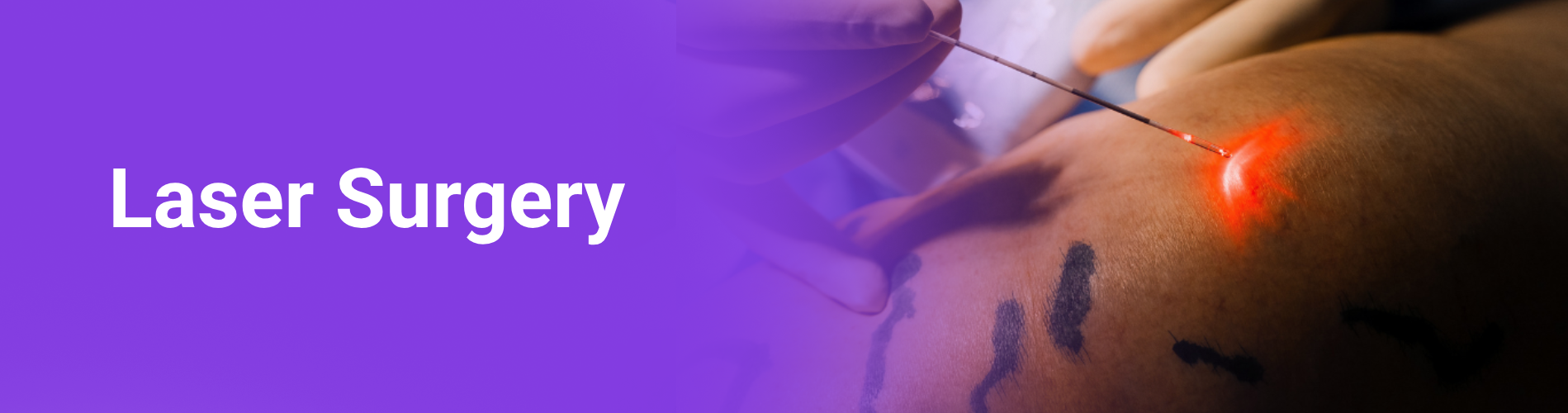
Introduction to Laser Surgery
Laser surgery represents one of the most significant advancements in modern medicine, offering a precise, minimally invasive, and highly effective approach to treating a wide range of conditions. The word LASER stands for Light Amplification by Stimulated Emission of Radiation. It refers to the use of a concentrated beam of light to cut, vaporize, or remove tissue, as well as to seal blood vessels or correct specific structural abnormalities.
Unlike traditional surgical tools such as scalpels or scissors, lasers operate through intense, focused light energy that can be controlled with exceptional precision. This technology allows surgeons to target specific cells or tissues while minimizing damage to surrounding areas.
Laser surgery is used across numerous medical specialties, including ophthalmology (to correct vision), dermatology (for skin resurfacing, lesion removal, and scar reduction), oncology (to destroy or shrink tumors), dentistry (for gum treatments and cavity preparation), and general surgery (to control bleeding or remove growths).
Its growing popularity stems from its many advantages - smaller incisions, less bleeding, minimal pain, reduced risk of infection, and faster recovery. For many patients, laser procedures can even be done on an outpatient basis, allowing them to return home the same day. As technology continues to evolve, laser surgery has become a cornerstone of precision medicine, offering safer and more comfortable alternatives to conventional surgical methods.
Causes and Risks Associated with Laser Surgery
Since laser surgery is a treatment rather than a disease, it's important to understand what leads to the need for laser surgery and what potential risks may accompany the procedure.
Causes for Laser Surgery (Indications):
Laser surgery is performed to treat or correct various conditions. These include removing abnormal tissue such as tumors or polyps, treating skin imperfections like scars, warts, and wrinkles, and correcting eye conditions such as nearsightedness, farsightedness, and astigmatism. In dentistry, lasers help treat gum disease or remove tooth decay, while in urology and gynecology, lasers may be used to treat kidney stones or endometriosis.
Risks and Considerations:
Although laser surgery is considered safe when performed by trained
professionals, it carries certain risks that patients should understand
beforehand. These include burns or scars from improper laser calibration,
incomplete treatment of a lesion, or damage to nearby healthy tissue. Eye
surgeries carry additional risks such as under- or over-correction, dry eyes, or
glare and halo effects.
Patients with certain medical conditions - such as diabetes, poor wound healing,
or immune disorders - may face higher risks of post-operative infection or
delayed recovery. It's crucial that patients undergo a full pre-surgical
evaluation to determine their suitability for laser procedures.
Symptoms and Signs Leading to Laser Surgery
While laser surgery itself doesn't cause symptoms, it's used to treat conditions that do. Understanding these signs helps determine when a laser-based intervention may be recommended.
For eye surgeries, symptoms include blurred or distorted vision, dependence on glasses or contact lenses, or difficulty focusing at different distances. Laser eye procedures like LASIK or PRK are typically performed to correct these visual errors.
For skin conditions, symptoms may include the presence of moles, warts, birthmarks, vascular lesions, scars, or pigmentation irregularities that cause cosmetic concern or medical risk.
For internal medical issues, symptoms may involve chronic pain, bleeding from small vessels, or growths detected during imaging studies that can be safely removed via laser.
After laser surgery, it's common to experience mild redness, swelling, or discomfort in the treated area. These effects typically subside within a few days. Any severe pain, excessive bleeding, or signs of infection should prompt immediate medical attention.
Diagnosis and Assessment Before Laser Surgery
Before undergoing laser surgery, a detailed diagnosis and evaluation are essential to ensure the patient is an ideal candidate and that the procedure will be both safe and effective.
Pre-Surgical Evaluation:
Doctors begin with a comprehensive medical history and physical examination, followed by diagnostic tests tailored to the condition. For eye surgeries, this may include measuring corneal thickness, mapping the eye surface, and assessing tear production. For skin lesions, dermatoscopy or biopsy may be used to confirm whether a mole or growth is benign or malignant.
Imaging and Laboratory Tests:
In cases involving internal organs, imaging tools such as ultrasound, CT scans, or MRIs are used to identify the size, location, and depth of the tissue to be treated. Routine lab tests - including blood counts, glucose levels, and coagulation profiles - are also important to evaluate healing ability and minimize surgical risk.
Suitability Criteria:
Not all patients are suitable candidates for laser surgery. Conditions like thin corneas, unstable vision, or certain chronic skin disorders might exclude some from laser-based treatments. The type of laser (CO₂, Nd:YAG, Argon, or Excimer) is chosen based on the tissue type and medical objective.
Treatment Options and Procedure of Laser Surgery
Laser surgery is not a single technique but a collection of procedures that vary by specialty, tissue type, and purpose.
Types of Laser Surgery:
-
CO₂ Lasers: Used for precise cutting or vaporizing soft
tissue, common in dermatology and general surgery.
-
Nd:YAG Lasers: Penetrate deeper into tissue, used for
treating vascular lesions and certain cancers.
-
Excimer Lasers: Common in ophthalmology for reshaping
the cornea.
-
Argon Lasers: Employed to treat eye and vascular
conditions by sealing small blood vessels.
Procedure Overview:
CO₂ Lasers: Used for precise cutting or vaporizing soft tissue, common in dermatology and general surgery.
Nd:YAG Lasers: Penetrate deeper into tissue, used for treating vascular lesions and certain cancers.
Excimer Lasers: Common in ophthalmology for reshaping the cornea.
Argon Lasers: Employed to treat eye and vascular conditions by sealing small blood vessels.
Laser surgeries can be performed under local or general anesthesia depending on the treatment area. The surgeon directs a controlled laser beam toward the target tissue, either removing it or reshaping it as needed. The light energy can vaporize unwanted cells, seal small blood vessels, or activate chemicals that destroy abnormal tissue.
In eye surgery, for instance, a corneal flap may be created and lifted before applying the laser to reshape the cornea's surface. In dermatological treatments, the laser gently removes or remodels the upper layers of skin to reduce imperfections. Most laser surgeries are quick, outpatient procedures with minimal downtime.
Post-Treatment Care:
Patients are typically advised to keep the treated area clean, avoid sun exposure, and use prescribed medications to reduce inflammation and prevent infection.Prevention and Management After Laser Surgery
Preventing the need for laser surgery largely involves maintaining good health habits and early medical evaluation of suspicious symptoms. However, prevention also applies to avoiding complications after the procedure.
Prevention Before Surgery:
-
Protect skin from excessive sunlight to prevent UV-related damage and
skin lesions.
-
Manage chronic diseases such as diabetes and hypertension to ensure
better healing and surgical outcomes.
-
Undergo regular eye and skin examinations to detect issues early when
non-invasive treatments are still possible.
Post-Surgical Management:
Protect skin from excessive sunlight to prevent UV-related damage and skin lesions.
Manage chronic diseases such as diabetes and hypertension to ensure better healing and surgical outcomes.
Undergo regular eye and skin examinations to detect issues early when non-invasive treatments are still possible.
After laser surgery, following medical advice is critical for a smooth recovery. Patients should rest the treated area, use prescribed ointments or eye drops, and avoid activities that could irritate the surgical site. For skin procedures, sunscreen is essential to prevent hyperpigmentation or scarring.
For eye surgeries, wearing protective glasses, avoiding rubbing the eyes, and attending follow-up appointments are crucial for healing and visual stabilization.
Rehabilitation and Long-Term Care:
Recovery time varies depending on the procedure - from a few days for minor dermatological treatments to several weeks for ocular or internal surgeries. Maintaining a healthy lifestyle and adhering to all post-operative guidelines ensure optimal outcomes and reduce the risk of complications.
Complications of Laser Surgery
Although laser surgery is less invasive than traditional surgery, complications can occur, particularly if post-operative care is neglected.
Common and Minor Complications:
-
Mild swelling, redness, or temporary discomfort at the treatment site.
-
Dryness or irritation (especially after laser eye surgery).
-
Temporary changes in pigmentation for skin laser treatments.
Serious but Rare Complications:
-
Infections if treated areas are not kept clean.
-
Scarring or burns from improper laser calibration.
-
Incomplete removal of lesions or recurrence of tumors.
-
In eye surgery, complications can include corneal flap issues, under- or
over-correction, glare, halos, or night vision problems.
How to Minimize Complications:
Mild swelling, redness, or temporary discomfort at the treatment site.
Dryness or irritation (especially after laser eye surgery).
Temporary changes in pigmentation for skin laser treatments.
-
Infections if treated areas are not kept clean.
-
Scarring or burns from improper laser calibration.
-
Incomplete removal of lesions or recurrence of tumors.
-
In eye surgery, complications can include corneal flap issues, under- or over-correction, glare, halos, or night vision problems.
How to Minimize Complications:
Choosing an experienced, board-certified surgeon, following strict pre- and post-operative instructions, and attending follow-up appointments are the best ways to ensure safety and success.
Living After Laser Surgery
Life after laser surgery is generally positive, with patients often experiencing improved quality of life, function, or appearance. However, understanding the healing process helps set realistic expectations.
Recovery Period:
Most patients can resume normal activities within a few days, depending on the type of surgery. For eye surgery, vision usually stabilizes within weeks, while skin treatments may show gradual improvement over several months as new tissue regenerates.
Lifestyle Adjustments:
Patients should maintain healthy habits to preserve results - protecting the eyes from UV rays, avoiding smoking, following a nutritious diet, and ensuring adequate hydration. Skin patients should continue using sunblock and follow gentle skincare routines to prevent discoloration.
Emotional and Psychological Well-Being:
Some patients may initially experience anxiety about recovery or the appearance of the treated area. Education and reassurance from healthcare professionals help ease these concerns.
Follow-Up Care:
Regular medical check-ups ensure that the treatment remains successful and any potential recurrence or late complication is detected early.
Top 10 Frequently Asked Questions about Laser Surgery
1. What is laser surgery?
Laser surgery is a medical procedure that uses a focused beam of light (laser) to cut, remove, or treat tissues in the body. Lasers allow for precise targeting of tissues with minimal damage to surrounding areas. Laser surgery is used in multiple specialties, including ophthalmology (eye surgery), dermatology (skin treatment), urology, ENT, and general surgery.
2. How does laser surgery work?
Laser surgery works by delivering concentrated light energy to the targeted tissue. The laser energy can:
-
Cut or excise tissue
-
Destroy abnormal or diseased cells
-
Seal blood vessels to reduce bleeding
-
Promote healing and minimize scarring
Different types of lasers (CO₂, Nd:YAG, diode, excimer, etc.) are used depending on the tissue and the intended treatment.
3. Who is a candidate for laser surgery?
Candidates depend on the type of condition being treated. Generally, laser surgery is suitable for patients with:
-
Skin lesions, scars, or pigmentation issues
-
Eye conditions such as cataracts or glaucoma
-
Tumors or abnormal tissue that can be treated with lasers
-
Urological conditions like kidney stones
-
ENT issues such as vocal cord lesions or sinus problems
A doctor evaluates the patient's medical history, condition, and suitability for laser therapy.
4. What are the benefits of laser surgery?
Laser surgery offers several advantages:
-
Minimally invasive with smaller incisions or no incisions
-
Reduced bleeding and lower risk of infection
-
Precise targeting of tissues
-
Faster recovery and shorter hospital stay
-
Minimal scarring and improved cosmetic results
Patients often experience less pain and faster return to daily activities compared to traditional surgery.
5. Is laser surgery painful?
Most laser surgeries are performed under local or general anesthesia, so patients do not feel pain during the procedure. Mild discomfort, swelling, or irritation may occur after surgery, depending on the type and location of the treatment. Pain is typically manageable with standard medications and resolves quickly.
6. What are the risks and complications of laser surgery?
Although generally safe, potential risks include:
-
Temporary redness, swelling, or discomfort
-
Infection at the surgical site
-
Scarring or changes in pigmentation (for skin procedures)
-
Rare injury to surrounding tissues
-
Recurrence of the treated condition in some cases
Choosing a qualified surgeon and following post-operative care instructions significantly reduces these risks.
7. How long does it take to recover from laser surgery?
Recovery time varies depending on the type of laser procedure. Minor procedures like skin resurfacing or eye laser treatment may require a few days of recovery, while more complex surgeries may require 1-2 weeks or more. Most patients can resume light daily activities shortly after the procedure, but strenuous activity should be avoided until the doctor confirms full recovery.
8. Are multiple sessions required?
Some laser procedures, such as skin treatments or eye surgeries, may require multiple sessions for optimal results. Other procedures, such as laser removal of tumors or stones, may be completed in a single session. The number of sessions depends on the condition being treated, severity, and response to treatment.
9. How effective is laser surgery?
Laser surgery is highly effective when performed by experienced surgeons using the appropriate type of laser for the condition. It offers precise treatment, minimal complications, and faster recovery. The long-term effectiveness depends on the patient's health, adherence to post-operative care, and the nature of the condition being treated.
10. How much does laser surgery cost, and is it covered by insurance?
The cost of laser surgery varies depending on the procedure, hospital, surgeon expertise, and equipment used. Minor cosmetic laser treatments are usually less expensive, while complex medical laser surgeries may cost more. Many medically necessary laser surgeries are covered by insurance, but cosmetic procedures are typically not. Patients should consult with their doctor and insurance provider for accurate cost and coverage details.