Introduction to LASIK Surgery
LASIK Surgery, or Laser-Assisted In Situ Keratomileusis, is one of the most popular and effective vision correction procedures performed across the globe. The main goal of LASIK is to reshape the cornea — the transparent front part of the eye — to enable light entering the eye to focus properly on the retina, resulting in clearer vision. LASIK surgery is primarily used to correct refractive errors such as myopia (nearsightedness), hyperopia (farsightedness), and astigmatism (irregular curvature of the cornea). These conditions occur when the shape of the cornea prevents light from bending correctly, leading to blurred or distorted vision.
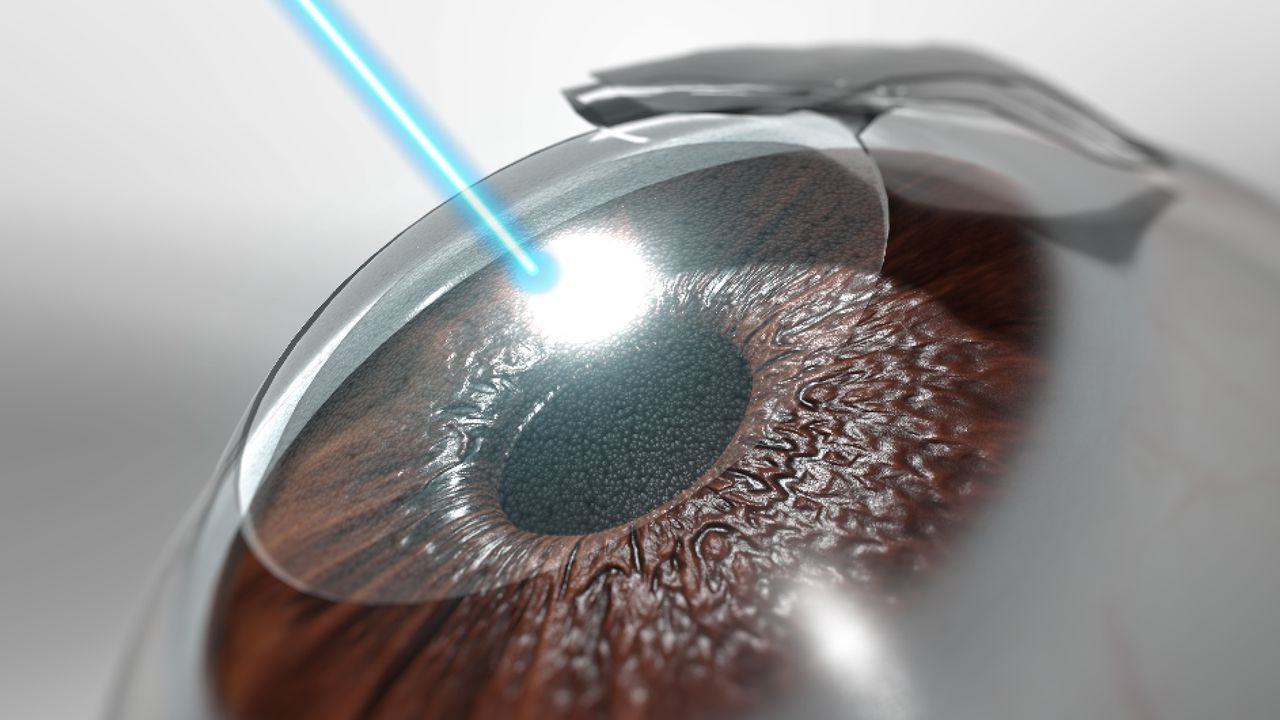
The LASIK procedure has evolved significantly since its introduction in the 1990s. Modern LASIK uses advanced laser technology and precise imaging systems that enhance both safety and accuracy. It is a minimally invasive, outpatient procedure that typically takes only 10 to 15 minutes per eye and allows most patients to return to normal activities within 24 to 48 hours. During the procedure, the surgeon creates a thin flap in the cornea using a microkeratome blade or femtosecond laser, then uses an excimer laser to reshape the underlying corneal tissue. Once the reshaping is complete, the flap is gently repositioned, where it adheres naturally without the need for stitches.
LASIK has transformed the lives of millions by reducing or even eliminating their dependence on glasses and contact lenses. With recent advancements such as wavefront-guided LASIK, bladeless femtosecond LASIK, and customized corneal mapping, this surgery now offers greater precision, faster healing, and fewer side effects than ever before.
Causes and Risks Associated with LASIK Surgery
While LASIK corrects vision problems, it is essential to understand the underlying causes of refractive errors and the risks involved in undergoing LASIK surgery.
1. Causes Leading to LASIK Surgery
-
Myopia (Nearsightedness): Occurs when the cornea is too curved or the eyeball is too long, causing light to focus in front of the retina. Distant objects appear blurry while near objects remain clear.
-
Hyperopia (Farsightedness): Occurs when the cornea is too flat or the eyeball is too short, causing light to focus behind the retina. Near objects appear blurry.
-
Astigmatism: Caused by an irregularly shaped cornea, which distorts light rays entering the eye and results in overall blurred or double vision.
LASIK helps by reshaping the cornea, ensuring light focuses directly on the retina for sharper vision.
2. Risks and Contraindications
Although LASIK is a safe procedure with high success rates, it's not suitable for everyone. Some key risk factors and contraindications include:
-
Thin or irregular corneas: Patients with conditions like keratoconus (progressive corneal thinning) are poor candidates because reshaping can weaken the cornea further.
-
Dry Eye Syndrome: LASIK can temporarily worsen dryness; patients with chronic dry eyes must be treated beforehand.
-
Unstable Vision or Changing Prescription: LASIK is ideal only when the prescription has remained stable for at least one year.
-
Autoimmune Disorders: Conditions such as lupus or rheumatoid arthritis may impair healing and increase complication risks.
-
Pregnancy or Hormonal Changes: Hormonal fluctuations can temporarily alter vision; surgery is usually postponed until stability is achieved.
While rare, potential LASIK risks include infection, under-correction, over-correction, glare, halos, or regression of effect. However, with proper preoperative screening and experienced surgeons, such risks are minimal.
Symptoms and Signs Indicating the Need for LASIK Surgery
LASIK is not used to treat a disease but rather to correct refractive errors that affect one's ability to see clearly. Common signs and symptoms that might lead someone to consider LASIK surgery include:
-
Blurry or Distorted Vision: Difficulty seeing distant or nearby objects clearly due to refractive errors.
-
Frequent Changes in Prescription: Requiring frequent updates to eyeglass or contact lens prescriptions could indicate a stable but significant refractive issue.
-
Eye Strain or Headaches: Resulting from overuse of eye muscles while focusing on objects at various distances.
-
Dependency on Glasses or Contact Lenses: Individuals who feel restricted by eyewear during sports, travel, or daily life often opt for LASIK for freedom and convenience.
-
Difficulty with Night Vision (from contacts): Some people experience discomfort or dryness from contact lenses, making LASIK an appealing alternative.
These symptoms should prompt a comprehensive eye evaluation to determine whether LASIK or another refractive procedure may be appropriate.
Diagnosis and Evaluation Before LASIK Surgery
A detailed preoperative assessment is essential to determine candidacy and ensure the highest possible safety standards for LASIK. The process involves several diagnostic tests and evaluations conducted by an ophthalmologist or refractive surgeon.
1. Eye Examination and History
A thorough review of the patient's medical and ocular history is performed to identify any existing eye diseases, infections, or systemic conditions that may impact healing or surgery outcome.
2. Refraction Test
This test determines the current prescription for glasses or contacts. It helps evaluate the type and degree of refractive error to be corrected.
3. Corneal Mapping and Topography
Advanced computer imaging techniques map the curvature and thickness of the cornea. This helps detect any irregularities, thinning, or asymmetry that might make LASIK unsuitable.
4. Pachymetry (Corneal Thickness Measurement)
The thickness of the cornea is a critical parameter. Sufficient tissue must remain after the laser reshaping to maintain corneal strength and prevent postoperative complications.
5. Pupil Size and Tear Film Analysis
Large pupils can increase the risk of glare or halos after LASIK, especially at night. Tear film assessment ensures there are no severe dryness issues before proceeding.
6. Retinal Examination
A retinal check ensures there are no existing issues such as retinal tears or degeneration that could worsen after surgery.
After all these assessments, the surgeon decides if LASIK is safe and appropriate. In cases where LASIK isn't suitable, alternatives like PRK, LASEK, or SMILE may be recommended.
Treatment Options: The LASIK Procedure and Its Variations
1. Standard LASIK Procedure
The LASIK surgery itself is quick, typically lasting 10-15 minutes per eye. The steps include:
-
Creation of a Corneal Flap: Using a femtosecond laser or a microkeratome blade, a thin flap is created in the corneal tissue.
-
Laser Reshaping (Ablation): The flap is lifted, and an excimer laser reshapes the cornea by removing microscopic amounts of tissue to achieve the desired curvature.
-
Flap Replacement: The flap is repositioned gently; it adheres naturally without sutures.
Patients can usually see better within 24 hours, and full vision stabilizes over a few weeks.
2. Customized LASIK Techniques
Modern LASIK has several advanced forms:
-
Wavefront-Guided LASIK: Uses detailed 3D maps of the eye to correct minute optical imperfections, resulting in sharper and higher-quality vision.
-
Topography-Guided LASIK: Tailors the treatment to the unique shape and curvature of each patient's cornea.
-
Bladeless LASIK (Femtosecond LASIK): Utilizes laser technology for both flap creation and corneal reshaping, eliminating the need for a mechanical blade and improving safety.
3. Alternatives to LASIK
For those not suitable for LASIK, other options include:
-
PRK (Photorefractive Keratectomy): A surface-based laser treatment without flap creation, ideal for patients with thin corneas.
-
SMILE (Small Incision Lenticule Extraction): A minimally invasive laser procedure that reshapes the cornea through a tiny incision.
-
LASEK (Laser Epithelial Keratomileusis): Combines aspects of PRK and LASIK, offering a safer choice for certain patients.
Prevention and Management Before and After LASIK
Preoperative Care:
Before undergoing LASIK, certain precautions are vital for optimal results:
-
Discontinue contact lenses as advised before surgery (soft lenses for a week, rigid lenses for longer).
-
Avoid makeup, lotions, and perfumes on the day of surgery.
-
Maintain good eye hygiene and treat any pre-existing eye conditions like blepharitis or conjunctivitis.
-
Manage systemic health conditions such as diabetes and hypertension under control.
Postoperative Management:
Proper post-surgery care is crucial for recovery:
-
Use prescribed antibiotic and anti-inflammatory eye drops as directed.
-
Apply artificial tears to prevent dryness.
-
Avoid touching or rubbing the eyes for at least two weeks.
-
Wear protective eye shields during sleep to prevent accidental injury.
-
Avoid swimming, hot tubs, and strenuous activities for a few weeks.
-
Attend all scheduled follow-up appointments for eye check-ups.
With these steps, most patients recover quickly and safely, experiencing clearer vision within days.
Complications of LASIK Surgery
While LASIK is considered a safe and effective procedure, like any surgery, it carries potential risks. Some common and rare complications include:
-
Dry Eye Syndrome: Temporary dryness and irritation are common; long-term dryness may persist in some patients.
-
Glare, Halos, and Night Vision Issues: Some patients may experience light sensitivity or halos around lights, especially at night.
-
Under or Over-Correction: Occasionally, the laser may remove too little or too much tissue, requiring enhancement procedures.
-
Flap Complications: The corneal flap may wrinkle, dislodge, or heal irregularly, although modern femtosecond lasers have greatly reduced this risk.
-
Corneal Ectasia: A rare but serious complication where the cornea becomes progressively weaker and bulges outward.
-
Regression: Some patients may experience partial return of their refractive error over time.
These complications are rare when LASIK is performed by experienced surgeons under proper screening and follow-up.
Living After LASIK Surgery
The recovery process after LASIK is generally smooth, with most patients returning to normal activities within 1-2 days. Blurred vision, mild irritation, or light sensitivity are common in the first 24 hours and subside quickly. Vision typically stabilizes within 2-4 weeks.
Patients often experience a dramatic improvement in their quality of life—being able to drive, work, and engage in sports without dependence on glasses or contacts. However, it's important to maintain realistic expectations: while LASIK greatly reduces the need for corrective lenses, presbyopia (age-related near vision loss) may still require reading glasses later in life.
Long-term, patients should continue with regular eye check-ups to monitor corneal health and vision stability. A healthy lifestyle—adequate hydration, UV protection, and avoiding eye strain—contributes to maintaining clear, stable vision.
Emotionally, many patients report greater confidence and convenience in daily life after LASIK. The procedure's fast recovery, minimal discomfort, and life-changing results make it one of the most rewarding treatments in ophthalmology today.
Top 10 Frequently Asked Questions about LASIK Surgery
1. What is LASIK surgery?
LASIK (Laser-Assisted In Situ Keratomileusis) is a type of eye surgery that corrects common vision problems like nearsightedness, farsightedness, and astigmatism. The procedure reshapes the cornea so that light entering the eye focuses properly on the retina, improving vision and reducing or eliminating the need for glasses or contact lenses.
2. Who is a good candidate for LASIK?
Good candidates typically:
-
Are at least 18 years old and have a stable prescription for at least one to two years.
-
Have healthy eyes with no active infections or severe eye diseases such as glaucoma or keratoconus.
-
Have a cornea thick enough to allow safe reshaping.
-
Understand the benefits, limitations, and risks of the surgery.
3. How is LASIK surgery performed?
-
The eye is numbed using anesthetic drops.
-
A thin flap is created on the cornea using a blade or laser.
-
The underlying corneal tissue is reshaped with an excimer laser to correct vision.
-
The flap is then repositioned to naturally adhere without stitches.
-
Each eye typically takes only a few minutes, although preparation and recovery take longer.
4. How long is recovery, and when can I see clearly?
-
Many patients notice improved vision within 24–48 hours.
-
Light activities can often be resumed the next day.
-
Full visual stability may take several weeks.
-
Temporary mild dryness, light sensitivity, or fluctuations in vision can occur during the early recovery period.
5. Is LASIK surgery painful?
The procedure is generally painless because of numbing eye drops. Patients may feel slight pressure when the flap is created, but discomfort is minimal and brief. After surgery, mild irritation, light sensitivity, or a gritty sensation in the eyes is common but typically resolves within a few days.
6. What vision problems can LASIK correct?
LASIK can correct:
-
Nearsightedness (myopia)
-
Farsightedness (hyperopia)
-
Astigmatism (irregular curvature of the cornea)
It improves focus on the retina, leading to clearer vision. However, LASIK does not prevent age-related changes such as presbyopia, which affects near vision as people age.
7. What are the risks and possible complications?
While LASIK is considered safe, potential risks include:
-
Dry eyes or worsening existing dryness
-
Glare, halos, or starbursts around lights, especially at night
-
Overcorrection, undercorrection, or regression of vision
-
Flap-related complications such as displacement or inflammation
-
Rarely, serious issues like corneal ectasia (thinning) or vision loss
Proper evaluation and surgeon expertise greatly reduce these risks.
8. Will I still need glasses or contacts after LASIK?
-
Many patients achieve 20/20 vision or better and do not need corrective lenses.
-
Some may still need glasses for night driving, reading, or precision work, especially if they had a high prescription before surgery.
-
Vision may also change naturally over time due to aging, requiring glasses later in life.
9. Is LASIK vision correction permanent?
The corneal reshaping performed during LASIK is permanent. However, natural aging of the eye can affect vision over time, such as the development of presbyopia or cataracts. Some patients may require a minor enhancement procedure years later if vision changes slightly.
10. What questions should I ask my surgeon before LASIK?
-
Am I a good candidate for LASIK?
-
What results can I realistically expect?
-
What risks are specific to my eyes?
-
Which laser technology will be used?
-
What is the recovery process and timeline?
-
Will I need glasses for certain activities after surgery?
-
What happens if my vision is not fully corrected or changes over time?