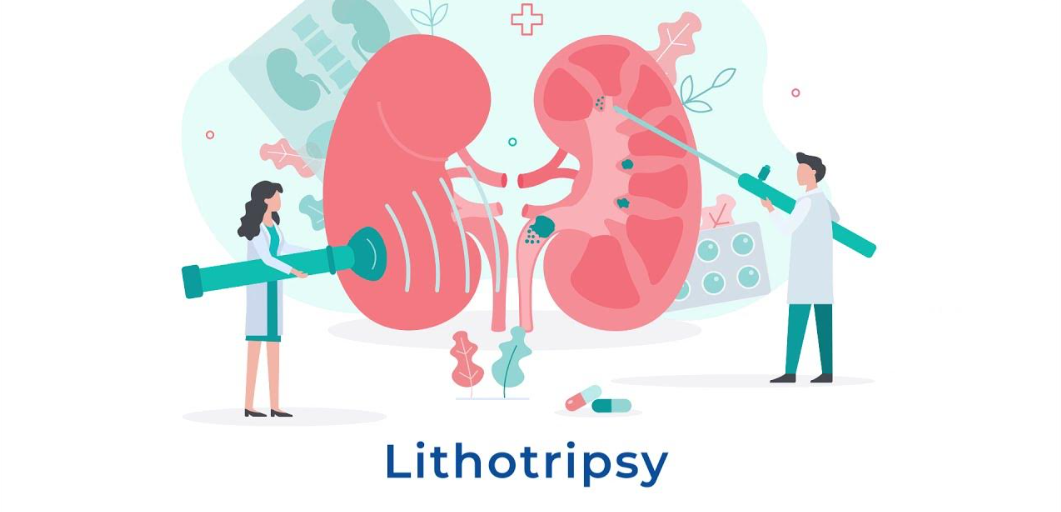
Introduction to Lithotripsy
Lithotripsy is a modern, minimally invasive medical procedure used to treat kidney stones, also known as renal calculi, which are hard deposits made of minerals and salts that form inside the kidneys or urinary tract. The term lithotripsy originates from the Greek words litho (meaning “stone”) and tripsis (meaning “to crush”). The procedure works by breaking down large kidney stones into smaller fragments that can easily pass through the urinary system and be excreted naturally through urine.
Kidney stones are one of the most common urological conditions affecting people worldwide. They can vary in size from a grain of sand to as large as a golf ball, and when they block urine flow or irritate the urinary tract, they can cause excruciating pain known as renal colic. Lithotripsy revolutionized the treatment of kidney stones when it was introduced in the 1980s, replacing traditional open surgery that required long recovery periods and left large scars.
Today, lithotripsy is performed using advanced technologies that employ high-energy sound waves, laser energy, or ultrasonic vibrations to fragment stones precisely without damaging surrounding tissues. The most common form, Extracorporeal Shock Wave Lithotripsy (ESWL), uses external sound waves focused directly on the stone. Other techniques, such as Laser Lithotripsy and Percutaneous Lithotripsy (PCNL), are used for more complex or larger stones.
The goal of lithotripsy is to provide an effective, less painful, and faster recovery treatment option. It is typically performed on an outpatient basis, meaning patients can return home the same day. With success rates exceeding 80% for most cases, lithotripsy remains the gold standard for non-surgical stone management in urology.
Causes and Risk Factors Related to Lithotripsy
Although lithotripsy itself is a treatment procedure rather than a disease, it is performed to treat kidney stones - a condition with multiple causes and contributing factors. Understanding what leads to the formation of stones helps prevent recurrence after lithotripsy and guides better kidney health management.
1. Causes of Kidney Stone Formation
Kidney stones develop when minerals and salts in the urine become too concentrated and begin to crystallize. Over time, these crystals stick together and form stones. Common causes include:
-
Dehydration:
Inadequate water intake concentrates urine, promoting the crystallization of minerals such as calcium, oxalate, and uric acid. -
Dietary Habits:
A diet high in sodium, animal protein, processed foods, and oxalate-rich substances (like spinach, nuts, tea, or chocolate) increases stone risk. -
Genetic Predisposition:
Family history plays a major role - if close relatives have had kidney stones, the likelihood increases significantly. -
Medical Conditions:
Conditions such as hyperparathyroidism, gout, urinary tract infections (UTIs), and obesity can alter urine chemistry and promote stone formation. -
Certain Medications:
Drugs like calcium-based antacids, diuretics, and excessive vitamin D supplements can contribute to stone buildup. -
Metabolic Disorders:
Abnormalities in calcium or uric acid metabolism lead to excessive mineral excretion and crystal formation.
2. Risk Factors Associated with Lithotripsy
Lithotripsy is a highly effective and safe treatment; however, several risk factors influence the success rate and healing process:
-
Stone Size and Location:
Larger stones or those lodged deep in the ureter may require multiple lithotripsy sessions. -
Obesity:
Excess body weight can affect shock wave transmission, making treatment less efficient. -
Kidney Function:
Pre-existing kidney disease may require modified energy settings during the procedure. -
Clotting Disorders:
Patients on blood thinners or with bleeding disorders must be carefully managed to avoid complications. -
Pregnancy:
Lithotripsy is contraindicated during pregnancy due to potential risks to the fetus.
Proper preoperative evaluation and individualized treatment planning ensure that lithotripsy remains a safe and effective option for the majority of patients.
Symptoms and Signs Indicating the Need for Lithotripsy
Kidney stones can exist silently in the body for a long time, but when they start moving or blocking urine flow, they produce noticeable symptoms. These symptoms can range from mild discomfort to severe, incapacitating pain. Lithotripsy is generally recommended when these stones cause significant distress or complications.
Common Symptoms Include:
-
Severe Back or Flank Pain (Renal Colic):
Intense pain radiating from the lower back or side toward the abdomen or groin is the most characteristic symptom. The pain may come in waves and vary in intensity. -
Blood in Urine (Hematuria):
The urine may appear pink, red, or brown due to irritation or damage to urinary tract walls. -
Frequent or Painful Urination:
Stones near the bladder or urethra can cause burning sensations, urgency, or difficulty urinating. -
Nausea and Vomiting:
These symptoms often accompany severe pain due to nerve connections between the kidneys and digestive tract. -
Fever and Chills:
Indicate a possible infection in the urinary tract or kidney - a medical emergency. -
Cloudy or Foul-Smelling Urine:
Suggests infection or the presence of pus in the urine. -
Obstruction and Swelling:
Large stones may block urine flow, leading to swelling of the kidney (hydronephrosis) and potential damage.
If imaging confirms that the stones are too large to pass naturally or are causing persistent pain, infection, or obstruction, lithotripsy becomes the treatment of choice.
Diagnosis and Evaluation Before Lithotripsy
Proper diagnosis is essential before deciding on lithotripsy. The main objectives are to confirm the presence, size, type, and location of the stones, evaluate kidney function, and rule out other medical conditions.
Diagnostic Steps Include:
-
1. Physical Examination and Medical History:
The doctor assesses symptoms, lifestyle habits, family history, and underlying medical conditions that may contribute to stone formation. -
2. Urinalysis:
A simple urine test helps detect blood, infection, and crystal types, offering clues about stone composition (e.g., calcium oxalate, uric acid, struvite). -
3. Blood Tests:
Check kidney function, calcium, phosphorus, and uric acid levels to understand the biochemical cause. -
4. Imaging Studies:
-
X-ray (KUB): Detects radio-opaque stones (calcium-containing stones).
-
Ultrasound: Safe, radiation-free tool to locate stones and evaluate obstruction.
-
Non-Contrast CT Scan: The gold standard for detecting even tiny stones anywhere in the urinary tract.
-
IV Pyelogram (IVP): An older but useful dye-based test to assess urine flow and blockage sites.
-
-
5. Stone Composition Analysis:
If a stone is passed naturally, it's analyzed to determine its chemical structure, guiding long-term preventive care.
Once the diagnosis is confirmed, the urologist decides whether lithotripsy is appropriate based on stone size (usually <2 cm), hardness, and anatomical considerations.
Treatment Options: Types and Procedures of Lithotripsy
Lithotripsy is an umbrella term encompassing several specialized procedures aimed at breaking stones into smaller fragments. The choice of technique depends on stone characteristics, location, and patient condition.
1. Extracorporeal Shock Wave Lithotripsy (ESWL)
The most common and non-invasive form of lithotripsy.
-
The patient lies on a treatment table; sound waves generated outside the body are precisely focused on the stone using X-ray or ultrasound guidance.
-
These shock waves travel harmlessly through the skin and soft tissues, concentrating energy on the stone and fragmenting it.
-
The smaller pieces then pass naturally through the urine over days or weeks.
Advantages:
-
No incision or surgical entry.
-
Outpatient procedure lasting 45-60 minutes.
-
Quick recovery with minimal discomfort.
Limitations:
-
Not suitable for very large or extremely hard stones.
-
May require multiple sessions.
2. Laser Lithotripsy
Used for stones in the ureter, bladder, or lower kidney where ESWL may be ineffective.
-
A thin ureteroscope is passed through the urethra and bladder to reach the stone.
-
A Holmium:YAG laser is then used to vaporize or fragment the stone into fine particles.
-
Fragments are either removed with special tools or allowed to pass naturally.
Benefits:
-
Highly precise with minimal tissue damage.
-
Effective on all stone types and densities.
-
Immediate stone clearance in most cases.
3. Percutaneous Nephrolithotomy (PCNL)
Reserved for large (>2 cm) or complex kidney stones.
-
A small incision is made in the back to access the kidney directly.
-
The surgeon uses a nephroscope and specialized energy devices (ultrasound or pneumatic) to break and extract stones.
Advantages:
-
High success rate even for large stones.
-
Direct removal minimizes recurrence.
Drawbacks:
-
Requires general anesthesia and short hospitalization.
4. Ultrasonic and Electrohydraulic Lithotripsy
Used during endoscopic procedures, these methods employ high-frequency sound waves or controlled electrical discharges to disintegrate stones safely.
Each method offers a balance between safety, precision, and recovery time, making lithotripsy adaptable to a wide range of stone types and patient profiles.
Prevention and Management After Lithotripsy
Successful lithotripsy not only eliminates current stones but also emphasizes long-term prevention to avoid recurrence. Patients are advised to adopt specific lifestyle and dietary habits for lifelong kidney health.
1. Hydration and Fluid Intake
-
Drink 2.5-3 liters of water daily to maintain dilute urine and prevent mineral crystallization.
-
Lemon water and citrate-rich beverages help neutralize acidity and reduce stone risk.
2. Dietary Modifications
-
Limit salt, red meat, processed foods, and sugar.
-
Avoid excessive intake of oxalate-rich foods such as spinach, beets, nuts, and chocolate.
-
Maintain moderate calcium intake; too little calcium can increase oxalate absorption.
-
Reduce alcohol and caffeine consumption, which may dehydrate the body.
3. Medications
Doctors may prescribe:
-
Thiazide diuretics to lower urinary calcium.
-
Allopurinol for uric acid stones.
-
Potassium citrate to alkalinize urine and prevent recurrence.
4. Regular Monitoring
Periodic follow-ups with imaging and urine tests help ensure complete stone clearance and monitor for new formations.
5. Post-Lithotripsy Recovery
-
Mild soreness, bruising, or pinkish urine for a few days is normal.
-
Continue prescribed antibiotics and painkillers.
-
Avoid strenuous activity for at least one week.
-
Strain urine to collect fragments for lab analysis.
Proper care after lithotripsy promotes faster healing and prevents future complications.
Complications of Lithotripsy
While lithotripsy is one of the safest urological procedures, minor side effects may occur, most of which are temporary and manageable.
Common Complications:
-
Hematuria: Light bleeding in urine lasting 2-3 days.
-
Pain or Cramps: Mild to moderate pain as fragments pass through the ureter.
-
Bruising or Swelling: At the site where shock waves entered the body.
-
Urinary Tract Infection: Prevented with antibiotics.
Rare but Serious Complications:
-
Steinstrasse (Stone Street):
A collection of stone fragments blocking the ureter, causing pain or obstruction. -
Kidney Injury:
Rare bruising or hematoma in kidney tissues from high-intensity waves. -
Incomplete Fragmentation:
Some stones may require additional treatment or repeat lithotripsy. -
Temporary Hypertension:
Rarely due to kidney irritation after treatment.
Overall, lithotripsy boasts a very high safety profile with minimal long-term side effects.
Living After Lithotripsy: Long-Term Health and Quality of Life
Most patients recover fully within a few days after lithotripsy and experience immediate relief from the pain and discomfort caused by stones. Normal activities can typically be resumed within 48 hours, though heavy exercise should be avoided for about a week.
Patients often notice an improvement in their quality of life, with restored kidney function, freedom from pain, and reduced anxiety about future stone attacks. To maintain these benefits, a proactive approach to hydration, diet, and regular medical checkups is essential.
Emotionally, the success of lithotripsy often enhances confidence and well-being, especially for individuals who suffered repeated stone episodes. The procedure not only restores physical health but also empowers patients to take charge of their kidney care through preventive practices.
Top 10 Frequently Asked Questions about Liposuction Surgery
1. What is Liposuction Surgery?
Liposuction surgery, also known as lipoplasty or body contouring surgery, is a cosmetic procedure designed to remove stubborn fat deposits from specific areas of the body. It works by using a suction technique to eliminate fat cells that do not respond to diet or exercise. Common target areas include the abdomen, thighs, buttocks, arms, back, chin, and neck. Liposuction helps sculpt and reshape the body, giving it a more balanced and toned appearance. However, it's important to note that liposuction is not a weight-loss method-it's best suited for individuals near their ideal body weight who want to refine their contours.
2. Who is the Ideal Candidate for Liposuction?
Ideal candidates for liposuction are adults in good general health who maintain a stable weight and have localized fat deposits that are resistant to regular physical activity or healthy eating. You should have firm, elastic skin and realistic expectations about the results. Liposuction is not suitable for individuals with serious health problems such as heart disease, diabetes, or blood circulation issues. It's also not recommended for patients who are significantly overweight or expecting major weight changes, such as during pregnancy.
3. What Areas of the Body Can Be Treated with Liposuction?
Liposuction can target nearly any area where excess fat accumulates. The most commonly treated areas include the abdomen, flanks (love handles), thighs, hips, buttocks, upper arms, chest, chin, and back. In some cases, liposuction may be used alongside other procedures like a tummy tuck or breast reduction for enhanced body contouring. The choice of treatment areas depends on the patient's aesthetic goals, body type, and the surgeon's recommendations after a thorough evaluation.
4. What Are the Different Types of Liposuction Techniques?
Modern liposuction techniques have evolved to improve safety, precision, and recovery.
-
Tumescent Liposuction: The most common method, where a saline solution mixed with anesthesia and epinephrine is injected to reduce pain and bleeding.
-
Ultrasound-Assisted Liposuction (UAL): Uses ultrasound energy to liquefy fat before removal, ideal for fibrous areas like the chest or back.
-
Laser-Assisted Liposuction (LAL): Melts fat using laser energy, offering better skin tightening and faster healing.
-
Power-Assisted Liposuction (PAL): Uses a vibrating cannula for more efficient fat removal with less trauma to surrounding tissues.
Your surgeon will determine the most suitable technique based on your body composition, skin type, and treatment goals.
5. Is Liposuction Surgery Painful?
Liposuction is typically performed under local anesthesia, sedation, or general anesthesia, depending on the treatment area and patient preference. During the procedure, you will not feel pain. After surgery, it is common to experience mild soreness, swelling, and bruising for several days. Pain medications and compression garments are prescribed to manage discomfort and promote healing. Most patients describe the sensation as mild muscle soreness rather than intense pain.
6. How Long Does the Recovery Take After Liposuction?
Recovery time varies depending on the extent of the surgery and the number of areas treated. Most patients can return to work within 3-7 days, while full recovery and final results may take 4-6 weeks. You will need to wear compression garments to reduce swelling and help your body adapt to its new contours. Light walking is encouraged soon after surgery to promote circulation, but strenuous activities and heavy lifting should be avoided for a few weeks. Regular follow-up visits with your surgeon ensure proper healing and lasting results.
7. What Are the Possible Risks and Side Effects of Liposuction?
Liposuction is generally safe when performed by a qualified and experienced surgeon, but like any surgical procedure, it carries potential risks. Common side effects include temporary bruising, swelling, numbness, and mild discomfort. Rare complications may include infection, uneven contours, fluid accumulation, or changes in skin sensation. Choosing a board-certified plastic or cosmetic surgeon greatly minimizes these risks. Following post-operative care instructions carefully also helps ensure a smooth recovery.
8. Are Liposuction Results Permanent?
Yes, the fat cells removed during liposuction are permanently eliminated and do not grow back. However, if you gain weight after the procedure, remaining fat cells in untreated areas can enlarge, potentially affecting the results. To maintain long-lasting results, it's crucial to adopt a healthy lifestyle that includes balanced nutrition, regular exercise, and hydration. Liposuction provides a long-term enhancement, but maintaining it depends on your commitment to wellness.
9. How Much Fat Can Be Safely Removed in One Session?
The amount of fat that can be safely removed varies depending on the patient's body type, health condition, and surgical plan. Generally, up to 5 liters (about 10-11 pounds) of fat can be removed in a single session. Removing excessive fat can increase the risk of complications such as fluid imbalance or contour irregularities. Your surgeon will focus on achieving natural, proportionate results rather than simply removing large volumes of fat.
10. How Much Does Liposuction Cost, and Is It Covered by Insurance?
The cost of liposuction varies based on the number of areas treated, the technique used, and the surgeon's expertise. On average, liposuction may range from $2,000 to $7,000 per treatment area. Since it is considered a cosmetic elective procedure, most health insurance plans do not cover it. However, some clinics offer financing plans or flexible payment options to make the procedure more affordable. Always consult with your surgeon's office for a detailed cost estimate and discuss any available financial plans.