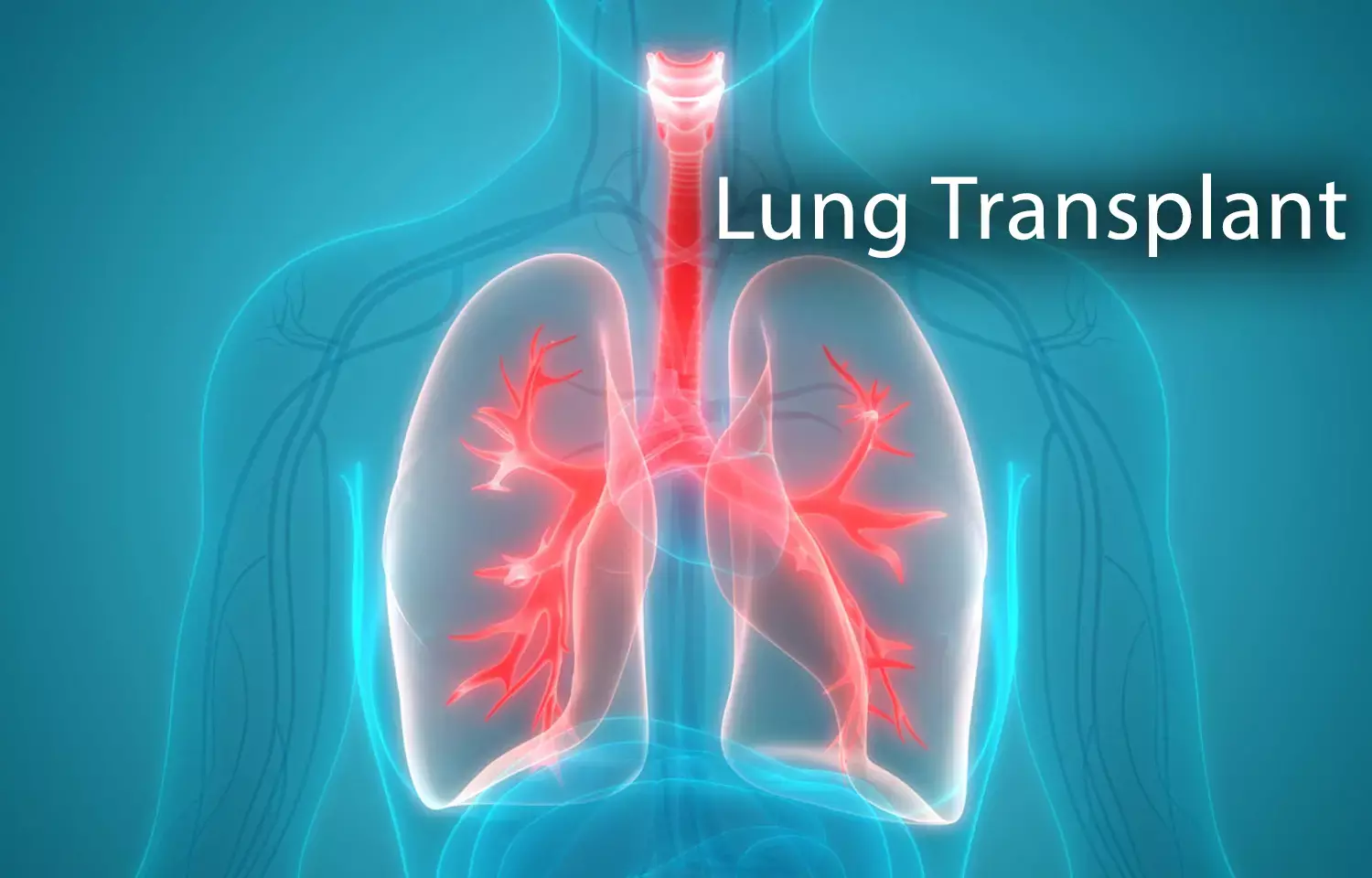
Introduction to Lung Transplant
A lung transplant is a highly complex surgical procedure designed for patients suffering from end-stage lung disease or severe pulmonary failure that cannot be managed effectively through medical therapy. This life-saving procedure involves the replacement of one or both diseased lungs with healthy lungs from a donor, and it aims not only to extend life but also to significantly improve quality of life by alleviating symptoms such as breathlessness, chronic fatigue, recurrent infections, and exercise intolerance.
Modern lung transplantation has evolved over decades, and advances in surgical techniques, organ preservation, immunosuppressive therapy, and postoperative critical care have substantially improved both survival rates and long-term outcomes. Lung transplantation can be performed as a single-lung transplant, double-lung transplant, or, in select cases, a heart-lung transplant for patients with combined cardiopulmonary disease.
The procedure is considered the gold standard for individuals whose lung function has declined to the point that routine activities are severely limited, oxygen supplementation is required continuously, and life expectancy without intervention is poor. Beyond the surgical replacement itself, lung transplantation requires lifelong medical management, patient engagement, and a supportive care network to optimize outcomes and ensure graft survival.
Causes and Risk of Lung Transplant
Lung transplant is most commonly needed for patients with advanced, end-stage lung disease that is no longer manageable with medications or other medical therapies. The main causes and risk factors relate to underlying chronic lung conditions, the severity of respiratory failure, and overall patient health.
Causes
The need for lung transplantation usually arises from chronic, progressive lung conditions that are no longer manageable by standard treatments. Specific causes include:
-
Interstitial lung diseases (such as pulmonary fibrosis) where lung tissue becomes scarred and stiff.
-
Chronic obstructive pulmonary disease (COPD) and emphysema, where airflow is severely limited.
-
Pulmonary hypertension, where high blood pressure in the lung arteries damages lung and heart function.
-
Cystic fibrosis and other genetic lung disorders that lead to lung failure.
-
Bronchiectasis and certain rare lung diseases (e.g., lymphangioleiomyomatosis) that progressively destroy lung tissue.
-
Acute lung failure from injury such as severe viral infections, or diseases that lead to irreversible lung damage.
Risk Factors
Several factors increase the risk of progressing to end-stage lung disease necessitating transplant:
-
Long-term smoking or exposure to harmful airborne pollutants or occupational inhalants.
-
Genetic predispositions (e.g., cystic fibrosis, alpha-1 antitrypsin deficiency).
-
Repeated lung infections or long-standing lung inflammation.
-
Autoimmune or connective-tissue diseases affecting the lungs.
-
Poor response to aggressive medical therapy when lung disease becomes advanced.
-
Failure of other lung-saving surgeries or interventions, meaning lung transplant becomes a remaining option.
Understanding these causes and risk factors is essential so patients and clinicians can recognise when the lung disease is progressing to a critical stage and when transplant referral should be considered.
Symptoms and Signs of End-Stage Lung Disease (Leading to Transplant)
When lung disease becomes advanced enough to consider transplantation, patients often experience a constellation of symptoms and signs that reflect severely impaired lung function and resultant systemic impact.
Key Symptoms
-
Marked and persistent shortness of breath (dyspnoea), even at rest or with minimal exertion.
-
Chronic cough, often productive, or frequent lung infections.
-
Fatigue and weakness, due to poor oxygenation and high work of breathing.
-
Reduced exercise tolerance, inability to perform daily tasks or climb stairs.
-
Chest pain or tightness, especially in the case of pulmonary hypertension.
-
Bluish lips or fingertips (cyanosis) in some cases, indicating low blood oxygen.
-
Weight loss and muscle wasting, as advanced lung disease can lead to systemic effects.
Signs on Examination / Investigations
-
Abnormal lung auscultation (crackles, wheezes).
-
Clubbing of fingers in chronic cases.
-
Elevated heart rate or signs of right-heart strain (in pulmonary hypertension).
-
Pulmonary function tests showing severely reduced lung volumes/DLCO.
-
Imaging (CT scan, X-ray) showing lung scarring, airway dilation, pulmonary artery enlargement.
If these symptoms persist despite best medical therapy and lung function continues to decline, transplant evaluation becomes highly relevant.
Diagnosis of Lung Transplant Eligibility
To determine whether a patient is suitable for a lung transplant involves a detailed and multi-step diagnostic process. It's not just about diagnosing lung disease, but assessing the patient's overall health, projected prognosis, and transplant-risk/benefit balance.
Diagnosing Underlying Lung Disease
-
Detailed medical history: onset, progression of lung symptoms, prior therapies, comorbidities, smoking history.
-
Physical examination focusing on lung and heart function (right heart strain, signs of pulmonary hypertension).
-
Pulmonary function tests (spirometry, lung volumes, diffusion capacity).
-
Arterial blood gases and oxygenation studies.
-
High-resolution CT scans of the chest for structural lung damage (fibrosis, emphysema, airway disease).
-
Echocardiogram and right-heart catheterisation if pulmonary hypertension suspected.
-
Other tests: genetic tests (in cystic fibrosis/alpha-1 antitrypsin), infections, autoimmune screens.
Transplant-Eligibility Evaluation
-
Assessment of life expectancy without transplant (often the patient has <1-3 years survival if no transplant done).
-
Evaluation of comorbid conditions (kidney, liver, heart disease), body habitus, nutritional status.
-
Psychological and social evaluation: ability to adhere to lifelong immunosuppression, support system, financial/insurance issues.
-
Assessment of donor-recipient matching (blood type, lung size, organ availability).
-
Contraindications must be ruled out (active malignancy, uncontrolled infection, active smoking, severe systemic disease).
Once the diagnostic and eligibility evaluations are complete, the transplant team places the patient on a waiting list (if accepted) while optimising their condition pre-transplant.
Treatment Options of Lung Transplant
Lung transplantation is the definitive treatment for selected patients with end-stage lung disease. But it sits within a spectrum: prior therapies, transplant surgery itself, and post-transplant care.
Pre-Transplant Therapies
Before transplant, every effort is made to optimise lung and overall health:
-
Maximal medical treatment: medications (anti-fibrotics, bronchodilators, inhaled therapies), oxygen therapy, pulmonary rehabilitation.
-
Surgical or interventional procedures: lung volume reduction surgery, bronchial hygiene in bronchiectasis, management of pulmonary hypertension.
-
Lifestyle optimisation: smoking cessation, vaccination, nutritional support, exercise training.
If all these fail to halt decline, transplant becomes the next option.
The Transplant Procedure
-
Single-lung, double-lung or heart-lung transplant depending on disease type and patient factors.
-
Donor lungs must be matched and preserved; transplantation involves removal of diseased lung(s), implantation of donor lung(s), reconnection of airways and blood vessels.
-
Post-surgery intensive care and hospital stay monitoring for graft function, rejection, infection.
Post-Transplant Care and Lifelong Management
-
Lifelong immunosuppressive therapy to prevent rejection.
-
Frequent follow-up: lung function tests, imaging, surveillance for complications.
-
Rehabilitation: restoring strength, improving breathing mechanics, lifestyle adaptation.
-
Management of complications: infection risk, organ rejection, graft dysfunction, cardiovascular health, kidney health, malignancy risk.
In this section, you'll detail how the treatment journey unfolds from pre-transplant through surgery and long-term care, emphasising both benefits and responsibilities.
Prevention and Management of Lung Disease & Post-Transplant Care
Prevention and management of chronic lung disease-and especially post-transplant care-require a blend of lifestyle strategies, medical therapy, infection prevention, and close monitoring to protect lung function and maximize transplant success.
Prevention of Lung Disease Progression
Since transplant is a major surgery with lifelong consequences, prevention of progression to that stage is critical:
-
Avoid or quit smoking and exposure to harmful inhalants.
-
Ensure early and aggressive treatment of underlying lung disease (e.g., interstitial lung disease, COPD).
-
Regular pulmonary rehabilitation and exercise to maintain lung strength.
-
Vaccination and infection prevention (since lung infections accelerate lung damage).
-
Monitoring and early referral when lung disease advances despite therapy.
Post-Transplant Management
After transplantation, careful management is required to preserve graft function and patient health:
-
Adherence to immunosuppressants, infection prophylaxis, monitoring for rejection.
-
Routine lifestyle habits: healthy diet, exercise, maintaining ideal body weight, avoiding smoking, limiting alcohol.
-
Regular follow-up visits (pulmonologist, transplant team), lung function tests, imaging.
-
Monitoring for and managing complications early: graft rejection, infection, cardiovascular disease, kidney dysfunction, bone health, malignancy risk.
-
Psychological and social support: getting used to new lungs, managing anxiety or depression, maintaining quality of life.
Prevention and management in this context mean both preventing the lung disease from reaching transplant stage and managing life after transplant to get the best outcomes.
Complications of Lung Transplant
While lung transplantation offers substantial benefits for end-stage lung disease, it also carries risks of complications-both early (peri-operative) and late (long-term).
Early Complications
-
Primary graft dysfunction (immediate poor function of new lung).
-
Surgical complications: bleeding, infection, airway complications, blood-vessel thrombosis.
-
Rejection episodes (acute).
-
Infections due to immunosuppression.
Late Complications
-
Chronic lung allograft dysfunction (CLAD) including bronchiolitis obliterans syndrome leading to decline in lung function over time.
-
Recurrence of original lung disease in the transplanted lung (in some diseases).
-
Long-term side-effects of immunosuppression: kidney damage, hypertension, diabetes, metabolic syndrome, malignancies.
-
Infections: opportunistic infections, viral, fungal infections.
-
Quality-of-life issues: rejection episodes, hospitalisations, medication side-effects.
Informing patients about these complications helps set realistic expectations and reinforces the need for lifelong vigilance and follow-up.
Living with a Lung Transplant
Receiving a lung transplant is a life-changing event. It offers the possibility of extended, improved life, but it also requires ongoing care, adaptation and responsibility.
Early Post-Transplant Life
-
Hospital stay followed by intensive monitoring and rehabilitation.
-
Patients gradually resume activities under guidance of transplant team.
-
Frequent check-ups, lung function assessments, immunosuppressive drug adjustments.
Long-Term Living
-
Many patients achieve significantly improved breathing, activity levels and quality of life compared to pre-transplant.
-
However, patients must maintain healthy lifestyles: adhere to medications, avoid smoking/exposure, maintain ideal weight, get vaccinations, engage in safe levels of physical activity.
-
Regular lung function testing, imaging, and transplant-clinic follow-up are essential.
-
Emotional and psychological support is important: adjusting to life with a transplant, dealing with fears of rejection, chronic medication, lifestyle changes.
-
Patients also should watch for warning signs of complications (e.g., increasing breathlessness, fever, swelling) and contact their transplant team promptly.
Practical Considerations (Especially in the Indian/Regional Context)
-
Access to specialised transplant centres, donor availability, cost and infrastructure are key considerations.
-
Patient education on immunosuppression, infection prevention, travel and long-term follow-up are essential for success.
-
Support networks (family, caregiver, transplant community) play a major role in successful long-term outcomes.
Living with a lung transplant is more than the surgery-it's a lifelong partnership between the patient, healthcare team and support network to maintain health, monitor graft function, and enjoy improved life.
Top 10 Frequently Asked Questions about Lung Transplant
1. What is a lung transplant?
A lung transplant is a surgical procedure in which a diseased or failing lung is replaced with a healthy lung from a donor. This surgery is typically performed in patients with severe lung diseases such as chronic obstructive pulmonary disease (COPD), cystic fibrosis, pulmonary fibrosis, or pulmonary hypertension, when other treatments no longer help. Lung transplantation can involve one lung (single lung transplant) or both lungs (double lung transplant), depending on the patient's condition and the surgeon's recommendation.
2. Who is a candidate for a lung transplant?
Candidates are usually adults or children with end-stage lung disease whose quality of life is severely impacted and who have exhausted medical treatments. Ideal candidates:
-
Have a severe, progressive lung disease.
-
Are healthy enough to undergo major surgery and long-term immunosuppressive therapy.
-
Do not have uncontrolled infections, cancer, or other medical conditions that would increase surgical risk.
-
Are committed to lifestyle changes, including quitting smoking and adhering to lifelong follow-up care.
A comprehensive evaluation by a transplant team is required to determine eligibility.
3. What types of lung donors are there?
Lung donors can be deceased donors, where the lungs are retrieved from individuals who have passed away, or living donors, in rare cases, where a healthy person donates a portion of a lung. Allocation of donor lungs is based on blood type, body size, medical urgency, and other compatibility factors to ensure the best outcomes for the recipient.
4. How long is the waiting period for a lung transplant?
The waiting time varies widely depending on factors such as the patient's medical urgency, blood type, body size, and availability of suitable donor lungs. Patients with severe lung disease are often prioritized on the waiting list. The wait can range from weeks to months, and patients must be monitored closely during this period to manage their lung condition and remain eligible for transplantation.
5. What are the risks and complications of lung transplant surgery?
Lung transplantation carries significant risks, including:
-
Infection due to immunosuppressive medications.
-
Organ rejection, where the body's immune system attacks the new lung.
-
Bleeding, blood clots, or complications from anesthesia.
-
Post-operative complications such as airway narrowing or lung dysfunction.
-
Long-term risks from immunosuppressive therapy, including kidney problems, diabetes, or cancer.
Careful monitoring, adherence to medication, and regular follow-ups help reduce these risks and improve outcomes.
6. What is the recovery process after a lung transplant?
After surgery, patients typically stay in the intensive care unit (ICU) for several days, followed by a hospital stay of 2-4 weeks. Recovery involves:
-
Gradual reintroduction of physical activity and pulmonary rehabilitation exercises.
-
Strict adherence to medications to prevent rejection and infection.
-
Regular monitoring of lung function, blood tests, and imaging.
Full recovery and return to normal activity can take several months. Pulmonary rehabilitation and lifestyle adjustments play a key role in long-term success.
7. How long do lung transplants last?
The lifespan of a transplanted lung varies among patients. On average, single lung transplants may last 5-7 years, while double lung transplants may last 7-10 years or more. Success depends on factors such as age, underlying disease, adherence to medications, and overall health. Lifelong follow-up is essential to monitor for rejection, infections, and other complications.
8. Will I need medications after a lung transplant?
Yes. Patients must take immunosuppressive medications for life to prevent the body from rejecting the transplanted lung. Additional medications may include antibiotics, antivirals, or antifungal drugs to prevent infections, and medications to manage blood pressure, cholesterol, or diabetes. Compliance with the prescribed medication regimen is crucial for the success and longevity of the transplant.
9. Can lung disease recur after a transplant?
In some cases, the underlying lung disease can recur in the transplanted lung. For example, conditions such as pulmonary hypertension or certain genetic disorders may affect the new lung if not properly managed. Close monitoring by the transplant team, regular testing, and adherence to medications are essential to minimize the risk of disease recurrence.
10. How much does a lung transplant cost, and is it covered by insurance?
Lung transplantation is a complex and costly procedure that includes surgery, hospital stay, medications, rehabilitation, and lifelong follow-up care. Costs vary depending on the hospital, surgeon, and country. Most health insurance plans cover lung transplants if deemed medically necessary, but coverage for medications and long-term care may vary. Patients should consult with their insurance provider and the transplant center's financial counselors to understand coverage, out-of-pocket expenses, and available financing options.