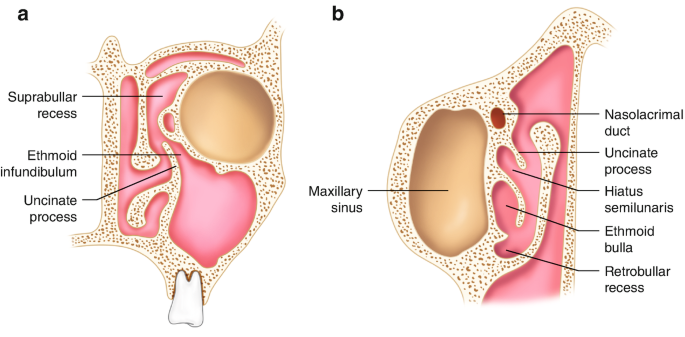
Introduction to Maxillary Antral Sinus Washout
The maxillary sinuses are air-filled cavities located in the cheekbones (the antral region of the maxilla) and they play a role in normal nasal and sinus drainage, humidifying air, and reducing skull weight. When the maxillary sinus becomes infected, filled with mucus, pus or blocked due to chronic inflammation, it can lead to persistent symptoms such as facial pain, pressure, discharge, and headache. In situations where medical treatments (antibiotics, nasal sprays, decongestants) fail to clear the infection or drainage, a procedure called "maxillary antral sinus wash-out" (also known as antral lavage or wash-out) may be performed.
This minimally invasive surgical intervention involves accessing the maxillary sinus (often via the inferior meatus or through a small puncture) and flushing the sinus cavity with saline (and sometimes medicated solution), removing debris, mucus, pus and restoring drainage.
The concept is to "wash out" the problematic content, re-establish drainage through the natural ostium (opening) of the maxillary sinus, and thereby relieve symptoms and reduce recurrence of infection. The remainder of this section would set the stage: what the procedure is, when it is used, how it differs from other sinus surgeries (such as full endoscopic sinus surgery), and what the patient should expect in overview.
Causes and Risks That Lead to Need for Maxillary Antral Sinus Washout
The need for maxillary antral sinus washout most commonly arises from persistent or severe maxillary sinus infections-either acute or chronic-that do not respond to standard medical treatments. Several causes and risk factors can predispose a patient to recurrent or complicated sinusitis requiring this intervention.
Causes
Persistent or recurrent maxillary sinus disease that fails medical therapy is the main indication. Underlying causes include:
-
Chronic maxillary sinusitis: prolonged inflammation of the sinus lining leading to blocked drainage, mucus accumulation and secondary infection.
-
Sub-acute maxillary sinusitis: when sinus infection persists beyond the acute phase but is not fully resolved.
-
Mucus retention or inspissated secretions in the maxillary sinus that cannot be cleared naturally.
-
Anatomical factors: narrow or obstructed maxillary ostium (the natural drainage opening), deviation of nasal septum, hypertrophied turbinates, or polyps that impair drainage.
-
Post-dental events: extraction of upper molars, oro-antral communication, or dental-related infections that affect the maxillary sinus.
-
Prior sinus surgery or trauma leading to altered drainage pathways.
Risks / Factors That Increase the Likelihood
-
Repeated upper respiratory infections, allergies or sinus inflammation.
-
Smoking, which impairs mucociliary clearance and predisposes to chronic sinus disease.
-
Poor nasal airflow or anatomical variations that predispose to drainage obstruction.
-
Untreated dental infections or poor oral hygiene involving upper teeth near the sinus floor.
-
Inadequate response to medical therapy (antibiotics, decongestants, nasal irrigation) prompting procedural intervention.
By discussing causes and risk factors, this section helps the reader understand why a wash-out might become necessary and which patients are more likely to require it.
Symptoms and Signs of Maxillary Sinus Disease Requiring Washout
Before moving to the procedure, it is essential to describe what symptoms and clinical signs lead patients and doctors to consider a wash-out of the maxillary sinus.
Symptoms
-
Persistent facial pain or pressure, often over the cheek or maxillary area, typically worse when bending forward or with changes in posture.
-
Nasal discharge or post-nasal drip-especially thick, coloured mucus from the nose or throat.
-
Reduced sense of smell or taste (hyposmia) when the sinus drainage is compromised.
-
Headache, often frontal or over the cheekbone region, aggravated by sinus congestion.
-
Dental pain or upper toothache-like sensation, especially in the upper molars, due to proximity to the maxillary sinus floor.
-
Bad breath (halitosis) or bad taste in the mouth resulting from stagnant mucus in the sinus.
-
Symptoms that persist despite antibiotics, nasal sprays, or other traditional treatments.
Signs on Examination / Investigations
-
On anterior rhinoscopy or nasal endoscopy: swelling of the mucosa in the inferior meatus or middle meatus, purulent discharge, congestion of the nasal passages.
-
Tenderness on palpation of the cheek or over the maxillary sinus floor.
-
On imaging (plain X-ray or CT scan of the paranasal sinuses): opacification of the maxillary sinus, air-fluid levels, thickened sinus mucosa, or blocked ostium.
When these symptoms and signs align, especially with poor response to medical therapy, physicians may recommend a procedural wash-out.
Diagnosis and Pre-Washout Evaluation
Diagnosing the candidacy for a maxillary antral sinus wash-out involves a structured evaluation: confirming the underlying maxillary sinus pathology and assessing the suitability of procedural intervention.
Diagnostic Work-up
-
Medical history: Duration, severity of symptoms, prior treatments, response to medications, any dental history, allergies, prior sinus surgery.
-
Physical exam: Nasal endoscopy, dental/upper-jaw check, palpation of sinus regions.
-
Imaging: CT scan of paranasal sinuses is the gold standard to evaluate sinus anatomy, drainage pathways, ostium patency, extent of disease (e.g., mucosal thickening, fluid levels). Plain radiographs may be used in resource-limited settings.
-
Microbiological / culture tests: In some cases, evaluation of sinus aspirate or fluid may guide antibiotic therapy.
Preparation and Planning
-
Identification of obstructing factors: If anatomical blockage (nasal polyps, deviated septum, turbinate hypertrophy) is present, this may need to be addressed either before or in conjunction with wash-out.
-
Assessment of patient health: ensure there are no contraindications to the minor surgical procedure (e.g., uncontrolled bleeding disorder, active facial trauma, acute severe infection needing full surgery rather than wash-out).
-
Informed consent: discussion of procedure, benefits, alternatives, risks.
This section would explain how the decision is made, what investigations are required, and how a physician assesses whether a wash-out is suitable instead of or in addition to other surgical options.
Treatment Options: Maxillary Antral Sinus Washout and Alternatives
Maxillary antral sinus washout is an established treatment for stubborn maxillary sinus infections, but modern alternatives-including minimally invasive endoscopic and medical therapies-are now often preferred depending on the underlying cause, severity, and response to initial management.
The Wash-out Procedure
Maxillary antral sinus washout is a minimally invasive day-care procedure. Key points:
-
Under local or sometimes general anaesthesia (depending on patient and setting), a cannula or trocar is introduced into the maxillary sinus (often through the inferior meatus or via a small puncture in the canine fossa).
-
The sinus is irrigated with saline (and sometimes antibiotic/medicated solution) to flush out mucus, pus, debris, and restore drainage.
-
The returning fluid is collected or observed; the procedure may be repeated for each side as needed.
-
The patient usually experiences immediate relief from pressure, and the procedure takes only minutes in many cases.
Alternatives and Adjunct Procedures
-
Functional Endoscopic Sinus Surgery (FESS): For chronic or multi-sinus disease, FESS may be the gold standard: involves endoscopic enlargement of the drainage pathway, removal of polyps, mucosa, etc.
-
Balloon sinuplasty or maxillary antrostomy: Less invasive alternatives or adjuncts to open the maxillary ostium or improve drainage anatomically.
-
Continued medical management: Including antibiotics guided by culture, nasal corticosteroids, saline irrigations, allergy control.
Choosing the Right Option
-
For sub-acute or simple maxillary sinusitis not responding to medical therapy, antral wash-out may be sufficient.
-
For chronic, multi-sinus, poly-disease states (polyps, deviated septum, ethmoid involvement), FESS or more extensive surgery may be preferred.
This section explains what the wash-out entails, how it compares to other options, and how the choice is tailored to the patient.
Prevention and Management (Pre-Procedure & Post-Procedure Care)
Prevention and management for maxillary antral sinus washout (lavage) focus on preparing the patient for a safe procedure, minimizing infection, pain, and bleeding risk, and ensuring successful healing and symptom relief afterward. Comprehensive pre-procedure planning and meticulous post-procedure care are key.
Prevention of Recurrence of Maxillary Sinus Disease
-
Maintain good nasal hygiene: regular nasal saline irrigations at home to keep drainage pathways open.
-
Address underlying factors: manage allergies, avoid smoking, treat deviated septum/turbinate hypertrophy if present.
-
Dental hygiene: ensure upper-jaw dental health since dental infections can propagate into the maxillary sinus.
-
Early treatment: prompt medical therapy of sinus infections to avoid chronicity or accumulation of debris in the sinus.
Post-Procedure Management
-
After wash-out, patients should follow instructions: avoid vigorous nose-blowing for a short period, regular nasal saline sprays or rinses, analgesics if required, monitoring of any bleeding or discomfort.
-
Follow-up care: physician may schedule nasal endoscopy or a check visit to ensure the maxillary sinus ostium remains patent and symptoms have resolved.
-
Recognise warning signs of recurrence: persistent discharge, facial pain, fever, worsening of symptoms.
By emphasising both prevention and after-care, this section provides value for patients and helps them understand how to maximise the benefit of the procedure.
Complications of Maxillary Antral Sinus Washout
Although antral sinus wash-out is generally safe and well tolerated, there are both minor and more serious complications to be aware of.
Potential Complications
-
Bleeding or hematoma at the puncture site or within the cheek region, especially if bone is thick or patient has bleeding tendency.
-
Pain or discomfort during or after the procedure, usually mild but requiring analgesics in some cases.
-
Puncture of adjacent structures: in rare cases, accidental entry into orbit or cheek tissue, leading to swelling, emphysema or extravasation of irrigation fluid.
-
Failure of drainage re-establishment: If the maxillary ostium is still blocked, symptoms may persist and other surgery may be needed.
-
Infection or worsening of sinusitis if irrigation spreads infection or if underlying drainage pathways remain blocked.
-
Recurrence of disease: Particularly if underlying anatomical or allergic causes are not addressed; the procedure may need to be repeated or escalated to FESS.
Contextualising Risk
-
Many studies show high success (>80%) for sub-acute disease with wash-out, but markedly lower efficacy in very chronic, multi-sinus disease. (E.g., one study reported ~85% relief in early stage disease).
-
The patient should be aware that wash-out is not a guarantee of cure in all cases-especially if underlying issues persist.
By clearly listing complications, you help set realistic expectations and emphasise the need for careful follow-up.
Living with the Condition After Maxillary Antral Sinus Washout
Undergoing a maxillary antral sinus wash-out is a positive step, but long-term success depends on patient participation, follow-up and lifestyle modifications.
Recovery and Daily Life
-
Many patients experience immediate relief of pressure and discharge; full return to normal daily activities is often rapid after the wash-out.
-
Patients should continue nasal saline rinses, avoid triggers (allergens, smoking, pollutants), and ensure adequate nasal airflow.
Long-Term Outlook and Quality of Life
-
With successful wash-out and drainage restoration, patients often enjoy improved nasal breathing, less facial pressure/pain, fewer infections and better overall sinus health.
-
If underlying problems (nasal obstruction, allergies, dental issues) are resolved, recurrence is less likely.
-
Patients should remain vigilant for new symptoms (persistent discharge, cheek pain, repeated infections) and seek ENT review early.
Practical Tips for Patients
-
Maintain follow-up appointments with ENT specialist.
-
Continue proactive nasal care (saline rinses, nasal steroid sprays if indicated).
-
Maintain dental care for upper-jaw teeth adjacent to maxillary sinus.
-
Avoid smoking and ensure good indoor air quality.
-
Be aware of signs of recurrence and seek prompt evaluation.
By offering practical advice for life after the procedure, this section empowers patients to maximise benefit and maintain long-term health.
Top 10 Frequently Asked Questions about Maxillary Antral (Sinus) Washout
1. What is a maxillary antral sinus washout?
A maxillary antral sinus washout is a minor surgical procedure used to clean and irrigate the maxillary sinus, one of the air-filled cavities located behind the cheeks. The procedure is performed to remove mucus, pus, or debris caused by chronic sinus infections, retained foreign bodies, or dental infections that have spread to the sinus. It helps relieve pain, reduce infection, and promote better sinus drainage.
2. Why is a maxillary sinus washout necessary?
The procedure is typically recommended when patients have:
-
Chronic sinus infections (chronic sinusitis) that do not respond to antibiotics.
-
Accumulated pus or fluid in the sinus causing facial pain, swelling, or pressure.
-
Blocked sinus drainage due to anatomical variations or previous dental infections.
-
Presence of foreign bodies in the sinus, such as displaced teeth or dental materials.
By flushing out the sinus, the procedure provides relief from pain and reduces the risk of recurrent infections.
3. Who is a candidate for maxillary sinus washout?
Candidates include patients with:
-
Persistent maxillary sinus infections.
-
History of dental infections affecting the sinus.
-
Recurrent sinusitis with poor response to medications.
-
Suspected retained debris or foreign bodies in the sinus.
An ENT specialist or maxillofacial surgeon will evaluate the patient using imaging studies, such as X-rays or CT scans, to confirm the need for the procedure.
4. How is the procedure performed?
Maxillary sinus washout is performed under local or general anesthesia, depending on the patient's comfort and the complexity of the procedure. The surgeon accesses the maxillary sinus, often through the nasal passage or a small incision in the gum above the upper teeth, and irrigates the sinus with sterile saline to remove pus, mucus, or debris. In some cases, antibiotic solutions may also be used during irrigation. The procedure usually takes 30-60 minutes.
5. Is maxillary sinus washout painful?
During the procedure, patients are under anesthesia, so no pain is felt. After the procedure, mild discomfort, nasal congestion, or a feeling of pressure in the cheeks may occur. This discomfort is usually temporary and can be managed with over-the-counter pain medications. Some swelling or mild bleeding may also occur but generally resolves within a few days.
6. What are the risks and complications of maxillary sinus washout?
Although generally safe, potential risks include:
-
Minor bleeding at the incision or nasal passage.
-
Infection or delayed healing.
-
Temporary swelling or facial discomfort.
-
Rare injury to surrounding structures, such as teeth roots or nerves.
Following post-operative care instructions and using prescribed medications reduces the likelihood of complications.
7. How long is the recovery period?
Recovery is usually quick. Most patients can resume normal activities within 1-3 days. Complete healing of the sinus may take a week or two. Patients are advised to avoid strenuous activity, blowing the nose forcefully, or exposure to dusty or polluted environments during the early recovery period. Follow-up visits may be scheduled to ensure the sinus is draining properly and free of infection.
8. Will sinus washout cure chronic sinus infections?
Maxillary sinus washout can significantly reduce symptoms and help clear persistent infections, but it may not always prevent future sinus infections. Patients with underlying conditions, such as allergies, deviated septum, or chronic inflammation, may require additional treatments or preventive measures to reduce recurrence. Regular monitoring by an ENT specialist is recommended.
9. Are medications required after sinus washout?
Yes, post-procedure care often includes:
-
Antibiotics to prevent or treat infection.
-
Nasal decongestants or saline sprays to keep the sinus clear.
-
Pain relievers to manage mild discomfort.
Patients must follow the prescribed medication regimen and attend follow-up appointments to ensure complete healing.
10. How much does maxillary sinus washout cost, and is it covered by insurance?
The cost of a maxillary sinus washout depends on factors such as the hospital, surgeon's fees, anesthesia, and post-procedure care. Most health insurance plans cover the procedure if it is medically necessary to treat sinus infections or remove foreign bodies. Patients should confirm coverage, co-pays, and any out-of-pocket costs with both the hospital and their insurance provider before the procedure.