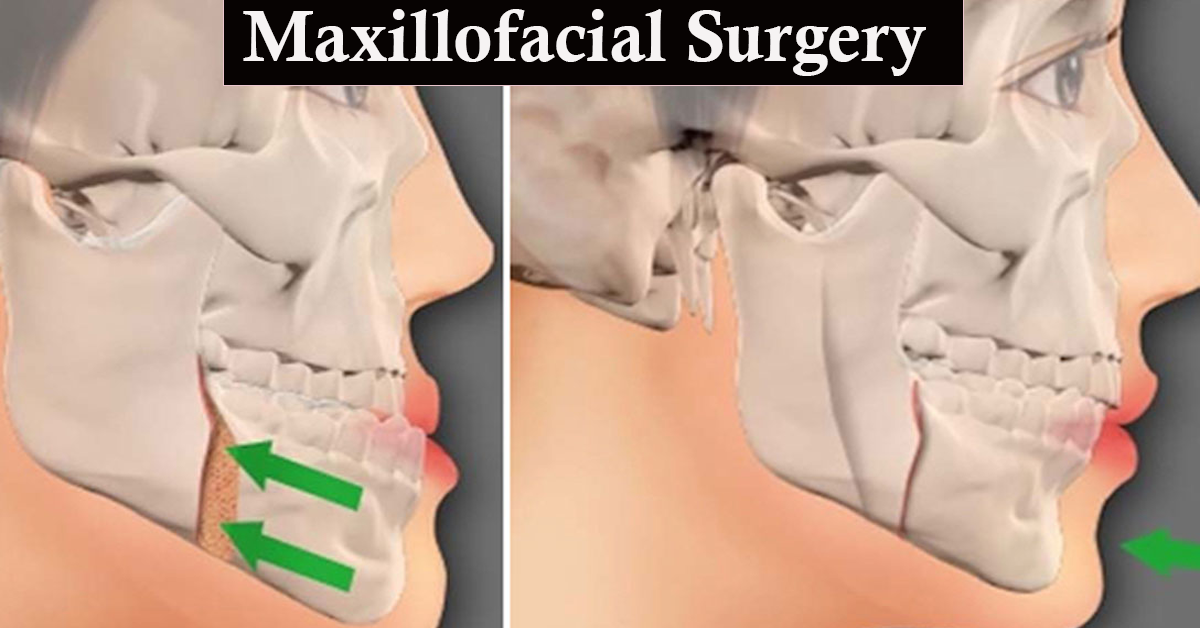
Introduction to Maxillofacial Surgery
Maxillofacial surgery is a specialized surgical field focused on diagnosing and treating diseases, injuries, congenital deformities and functional problems affecting the face, jaws (maxilla and mandible), oral cavity, and neck region. Whereas many dental surgeries address simpler tasks such as tooth removal or implants, maxillofacial surgery combines the disciplines of dentistry and medicine to tackle complex conditions involving bone, soft tissue, teeth, nerves, and airway systems.
Common examples include corrective jaw (orthognathic) surgery, surgery for facial trauma (fractures of cheekbones, orbital floor, mandible), removal of jaw cysts or tumors, reconstructive surgery following head and neck cancer, and treatment of temporomandibular joint (TMJ) disorders. Because the face and jaws play vital roles in chewing, speaking, breathing, appearance, and airway health, maxillofacial surgeons have a critical role in restoring both form and function. Modern techniques incorporate 3-D imaging, computer aided planning, and minimally invasive approaches to enhance outcomes and accelerate recovery.
Causes and Risk Factors for Maxillofacial Surgery
The most common causes and risk factors leading to maxillofacial surgery include congenital deformities, trauma, dental disease, tumors, joint disorders, and functional or cosmetic concerns. This wide surgical specialty addresses medical, structural, and aesthetic needs of the face, jaws, and oral cavity.
Indications (Why surgery is needed):
Maxillofacial surgery becomes necessary when structural, developmental, traumatic or pathological issues impair normal jaw/face function or pose risks to health or aesthetics. Such indications include:
-
Trauma: facial fractures from accidents, falls, sports injuries or assaults requiring surgical fixation of bones.
-
Congenital deformities: such as cleft lip and palate, mandibular or maxillary hypoplasia (under-development) or prognathism (excessive jaw protrusion).
-
Malocclusion or misaligned jaws: which cause difficulty chewing, speaking, TMJ pain or airway obstruction.
-
Pathological conditions: jaw cysts or tumors, benign or malignant lesions in the oral/maxillofacial region.
-
Functional disorders: including severe TMJ dysfunction, obstructive sleep apnea related to jaw position, or severely impacted teeth requiring surgical access.
Risk Factors / Considerations:
Although the procedure is tailored to each patient, certain factors increase complexity or risk:
-
Poor general health or comorbidities (cardiovascular disease, diabetes, smoking) that impair healing.
-
Compromised bone quality (osteoporosis, prior radiation therapy).
-
Complex anatomy (multiple fractures, cranio-maxillofacial syndromes) requiring advanced reconstruction.
-
Significant airway or breathing issues which increase perioperative risk.
-
Age and developmental stage - in children, growth considerations affect timing and planning.
Recognizing these underlying causes and risk factors enables effective surgical planning and improves chances of optimal outcomes.
Symptoms and Signs Leading to Maxillofacial Surgery
Patients seeking maxillofacial surgery often present with a combination of functional, aesthetic and symptomatic complaints. Key symptoms and signs include:
-
Facial pain, jaw pain or clicking-especially in TMJ disorders, malocclusion or trauma.
-
Difficulty chewing, biting or speaking-for example when jaws are misaligned or the bite is faulty.
-
Facial asymmetry or deformity, such as a jutting jaw, sunken cheeks, or uneven smile line.
-
Malocclusion or bite problems-crowded or protruding teeth, open bite, underbite or overbite affecting function.
-
Snoring or sleep-apnea symptoms where abnormal jaw/airway anatomy contributes.
-
Facial fractures or injuries-visible deformity, swelling, bruising, numbness or inability to move the jaw normally.
-
Jaw or facial masses or cysts-palpable lumps, swelling, pain or changes in sensation.
On physical examination, a maxillofacial surgeon assesses bite alignment, jaw mobility, facial symmetry, soft tissue health, dental status, nerve function (e.g., sensation in lower lip), airway patency and history of trauma or congenital defect. These signs guide the decision for surgery and the planning of the approach.
Diagnosis and Preoperative Evaluation for Maxillofacial Surgery
Prior to surgery, a comprehensive diagnostic and planning phase is essential to ensure precision, safety and optimal planning. This includes:
-
Detailed medical and dental history including previous surgeries, trauma, systemic illnesses, medications and treatments.
-
Clinical examination: assessing jaw movement, bite (occlusion), facial symmetry, TMJ function, airway evaluation, nerve sensation and soft tissue condition.
-
Imaging studies: 3-D CT scans, cone-beam CT, panoramic dental x-rays, MRI if needed for soft tissue/nerve assessment-these provide detailed views of bone, teeth, joint and facial structures.
-
Dental/orthodontic consultation: In many orthognathic cases, orthodontic treatment before and after surgery is integral.
-
Airway evaluation: In cases of sleep apnea or large jaw movements, assessing airway space is critical.
-
Laboratory and anaesthesia assessment: to ensure patient readiness for surgery under sedation or general anaesthesia, including blood work, cardiovascular clearance and discussing risks.
-
Surgical planning: Using computer aided design/planning tools, the surgeon and team decide on osteotomies (bone cuts), fixation, grafting if needed, soft tissue adjustments and postoperative care.
This thorough workup transforms complex anatomy into a surgical blueprint and ensures both functional and aesthetic goals are addressed.
Treatment Options and the Maxillofacial Surgery Procedure
Maxillofacial surgery encompasses a wide range of procedures; here are key treatment categories and how the surgical process works:
Treatment Options:
-
Orthognathic (corrective jaw) surgery: repositioning the upper jaw (maxilla), lower jaw (mandible) or both to correct misalignment, improve bite function and facial harmony.
-
Facial trauma repair: surgical fixation of fractures of mandible, maxilla, zygomatic arch, orbital floor and facial bones.
-
Jaw cyst/tumour removal and reconstruction: excision of lesions and reconstruction with bone grafts, plates or implants.
-
TMJ surgery: addressing severe joint disorders, disc displacement, ankylosis or degenerative changes.
-
Reconstructive and aesthetic maxillofacial surgery: including reconstructing defects after cancer surgery, microvascular free-flaps, facial implants or rejuvenation procedures.
Procedure Workflow:
-
The patient is prepared-often with general anaesthesia in hospital.
-
Incisions are made (intra-oral or extra-oral depending on the surgery) to access bone, joints or soft tissue.
-
Bone cuts (osteotomies) are performed if needed (for orthognathic cases). Fractures are reduced and fixed with plates/screws. Tumours or cysts are removed and reconstruction performed as required.
-
Soft tissues are adjusted for aesthetic and functional outcome (muscle realignment, nerve preservation, occlusion correction).
-
The surgical site is closed, fixation achieved, and post-operative care begins-sometimes with intermaxillary fixation (wiring jaws) or immediate mobilization depending on the case.
-
Recovery involves pain management, swelling control, diet restrictions (soft diet), physiotherapy (jaw movement exercises) and long-term follow-up.
The goal is to restore normal anatomy, improve facial profile, enhance function (bite, speech, airway) and support aesthetic appearance while minimizing risk.
Prevention and Management in Maxillofacial Surgery
Prevention and management in maxillofacial surgery involve stringent preoperative assessment, meticulous surgical technique, and comprehensive postoperative care-focused on minimizing infection, bleeding, pain, and functional loss, as well as promoting rapid and complete healing.
Preoperative Management & Prevention:
-
Addressing dental health early: ensuring good oral hygiene, managing impacted teeth, and correcting problems before they escalate into complex surgical issues.
-
Preventing facial and jaw trauma: using protective gear in sports, being aware of fall risks, and taking safety precautions.
-
Timely orthodontic assessment and intervention in developmental skeletal issues can reduce the need for major corrective surgery later.
Postoperative Management:
-
Adhering to surgeon's instructions on diet (usually soft foods), jaw rest, and activity restrictions in the early phase.
-
Employing swelling control measures such as head elevation, ice packs, limited salt intake and avoiding strenuous activity.
-
Engaging in jaw physiotherapy to restore function and range of motion, especially after orthognathic surgery.
-
Maintaining excellent oral hygiene and avoiding infection-brushing, antimicrobial rinses, and attending follow-ups.
-
Long-term monitoring of dental, jaw and facial health; this includes managing orthodontic care, implant placements or reconstructive refinements if needed.
Effective management and prevention make recovery smoother, reduce complications and help maintain results for the long-term.
Complications of Maxillofacial Surgery
While maxillofacial surgery can yield outstanding functional and aesthetic results, all surgical procedures carry potential risks and complications. Some are common and temporary; others are less frequent but may have longer-term implications.
Common, Early Complications:
-
Swelling, bruising, and discomfort in the face/jaw region following surgery.
-
Temporary numbness or altered sensation (especially in the lower lip/chin if the inferior alveolar nerve is involved).
-
Temporary restricted jaw movement or stiffness, particularly after jaw repositioning.
-
Bleeding or minor wound-site issues (especially intra-oral sutures).
Less Common, Significant Complications:
-
Nerve injury leading to prolonged or permanent sensory loss or paresthesia.
-
Infection of the surgical site, which may require antibiotics or further intervention.
-
Non-union or mal-union of osteotomized bone segments (in corrective jaw surgery).
-
Relapse of jaw position over time, requiring revision surgery or orthodontic adjustment.
-
Problems with airway, especially in surgeries involving repositioning of jaws or treatment of sleep apnea.
-
Aesthetic dissatisfaction: asymmetry, scarring, or poor facial contouring needing revision.
-
For reconstructive cases: graft or implant failure, donor-site morbidity, or flap complications in microvascular surgery.
Awareness, prompt recognition and management of these complications are integral parts of post-operative care and ensure better long-term outcomes.
Living with the Condition After Maxillofacial Surgery
Once the initial surgery and recovery phase are complete, patients enter a long-term living-well phase:
Short-Term Recovery Phase:
-
Patients typically begin with a soft diet, limited jaw movement, head elevation, and analgesia to control discomfort.
-
Swelling and bruising gradually resolve over several weeks; full jaw function may take months-especially in orthognathic cases.
-
Close follow-up with the surgical and orthodontic team ensures healing, joint function and dental occlusion are optimal.
Long-Term Living & Maintenance:
-
Many patients experience significantly improved function-better chewing, clearer speech, better facial harmony, and improved self-confidence.
-
Regular dental follow-up, orthodontic care (if applicable), implant maintenance, and monitoring of TMJ health remain important.
-
Protecting the face from trauma, maintaining good oral hygiene and avoiding habits that stress the jaw (clenching, grinding) support longevity of results.
-
Psychosocial adjustment can also be significant: patients may need support in adapting to a new facial appearance, managing expectations and embracing changes in lifestyle.
-
If reconstructive or aesthetic interventions were part of treatment, ongoing evaluation and possibly minor refinements may be needed as the patient ages or facial tissue changes over time.
With appropriate care and realistic expectations, many individuals lead fully normal, active lives after maxillofacial surgery-often with marked improvement in quality of life, function and appearance.
Top 10 Frequently Asked Questions about Maxillofacial Surgery
1. What is maxillofacial surgery?
Maxillofacial surgery is a specialized branch of surgery focused on the diagnosis, treatment, and correction of diseases, injuries, and defects of the mouth, jaw, face, and neck. It includes procedures ranging from wisdom tooth extraction and corrective jaw surgery to facial trauma reconstruction, cleft lip and palate repair, and complex dental implant placement. The goal is to restore function, appearance, and oral health.
2. Who is a candidate for maxillofacial surgery?
Candidates include patients with:
-
Facial trauma such as fractures of the jaw or cheekbones.
-
Jaw deformities or misalignment causing bite problems, speech issues, or difficulty chewing.
-
Congenital conditions like cleft lip or palate.
-
Oral cancers requiring surgical intervention.
-
Severe dental problems that require surgical extraction or bone grafting.
A thorough evaluation by a maxillofacial surgeon, including imaging studies and medical history, determines suitability.
3. What types of procedures are included in maxillofacial surgery?
Maxillofacial surgery encompasses a wide range of procedures, including:
-
Orthognathic surgery (corrective jaw surgery)
-
Facial trauma repair (fractures of jaw, cheekbones, or orbital bones)
-
Oral and jaw tumor removal
-
Cleft lip and palate repair
-
Temporomandibular joint (TMJ) surgery
-
Dental implant placement and bone grafting
-
Wisdom teeth extraction and impacted tooth removal
4. How is maxillofacial surgery performed?
The surgical approach depends on the condition being treated. Procedures may be done under local anesthesia, sedation, or general anesthesia. Surgeons use advanced techniques such as plates, screws, or bone grafts to reconstruct facial structures. Minimally invasive approaches are increasingly used when appropriate, reducing recovery time and surgical risks.
5. Is maxillofacial surgery painful?
Pain is generally managed effectively with anesthesia during the procedure. After surgery, mild to moderate pain, swelling, and bruising may occur at the surgical site. Pain is usually controlled with prescribed medications, ice packs, and proper post-operative care. Most patients find discomfort manageable, and it gradually decreases within a few days to weeks depending on the procedure.
6. What are the risks and complications of maxillofacial surgery?
As with any surgery, risks include:
-
Infection at the surgical site
-
Bleeding or hematoma formation
-
Nerve injury leading to temporary or permanent numbness or tingling
-
Scarring
-
Delayed healing or bone graft failure
Choosing an experienced maxillofacial surgeon and adhering to post-operative care instructions minimizes these risks.
7. What is the recovery period after maxillofacial surgery?
Recovery time depends on the type and complexity of the surgery. Minor procedures such as tooth extraction may require only a few days, while major reconstructive or jaw surgeries may take several weeks to months for full recovery. Patients are advised to follow dietary restrictions, maintain oral hygiene, avoid strenuous activities, and attend follow-up appointments to ensure proper healing.
8. Will maxillofacial surgery affect my appearance?
Many maxillofacial procedures are designed to improve facial function and aesthetics. Corrective jaw surgery, facial reconstruction, and cleft repair can enhance facial symmetry and appearance, while trauma repair restores pre-injury looks. Surgeons discuss expected outcomes and provide pre-operative planning, including imaging and simulations, to ensure realistic expectations.
9. How long do the results of maxillofacial surgery last?
Results are typically long-lasting, especially with corrective and reconstructive procedures. Bone healing, dental implants, and facial reconstructions are generally permanent, although some cases may require minor adjustments or revisions over time. Maintaining good oral hygiene and following post-operative care guidelines helps ensure lasting outcomes.
10. How much does maxillofacial surgery cost, and is it covered by insurance?
The cost varies widely depending on the type of procedure, hospital, surgeon's expertise, and post-operative care requirements. Minor procedures may cost less, while complex reconstructive or orthognathic surgeries are more expensive. Many health insurance plans cover medically necessary maxillofacial procedures, such as trauma repair or tumor removal, but coverage for cosmetic procedures may vary. Patients should consult their surgeon and insurance provider for accurate cost estimates and coverage details.