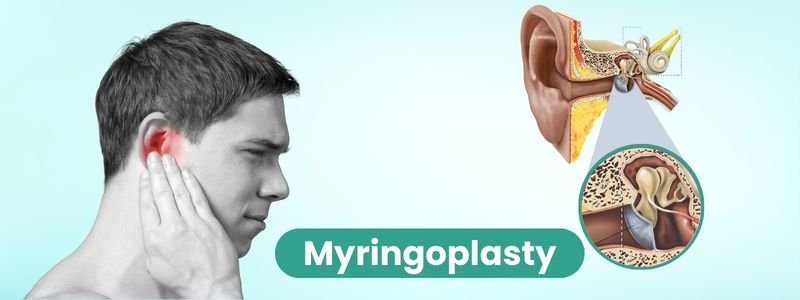
Introduction to Myringoplasty
Myringoplasty is a highly effective surgical procedure performed to repair a perforated eardrum, also known as the tympanic membrane. The eardrum plays a vital role in hearing by transmitting sound waves from the outer ear to the middle ear, and it also protects the inner structures from infection and injury. When it becomes torn, punctured, or damaged, patients may experience hearing loss, recurrent infections, and discomfort. Myringoplasty aims to restore the natural barrier and improve hearing by closing the perforation using a graft, typically taken from the patient's own tissue such as the tragus, fascia, or cartilage.
This surgery has been performed for decades and continues to evolve with advancements in minimally invasive otologic techniques. Today, myringoplasty can often be done under local anesthesia, uses microscopic or endoscopic technology, and results in quicker recovery and improved success rates. It is commonly recommended for individuals who suffer from chronic ear discharge or have a perforated eardrum that is not healing on its own.
Myringoplasty not only restores the integrity of the eardrum but also reduces the risk of repeated middle-ear infections, improves hearing capacity, and enhances overall ear health. With appropriate patient selection and modern surgical methods, the procedure has a very high success rate, providing long-term benefits and improved quality of life.
Causes and Risk Factors Associated with Myringoplasty
A perforated eardrum can occur due to a variety of causes, and myringoplasty becomes necessary when the perforation does not close naturally or when recurrent complications arise.
Common Causes of Eardrum Perforation
-
Chronic Middle Ear Infections: Persistent ear infections can weaken the eardrum, causing it to rupture.
-
Trauma: Physical injury such as inserting foreign objects (cotton buds, hairpins), sudden pressure changes (slaps, explosions), or accidents.
-
Barotrauma: Rapid pressure changes during flying or diving may create perforations.
-
Acoustic Trauma: Exposure to sudden loud noises or blasts.
-
Surgical or Medical Procedures: Ear cleaning or insertion of ventilation tubes sometimes leads to long-term perforation if healing is incomplete.
Risk Factors Leading to Myringoplasty
-
Frequent or chronic ear infections
-
Persistent ear discharge
-
Swimming or water exposure leading to repeated inflammation
-
Poor immune health, smoking, or diabetes affecting tissue healing
-
Large or irregularly shaped eardrum perforations
-
Perforations lasting more than 3-6 months
Patients experiencing hearing loss or repeated infections are often advised to undergo myringoplasty to prevent long-term damage to the middle ear.
Symptoms and Signs of Conditions Requiring Myringoplasty
People with a perforated eardrum generally experience a variety of symptoms that can significantly affect daily life and hearing ability.
Common Symptoms Leading to Myringoplasty
-
Persistent or recurrent ear discharge that may be foul-smelling
-
Hearing loss, especially for low-frequency sounds
-
Ear pain, discomfort, or pressure
-
Ringing in the ears (tinnitus)
-
Frequent ear infections
-
Difficulty hearing in noisy environments
Clinical Signs Observed by Doctors
During examination, ENT specialists may observe:
-
Visible perforation on otoscopic examination
-
Inflamed middle ear mucosa
-
Reduced mobility of the tympanic membrane
-
Conductive hearing loss on audiometric analysis
If left untreated, chronic perforations may lead to complications such as middle ear effusion, ossicular damage, cholesteatoma, or worsening hearing loss. When symptoms persist despite medication or conservative management, myringoplasty becomes the preferred treatment option.
Diagnosis of Eardrum Perforation and Evaluation for Myringoplasty
The diagnosis of a perforated eardrum and evaluation for myringoplasty involve a combination of detailed clinical examination and diagnostic tests.
Diagnostic Assessments Include:
1. Otoscopic Examination
The ENT specialist uses an otoscope or microscope to clearly view the eardrum and assess:
-
Size and location of the perforation
-
Condition of surrounding tissues
-
Presence of infection or discharge
2. Audiometry (Hearing Test)
This measures the degree and type of hearing loss:
-
Typically reveals conductive hearing loss
-
Helps plan post-surgery hearing expectations
3. Tympanometry
Assesses the mobility and pressure of the middle ear, confirming reduced movement due to perforation.
4. Middle Ear Evaluation
The doctor evaluates for:
-
Chronic infection
-
Ossicular chain damage
-
Eustachian tube function
5. Medical History Assessment
Understanding past ear infections, trauma, surgeries, and lifestyle factors helps determine suitability for surgery.
Candidacy for Myringoplasty
Patients are considered suitable for myringoplasty if:
-
The eardrum perforation persists beyond 3 months
-
There is recurrent ear discharge
-
Hearing loss affects daily activities
-
Infection has been treated and the ear is dry
A detailed evaluation ensures that surgery will be effective and that the patient will benefit long-term.
Treatment Options of Myringoplasty
Myringoplasty can be performed using various techniques depending on the size, shape, and location of the perforation.
Surgical Procedure Overview
1. Anesthesia
The procedure may be performed under:
-
Local anesthesia with sedation
-
General anesthesia in children or anxious adults
2. Surgical Approach
Two primary approaches are used:
-
Transcanal: Through the ear canal, no external incision
-
Postauricular / Endaural: Small incision behind or around the ear
3. Graft Materials
The surgeon uses graft tissue to repair the perforation, commonly taken from:
-
Temporalis fascia
-
Tragal cartilage
-
Perichondrium
-
Synthetic grafts (in select cases)
4. Techniques Used
-
Underlay Technique: Graft placed beneath the remaining eardrum
-
Overlay Technique: Graft placed over the outer surface
-
Endoscopic Myringoplasty: Modern approach using a small camera for enhanced precision
5. Duration and Success
The surgery typically lasts 1-2 hours, with success rates exceeding 85-95%, depending on patient factors.
Post-Operative Care
-
Ear should remain dry
-
Avoid blowing the nose forcefully
-
No swimming or water exposure
-
Use prescribed antibiotic drops
-
Avoid heavy lifting or straining
Most patients return to normal activities within a week, with full healing in 6-8 weeks.
Prevention and Management of Eardrum Conditions
Prevention and management strategies can reduce the need for surgery and protect the ear after myringoplasty.
Preventing Eardrum Perforation
-
Avoid inserting objects into the ear canal
-
Seek timely treatment for ear infections
-
Protect ears during activities prone to trauma
-
Use ear protection during swimming or diving
-
Maintain healthy ear hygiene practices
Pre-Surgery Management
-
Treat all active infections
-
Keep ears dry
-
Regular follow-ups with ENT specialist
-
Hearing tests to evaluate baseline hearing
Post-Surgery Management
-
Avoid exposure to loud sounds
-
Keep water away from the ear
-
Follow medication instructions carefully
-
Attend regular check-ups to ensure proper graft healing
Maintaining good ear health post-surgery ensures that the graft remains stable and normal hearing is preserved.
Complications of Myringoplasty
While myringoplasty is generally safe, certain complications may occur, though they are usually minor and manageable.
Short-Term Complications
-
Mild ear pain
-
Temporary hearing reduction due to packing material
-
Dizziness or imbalance
-
Minor bleeding or discharge
Long-Term or Rare Complications
-
Graft failure or persistent perforation
-
Recurrent infections
-
Scarring of the eardrum
-
Cholesteatoma formation
-
Persistent hearing loss if middle ear damage exists
-
Need for revision surgery
These risks are minimized when the surgery is performed by an experienced ENT surgeon and when the patient follows post-operative instructions correctly.
Living with a Repaired Eardrum After Myringoplasty
Life after myringoplasty is significantly improved for most patients, with reduced infections and better hearing function.
Recovery Phase
-
Full recovery may take 6-12 weeks
-
Hearing may gradually improve over time
-
Follow-up visits ensure proper graft healing
Long-Term Expectations
-
Most patients experience complete closure of the perforation
-
Hearing improvement varies depending on pre-existing damage
-
Normal daily activities can resume within a short time
-
Swimming and diving can typically resume after clearance from the doctor
Lifestyle Adjustments
-
Avoid unnecessary ear cleaning
-
Use earplugs during water exposure if advised
-
Seek prompt care for upper respiratory infections
-
Maintain regular ENT check-ups
A successful myringoplasty greatly enhances quality of life by restoring ear function and preventing long-term complications.
Top 10 Frequently Asked Questions about Myringoplasty
1. What is myringoplasty?
Myringoplasty is a surgical procedure to repair a perforation (hole) in the eardrum (tympanic membrane). The eardrum is a thin membrane that separates the outer ear from the middle ear and plays a crucial role in hearing. Myringoplasty restores the integrity of the eardrum, prevents recurrent ear infections, and helps improve hearing.
2. Why is myringoplasty performed?
Myringoplasty is typically recommended for patients with:
-
Chronic perforation of the eardrum due to recurrent infections
-
Trauma to the eardrum (such as injury from objects or loud blasts)
-
Persistent ear discharge caused by a perforated eardrum
-
Hearing loss related to eardrum perforation
The procedure reduces the risk of infections and helps improve hearing function.
3. Who is a candidate for myringoplasty?
Ideal candidates are patients with:
-
A stable perforation in the eardrum
-
No active ear infection at the time of surgery
-
Adequate Eustachian tube function
-
Good overall health to tolerate anesthesia and surgery
Children and adults can undergo myringoplasty, but careful evaluation is necessary, especially in pediatric cases.
4. How is myringoplasty performed?
Myringoplasty is usually performed under local or general anesthesia. The surgeon carefully lifts the edges of the perforation and places a graft, often taken from the patient's own tissue (fascia from the temporalis muscle or cartilage). The graft is positioned over the perforation and secured to allow it to integrate with the eardrum. The ear is packed with absorbable material to support healing.
5. What are the benefits of myringoplasty?
-
Closure of the eardrum perforation
-
Prevention of recurrent ear infections and discharge
-
Restoration or improvement of hearing
-
Protection of middle ear structures from further damage
Patients often notice a significant reduction in infections and improved quality of life after recovery.
6. Is myringoplasty painful?
The procedure itself is painless because it is performed under anesthesia. Post-operative discomfort is usually mild and may include:
-
Soreness around the ear
-
Mild pressure or blockage sensation
-
Temporary muffled hearing
Pain is generally managed with over-the-counter or prescribed medications, and most discomfort resolves within a few days.
7. What are the risks and complications of myringoplasty?
Although generally safe, potential risks include:
-
Infection at the surgical site
-
Failure of the graft to take, resulting in persistent perforation
-
Hearing not fully restored
-
Tinnitus (ringing in the ear)
-
Rare injury to surrounding structures of the ear
Following post-operative instructions and avoiding water exposure reduces the risk of complications.
8. What is the recovery process after myringoplasty?
Recovery is typically straightforward:
-
Avoid water exposure to the operated ear for 2-4 weeks
-
Avoid strenuous activity and heavy lifting for a few weeks
-
Mild swelling or temporary hearing changes may occur but gradually improve
-
Follow-up visits with the ENT surgeon are necessary to monitor healing and remove packing if non-absorbable material is used
Most patients can resume normal daily activities within a few days.
9. Will my hearing improve after myringoplasty?
Many patients experience significant improvement in hearing, especially if the middle ear structures are healthy. The degree of improvement depends on the size and location of the perforation and the health of the middle ear. Some patients may notice only partial improvement if there are other underlying ear conditions.
10. How much does myringoplasty cost, and is it covered by insurance?
The cost of myringoplasty varies based on the hospital, surgeon's expertise, anesthesia, and post-operative care. Many health insurance plans cover myringoplasty when it is medically necessary to treat eardrum perforation or prevent recurrent ear infections. Patients should check with their hospital and insurance provider regarding coverage, co-pays, and out-of-pocket expenses.