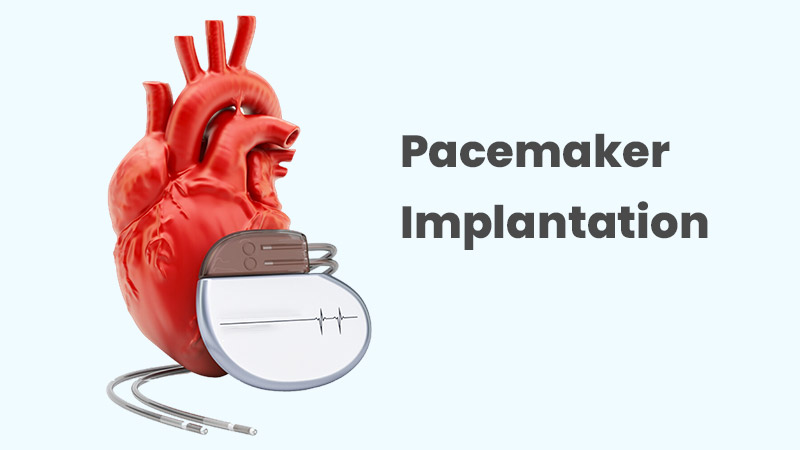
Introduction to Pacemaker Implantation
Pacemaker implantation is a life-saving cardiac procedure in which a small electronic device, known as a pacemaker, is surgically placed under the skin to help regulate abnormal heart rhythms. The heart's electrical system is responsible for generating impulses that control the timing of each heartbeat. When this system becomes faulty due to disease, aging, or structural abnormalities, the heart may beat too slowly (bradycardia), too fast, or irregularly, compromising the ability of blood to circulate effectively throughout the body. A pacemaker ensures that the heart maintains an adequate and stable rhythm, allowing it to function normally. Modern pacemakers are sophisticated, battery-powered devices capable of sensing the heart's natural activity and delivering electrical stimulation only when needed. They may also store diagnostic data, communicate wirelessly with external monitors, and adapt to a patient's activity levels (rate-responsive pacemakers).
Over the years, technological advancements have made pacemakers smaller, more durable, and more compatible with active lifestyles. They now include dual-chamber systems, leadless designs, MRI-compatible devices, and remote monitoring capabilities. The procedure itself is minimally invasive and typically performed under local anesthesia, with most patients returning home within 24 hours. Pacemaker implantation greatly improves quality of life, longevity, and overall functionality in individuals with rhythm disorders that cannot be managed with medication alone.
Causes and Risk Factors That Lead to Pacemaker Implantation
Pacemakers are implanted when the heart's natural electrical signaling system becomes disrupted or unreliable. These abnormalities may occur due to structural heart disease, degeneration of the cardiac conduction system, congenital conditions, or secondary complications from other illnesses.
Primary Causes
1. Bradycardia (Slow Heart Rhythm):
The most common reason for pacemaker implantation is persistent bradycardia,
where the heart beats too slowly to maintain adequate circulation. This may
occur due to sinus node dysfunction (sick sinus syndrome) or heart block.
2. Heart Block (Atrioventricular Block):
A condition in which the electrical signals from the upper chambers (atria) fail
to reach the lower chambers (ventricles). It may occur in first, second, or
third-degree severity, with complete heart block requiring urgent pacemaker
placement.
3. Atrial Fibrillation with Slow Ventricular Response:
In some AF patients, medications used to control rhythm may overly slow the
heart, necessitating pacemaker support.
4. Congenital Heart Conditions:
Children and young adults with underlying heart abnormalities may require
pacemakers for rhythm stabilization.
5. Post-Surgical Conduction Problems:
Some heart surgeries inadvertently damage the conduction system, making
pacemaker implantation necessary.
6. Cardiomyopathies:
Certain heart muscle diseases disrupt electrical circuits, slowing or
irregularizing the heartbeat.
7. Aging:
The natural degenerative process may weaken the heart's electrical system,
especially in older adults.
Risk Factors
-
Advanced age
-
Family history of rhythm disorders
-
Prior myocardial infarction (heart attack)
-
Chronic heart disease such as ischemic heart disease
-
Inflammatory heart conditions (myocarditis)
-
Thyroid disorders
-
Side effects of medications (beta-blockers, calcium channel blockers, anti-arrhythmics)
-
Diabetes and hypertension
-
Electrolyte imbalances (potassium, magnesium)
-
Connective tissue disorders such as sarcoidosis or amyloidosis
Recognizing these causes and risk factors helps identify patients who may require timely evaluation for pacemaker implantation.
Symptoms and Signs Indicating the Need for Pacemaker Implantation
Pacemaker implantation is typically recommended when symptoms result from an inadequate or irregular heartbeat. These symptoms arise because the brain, heart, and other vital organs are not receiving enough oxygenated blood.
Common Symptoms
1. Fatigue and Weakness:
A slow heart rate deprives tissues of oxygen, causing persistent tiredness even
during simple activities.
2. Dizziness and Lightheadedness:
Inadequate blood flow to the brain leads to frequent dizzy spells or faintness.
3. Syncope (Fainting):
Sudden loss of consciousness is one of the strongest indicators of heart block
or significant bradycardia requiring urgent pacemaker evaluation.
4. Shortness of Breath:
The heart cannot pump effectively, leading to difficulty breathing and
exertional limitations.
5. Palpitations:
Irregular or slow heartbeats may create uncomfortable sensations in the chest.
6. Chest Pain or Tightness:
Reduced heart efficiency may trigger chest discomfort in some patients.
7. Confusion or Memory Problems:
Especially in older adults, inadequate circulation to the brain may cause
cognitive changes.
8. Exercise Intolerance:
Patients may feel unable to perform activities they once managed with ease.
Clinical Signs Noticed by Doctors
-
Low pulse rate
-
Irregular heartbeat
-
Fluctuating blood pressure
-
Abnormal ECG findings
-
Evidence of heart block
-
Chronotropic incompetence (heart unable to increase rate with activity)
Any persistent combination of these symptoms suggests the need for an in-depth cardiac evaluation and possibly pacemaker implantation.
Diagnosis of Conditions Requiring Pacemaker Implantation
Diagnosis involves several tests that evaluate the rhythm, electrical activity, and structural condition of the heart. Because many rhythm disorders are intermittent, prolonged monitoring may be required.
1. Clinical Evaluation
Doctors begin with a detailed review of symptoms, medical history, medications, lifestyle, and family history. A physical examination assesses pulse rate, rhythm, heart sounds, and signs of heart failure.
2. Electrocardiogram (ECG/EKG)
The first step in diagnosing electrical problems. It records electrical activity and detects:
-
Bradycardia
-
Heart block
-
Abnormal conduction patterns
-
Arrhythmias
3. Holter Monitoring (24-48 Hours)
A portable ECG device worn for extended periods to detect intermittent rhythm abnormalities.
4. Event Recorder or Loop Recorder
Useful for patients whose symptoms occur unpredictably. Some recorders can monitor for months.
5. Echocardiogram
An ultrasound test that assesses heart structure, function, and valve status. It helps determine if underlying heart disease is contributing to rhythm disorders.
6. Electrophysiology Study (EPS)
In some cases, doctors use a catheter-based test to map the heart's electrical pathways.
7. Blood Tests
-
Thyroid function (as hyper/hypothyroidism affects heart rhythm)
-
Electrolytes
-
Infection or inflammation markers
Once rhythm abnormalities are confirmed and determined to be symptomatic or dangerous, a pacemaker becomes the recommended treatment.
Treatment Options for Pacemaker Implantation
Pacemaker implantation is the definitive treatment for many symptomatic bradyarrhythmias. Treatment decisions are tailored to the patient's condition, overall health, lifestyle needs, and rhythm type.
Before the Procedure
Patients may be advised to:
-
Adjust medications affecting heart rate
-
Treat electrolyte imbalances
-
Manage underlying conditions such as hypothyroidism
-
Undergo pre-operative imaging or labs
Types of Pacemakers
1. Single-Chamber Pacemaker:
Leads placed in either the right atrium or right ventricle.
2. Dual-Chamber Pacemaker:
Leads placed in both the atrium and ventricle for more natural heart
coordination.
3. Biventricular Pacemaker (CRT - Cardiac Resynchronization
Therapy):
Used in heart failure to improve pump efficiency.
4. Leadless Pacemaker:
A tiny device implanted directly inside the heart without leads—ideal for
certain patients.
5. Rate-Responsive Pacemakers:
Automatically adjust heart rate according to activity level.
The Pacemaker Implantation Procedure
-
Performed under local anesthesia with mild sedation
-
A small incision is made below the collarbone
-
Leads are guided through veins into appropriate heart chambers
-
The pacemaker generator is placed under the skin
-
Device function is tested and programmed
-
Incision closed and dressing applied
Duration: 45-90 minutes
Hospital Stay: Usually same-day or 24 hours
After the Procedure
-
Arm movements restricted for 1-2 weeks
-
Wound kept dry
-
Follow-up device check scheduled
-
Pacemaker programmed to optimal settings
Over time, the device is monitored through clinic visits or remote monitoring systems.
Prevention and Management of Conditions Requiring Pacemaker Implantation
Although some rhythm disorders cannot be prevented, certain lifestyle and medical measures can reduce the risk or delay progression.
Preventive Measures
-
Control high blood pressure and diabetes
-
Avoid excessive alcohol and stimulants
-
Monitor cholesterol and heart health
-
Maintain electrolyte balance
-
Avoid misuse of heart-rate-lowering medications
-
Manage thyroid disorders
-
Maintain physical fitness and cardiac conditioning
Post-Pacemaker Management
-
Regular check-ups to monitor battery life
-
Avoiding strong electromagnetic fields
-
Maintaining good incision hygiene
-
Monitoring symptoms such as dizziness or swelling
-
Wearing medical identification (bracelet/card)
Lifestyle Modifications
-
Gradual return to normal activity
-
Avoid contact sports unless medically cleared
-
Safe use of household electronics, phones, and appliances
-
Travel permitted with precautions around security scanners
Patients with pacemakers can lead normal, active lives with proper precautions.
Complications Related to Pacemaker Implantation
Though generally safe, pacemaker implantation may have potential complications.
Short-Term Complications
-
Infection at implantation site
-
Bleeding or hematoma
-
Pneumothorax (lung collapse from accidental puncture)
-
Lead displacement
-
Allergic reactions to medications or materials
Long-Term Complications
-
Lead wear, fracture, or malfunction
-
Battery depletion (requiring generator replacement)
-
Device failure
-
Scar tissue formation
-
Pacemaker syndrome (rare dizziness due to poor coordination between atria and ventricles)
-
Interaction with strong magnetic fields
Prompt follow-up and appropriate programming reduce the risk of long-term complications.
Living with the Condition After Pacemaker Implantation
Living with a pacemaker allows most individuals to resume active and fulfilling lives. Patients must follow guidelines for safety, maintenance, and monitoring.
Daily Living
-
Most household devices are safe
-
Smartphones must be kept at least 6 inches away from pacemaker side
-
Avoid carrying electronics in shirt pocket over pacemaker
-
Keep appointments for pacemaker interrogation checks
Exercise & Work
-
After healing, most patients return to normal exercise
-
Avoid activities that involve strong chest impact
-
Jobs involving high electrical exposure may require evaluation
Travel
-
Air travel is allowed
-
Inform security personnel you have a pacemaker
-
Hand-held metal detectors should not be held over the device for long
Emotional Well-Being
Patients may initially feel anxious after implantation, but education, support groups, and regular follow-ups help build confidence.
Long-Term Outlook
With proper care, pacemakers typically last 8-12 years. Replacements involve minor surgical procedures. Patients with pacemakers can expect improved longevity, reduced symptoms, and better quality of life.
Top 10 Frequently Asked Questions about Pacemaker Implantation
1. What is a pacemaker and why is it needed?
A pacemaker is a small, battery-powered device implanted under the skin, usually near the collarbone, to help regulate abnormal heart rhythms (arrhythmias). It works by sending tiny electrical impulses to the heart to maintain a proper heart rate and rhythm.
Pacemakers are needed when the heart beats too slowly (bradycardia), too irregularly, or when there is a blockage in the heart's electrical conduction system. These conditions can cause fatigue, dizziness, fainting, or even heart failure if left untreated. In some cases, pacemakers are life-saving, especially for patients at risk of sudden cardiac events due to electrical disturbances in the heart.
2. Who needs a pacemaker?
Pacemaker implantation is recommended for patients who experience:
-
Bradycardia: Slow heart rate causing fatigue, dizziness, or fainting
-
Heart block: A delay or blockage in the heart's electrical conduction
-
Symptomatic arrhythmias: Irregular heartbeats that interfere with daily life
-
Heart failure with specific conduction abnormalities: Sometimes requiring biventricular pacing to improve ventricular coordination
-
Post-surgical rhythm issues: Following cardiac surgery that disrupts normal conduction
A cardiologist determines the need based on ECG, Holter monitoring, stress tests, and sometimes electrophysiology studies.
3. How is pacemaker implantation performed?
Pacemaker implantation is a minimally invasive procedure performed under local anesthesia with mild sedation:
-
Incision: A small cut (2-3 inches) is made near the collarbone.
-
Lead insertion: Flexible wires (leads) are guided through a vein into the heart chambers (atria and/or ventricles) using X-ray guidance.
-
Device connection: The leads are attached to the pacemaker device, which is placed in a small pocket under the skin.
-
Testing: The device is programmed and tested to ensure it sends the correct electrical impulses.
The entire procedure usually takes 1-2 hours and most patients can leave the hospital same day or next day.
4. What types of pacemakers are available?
There are several types of pacemakers, each designed for different heart conditions:
-
Single-chamber pacemaker: Has one lead in the right atrium or ventricle; used for simple bradycardia or conduction block.
-
Dual-chamber pacemaker: Has two leads (right atrium and right ventricle) to coordinate upper and lower chamber contraction.
-
Biventricular pacemaker (CRT): Used in heart failure to synchronize contractions of both ventricles, improving pumping efficiency.
-
Rate-responsive pacemaker: Adjusts heart rate based on activity level using built-in sensors.
The type is chosen based on the patient's underlying heart rhythm disorder and overall cardiac function.
5. Is pacemaker implantation painful?
During the procedure, patients do not feel pain because of anesthesia. After surgery, some mild discomfort may occur:
-
Soreness or tightness at the incision site
-
Minor bruising or swelling
-
Temporary pressure in the chest
Pain is usually manageable with over-the-counter or prescribed medications and improves significantly within a few days. Most patients can resume light activities within a week.
6. What are the benefits of pacemaker implantation?
Pacemaker implantation provides multiple benefits:
-
Restores normal heart rhythm and prevents dangerously slow or irregular beats.
-
Reduces symptoms like dizziness, fainting, fatigue, and shortness of breath.
-
Improves quality of life, allowing patients to resume daily activities and exercise safely.
-
Prevents complications such as heart failure, syncope, or sudden cardiac arrest.
-
Supports heart function in patients with conduction abnormalities or heart failure, improving long-term outcomes.
Patients often experience a dramatic improvement in energy levels, alertness, and physical endurance.
7. What are the risks and complications of pacemaker implantation?
Pacemaker implantation is generally safe, but potential risks include:
-
Infection at the incision site or around the device
-
Bleeding or hematoma formation near the pocket
-
Lead displacement or malfunction requiring adjustment
-
Pneumothorax (collapsed lung) or rare cardiac injury during lead placement
-
Allergic reaction to the device or medications
-
Long-term complications, like device erosion through the skin
Most complications are rare, and careful surgical technique, sterile procedures, and follow-up care minimize risks.
8. What is the recovery process after pacemaker implantation?
Recovery is usually quick and structured:
-
Hospital stay: Often 1-2 days for monitoring
-
Activity restrictions: Avoid heavy lifting or arm movements on the implant side for 4-6 weeks
-
Incision care: Keep the area clean and dry; monitor for redness or swelling
-
Follow-up visits: Device checks to confirm proper function and battery status
-
Physical activity: Light activity can be resumed within days; full recovery in a few weeks
Proper adherence to post-operative instructions ensures the best outcomes.
9. How long does a pacemaker last and does it require maintenance?
-
Battery life: Most pacemakers last 5-15 years, depending on usage and type
-
Device maintenance: Routine follow-ups involve checking the battery, lead integrity, and device settings
-
Replacement: When the battery is low, the pacemaker is replaced while the leads are often left in place
-
Lifestyle: Patients can lead normal lives, but should avoid certain electromagnetic sources (MRI requires special precautions with some pacemakers)
Pacemakers are durable and provide long-term management of heart rhythm disorders.
10. How much does pacemaker implantation cost, and is it covered by insurance?
Cost varies depending on:
-
Type of pacemaker (single, dual, or biventricular)
-
Hospital and surgeon fees
-
Anesthesia and post-operative care
Pacemaker implantation is considered medically necessary for bradycardia, heart block, or heart failure-related arrhythmias. Most insurance plans cover the procedure, including the device, surgery, and hospital stay. Cosmetic or non-essential pacemaker placement is not covered. Patients should confirm coverage, co-pays, and out-of-pocket costs with their provider before surgery.