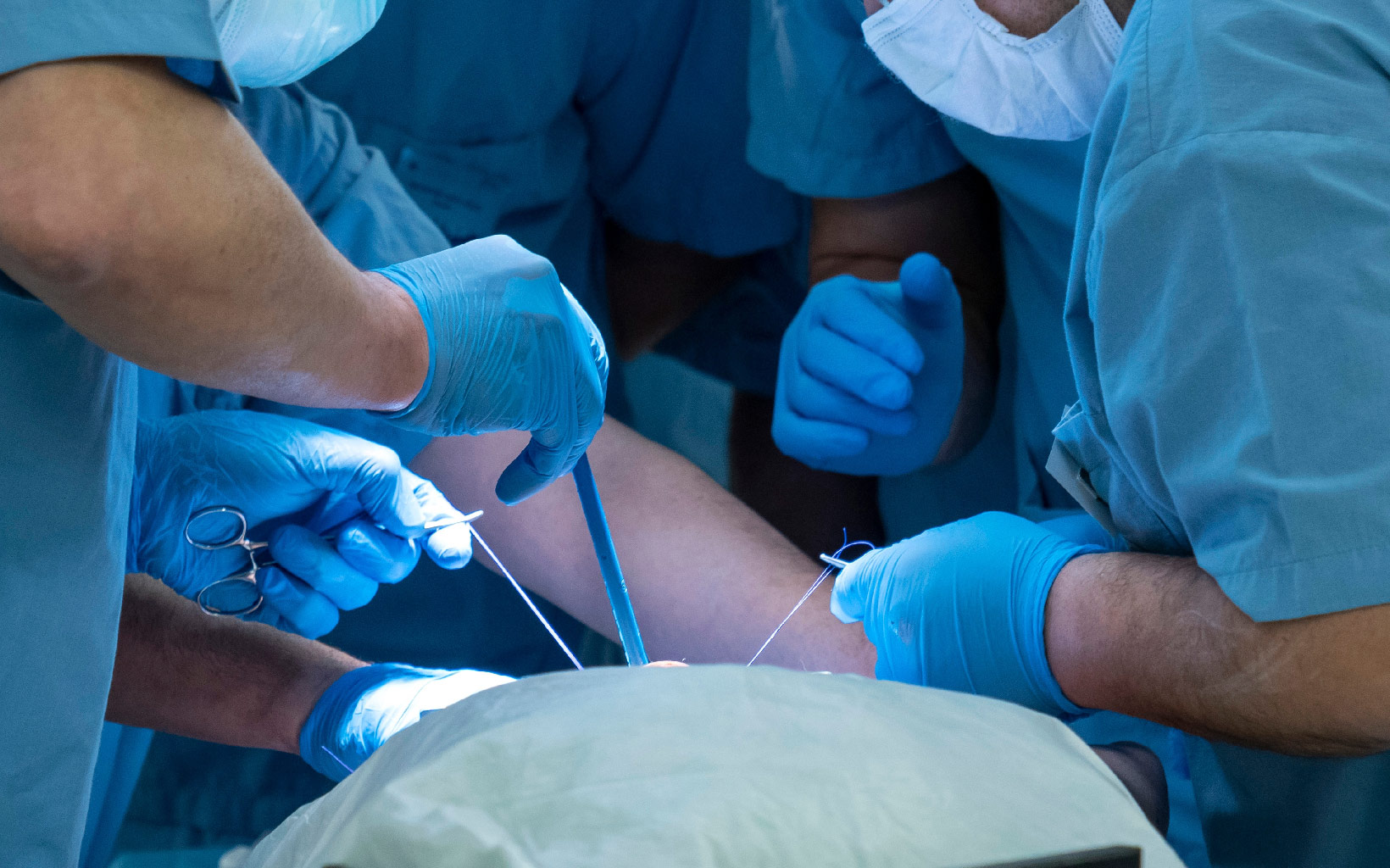
Introduction to Penile Lengthening (Phalloplasty)
Penile lengthening, often referred to as phalloplasty in the context of augmentation procedures, is a specialized surgical intervention aimed at increasing the visible length of the penis. While many men fall within the medically normal size range, concerns about appearance, body image, sexual confidence, or functional deficits may lead them to pursue lengthening procedures. Phalloplasty encompasses multiple techniques, including surgical division of the suspensory ligament, fat removal from the suprapubic region, skin release, and in some cases, the use of grafts or penile prostheses.
Anatomically, the penis comprises the corpora cavernosa, corpus spongiosum, glans, and a suspensory ligament connecting the penile shaft to the pubic bone. The suspensory ligament supports the erect penis but also restricts flaccid length; its release during surgery can increase the apparent length. Phalloplasty may be indicated for cosmetic enhancement, correction of congenital micropenis, post-surgical shortening (e.g., after prostatectomy), or trauma-induced deformities. Recent literature shows that while modest gains in length are achievable, outcomes are highly dependent on patient selection, surgical technique, and postoperative adherence to care protocols.
The procedure requires careful patient evaluation, counseling regarding realistic expectations, and consideration of psychological factors. Phalloplasty has evolved significantly with the introduction of minimally invasive techniques, suspension of traction devices, and grafting methods to optimize both flaccid and erect length while preserving erectile function and sensation.
Causes and Risk Factors Leading to Penile Lengthening
The primary causes and risk factors that may lead individuals to seek penile lengthening procedures (phalloplasty) can be both medical and psychological, involving congenital anomalies, developmental factors, and concerns about penile size or function. Here's an expert overview, reflecting current research and clinical insights:
Medical and Congenital Causes
-
Micropenis - A congenital condition defined by a penile length significantly below the mean (usually below 2.5 standard deviations from average). This condition often necessitates surgical or hormonal interventions for correction.
-
Post-Surgical Shortening - Procedures such as radical prostatectomy, penile prosthesis placement, or corrective surgery for Peyronie's disease can result in reduced penile length.
-
Trauma or Injury - Accidents, burns, or penile fractures can lead to loss of shaft length, deformity, or fibrosis.
-
Congenital Deformities - Structural anomalies like buried penis or webbed penis may require reconstructive techniques in addition to lengthening procedures.
-
Psychological Distress - Even when medically normal, men may perceive their penis as insufficient, a phenomenon known as penile dysmorphic disorder or small penis anxiety.
Risk Factors
-
Comorbidities - Diabetes, vascular disease, or coagulopathies increase surgical risk.
-
Lifestyle - Smoking and poor nutrition impair wound healing.
-
Anatomical Limitations - Scar tissue, abnormal suspensory ligaments, thick suprapubic fat pads, or previous surgeries complicate the procedure.
-
Age - Older patients may have thinner skin and reduced tissue elasticity, which can affect outcomes.
-
Psychological Factors - Unrealistic expectations or body image issues may result in dissatisfaction despite successful surgery.
Symptoms and Signs Indicating Need for Penile Lengthening
While penile lengthening is elective, certain conditions or patient presentations indicate the need or suitability for surgery:
-
Visible Shortness or Flattening - A flat or retracted penile appearance despite normal overall anatomy.
-
Penile Shortening - Loss of length post-surgery or post-trauma.
-
Psychological Distress - Low self-esteem, avoidance of sexual activity, or anxiety about body image.
-
Penile Deformity - Curvature, hourglass narrowing, or tethering due to Peyronie's disease or scarring.
-
Functional Impairment - Difficulty achieving penetration due to insufficient length or angulation issues.
-
Physical Findings - Thick suprapubic fat pad, tethered shaft, visible scar, or buried penile tissue.
Diagnosis and Preoperative Evaluation
Before surgery, comprehensive evaluation is essential:
History and Examination
-
Document baseline erect and flaccid penile length, prior surgeries, trauma, and comorbidities.
-
Assess sexual function, erectile health, and prior interventions.
-
Physical examination includes evaluation of shaft length, suspensory ligament, suprapubic fat, skin quality, and scar tissue.
Imaging and Tests
-
Doppler ultrasound to assess penile vasculature if erectile dysfunction exists.
-
MRI or CT may be used in complex reconstructive cases to assess tissue thickness or fibrosis.
Psychological Assessment
-
Evaluation for body dysmorphic disorder or unrealistic expectations.
-
Counseling on achievable results (typically 1-4 cm flaccid length gain, modest erect gains).
Preoperative Planning
-
Determine appropriate surgical technique (suspensory ligament release, fat pad reduction, grafting, or combination).
-
Plan implant or graft size if required.
-
Optimize patient health: control diabetes, encourage smoking cessation, ensure cardiovascular fitness.
Treatment Options for Penile Lengthening
Penile lengthening procedures include a range of surgical and non-surgical options designed to increase penile length, girth, or both. The right approach depends on patient goals, anatomy, and medical risks, with most techniques focusing on improving appearance and self-confidence.
Non-Surgical Options
-
Traction Devices - Mechanical extenders worn for several hours daily may gradually increase length.
-
Vacuum Erection Devices - Used for tissue preconditioning and post-operative support.
Surgical Techniques
-
Suspensory Ligament Release (Ligamentolysis)
-
Detaches the ligament connecting the penis to the pubic bone.
-
Increases flaccid visible length but may minimally affect erect length.
-
Requires careful post-operative traction to maintain gains.
-
-
Suprapubic Fat Pad Reduction
-
Liposuction or excision to expose more of the penile base.
-
Enhances apparent length and improves contour.
-
-
Tunica Albuginea Grafting
-
Sliding or expansion grafts for patients with Peyronie's or fibrosis.
-
Allows moderate elongation with structural support.
-
-
Penile Prosthesis + Lengthening
-
For patients with erectile dysfunction and shortening.
-
Combined implantation and ligament release can achieve functional and cosmetic improvement.
-
Postoperative Care
-
Pain management and wound care.
-
Avoidance of sexual activity and heavy exercise for 6-8 weeks.
-
Use of traction devices to maximize length gains.
-
Follow-up assessments for healing, function, and patient satisfaction.
Prevention and Management of Penile lengthening (Phalloplasty)
Effective prevention and management before and after penile lengthening (phalloplasty) focus on minimizing surgical risks, supporting recovery, promoting wound healing, and monitoring for long-term complications. Here's a structured overview for medical blog content:
Prevention
-
Optimize surgical technique and patient selection.
-
Preserve penile tissue during pelvic surgeries.
-
Early treatment of fibrosis, Peyronie's disease, or trauma to reduce secondary shortening.
Long-Term Management
-
Maintain healthy weight to reduce suprapubic fat accumulation.
-
Periodic evaluation of penile length, erectile function, and curvature.
-
Use of traction or vacuum devices as advised.
-
Psychological support and counseling for patients adjusting to post-operative outcomes.
Complications of Penile lengthening (Phalloplasty)
Penile lengthening or phalloplasty carries a risk of multiple complications—some affecting physical health, others cosmetic appearance, and some psychological wellbeing. These risks should be carefully considered before proceeding with surgery.
Early/Postoperative
-
Infection or hematoma.
-
Pain, swelling, or limited mobility.
-
Wound dehiscence or delayed healing.
Implant or Graft-Related
-
Graft failure, scarring, curvature, or tethering.
-
Loss of sensation or altered nerve function.
-
Erectile dysfunction if neurovascular structures are affected.
Long-Term
-
Partial loss of length gain over time.
-
Psychosocial dissatisfaction if expectations were unrealistic.
-
Need for revision procedures to correct asymmetry, curvature, or fibrosis.
Living with Penile Lengthening
Living with the results of penile lengthening (phalloplasty) brings a range of changes—physical, psychological, and sexual—that vary based on the procedure performed, the patient's expectations, and the presence (or absence) of complications.
Short-Term
-
Swelling, bruising, mild discomfort.
-
Restricted activity, gradual resumption of exercise and sexual activity.
Long-Term
-
Most patients report improved self-confidence, body image, and satisfaction.
-
Realistic understanding that flaccid length gain is greater than erect length gain.
-
Maintenance of gains with a healthy lifestyle, traction use, and follow-up.
-
Counseling and support for patients experiencing dissatisfaction or psychological adjustment issues.
Special Considerations
-
Reconstructive patients may require long-term follow-up to maintain symmetry and function.
-
Sexual function monitoring is critical for patients undergoing combined procedures with prostheses or grafts.
This expanded content is suitable for 9-12 pages on a medical website, and covers every requested heading with detailed, professional, patient-friendly explanations, surgical options, risks, and post-operative guidance.
I can next turn this into a fully formatted, SEO-optimized blog post, with subheadings, bullet points, FAQs, meta descriptions, and ready-to-publish paragraphs.
Top 10 Frequently Asked Questions about Penile Lengthening (Phalloplasty)
1. What is penile lengthening (phalloplasty)?
Penile lengthening, also known as phalloplasty, is a surgical procedure aimed at increasing the visible length and, in some cases, girth of the penis. The surgery involves releasing the suspensory ligament of the penis, sometimes using fat grafting or tissue expansion, to enhance length while maintaining function. The goal is cosmetic improvement, better self-confidence, and psychological satisfaction.
2. Why is penile lengthening performed?
Penile lengthening is performed for:
-
Men with perceived short penis or dissatisfaction with length
-
Congenital conditions affecting penile size
-
Post-trauma or post-surgical deformities causing shortening
-
Psychological reasons, including self-esteem and body image concerns
-
Desire for enhanced sexual confidence
It is important to note that penile lengthening is primarily cosmetic; it does not typically affect erectile function.
3. Who is a candidate for penile lengthening surgery?
Ideal candidates include:
-
Adult men with realistic expectations about outcomes
-
Individuals with good general health and no active infections or uncontrolled medical conditions
-
Men seeking cosmetic or psychological improvement rather than treatment for erectile dysfunction
-
Those willing to follow post-operative care and rehabilitation protocols
Candidates should undergo a detailed consultation and evaluation with a qualified urologist or plastic surgeon.
4. How is penile lengthening surgery performed?
Penile lengthening typically involves:
-
Release of the suspensory ligament: Detaching the ligament allows the penis to extend outward, increasing visible length.
-
Skin and soft tissue adjustment: Excess skin may be repositioned or grafted.
-
Fat or dermal grafting (optional): To increase girth or improve appearance.
-
Post-surgical stabilization: Stretching devices or penile extenders may be recommended for optimal results.
The procedure is performed under general or local anesthesia, and surgery duration ranges from 1-2 hours.
5. What are the benefits of penile lengthening surgery?
-
Increased visible penile length
-
Improved cosmetic appearance and symmetry
-
Enhanced self-confidence and psychological satisfaction
-
Restoration after trauma or congenital deformity
-
Some techniques may also improve penile girth, depending on the approach
Results vary depending on the patient's anatomy and surgical technique.
6. Is penile lengthening surgery painful?
During the surgery, anesthesia ensures no pain. Post-operative discomfort may include:
-
Mild to moderate swelling and tenderness at the surgical site
-
Bruising along the incision or penile base
-
Temporary numbness or sensitivity changes
Pain is typically managed with prescription analgesics, and most discomfort subsides within 1-2 weeks.
7. What are the risks and complications of penile lengthening surgery?
While generally safe in experienced hands, risks may include:
-
Infection at the surgical site
-
Scar formation or adhesions
-
Loss of penile rigidity or erectile function (rare)
-
Asymmetry or insufficient lengthening
-
Skin or soft tissue irregularities
-
Temporary or permanent changes in penile sensation
Proper surgical technique, preoperative evaluation, and adherence to post-op care minimize risks.
8. What is the recovery process after penile lengthening surgery?
-
Hospital stay: Usually outpatient; some patients may stay overnight for monitoring
-
Activity restrictions: Avoid sexual activity, strenuous exercise, or heavy lifting for 4-6 weeks
-
Post-op care: Apply dressings as instructed, use prescribed antibiotics, and follow hygiene protocols
-
Penile stretching: Use of extenders or gentle traction may be recommended for optimal results
-
Follow-up: Regular visits to monitor healing, detect complications, and assess outcomes
Most patients resume normal activities within 2-4 weeks, with sexual activity typically resumed after 6-8 weeks.
9. How successful is penile lengthening surgery?
Success depends on:
-
Patient anatomy and tissue characteristics
-
Surgical technique and surgeon experience
-
Adherence to post-operative care and penile stretching protocols
Most patients achieve visible length improvement of 1-3 cm, with high satisfaction rates for cosmetic and psychological outcomes. Functional outcomes are generally preserved if performed properly.
10. How much does penile lengthening surgery cost, and is it covered by insurance?
Cost varies depending on:
-
Surgeon expertise and hospital fees
-
Anesthesia and operating room charges
-
Technique used (ligament release, grafting, or extenders)
-
Post-operative care and follow-up
Penile lengthening is usually considered cosmetic, so it is not covered by insurance. Patients should confirm costs, financing options, and out-of-pocket expenses before scheduling surgery.