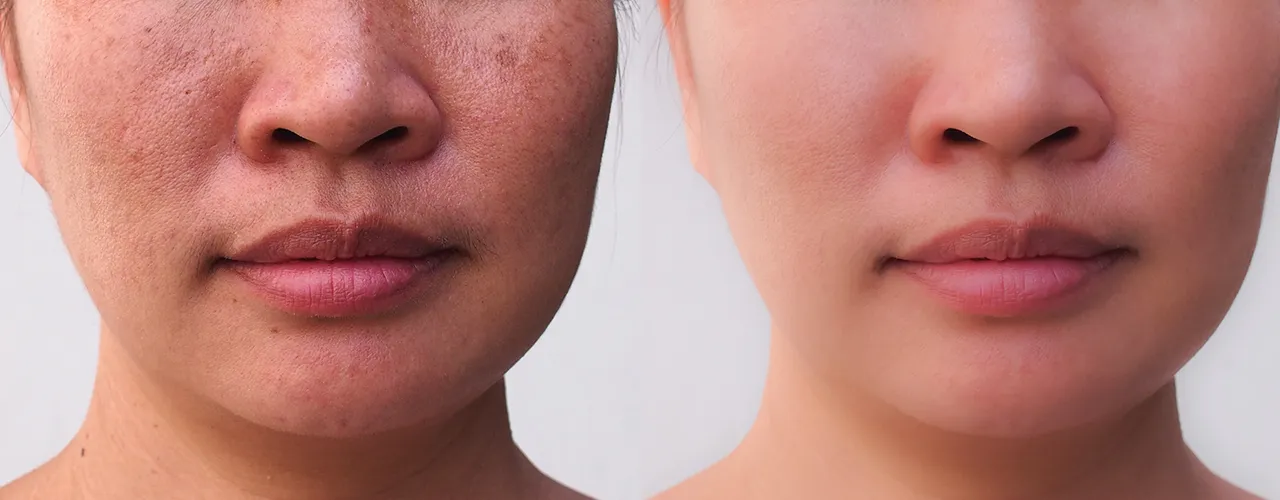
Introduction to Pigmentation Removal
Pigmentation removal is a broad medical and cosmetic term that refers to a range of specialized dermatological procedures designed to reduce or eliminate unwanted dark spots, discoloration, and irregular skin tone. Skin pigmentation issues arise when melanocytes—the cells responsible for melanin production—either overproduce pigment (hyperpigmentation) or produce less pigment in certain areas (hypopigmentation). Hyperpigmentation is more common and often manifests as age spots, melasma, sunspots, freckles, dark post-acne marks, or pigmentation caused by hormonal changes and inflammation. Because skin tone contributes significantly to self-image and confidence, pigmentation removal has evolved into one of the most in-demand aesthetic procedures worldwide.
Growing awareness of dermatology, innovations in cosmetic lasers, safer topical solutions, and the availability of non-invasive treatment methods have dramatically expanded the field. Today, pigmentation removal is not only sought for cosmetic reasons but also to correct conditions caused by sun exposure, medical treatments, skin injuries, or genetic disorders. Dermatologists use a combination of diagnostic tools, advanced lasers (like Q-switched Nd:YAG or Pico lasers), chemical peels, microneedling, and prescription topical agents to treat pigmentation in a targeted, controlled manner.
The science of pigmentation removal also incorporates a deep understanding of skin types, particularly darker skin tones, which tend to develop pigmentation more frequently due to higher melanin activity. Because of this, treatment protocols must be customized, safe, and effective for all Fitzpatrick skin types. Long-term care, lifestyle changes, and sun protection remain essential components of successful pigmentation management. An evidence-based, holistic approach ensures that the skin is not only treated but also protected against recurrence.
Causes and Risk Factors of Pigmentation
Pigmentation disorders develop due to a wide variety of internal and external factors. Understanding these causes is crucial for choosing the right treatment method and preventing future flare-ups or worsening of discoloration.
A. Primary Causes of Pigmentation
1. Sun Exposure (UV Radiation)
UV exposure is the leading cause of pigmentation. UV rays stimulate melanocytes to produce extra melanin in an attempt to protect deeper skin layers from sun damage. Prolonged and repeated exposure leads to sunspots, freckles, and age-related pigmentation over time. Even mild daily sun exposure can be harmful, especially in tropical regions with high UV index.
2. Hormonal Changes
Hormonal fluctuations, especially involving estrogen and progesterone, can trigger melasma or “pregnancy mask.” This condition often worsens during pregnancy, oral contraceptive use, hormone therapy, or thyroid dysfunction.
3. Post-Inflammatory Hyperpigmentation (PIH)
Skin inflammations such as acne, eczema, psoriasis, burns, cuts, insect bites, or cosmetic procedures can lead to PIH. Melanocytes become hyperactive during healing, leaving behind dark spots.
4. Aging
As skin ages, melanin production becomes irregular. Age spots or “liver spots” commonly appear on the face, hands, neck, and arms.
5. Genetics
Family history plays a significant role in the development of freckles, melasma, and certain pigmentation disorders.
6. Medications
Some medications cause photosensitivity or pigmentation changes. These include:
-
Anti-epileptic drugs
-
Antibiotics
-
Chemotherapy drugs
-
Hormonal therapies
-
Non-steroidal anti-inflammatory drugs
7. Medical Conditions
Certain health conditions can also cause pigmentation changes:
-
Addison's disease
-
Cushing's syndrome
-
Polycythemia
-
Nutritional deficiencies (Vitamin B12)
-
Autoimmune skin disorders
B. Risk Factors
-
Darker skin tones (Fitzpatrick IV-VI)
-
Frequent sun exposure without sunscreen
-
History of acne or inflammatory skin conditions
-
Previous chemical or laser treatments
-
Hormonal imbalance
-
Pregnancy
-
Occupational exposure to heat or radiation
-
Use of fragranced skincare leading to phototoxic reactions
Symptoms and Signs of Pigmentation
Pigmentation disorders may vary widely in appearance, color intensity, location, and distribution. Recognizing symptoms helps in diagnosing the underlying condition and selecting the correct treatment method.
Common Symptoms of Pigmentation Include:
1. Dark Spots or Patches
Spots may appear brown, black, or grayish depending on melanin depth.
2. Freckles
Small, light-to-dark brown spots often present on sun-exposed areas and genetically influenced.
3. Melasma Patches
Symmetrical, brownish patches appearing on cheeks, forehead, upper lip, or chin.
4. Irregular Skin Tone
Uneven tone or blotchy complexion is a common sign of sun-damaged skin.
5. Post-inflammatory Dark Marks
Spots left behind after acne, injury, or skin treatments.
6. Skin Darkening in Localized Areas
Such as elbows, knees, underarms, or neck due to friction, heat, or hormonal disorders.
Associated Symptoms (Depending on Cause)
-
Sensitivity or redness if caused by inflammation
-
Dryness or peeling if triggered by irritation
-
Itching or burning in some dermatological conditions
Diagnosis of Pigmentation
Diagnosis of pigmentation requires expert evaluation to identify the cause, depth, and type of pigmentation. Dermatologists use multiple diagnostic tools and processes to create a personalized treatment plan.
1. Clinical Examination
A detailed physical assessment helps detect:
-
Color variation
-
Lesion depth
-
Distribution pattern
-
Associated skin conditions
2. Medical History Review
The dermatologist will assess:
-
Sun exposure habits
-
Previous treatments
-
Medications
-
Hormonal history
-
Family history of pigmentation
3. Fitzpatrick Skin Type Analysis
This helps determine skin's susceptibility to pigmentation and reaction to treatments.
4. Wood's Lamp Examination
A Wood's lamp uses UV light to analyze:
-
Level of pigmentation (epidermal vs dermal)
-
Underlying bacterial/fungal issues
-
Sun damage and melasma patterns
5. Dermatoscopy
A handheld dermatoscope provides magnified visualization of pigmentation patterns and confirms diagnosis.
6. Skin Biopsy (Rare Cases)
Used when pigmentation may be linked to systemic diseases, malignancy, or unclear diagnosis.
7. Digital Skin Imaging
Advanced clinics use AI-based imaging to track pigmentation depth and progression.
Treatment Options for Acupressure
5. Treatment Options for Pigmentation Removal
Pigmentation removal requires a customized approach based on skin type, cause, and depth of pigmentation. Treatments may be single, combined, or sequential for best results.
A. Topical Medical Treatments
1. Hydroquinone
A gold-standard depigmenting agent that suppresses melanin production.
2. Retinoids (Tretinoin)
Improve cell turnover and enhance penetration of other agents.
3. Azelaic Acid
Reduces inflammation and melanin production; effective for PIH and melasma.
4. Kojic Acid
Natural fungal-derived agent that lightens pigmentation gradually.
5. Vitamin C Serums
Antioxidant that brightens skin and reduces UV damage.
6. Tranexamic Acid
Effective for melasma and stubborn pigmentation, available topically or orally.
B. Chemical Peels
Chemical peels exfoliate the top layers of skin and reduce superficial pigmentation.
Common Peels Include:
-
Glycolic acid
-
Salicylic acid
-
TCA (Trichloroacetic acid)
-
Mandelic acid
-
Jessner's peel
Best for: PIH, sunspots, acne pigmentation, and uneven tone.
C. Laser Treatments
Laser therapy is one of the most advanced methods for stubborn or deep pigmentation.
1. Q-Switched Nd:YAG Laser
Breaks down pigment granules with minimal downtime.
2. Pico Laser (Picosecond Laser)
Highly precise, fast, and effective for deep and resistant pigmentation.
3. Fractional CO₂ Laser
Useful for acne scars with mixed pigmentation.
4. Intense Pulsed Light (IPL) Therapy
Targets superficial sun-induced pigmentation.
D. Microneedling / Dermaroller
Stimulates collagen and helps reduce PIH, melasma, and uneven tone when combined with serums.
E. Cryotherapy
Liquid nitrogen is applied to freeze pigment cells—effective for age spots and benign lentigines.
F. Platelet-Rich Plasma (PRP) Therapy
Improves skin clarity, healing, and tone when used alongside lasers or microneedling.
G. Oral Medications
1. Tranexamic Acid Tablets
Widely used for melasma where topical therapy fails.
2. Antioxidants
Glutathione, polypodium leucotomos extract, and vitamins support skin health.
Prevention and Management of Acupressure
6. Prevention and Management of Pigmentation
Even after treatment, pigmentation can recur. Preventive measures are essential for long-term success.
Daily Prevention Tips
1. Sun Protection
-
Broad-spectrum SPF 30-50
-
Reapply every 2-3 hours
-
Use hats, scarves, sunglasses
-
Avoid peak sunlight (10 AM-4 PM)
2. Gentle Skincare Routine
Avoid harsh scrubs, strong fragrances, and irritants that trigger PIH.
3. Hydration & Nourishment
Keep skin barrier healthy with ceramides, hyaluronic acid, and niacinamide.
4. Avoid Picking or Touching Lesions
Prevents PIH and infection.
5. Heat Avoidance
Heat can worsen melasma; avoid saunas, steam rooms, and excessive sun exposure.
6. Hormonal Monitoring
Maintain regular checkups if dealing with hormonal imbalance.
Complications of Acupressure
7. Complications of Pigmentation Removal Treatments
Although modern treatments are safe, potential complications include:
A. Short-Term Side Effects
-
Redness
-
Swelling
-
Mild discomfort
-
Temporary darkening (laser-induced purging)
B. Long-Term Complications
-
Hypopigmentation (loss of pigment)
-
Hyperpigmentation rebound
-
Scarring (rare with experienced providers)
-
Skin sensitivity
-
Infection if aftercare is neglected
Living with the Condition of Acupressure
8. Living with Pigmentation
Living with pigmentation can be emotionally challenging, especially for individuals who experience visible or chronic melasma. Patients often struggle with confidence issues, social embarrassment, and long-term treatment commitments. However, with the right combination of professional care, lifestyle changes, and consistent sun protection, pigmentation can be significantly minimized.
Daily Living Tips
-
Maintain a simple, consistent skincare routine
-
Avoid product overuse
-
Keep stress levels low
-
Follow dermatologist's maintenance therapy
-
Use makeup concealers or mineral foundations as a safe aesthetic option
-
Track flare-ups to identify triggers
Psychological Support
If pigmentation impacts self-esteem, counseling or support groups can help manage emotional distress.
Top 10 Frequently Asked Questions about Pigmentation Removal
1. What is pigmentation removal and why is it done?
Pigmentation removal refers to a group of medical and cosmetic treatments used to reduce or eliminate unwanted dark spots, uneven skin tone, or discoloration caused by excess melanin production. It is commonly performed to treat conditions such as melasma, sunspots, age spots, freckles, and post-inflammatory hyperpigmentation. People choose pigmentation removal for both aesthetic and medical reasons—to improve skin clarity, restore an even skin tone, boost confidence, and address pigmentation disorders caused by sun damage, hormonal changes, acne, or genetic factors.
2. What causes skin pigmentation problems?
Pigmentation issues occur when melanocytes in the skin produce too much melanin. Several factors contribute to this, including:
-
Excessive sun exposure and UV damage
-
Hormonal changes (pregnancy, oral contraceptives, menopause)
-
Genetics and family history
-
Skin injuries, inflammation, or acne (PIH)
-
Certain medications or chemical exposure
-
Aging and environmental factors
Understanding the root cause helps dermatologists recommend the most appropriate pigmentation removal treatment.
3. What are the most effective pigmentation removal treatments?
There is no single universal treatment; instead, dermatologists customize options based on the type and depth of pigmentation. Common treatments include:
-
Laser Therapy (Q-switched laser, Pico laser, Fractional laser)
-
Chemical Peels (glycolic acid, salicylic acid, TCA peel)
-
Microdermabrasion or Dermabrasion
-
Topical Medications (hydroquinone, retinoids, kojic acid, azelaic acid)
-
Intense Pulsed Light (IPL)
-
Microneedling with serums/PRP
These methods target melanin deposits, stimulate cellular turnover, and restore natural skin tone.
4. Is pigmentation removal safe?
Yes, pigmentation removal is generally safe when performed by a qualified dermatologist or trained skin specialist using FDA-approved technologies. However, safety depends on skin type, the type of pigmentation, and the patient's medical history. Individuals with darker skin tones must be evaluated carefully, as certain aggressive treatments may increase the risk of rebound pigmentation or scarring. Proper aftercare, sun protection, and adherence to medical advice significantly enhance safety and effectiveness.
5. How many sessions are required for pigmentation removal?
The number of sessions varies depending on:
-
The type and depth of pigmentation (superficial vs deep)
-
The treatment method (laser, peels, topical therapy)
-
Skin type and healing response
-
Severity and duration of pigmentation
Superficial pigmentation such as sunspots may improve within 1-3 sessions, while deeper conditions like melasma may require 4-8 sessions and ongoing maintenance treatments. Dermatologists design personalized treatment plans to ensure long-term results.
6. Does pigmentation removal hurt?
Most pigmentation removal procedures are minimally painful. Patients may experience mild sensations such as warmth, tingling, a snapping feeling during laser treatment, or slight stinging during chemical peels. Topical numbing creams are often used to ensure comfort. Post-procedure, there may be temporary redness, sensitivity, or peeling, which usually resolves within a few days.
7. Are the results of pigmentation removal permanent?
Results may be long-lasting but not always permanent, as pigmentation can reappear due to factors like sun exposure, hormonal imbalance, lifestyle habits, or new skin damage. Deep or hormonal pigmentation (e.g., melasma) often requires maintenance therapy. Long-term success depends heavily on sun protection, consistent skincare, and avoiding triggers like UV rays and harsh cosmetics.
8. What are the possible side effects of pigmentation removal?
Common, mild side effects include:
-
Redness and swelling
-
Temporary skin sensitivity
-
Mild peeling or flaking
-
Slight darkening of pigmentation before it fades
Rare but more serious side effects include burns, scarring, infection, and rebound hyperpigmentation—typically associated with improper or overly aggressive treatment. Choosing a qualified dermatologist minimizes these risks.
9. Who is an ideal candidate for pigmentation removal treatment?
Ideal candidates include:
-
Individuals with sunspots, age spots, freckles, melasma, or acne-related dark spots
-
People with stable, non-inflammatory skin
-
Patients willing to follow aftercare instructions and maintain sun protection
-
Those who understand that some pigment conditions require multiple sessions or maintenance
Pregnant women, individuals with active skin infections, and those using certain medications should consult a dermatologist before undergoing treatment.
10. What aftercare is needed following pigmentation removal treatment?
Proper aftercare significantly affects long-term results. Recommended steps include:
-
Using sunscreen with SPF 30-50 daily
-
Avoiding direct sun exposure for a few weeks
-
Keeping the skin moisturized and avoiding harsh products
-
Not picking or scratching peeling skin
-
Applying dermatologist-prescribed creams (e.g., hydrating, anti-inflammatory, or melanin-regulating creams)
-
Avoiding heat exposure, saunas, or strenuous workouts for 24-48 hours
Following these guidelines helps prevent recurrence, irritation, and complications.