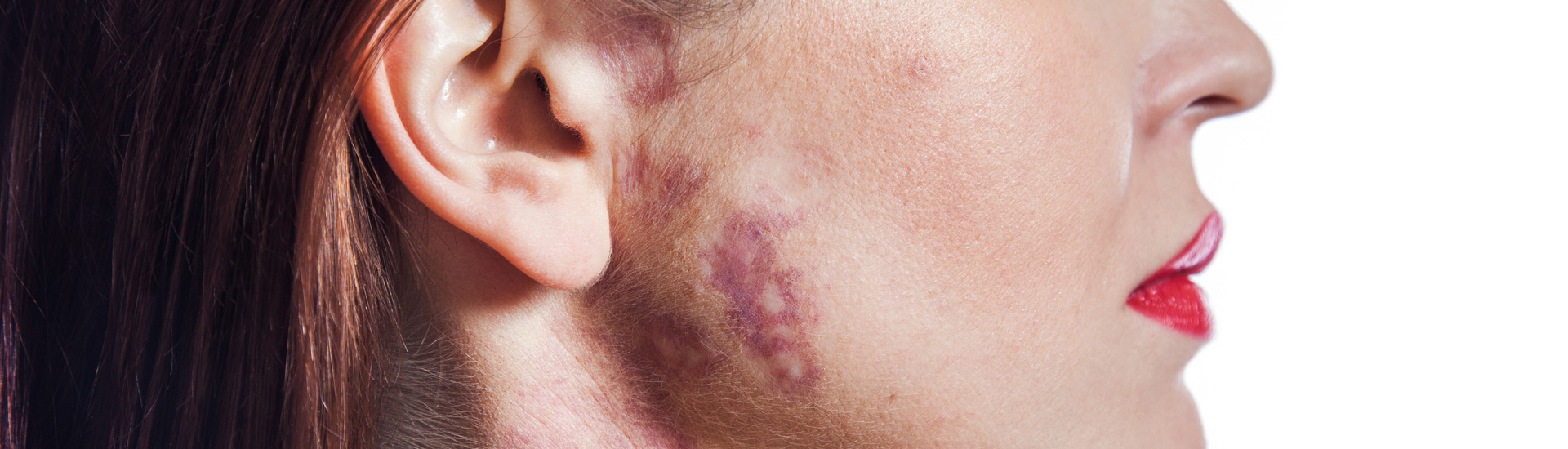
Introduction to Port-Wine Stain Removal
Port-wine stains (PWS), medically known as nevus flammeus, are congenital capillary malformations that appear as flat, reddish-purple discolorations on the skin. They are caused by an abnormal development of the dermal capillaries and usually present at birth. Unlike other birthmarks that may fade over time, port-wine stains tend to persist and often deepen in color as a person ages. In adulthood, these lesions may become darker, develop a nodular surface, or thicken, leading to both cosmetic concerns and medical complications.
Port-wine stain removal refers to the medical and cosmetic procedures used to lighten, shrink, or remove these vascular lesions. The most common and widely accepted therapy is laser treatment, particularly Pulsed Dye Laser (PDL), which targets the abnormal blood vessels responsible for the discoloration. Other therapies, such as Nd:YAG lasers, intense pulsed light (IPL), photodynamic therapy, and surgical excision, may also be considered depending on severity and clinical needs.
As medicine advances, port-wine stain removal has become more effective, safe, and accessible, improving patient confidence and reducing the risk of complications like bleeding, skin thickening, or psychological distress. Modern treatment protocols focus on early intervention—especially during infancy—because younger skin responds better, heals quickly, and limits long-term vascular proliferation.
Port-wine stains can significantly impact self-esteem, social interaction, and overall psychological well-being. Therefore, port-wine stain removal is often considered a therapeutic necessity rather than just a cosmetic procedure. Families and patients seeking treatment benefit from understanding the causes, symptoms, diagnosis, management options, and long-term expectations, which are detailed in the sections below.
Causes and Risk of Port-Wine Stain Removal (Port-Wine Stains)
Port-wine stains are vascular birthmarks caused by abnormalities in the formation and functioning of small blood vessels (capillaries) in the skin. While the exact cause is not fully understood, several scientifically recognized factors contribute to their development:
A. Genetic Factors
-
Most port-wine stains are sporadic, but some arise due to genetic mutations.
-
Mutations in the GNAQ gene have been associated with port-wine stains and related syndromes.
-
These mutations affect the regulation of blood vessel growth, causing capillaries to remain dilated.
B. Vascular Malformation
-
Port-wine stains are not tumors but capillary malformations due to faulty autonomic nerve supply to dermal blood vessels.
-
The blood vessels remain permanently dilated, producing the reddish-purple appearance.
C. Syndromic Associations
Some port-wine stains are part of broader medical conditions, such as:
-
Sturge-Weber Syndrome
-
Port-wine stains on the face, particularly involving the forehead or upper eyelid.
-
May accompany neurological issues (seizures, glaucoma).
-
-
Klippel-Trenaunay Syndrome
-
Port-wine stains with limb overgrowth and venous/lymphatic malformations.
-
These syndromes increase the medical urgency for treatment.
Risks Associated with Untreated Port-Wine Stains
-
Darkening and thickening with age - lesions may become hypertrophic.
-
Development of vascular nodules, which may bleed easily.
-
Psychological challenges - especially in children and adolescents.
-
Increased risk of glaucoma - particularly if the stain affects the eyelids.
-
Potential for deformity - due to progressive soft tissue thickening.
Risks Associated with Port-Wine Stain Removal Procedures
Although modern treatments are generally safe, some risks include:
-
Temporary redness and swelling
-
Mild pain or discomfort
-
Pigment changes (hyperpigmentation or hypopigmentation)
-
Blistering or crust formation
-
Scarring (rare)
-
Multiple sessions required for desired results
Understanding these risks helps patients and families make informed decisions about treatment options.
Symptoms and Signs of Port-Wine Stains
Port-wine stains are easily identifiable skin lesions with varying appearances. Their symptoms and signs generally include:
A. Visible Skin Discoloration
-
Present at birth as pink, red, or light purple patches.
-
Typically flat and smooth during infancy.
-
Lesions may change color over time, becoming:
-
Dark red
-
Brownish-red
-
Deep purple
-
B. Thickening and Textural Changes
If untreated, the lesion may:
-
Become nodular
-
Develop raised bumps
-
Show skin thickening
-
Form cobblestone-like texture in adulthood
C. Bleeding and Infections
-
Thickened plaques or nodules may bleed with minor trauma.
-
Chronic bleeding can increase risk of infection.
D. Eye or Neurological Symptoms (Syndromic Cases)
Particularly in Sturge-Weber Syndrome:
-
Seizures
-
Developmental delays
-
Glaucoma
-
Vision problems
E. Emotional and Psychological Impact
-
Social stigma and bullying
-
Reduced self-esteem
-
Anxiety related to appearance
-
Depression in severe cases
Port-wine stains are not painful by themselves but can become physically uncomfortable if complications occur.
Diagnosis of Port-Wine Stains
Diagnosis involves a combination of clinical evaluation, imaging, and—if needed—specialized tests.
A. Physical Examination
-
Dermatologists examine the lesion's color, size, shape, and texture.
-
Evaluation of syndromic features (neurological signs, limb asymmetry).
B. Dermoscopy
-
Provides magnified visualization of dilated capillaries.
-
Helps differentiate PWS from other vascular lesions like hemangiomas.
C. Imaging Studies
-
Ultrasound Doppler
-
Evaluates blood flow in the lesion.
-
-
MRI or CT Scan
-
Used if syndromic involvement is suspected.
-
Helps detect brain involvement in Sturge-Weber Syndrome.
-
D. Ophthalmic Evaluation
-
Essential if the stain involves the eyelids.
-
Evaluates risk of glaucoma.
E. Photographic Documentation
-
Helps monitor the progression and effectiveness of treatment.
F. Skin Biopsy (Rare)
-
Only performed if diagnosis is unclear.
-
Confirms presence of dilated capillaries.
Treatment Options for Port-Wine Stain Removal
Port-wine stain removal involves multiple treatment strategies based on the patient's age, skin type, location, and severity. Modern treatment focuses on laser-based therapies, but several advanced options exist.
A. Pulsed Dye Laser (PDL) - Gold Standard Treatment
-
Most widely used and effective therapy.
-
Targets hemoglobin in blood vessels.
-
Causes selective photothermolysis (destruction of abnormal vessels).
-
Typically requires multiple sessions (6-12 or more).
-
Best results achieved when started in infancy.
Advantages
-
Minimal damage to surrounding tissues
-
High success rate
-
Few side effects
-
Safe for children
B. Nd:YAG Laser
-
Penetrates deeper layers of the skin.
-
Used for thicker or resistant port-wine stains.
-
Helpful when PDL results plateau.
C. Intense Pulsed Light (IPL)
-
Uses broad-spectrum light rather than a single wavelength.
-
Helpful for lighter or superficial lesions.
-
Less effective than PDL for severe cases.
D. Photodynamic Therapy (PDT)
-
Combines photosensitizing agents with light exposure.
-
Destroys abnormal vessels with enhanced precision.
-
Suitable for resistant or recurrent stains.
E. Surgical Excision
-
Rarely required.
-
Used only when the lesion is thickened, nodular, or functionally problematic.
-
May involve grafting or reconstructive techniques.
F. Camouflage Makeup and Cosmetic Therapies
Though not a medical cure, these help patients manage appearance temporarily.
G. Psychological Counseling
Beneficial for individuals experiencing emotional distress or social challenges.
Prevention and Management of Port-Wine Stains
Port-wine stains cannot be completely prevented, as they are congenital, but early management helps reduce complications.
A. Early Treatment
-
Treating in infancy offers better outcomes.
-
Helps prevent thickening and color darkening.
B. Skin Protection
-
Regular use of sunscreen to prevent darkening.
-
Avoid triggers that increase vascular dilation (hot drinks, heat, vigorous activity).
C. Regular Monitoring
-
Periodic checkups for glaucoma if eyelids are affected.
-
Dermatological evaluation for thickening or bleeding.
D. Emotional Support
-
Counseling for children and adults.
-
Support groups for patients and families.
E. Home Care After Laser Procedures
-
Cold compresses to reduce swelling.
-
Avoid sun exposure.
-
Use prescribed ointments to promote healing.
-
Maintain hydration and gentle skincare.
Complications of Port-Wine Stains and Their Removal
A. Complications of Untreated Port-Wine Stains
-
Skin thickening
-
Development of vascular nodules
-
Chronic bleeding
-
Infection risk
-
Facial asymmetry or deformity
-
Vision impairment (glaucoma)
-
Neurological complications (Sturge-Weber Syndrome)
B. Complications from Removal Treatments
Most are temporary and mild:
-
Redness and swelling
-
Bruising
-
Pain or burning sensation
-
Blistering
-
Pigment changes
-
Scarring (rare)
-
Need for multiple treatments
Living with the Condition of Port-Wine Stain Removal
Living with a port-wine stain requires medical care, emotional resilience, and a supportive environment. With modern treatments, outcomes are significantly better than in the past.
A. Physical Well-Being
-
Regular dermatology visits.
-
Compliance with laser treatment schedules.
-
Skincare and sun protection.
B. Psychological Health
-
Early psychological counseling for affected children.
-
Confidence-building strategies.
-
Support from schools, families, and community.
C. Social and Emotional Adaptation
With increased awareness and acceptance, patients can lead full lives while managing their condition. Laser treatment greatly improves appearance and quality of life.
D. Long-Term Outlook
-
Most patients see significant improvement in color and texture.
-
Some may require repeat laser sessions throughout life.
-
Early treatment offers the best cosmetic outcomes.
Top 10 Frequently Asked Questions about Port-Wine Stain Removal
1. What is a Port-Wine Stain and why is removal recommended?
A Port-Wine Stain (PWS) is a type of vascular birthmark caused by abnormal blood vessels in the skin, leading to a reddish or purplish discoloration. These marks often darken, thicken, and become more pronounced with age. Removal or treatment is recommended not only for cosmetic reasons but also to prevent complications such as skin thickening, bleeding, nodularity, and psychosocial distress. Early treatment can significantly improve appearance, reduce progression, and enhance quality of life.
2. What are the most effective treatments for Port-Wine Stain removal?
The gold standard treatment for port-wine stains is the Pulsed Dye Laser (PDL), which targets abnormal blood vessels without damaging surrounding skin. Other effective options include:
-
Nd:YAG lasers for deeper or resistant lesions
-
Intense Pulsed Light (IPL) in selected cases
-
Fractional lasers for textural improvement
-
Combination therapies for resistant or thickened lesions
Treatment type depends on the stain's depth, color, location, patient age, and previous treatment response.
3. Does laser treatment completely remove a Port-Wine Stain?
Complete removal is not always possible, but significant lightening is achievable in most cases. Many patients experience 60-90% improvement after multiple sessions. Early treatment—especially during childhood—yields the best results because younger skin has smaller blood vessels that respond better to laser therapy. Some lesions may require maintenance treatments as the stain can gradually re-darken over time.
4. Is Port-Wine Stain laser removal painful?
Laser treatment causes mild discomfort, often described as a rubber-band snapping sensation against the skin. Pain levels vary depending on the treatment area and patient sensitivity. Children and individuals with low pain tolerance may benefit from:
-
Topical numbing creams
-
Cooling devices
-
Local anesthesia in certain cases
The procedure is generally well-tolerated, and discomfort subsides shortly after the session.
5. How many treatment sessions are needed for Port-Wine Stain removal?
Multiple sessions are typically required because port-wine stains involve extensive networks of blood vessels. On average:
-
8-12 sessions may be needed for noticeable improvement
-
Sessions are spaced 4-8 weeks apart
-
Resistant or thicker lesions may require maintenance sessions over time
Each session builds upon the last to reduce blood vessel density and lighten the stain.
6. What are the risks or side effects of Port-Wine Stain laser treatment?
Most side effects are mild and temporary, including:
-
Redness and swelling
-
Bruising (Purpura) lasting 1-2 weeks
-
Temporary darkening of the treated area
-
Mild discomfort
Rare but more serious risks include blistering, scarring, prolonged pigmentation changes, or infection. Choosing an experienced dermatologist or laser specialist significantly reduces these risks.
7. At what age should Port-Wine Stain treatment begin?
Earlier treatment generally leads to better outcomes. Many specialists recommend initiating treatment during infancy or early childhood because:
-
Blood vessels are smaller and more responsive
-
Less laser energy is needed
-
Skin healing is faster
-
Lower risk of long-term thickening
However, adults of all ages can still benefit from laser therapy, although results may take longer and require more sessions.
8. How long is the recovery period after Port-Wine Stain removal?
Recovery time is typically short. Most patients resume normal activities immediately after treatment. However, expect:
-
Bruising and discoloration for 7-10 days
-
Mild swelling for 24-48 hours
-
Sensitivity in the treated area
Patients should avoid: -
Direct sun exposure
-
Harsh skincare products
-
Hot baths, saunas, or strenuous exercise for a few days
Proper aftercare helps enhance healing and prevent complications.
9. Can the Port-Wine Stain come back after treatment?
Port-wine stains may gradually darken again over time due to blood vessel regrowth. This does not mean the treatment failed; rather, it reflects the natural progression of the condition. Maintenance treatments every few years can help preserve the results. Early and consistent laser therapy reduces long-term recurrence and minimizes thickening.
10. Are there any lifestyle or home-care tips after treatment?
Post-treatment care plays a major role in achieving optimal results. Patients should:
-
Apply cold compresses to reduce swelling
-
Use gentle moisturizers and prescribed ointments
-
Avoid scratching or rubbing the treated area
-
Wear broad-spectrum sunscreen (SPF 30-50) daily
-
Follow all dermatologist instructions for cleansing and aftercare
Protecting the skin from sunlight and heat helps prevent irritation and supports healing.