Introduction to Posterior Repair Prolapse Operation
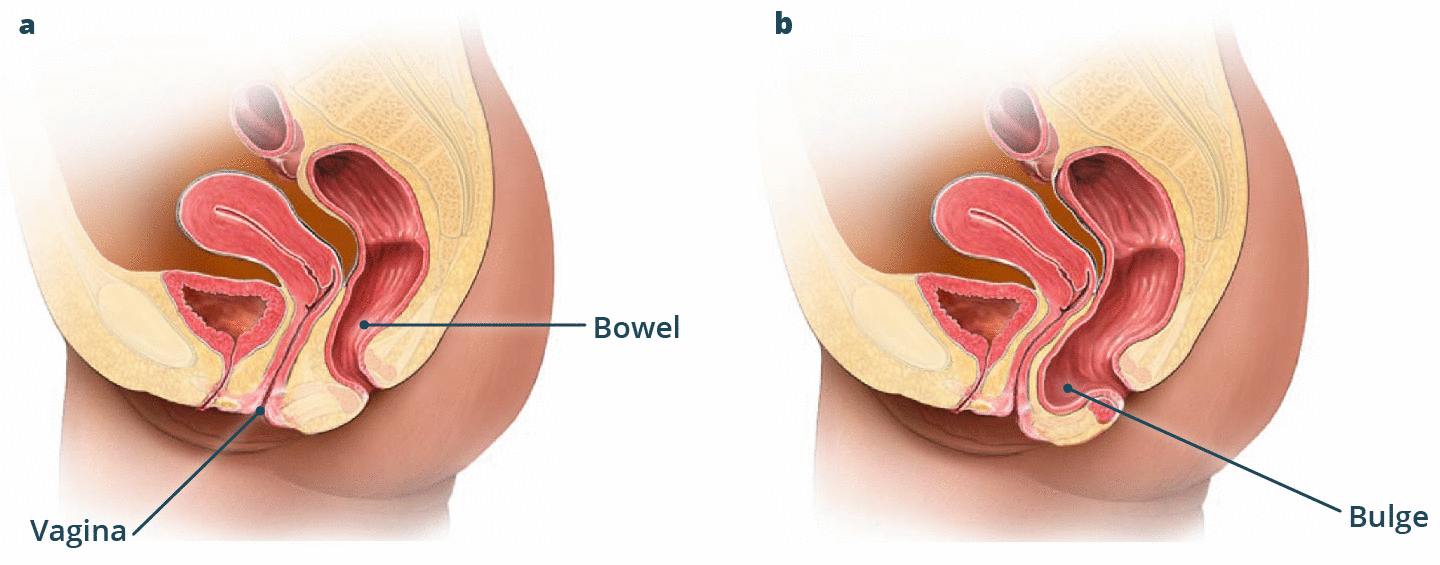
Posterior repair prolapse operation, often referred to as posterior colporrhaphy, is a surgical procedure designed to correct posterior vaginal wall prolapse, commonly known as rectocele. A rectocele occurs when the connective tissue and muscles supporting the posterior vaginal wall weaken, allowing the rectum to bulge into the vagina. This condition can lead to pelvic discomfort, a sensation of vaginal fullness, difficulty with bowel movements, and sexual dysfunction, significantly affecting a woman's quality of life.
The posterior repair prolapse operation involves reconstructing and reinforcing the weakened vaginal tissues, restoring the normal anatomy of the pelvic floor. Surgeons tighten the supportive connective tissue and, in some cases, reposition the rectum to reduce the bulge. This operation not only improves structural support but also alleviates associated symptoms, such as constipation, vaginal pressure, and discomfort during physical activity or sexual intercourse.
This surgery is typically performed through a vaginal approach, which avoids external incisions, promotes faster recovery, and minimizes visible scarring. In some cases, synthetic mesh or biological grafts may be used to reinforce the repair, though current trends favor native tissue repairs due to lower complication risks.
Posterior repair prolapse operation is most commonly indicated for:
-
Women with symptomatic rectocele or posterior vaginal wall prolapse
-
Patients with chronic constipation or difficulty with bowel evacuation due to prolapse
-
Women experiencing discomfort during sexual activity
-
Cases where non-surgical treatments such as pelvic floor exercises or pessaries have been ineffective
Advancements in surgical techniques, anesthesia, and postoperative care have significantly improved the safety, efficacy, and recovery outcomes of posterior repair procedures. Proper patient selection, individualized surgical planning, and postoperative pelvic floor rehabilitation are crucial to achieving long-term success.
Overall, posterior repair prolapse operation provides an effective solution for women experiencing functional and structural pelvic floor problems, improving comfort, bowel function, sexual health, and overall quality of life.
Causes and Risk Factors of Posterior Repair Prolapse Operation
A Posterior Repair Prolapse Operation is performed to correct a posterior vaginal wall prolapse, commonly known as a rectocele. This condition occurs when the connective tissue between the rectum and the vagina (the rectovaginal fascia) becomes weakened or detached, causing the rectum to bulge into the vaginal canal. Over time, this bulging can lead to pelvic pressure, difficulty with bowel movements, and discomfort during daily activities.
Understanding the causes and risk factors helps clinicians identify who may be at risk and when surgical intervention, such as a posterior repair, becomes necessary.
1. Causes Leading to Posterior Vaginal Wall Prolapse
A. Childbirth and Vaginal Delivery
The most common cause of rectocele is childbirth-related trauma. Factors include:
-
Vaginal delivery of large babies
-
Prolonged labor
-
Use of forceps or vacuum extraction
-
Perineal tears or episiotomy
Repeated deliveries increase the degree of pelvic floor stretching and weakening.
B. Pelvic Floor Muscle Weakness
With age, the muscles and ligaments supporting the pelvic organs lose strength and elasticity. Loss of tone in the pelvic floor can cause:
-
Bulging of the rectum into the vagina
-
Difficulty fully emptying the bowel
-
Sensation of pelvic fullness or pressure
This is often seen in women post-menopause due to decreased estrogen levels.
C. Chronic Strain or Pressure on the Pelvic Area
Long-term strain weakens the rectovaginal fascia. Contributing conditions include:
-
Chronic constipation
-
Frequent heavy lifting
-
Chronic coughing (asthma, smoking, COPD)
-
Obesity causing increased abdominal pressure
Constant downward pressure gradually stretches pelvic tissues.
D. Previous Pelvic Surgery
Surgeries such as:
-
Hysterectomy
-
Pelvic floor reconstruction
-
Vaginal repairs in the past
Can weaken the support structures surrounding the posterior vaginal wall, leading to prolapse.
E. Genetic or Connective Tissue Disorders
Some women have naturally weaker pelvic tissues due to inherited conditions such as:
-
Ehlers-Danlos syndrome
-
Connective tissue laxity disorders
These conditions increase susceptibility to prolapse even without childbirth.
2. Risk Factors That Increase the Need for Posterior Repair Surgery
Certain factors make women more likely to develop a rectocele that eventually requires surgical repair:
A. Advancing Age
Aging reduces tissue elasticity, muscle tone, and collagen density, contributing to pelvic organ descent.
B. Menopause
Low estrogen levels weaken the vaginal walls and pelvic support structures. Women in post-menopausal years are at significantly higher risk.
C. Multiple Vaginal Deliveries
The more vaginal births a woman has, the higher the risk of prolapse. Instrument-assisted deliveries further increase the risk.
D. Lifestyle Factors
-
Heavy lifting at work or home
-
Chronic constipation caused by low fiber intake
-
Long-term smoking leading to chronic cough
All of these strain the pelvic floor.
E. Obesity
Excessive abdominal weight puts constant pressure on pelvic support tissues, accelerating weakening and prolapse formation.
F. Family History of Pelvic Organ Prolapse
Genetic predisposition plays a role in tissue strength and collagen integrity, increasing the chance of prolapse and need for surgical correction.
Symptoms and Signs of Posterior Prolapse Requiring Posterior Repair Surgery
A Posterior Prolapse, commonly known as a rectocele, occurs when the rectum pushes into the back wall of the vagina due to weakened pelvic floor support. As this condition progresses, women may experience physical discomfort, bowel-related symptoms, and functional challenges that eventually lead to the need for a Posterior Repair Prolapse Operation. Recognizing the symptoms early is essential for diagnosis, conservative management, and timely surgical intervention.
1. Vaginal Bulging or Pressure
One of the most common symptoms is a feeling of:
-
A bulge or lump inside the vagina
-
Pressure or heaviness in the pelvic area
-
Something "dropping" or "falling out" of the vagina
The bulge often becomes more noticeable:
-
After standing for long periods
-
During lifting
-
Toward the end of the day
-
During physical exertion
In more severe cases, the bulge may protrude outside the vaginal opening.
2. Difficulty with Bowel Movements
Posterior prolapse directly affects the rectum, leading to bowel symptoms such as:
A. Constipation
Trouble passing stools due to weakened rectal support.
B. Straining During Bowel Movements
Patients may need significant force because the stool pushes into the bulging vaginal wall rather than exiting smoothly.
C. Need for Manual Assistance (Splinting)
Many women report using their fingers to:
-
Apply pressure inside the vagina
-
Push on the perineum
-
Support the rectal wall
This "splinting" helps pass stool and is a key sign of a rectocele.
3. Incomplete Bowel Emptying
Women often feel that:
-
Stool remains trapped
-
They need multiple attempts to empty the bowel
-
The rectum does not fully evacuate
This leads to discomfort, bloating, and repeated bathroom visits.
4. Vaginal Discomfort or Pain
Symptoms may include:
-
General pelvic aching
-
Pressure during daily activities
-
Vaginal dryness or irritation
Symptoms may worsen during:
-
Heavy lifting
-
Standing for long durations
-
High-impact exercise
5. Sexual Dysfunction
Posterior prolapse can cause:
-
Pain or discomfort during intercourse (dyspareunia)
-
Reduced vaginal tone
-
A sensation of looseness
Some women feel embarrassed or self-conscious, impacting intimacy.
6. Lower Back or Pelvic Pain
As pelvic support structures weaken, women may experience:
-
Aching in the lower back
-
Pelvic pressure that intensifies by the evening
-
Cramping sensations
Though not always a primary symptom, it commonly accompanies moderate to severe prolapse.
7. Visible Prolapse
In advanced cases, the rectocele may become visible at or outside the vaginal opening, especially when:
-
Bearing down
-
Coughing
-
Straining
-
Standing upright
This is a key indication that surgical repair may be needed.
8. Urinary Symptoms (Less Common but Possible)
While posterior prolapse primarily affects the rectum, it can indirectly cause:
-
Difficulty starting urination
-
Incomplete bladder emptying
-
Increased urinary frequency due to pelvic pressure
These are often secondary to overall pelvic floor weakness.
Diagnosis of Posterior Vaginal Wall Prolapse (Rectocele)
A Posterior Repair Prolapse Operation is recommended only after accurate diagnosis of the underlying condition-posterior vaginal wall prolapse.
Posterior vaginal wall prolapse, commonly known as a rectocele, occurs when the supportive tissue between the rectum and vagina weakens, allowing the rectum to bulge into the vaginal canal. Diagnosis focuses on determining the severity of the prolapse, assessing symptoms, and ruling out other pelvic floor disorders.
A thorough and accurate diagnosis is essential to ensure that surgical repair is appropriate and to develop a personalized treatment plan.
1. Detailed Medical History
Diagnosis begins with a comprehensive discussion of the patient's symptoms and risk
factors.
The doctor may ask about:
-
Sensation of vaginal bulging or heaviness
-
Difficulty with bowel movements
-
Need to press inside the vagina or perineum (splinting) to defecate
-
Constipation or straining
-
Discomfort during intercourse
-
History of childbirth trauma, especially vaginal deliveries
-
Previous pelvic surgeries such as hysterectomy
-
Chronic coughing, heavy lifting, or long-term constipation
A clear history helps identify the cause and progression of the prolapse.
2. Physical and Pelvic Examination
A pelvic exam is the most important part of diagnosis.
A. Visual Inspection
The doctor examines the vaginal opening for:
-
Bulging tissue
-
Visible rectocele with straining
-
Vaginal wall laxity
Symptoms may worsen when the patient stands or bears down.
B. Pelvic Organ Prolapse Quantification (POP-Q) System
This standardized measurement system assesses the degree of prolapse
using precise anatomical points.
It evaluates:
-
Prolapse severity
-
Vaginal wall support
-
Pelvic muscle strength
POP-Q grading helps determine whether surgery is necessary.
C. Assessment of Pelvic Floor Muscle Strength
The doctor evaluates:
-
Muscle tone
-
Kegel strength
-
Coordination of pelvic muscles
Weak pelvic floor muscles often contribute to prolapse.
3. Rectal Examination
A rectal exam may be performed to:
-
Assess rectovaginal fascia integrity
-
Identify rectal bulging
-
Detect stool retention or impacted stool
-
Evaluate sphincter tone
This helps distinguish rectocele from other colorectal conditions.
4. Defecography (Dynamic Imaging)
A defecogram is an imaging test that evaluates pelvic floor function during defecation. It helps identify:
-
The size of the rectocele
-
How far the rectum bulges into the vagina
-
Difficulty emptying the rectum
-
Coexisting pelvic floor dysfunction
This test provides essential information when bowel symptoms are significant.
5. Ultrasound or MRI Pelvic Floor Imaging
Advanced imaging is used in complex or recurrent cases.
These tests:
-
Visualize pelvic organs in motion
-
Show the extent of rectal prolapse or enterocele
-
Provide details about muscle and ligament integrity
MRI is especially helpful for patients with multi-compartment prolapse.
6. Colon and Rectal Evaluation
If bowel issues are severe, additional tests may be ordered:
-
Colonoscopy (to rule out obstruction, polyps, or tumors)
-
Anorectal manometry (to assess sphincter function and muscle coordination)
These tests help ensure the rectocele is the primary cause of symptoms.
7. Differential Diagnosis
The doctor will rule out other conditions with similar symptoms, such as:
-
Enterocele (small bowel prolapse)
-
Uterine prolapse
-
Anterior vaginal wall prolapse (cystocele)
-
Hemorrhoids or rectal prolapse
-
Fecal impaction
Proper differentiation ensures that the correct treatment-surgical or non-surgical-is chosen.
Treatment Options for Posterior Repair Prolapse Operation
Posterior vaginal wall prolapse, commonly known as a rectocele, occurs when the supportive tissue between the rectum and the vagina-called the rectovaginal fascia-weakens or tears. While mild cases may be managed conservatively, moderate to severe prolapse often requires a Posterior Repair Prolapse Operation. Treatment options focus on relieving symptoms, improving bowel function, restoring vaginal anatomy, and enhancing quality of life.
1. Non-Surgical Treatment Options
Non-surgical management is typically recommended for women with mild symptoms, those who prefer a conservative approach, or patients who are not good surgical candidates.
A. Pelvic Floor Physical Therapy
Pelvic floor physiotherapy strengthens the muscles that support the vagina and rectum. Therapists use:
-
Pelvic floor muscle training (Kegel exercises)
-
Biofeedback therapy
-
Manual therapy to improve muscle tone
-
Breathing and core stabilization exercises
This approach improves prolapse symptoms and enhances bowel function.
B. Pessary Use
A vaginal pessary is a silicone device inserted into the vagina to support pelvic organs.
-
Suitable for women who wish to avoid surgery
-
Helps relieve pressure, bulging, and discomfort
-
Can be self-managed or maintained with clinical visits
Pessaries are especially helpful for elderly women, those with medical comorbidities, or patients wanting to delay surgery.
C. Lifestyle and Behavioral Modifications
Lifestyle changes can reduce symptoms and prevent worsening:
-
Increase dietary fiber and water intake to reduce constipation
-
Avoid straining during bowel movements
-
Weight management to reduce pelvic pressure
-
Avoid lifting heavy weights
-
Smoking cessation to reduce chronic cough
These measures help prevent further weakening of pelvic tissues.
2. Surgical Treatment Options
Surgery is recommended when:
-
Symptoms significantly impact daily activities
-
Non-surgical treatment fails
-
Rectocele causes difficulty emptying bowels
-
The prolapse is moderate to severe
The main surgical procedure is Posterior Repair (Posterior Colporrhaphy), but techniques vary depending on the severity and patient needs.
A. Posterior Colporrhaphy (Traditional Posterior Repair)
This is the most common surgical approach.
Key Steps:
-
A small incision is made in the posterior vaginal wall.
-
The weakened rectovaginal fascia is identified.
-
Tissue is tightened with sutures to rebuild support.
-
Excess vaginal tissue may be trimmed if needed.
-
The vaginal wall is closed, restoring normal anatomy.
Benefits:
-
High success rate
-
Minimally invasive
-
Low complication rate
B. Site-Specific Posterior Repair
Instead of tightening the entire fascia, the surgeon repairs only the specific areas of fascial weakness or tears. This produces:
-
More anatomical correction
-
Less tension on tissues
-
Improved functional outcomes
C. Use of Biological or Synthetic Grafts (Selective Cases)
In some cases, graft materials are used to reinforce weak tissue.
-
Biological grafts (from donor tissue) reduce rejection risk
-
Synthetic mesh is rarely used today in vaginal repairs due to safety concerns
Grafts are considered when native tissue is too weak or prolapse is recurrent.
D. Combined Procedures
Posterior repair may be performed alongside:
-
Anterior vaginal repair
-
Perineoplasty (repair of perineal body)
-
Vaginal hysterectomy
-
Sacrospinous fixation
These combined surgeries may be needed when multiple pelvic compartments are involved.
3. Postoperative Management
After surgery, proper care is vital for successful recovery and long-term results.
Key Recommendations:
-
Avoid heavy lifting for 6-12 weeks
-
Prevent constipation with fiber-rich diet
-
Refrain from sexual intercourse for 6 weeks
-
Continue pelvic floor exercises after healing
-
Attend follow-up appointments to monitor healing
Good postoperative habits help prevent recurrence and strengthen tissue support.
Prevention and Management of Posterior Repair Prolapse Operation
A Posterior Repair Prolapse Operation is recommended when a posterior vaginal wall prolapse-commonly known as a rectocele-significantly affects bowel function, pelvic comfort, or quality of life. While surgery can correct advanced prolapse, many women can reduce their risk of developing prolapse or worsening symptoms through lifestyle adjustments and pelvic floor care. Effective management both before and after surgery is essential to ensure long-term pelvic health and prevent recurrence.
1. Prevention of Posterior Vaginal Wall Prolapse
Although not all rectoceles can be prevented-especially those related to childbirth or aging-many risk factors can be minimized. Prevention focuses on protecting the pelvic floor and reducing chronic strain.
A. Maintain Healthy Bowel Habits
Chronic constipation is one of the biggest contributors to rectocele development.
Women can minimize strain by:
-
Eating a high-fiber diet (fruits, vegetables, whole grains)
-
Drinking plenty of water
-
Using stool softeners if needed
-
Avoiding excessive pushing or straining during bowel movements
-
Establishing regular bathroom habits without delaying the urge to defecate
B. Pelvic Floor Muscle Strengthening (Kegel Exercises)
Strengthening the pelvic floor helps support the rectum and vagina.
Pelvic floor exercises:
-
Improve muscle tone
-
Prevent further tissue weakening
-
Reduce symptoms of mild prolapse
-
Improve bowel control
A pelvic floor physical therapist can provide guidance on correct technique.
C. Avoid Heavy Lifting and Straining
Repetitive heavy lifting-either at work, exercise, or home-can weaken pelvic support tissues.
Women at risk should:
-
Use proper lifting techniques
-
Avoid carrying excessively heavy loads
-
Substitute lifting with pushing or rolling when possible
D. Maintain a Healthy Weight
Obesity increases pressure on the pelvic floor. Maintaining a healthy weight significantly reduces prolapse progression.
E. Manage Chronic Respiratory Conditions
Conditions such as chronic cough, asthma, or COPD repeatedly increase abdominal pressure. Treating these promptly reduces pelvic strain.
F. Hormonal Support After Menopause
Estrogen loss weakens the pelvic tissues. Vaginal estrogen therapy (cream, ring, or tablet), when recommended by a physician, may maintain tissue elasticity and support.
2. Management Before Posterior Repair Surgery
For women considering or awaiting surgery:
A. Pelvic Floor Physical Therapy
Pre-surgical strengthening enhances surgical outcomes and may reduce symptoms sufficiently to delay surgery.
B. Support Devices (Pessaries)
A vaginal pessary supports the prolapsed tissue and helps relieve symptoms in mild to moderate cases.
C. Lifestyle Modifications
Avoiding heavy lifting, improving bowel habits, and weight management reduce symptoms and help stabilize the condition until surgery.
3. Postoperative Management After Posterior Repair Prolapse Operation
Proper care after surgery ensures a strong repair and lowers the risk of recurrence.
A. Activity Modification
Patients should avoid:
-
Straining
-
Heavy lifting
-
High-impact exercise
-
Constipation
for at least 6-12 weeks after surgery.
B. Pain Management
Pain is managed through:
-
Prescribed pain medications
-
Sitz baths
-
Cold packs to reduce swelling
Controlling pain helps patients mobilize safely.
C. Pelvic Floor Rehabilitation
After healing, pelvic floor therapy:
-
Restores muscle strength
-
Improves bowel control
-
Reduces recurrence risk
-
Supports long-term pelvic stability
D. Bowel Care
Preventing constipation is essential:
-
High-fiber diet
-
Adequate hydration
-
Stool softeners when needed
Minimizing pressure during bowel movements protects the surgical repair.
E. Sexual Activity and Vaginal Care
Sexual intercourse is usually avoided for 6 weeks or until healing is confirmed. Vaginal estrogen may be prescribed post-menopause to maintain tissue resilience.
4. Long-Term Management to Prevent Recurrence
Posterior prolapse can recur without proper lifestyle and pelvic care. Long-term strategies include:
-
Maintaining pelvic floor strength
-
Avoiding chronic constipation
-
Managing body weight
-
Limiting heavy lifting
-
Treating chronic cough
-
Attending routine follow-up appointments
Complications of Posterior Repair Prolapse Operation
A Posterior Repair Prolapse Operation-commonly performed to correct a
rectocele or posterior vaginal wall prolapse-is generally safe and highly effective. The
surgery strengthens the rectovaginal fascia and restores normal pelvic support,
improving bowel function, vaginal comfort, and quality of life.
However, as with any surgical procedure, certain short-term and long-term
complications may occur. Understanding these potential issues helps
patients make an informed decision and encourages proper postoperative care.
1. Early (Short-Term) Complications
These complications may occur within the first few days or weeks following surgery.
A. Pain and Discomfort
Some degree of pelvic, vaginal, or rectal discomfort is expected. However, severe or worsening pain may indicate infection or wound complications.
B. Bleeding or Hematoma
Although uncommon, bleeding can occur at the surgical site, leading to:
-
Vaginal spotting
-
Pelvic pressure
-
Bruising
-
Hematoma formation
Most cases resolve, but significant bleeding may require medical attention.
C. Infection
Postoperative infection can occur in:
-
The surgical incision
-
Vaginal tissues
-
Deep pelvic layers
Symptoms include fever, foul-smelling discharge, increased pain, and redness. Prompt antibiotic treatment is usually effective.
D. Urinary Difficulties
Temporary urinary problems may include:
-
Difficulty emptying the bladder
-
Increased urinary frequency
-
Burning sensation during urination
These issues typically resolve within days or weeks.
2. Intermediate to Long-Term Complications
These complications may develop weeks, months, or even years after the procedure.
A. Constipation or Difficulty with Bowel Movements
While surgery often improves rectal emptying, some patients may experience:
-
Straining
-
Hard stools
-
Discomfort during bowel movements
This can result from pelvic floor tightness or persistent rectal dysfunction. A fiber-rich diet, stool softeners, and bowel training help prevent this.
B. Dyspareunia (Pain During Intercourse)
Scar tissue, vaginal tightening, or pelvic muscle tension may cause discomfort during sexual activity. Pelvic floor physiotherapy, lubrication, and gradual return to activity can reduce symptoms.
C. Recurrence of Prolapse
Although posterior repair is effective, prolapse can recur due to:
-
Weak pelvic connective tissue
-
Chronic straining
-
Aging and tissue laxity
-
Poor healing
Recurrence rates vary but can occur in 10-20% of cases, sometimes requiring repeat surgery.
D. Overcorrection or Vaginal Narrowing
Excess tightening during surgery may lead to:
-
Vaginal narrowing
-
Difficulty with penetration
-
Persistent pelvic pressure
Adjustments in surgical technique and postoperative pelvic therapy reduce this risk.
E. Fecal Urgency or Incomplete Bowel Emptying
Some patients develop changes in bowel habits, such as urgency or incomplete emptying, due to altered rectal dynamics. These issues often improve with therapy.
3. Rare but Serious Complications
A. Rectal Injury
During the operation, there is a small risk of rectal wall perforation. Immediate repair typically resolves the issue, but careful follow-up is essential.
B. Pelvic Organ Damage
Uncommonly, nearby pelvic organs (bladder, rectum) may be affected, requiring additional corrective procedures.
C. Deep Vein Thrombosis (DVT)
As with any pelvic surgery, there is a risk of blood clots forming in the legs, especially if mobility is limited. Prevention includes early ambulation and hydration.
4. Emotional and Psychological Impact
Changes in vaginal function, body image, or sexual comfort may lead to:
-
Anxiety
-
Stress
-
Reduced self-confidence
Supportive counseling and open communication with healthcare providers can help patients adjust.
Living with the Condition After Posterior Repair Prolapse Operation
Living with the condition after a Posterior Repair Prolapse Operation, also known as a rectocele repair, involves adapting to changes in pelvic floor function, following rehabilitative care, and maintaining long-term pelvic health. While most women experience significant relief after surgery-such as improved bowel function, reduced pelvic pressure, and enhanced comfort-ongoing lifestyle habits and proper medical follow-up are essential for lasting recovery and preventing recurrence.
This section explains what patients can expect during recovery, how to maintain pelvic strength, and ways to protect surgical outcomes for long-term well-being.
1. Adjusting After Surgery
After the operation, patients may notice improvements such as:
-
Reduced bulging in the vaginal canal
-
Better bowel emptying
-
Less pelvic heaviness and pressure
-
Improved sexual comfort
However, the pelvic floor tissues need time to heal. It is normal to experience:
-
Mild swelling
-
Pelvic discomfort
-
Temporary difficulty with bowel movements
-
Light vaginal bleeding
These symptoms usually improve gradually over several weeks.
2. Physical Activity and Daily Movements
Proper body mechanics are crucial to avoid strain on healing tissues.
A. Early Stage (0-6 Weeks)
Patients should:
-
Avoid heavy lifting (anything over 4-5 kg)
-
Avoid squatting, straining, or vigorous exercise
-
Use stool softeners to prevent constipation
-
Walk short distances to promote circulation
-
Avoid sexual intercourse until cleared by the doctor
Rest paired with gentle mobility helps prevent complications such as recurrence or surgical site weakness.
B. Intermediate Stage (6-12 Weeks)
As healing progresses, patients may:
-
Increase walking distance
-
Resume light household activities
-
Begin pelvic floor physiotherapy
-
Return to work depending on job demands
C. Long-Term Activity (After 3 Months)
Most women can return to:
-
Exercise routines
-
Sexual activity
-
Full household tasks
-
Low-impact sports
High-impact activities (running, heavy lifting) should be discussed with a pelvic floor specialist.
3. Pelvic Floor Rehabilitation
Pelvic floor therapy is a key component of long-term success.
Pelvic Floor Exercises (Kegels)
Strengthen muscles supporting the bladder, rectum, and vagina. These exercises:
-
Improve bowel control
-
Enhance vaginal tone
-
Reduce risk of recurrence
-
Improve sexual function
Biofeedback or Electrical Stimulation
Used in therapy for women who struggle to isolate pelvic muscles.
Consistent pelvic floor rehabilitation helps maintain support and prevents future prolapse.
4. Bowel Health and Digestive Care
Since rectocele involves the rectum and posterior vaginal wall, bowel management is essential.
To avoid straining:
-
Eat a high-fiber diet (fruits, vegetables, whole grains)
-
Drink plenty of water
-
Use stool softeners if needed
-
Avoid constipation and excessive pushing
-
Use proper toilet posture (feet on a stool, leaning forward)
Healthy bowel habits protect the repair and prevent recurrence.
5. Sexual Health and Intimacy
Posterior repair often improves comfort during intercourse. However:
-
Mild discomfort is normal initially
-
Adequate lubrication is helpful
-
Pelvic floor strengthening enhances sexual sensation
-
Communicating with partners reduces anxiety
If pain persists, a pelvic therapist or gynecologist should be consulted.
6. Emotional and Psychological Well-Being
Pelvic organ prolapse can impact confidence, body image, and mental health. After surgery:
-
Many women feel relief and renewed confidence
-
Some may feel anxious about recurrence
-
Open conversations with healthcare professionals help
-
Support groups and counseling can be beneficial
Pelvic conditions often affect quality of life, so emotional support is as important as physical healing.
7. Long-Term Lifestyle Recommendations
To maintain surgical results:
-
Maintain a healthy weight
-
Avoid chronic coughing-treat asthma or stop smoking
-
Avoid frequent heavy lifting
-
Engage in regular pelvic floor exercises
-
Manage constipation proactively
Regular follow-up visits with a gynecologist or urogynecologist ensure long-term pelvic health.
Top 10 Frequently Asked Questions about Acupressure
1. What Is a Posterior Repair Surgery?
A posterior repair-also known as a rectocele repair-is a surgical procedure done to correct a bulge in the back wall of the vagina. This bulge occurs when the tissue separating the rectum and the vagina becomes stretched or weakened, causing the rectum to push into the vaginal space. This condition, called a rectocele, may occur due to childbirth, chronic constipation, heavy lifting, aging, or previous pelvic surgeries. During a posterior repair, the surgeon strengthens and tightens the supportive tissues between the vagina and rectum to restore normal anatomy. The goal is to reduce symptoms like vaginal pressure, difficulty emptying the bowel, or the feeling of a bulge. The procedure is performed vaginally, meaning there are no abdominal incisions, resulting in quicker recovery and minimal visible scarring.
2. Why Is This Surgery Needed?
Posterior repair is recommended when conservative treatments such as pelvic floor physiotherapy, dietary fiber adjustments, stool-softeners, or pessaries fail to relieve symptoms. Women may seek surgery when they experience significant discomfort, difficulty with bowel movements, the need to "splint" (use fingers to support the back vaginal wall during defecation), or the sensation of tissue protruding from the vagina. In moderate to severe rectocele cases, the weakened connective tissue can no longer support normal pelvic structures, and surgery becomes the most effective option. The purpose of surgery is to restore pelvic support, improve overall function, and enhance quality of life. Without treatment, symptoms may worsen over time due to continued strain on weakened tissues.
3. How Is the Procedure Performed?
Posterior repair is typically performed under general or spinal anesthesia. The surgeon makes an incision inside the vagina along the back vaginal wall. The stretched tissue between the vagina and rectum is then identified, folded, and stitched together to create a stronger support layer. Excess vaginal tissue may be removed if necessary to improve structure and restore normal shape. Most surgeons use dissolvable stitches that naturally break down as healing progresses. The operation usually takes less than 90 minutes and may be combined with other pelvic surgeries, such as anterior repair or vaginal vault suspension, depending on the patient's needs. Because the procedure is done vaginally, recovery is generally quicker than abdominal surgeries and involves fewer complications.
4. How Long Does the Surgery Take?
The duration of posterior repair surgery may vary depending on the complexity of the rectocele, the presence of scar tissue, and whether additional procedures are performed. On average, the surgery takes 45-90 minutes. If combined with other prolapse surgeries, operative time may be longer. Despite its relatively short duration, it is performed with high precision to preserve healthy tissue while tightening weakened structures. After the procedure, patients spend a few hours in a recovery unit before being discharged the same day or after an overnight stay.
5. What Type of Anesthesia Is Used?
Posterior repair can be safely performed under general anesthesia or spinal anesthesia. In general anesthesia, the patient is fully asleep. With spinal anesthesia, the patient remains awake but numb from the waist down. Choice of anesthesia depends on patient preference, medical history, and surgeon recommendation. Local anesthetic may also be used to reduce post-operative discomfort. Both methods are safe and commonly used in pelvic reconstructive surgery.
6. What Is the Recovery Time?
Most women recover within 4-6 weeks, though complete internal healing can take up to 3 months. Patients can walk the same day, resume light household tasks within a few days, and return to desk work within 1-2 weeks. Full recovery requires avoiding heavy lifting, strenuous activity, and sexual intercourse for six weeks. Post-operative care includes managing constipation with stool softeners, staying hydrated, and avoiding straining. Mild discomfort or spotting is normal and gradually improves.
7. Will It Fix Bowel Symptoms?
Posterior repair often improves bowel symptoms such as difficulty emptying, straining, or the need for vaginal support during bowel movements. While many women experience significant relief, results can vary based on bowel habits, degree of rectocele, and underlying pelvic floor dysfunction. Maintaining long-term bowel health through fiber-rich meals, hydration, and avoiding chronic straining can help preserve surgical benefits.
8. Are the Stitches Dissolvable?
Yes, dissolvable stitches are typically used during posterior repair. These stitches break down naturally over several weeks, eliminating the need for removal. During healing, patients may notice small pieces of suture material as they dissolve-this is normal. The stitches help maintain structure while tissues regain strength.
9. What Activities Should Be Avoided After Surgery?
Patients must avoid lifting anything heavier than 5-10 kg, high-impact exercise, cycling, and sexual intercourse for at least 6 weeks. Straining during bowel movements should be strictly avoided. Swimming and gentle walking are allowed after the initial healing period. Following these guidelines helps prevent surgical failure or recurrence.
10. What Are the Possible Risks?
Posterior repair is generally safe, but all surgeries carry risks. Potential complications include bleeding, infection, pain during intercourse, recurrence of prolapse, constipation, or bladder symptoms. Rare risks include nerve injury or wound healing issues. Choosing an experienced pelvic floor surgeon significantly reduces complications.