Introduction to Primary Central Nervous System Lymphoma
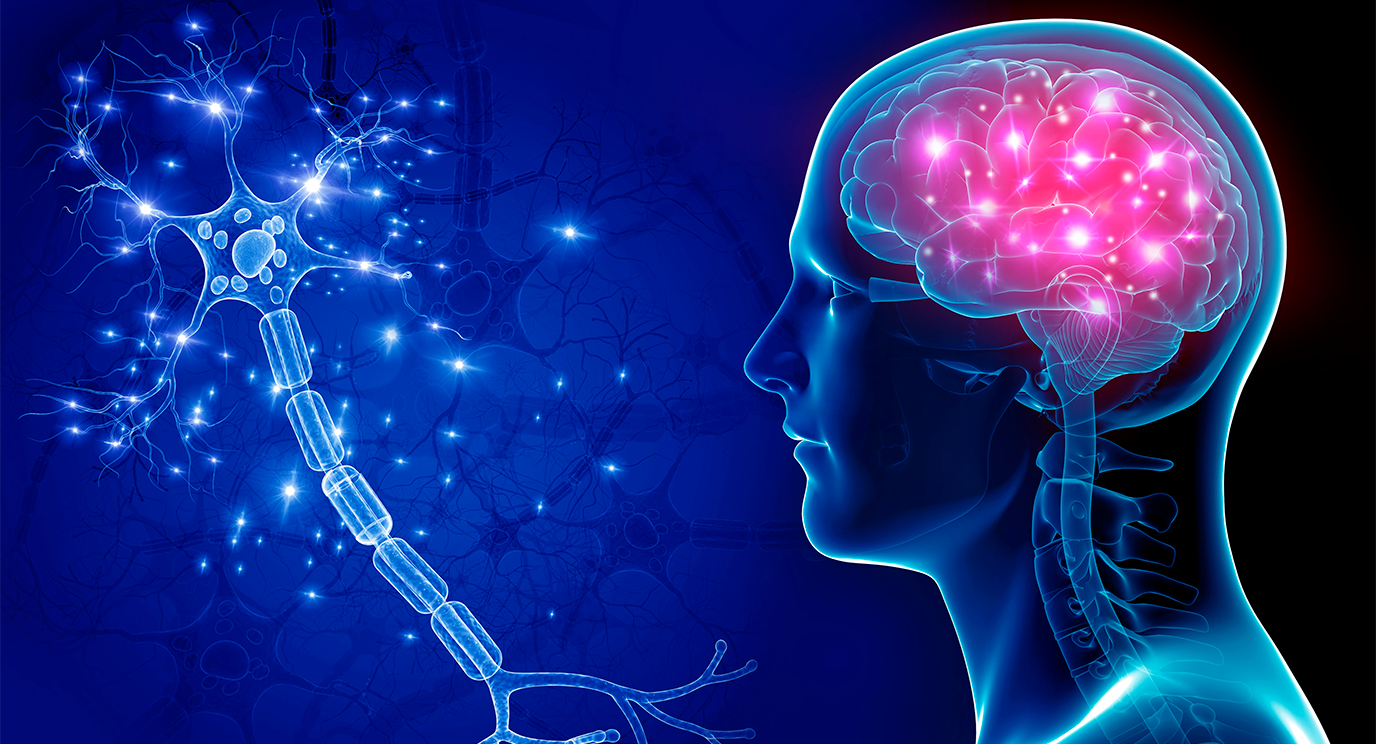
Primary Central Nervous System Lymphoma (PCNSL) is a rare, aggressive form of non-Hodgkin lymphoma that arises within the central nervous system (CNS) - including the brain parenchyma, leptomeninges, spinal cord, cerebrospinal fluid (CSF), and sometimes the eyes (vitreoretinal). Unlike systemic lymphomas that secondarily involve the CNS, PCNSL is defined by absence of systemic disease at diagnosis (or major evidence of disease outside the CNS) and is located originally and primarily within the CNS compartment.
Epidemiologically, PCNSL accounts for about 4 % of newly diagnosed primary brain tumors and fewer than 1 % of all non-Hodgkin lymphomas. The vast majority (~90 %) of PCNSL cases are of diffuse large B-cell lymphoma (DLBCL) histology, expressing B-cell markers such as CD20.
Historically, outcomes were poor, but in recent years major advances-especially high-dose methotrexate-based chemotherapy, improved imaging and diagnostic techniques, and better multidisciplinary care-have improved survival and quality of life. Nevertheless, PCNSL remains a challenging malignancy because of its location (protected behind the blood-brain barrier), its potential to relapse, and its interplay with neurological and cognitive risks.
In this article, we will review in depth: the known causes and risk factors, signs and symptoms, how PCNSL is diagnosed including staging, current treatment options and emerging therapies, prevention and management strategies, complications (both from the disease and treatments), and living with the condition from a patient and caregiver perspective.
Causes and Risk Factors of PCNSL
Primary CNS lymphoma (PCNSL) has no single known cause, but several medical and biological factors clearly increase risk, especially conditions that weaken the immune system. Most people who develop PCNSL have no obvious risk factor, and most people with risk factors never develop it.
Immune deficiency
The single strongest risk factor historically has been immunosuppression: patients with HIV/AIDS, post-organ transplant immunosuppression, or congenital immunodeficiency are at markedly increased risk for PCNSL. In immunocompromised patients, Epstein-Barr virus (EBV) infection of B-cells is frequently implicated.
Age and demographic factors
PCNSL incidence increases with age. Some studies note a rising incidence in older adults (≥ 70 years) in many populations.
Genetic and molecular factors
In immunocompetent patients, PCNSL often arises from malignant transformation of B-cells within the CNS compartment. Recurrent mutations have been identified-such as MYD88 L265P, CD79B, PIM1, and loss of CDKN2A-pointing to activation of B-cell receptor (BCR) signalling and NF-κB pathways.
Other potential contributing factors
While less clearly established, additional factors may include chronic inflammation, prior radiotherapy exposure, certain viral infections (e.g., EBV), and perhaps ageing-related changes in the blood-brain barrier or micro-environment of the CNS. The rarity of the disease makes definitive associations difficult.
Risk factor summary
Although prevention is challenging given the rarity and unpredictability of
PCNSL, awareness of higher-risk populations (older age, immunosuppressed status,
EBV positivity) may prompt closer attention to early neurological symptoms.
In sum: PCNSL arises largely in vulnerable CNS microenvironments under
immune-compromised or ageing conditions, with B-cell transformation and CNS
tissue tropism as central features.
Symptoms and Signs of PCNSL
Because PCNSL arises within the central nervous system, its presentation is highly variable and depends greatly on lesion location, extent (brain, leptomeninges, eyes, spinal cord), and associated mass effect or infiltration.
Common neurological symptoms
-
Headache: Often due to raised intracranial pressure (ICP) from tumour mass or associated oedema.
-
Cognitive or behavioural change: Memory loss, confusion, personality alteration, apathy or lethargy may occur if frontal lobes are involved.
-
Focal neurological deficits: Limb weakness or numbness, facial palsy, speech disturbance (aphasia) depending on location.
-
Seizures: May be first manifestation, especially cortical involvement.
-
Visual disturbances: If ocular involvement (vitreoretinal lymphoma) or optic pathway infiltration occurs: floaters, blurred vision, double vision.
-
Ataxia, gait disturbance: Cerebellar or brain-stem lesions may cause balance problems and coordination issues.
Signs observed on examination
-
Focal signs (e.g., hemiparesis, cranial nerve palsy).
-
Papilloedema or optic disc swelling if raised ICP.
-
Leptomeningeal signs: multiple cranial nerve involvement, spinal signs, CSF abnormalities.
Clinical challenge
Because PCNSL can mimic other neurological conditions (stroke, multiple
sclerosis, glioma, meningioma, CNS infection) diagnosis often requires high
clinical suspicion and comprehensive work-up. Delayed recognition can worsen
prognosis.
In short: PCNSL's symptoms are diverse but often include headache, cognitive
change, focal deficits, visual issues and seizures-prompt investigation is
vital.
Diagnosis of PCNSL
Accurate diagnosis of PCNSL involves a multimodal approach. As avoiding misdiagnosis is critical and treatment should not be delayed, a structured work-up is standard.
Imaging studies
-
MRI with contrast (brain and often entire neuroaxis) is the imaging modality of choice: PCNSL lesions typically are homogeneously enhancing, deep-seated (periventricular, corpus callosum), often multiple, and may show restricted diffusion.
-
Spinal MRI: If clinical signs suggest spinal involvement.
-
Ocular imaging/ophthalmology review: If vitreoretinal lymphoma suspected.
Cerebrospinal fluid (CSF) & ocular fluid analysis
-
Lumbar puncture: CSF cytology, flow cytometry, molecular studies (e.g., MYD88 mutation) may detect malignant lymphocytes or clonality.
-
Vitreous or aqueous sampling: In ocular disease, intraocular lymphoma cells may be present.
Systemic staging
Despite being CNS-only disease, it is essential to exclude systemic lymphoma: PET-CT, bone marrow biopsy, CT chest/abdomen/pelvis, to differentiate PCNSL from secondary CNS lymphoma.
Biopsy
A brain biopsy (stereotactic or open) remains the gold standard for definitive diagnosis: obtaining tissue to confirm lymphoma subtype, immunophenotype (e.g., CD20+ B-cells), Ki-67 index, molecular features. This enables tailored therapy.
Prognostic indices
Several prognostic scores (e.g., IELSG, MSKCC) exist to stratify patients according to age, performance status, CSF protein, LDH, tumour location/number. Continuous research is refining these for modern treatment context.
Summary
Diagnosis of PCNSL requires a coordinated neurological, oncological and radiological approach-MRI plus CSF/ocular studies plus systemic work-up plus biopsy as needed-so that treatment can start promptly.
Treatment Options of PCNSL
Therapeutic approaches for PCNSL have grown significantly in the last decade. Treatment is best delivered in a multidisciplinary setting by neuro-oncology, hematology, radiation oncology and neurology teams.
First-line (induction) therapy
-
High-dose methotrexate (HD-MTX) is the backbone of induction therapy, because of its ability to cross the blood-brain barrier.
-
Combination regimens: e.g., MATRix (methotrexate, cytarabine, thiotepa, rituximab) has shown improved outcomes.
-
Concomitant rituximab (anti-CD20) in CD20+ cases may help although data is mixed.
Consolidation therapy
Once induction achieves remission, consolidation options include:
-
Autologous stem-cell transplantation (ASCT) for eligible younger/fit patients.
-
Reduced-dose whole-brain radiotherapy (WBRT) in selected patients-but usage is tempered by risk of neurotoxicity.
-
Maintenance chemotherapy (for those unsuitable for transplant) such as maintenance HD-MTX has shown comparable outcomes in one study.
Relapsed / refractory disease
Relapse remains common. Treatment options include:
-
Re-induction with HD-MTX-based regimens, alkylators, temozolomide.
-
Novel targeted therapies and immunotherapy: ibrutinib (BTK inhibitor), lenalidomide, PD-1 inhibitors, CAR T-cell therapies are under evaluation.
Ocular/Spinal involvement
Intraocular lymphoma may require intravitreal methotrexate or rituximab in addition to systemic therapy. Spinal or meningeal involvement often mandates CNS-penetrating regimens and careful supportive care.
Supportive & adjunctive care
-
Corticosteroids pre-biopsy can shrink lesions but may obscure diagnosis-thus they are used judiciously.
-
Management of raised intracranial pressure, seizures, neurocognitive symptoms, rehabilitation.
Outcomes
Modern induction-consolidation regimens have improved 2-year progression-free
survival (PFS) to ~60-70% and 5-year overall survival (OS) in selected groups.
However, older patients (>70 years) and those with poor
performance status remain challenging.
Overall, the treatment of PCNSL has shifted from radiation-only era to
chemo-immunotherapy plus consolidation, significantly improving outcomes while
attempting to minimize neurotoxicity.
Prevention and Management of PCNSL
Primary CNS lymphoma (PCNSL) usually cannot be prevented in the general population, but it can often be managed effectively with prompt diagnosis, specialist treatment, and structured long-term follow-up. The main goals are to achieve remission, preserve brain and nerve function, minimise treatment toxicity, and detect relapse or late effects early
Prevention
Because PCNSL is rare and causation is only partly understood, primary prevention is largely theoretical. However, areas of focus include:
-
Optimizing immune function in immunosuppressed individuals (e.g., HIV-positive patients, post-transplant recipients).
-
Regular neurological/ophthalmological monitoring in high-risk groups.
-
Prompt investigation of neurological symptoms in such patients.
Management/Supportive care
-
Early diagnosis and rapid initiation of appropriate therapy is key. Delay reduces outcomes.
-
Management of symptoms: seizures, headaches (ICP), vision problems, spinal cord symptoms.
-
Rehabilitation: neurocognitive therapy, physical therapy, occupational therapy, vision rehabilitation if ocular involvement.
-
Nutritional support, infection prevention, and close monitoring of treatment side-effects (renal function, hepatic toxicity, neurotoxicity).
-
Long-term follow-up: periodic MRI scans, CSF/ocular surveillance in high-risk cases, monitoring for relapse or late effects of therapy (neuro-cognitive decline, secondary malignancy).
-
Psychological support: given the impact on brain and vision, counseling and support groups are often important.
In summary: while true prevention is limited, effective management includes vigilant monitoring, multidisciplinary supportive care, prompt therapy initiation and rehabilitation services.
Complications of PCNSL and Its Treatment
Complications of primary CNS lymphoma (PCNSL) come both from the disease itself (pressure or damage in the brain, spine, or eye) and from intensive treatments such as high-dose chemotherapy and, sometimes, radiotherapy. These risks vary a lot among individuals, and many can be reduced or managed with close monitoring and early intervention.
Disease-related complications
-
Increased intracranial pressure (ICP) → risk of brain herniation.
-
Leptomeningeal spread → hydrocephalus, spinal cord compression, cranial nerve deficits.
-
Ocular involvement → vision loss, optic atrophy.
-
Seizure recurrence, cognitive decline.
Treatment-related complications
-
High-dose methotrexate: renal toxicity, mucositis, hepatic dysfunction, neurotoxicity.
-
Whole-brain radiotherapy: late-onset leukoencephalopathy, cognitive impairment, radiation necrosis.
-
Autologous stem-cell transplant: marrow suppression, infection risk, graft failure, secondary malignancies.
-
Novel agents / immunotherapy: immune-related adverse events, infection risk, neurotoxicity.
-
Relapse: The rate of relapse remains substantial; prognosis for relapsed/refractory PCNSL remains poorer.
Long-term effects
-
Neurocognitive deficits, memory loss, executive dysfunction.
-
Vision/hearing changes.
-
Fatigue and decreased quality of life.
-
Risk of secondary malignancies or treatment-induced damage (e.g., leukoencephalopathy).
Careful monitoring for complications and early management is essential to preserve function and quality of life.
Living with PCNSL
Living with primary central nervous system lymphoma (PCNSL) usually means adapting to a serious but increasingly treatable condition, focusing on both medical care and day-to-day quality of life. Many people achieve remission with modern treatment, but ongoing follow-up and symptom management remain important.
Quality of life and functional outcomes
Survivors of PCNSL may face prolonged recovery, including rehabilitation for neurological deficits, cognitive dysfunction, visual impairment, fatigue, and emotional challenges (anxiety, depression). Supportive services-neuro-rehabilitation, vision/occupational/physical therapy-are critical.
Follow-up care and surveillance
-
Regular MRI scans (brain, spine if indicated).
-
Regular ophthalmology if ocular involvement.
-
Neurocognitive assessments.
-
Monitoring for late effects of therapy and managing comorbidities.
Lifestyle and supportive strategies
-
Healthy diet, exercise as tolerated, sleep hygiene and infection prevention.
-
Avoiding smoking, controlling cardiovascular risk factors (important given therapy and brain health).
-
Engagement with support groups, peer networks, psychological counseling.
Impact on caregivers and families
Given the neurological impacts, caregivers often play a key role in daily assistance, adherence to follow-up and rehabilitation. Education and support for caregivers are vital.
Outlook and hope
With modern treatments, many patients achieve long-term remission and functional
recovery. Ongoing clinical trials of novel immunotherapies, targeted agents and
cell-based therapies offer further hope for improved outcomes with less
toxicity.
In summary: Living with PCNSL means more than treating the tumour-it means
managing neurological function, rehabilitation, long-term monitoring,
psychological health, and maintaining quality of life.
Top 10 Frequently Asked Questions about Primary Central Nervous System Lymphoma (PCNSL)
1. What Is Primary Central Nervous System Lymphoma?
Primary Central Nervous System Lymphoma (PCNSL) is a rare and aggressive subtype of
non-Hodgkin lymphoma that begins in the brain, spinal cord, cerebrospinal fluid (CSF),
or the eyes (ocular lymphoma). Unlike other lymphomas that start in lymph nodes or
organs and spread to the brain, PCNSL originates within the central nervous
system. It commonly affects the deep brain structures such as the periventricular
regions, basal ganglia, cerebellum, or corpus callosum.
PCNSL develops from malignant B-lymphocytes, although T-cell variants exist but are
extremely rare. This condition requires rapid diagnosis and prompt treatment because it
can progress quickly and cause neurological impairment. Despite being aggressive, PCNSL
is treatable, especially when detected early.
2. What Causes Primary CNS Lymphoma?
The exact cause of PCNSL is unknown, but it is strongly associated with immune system
dysfunction. Individuals with weakened immunity-such as patients with HIV/AIDS, those on
long-term immunosuppressive therapy after organ transplantation, or people with
autoimmune disorders-have a significantly higher risk.
Researchers believe that malfunctioning immune surveillance allows abnormal lymphocytes
to grow unchecked in the CNS. Epstein-Barr virus (EBV) infection is also linked to PCNSL
in immunocompromised individuals. However, in most immunocompetent patients, no specific
trigger can be identified.
3. What Are the Common Symptoms?
Symptoms depend on tumor location but often develop over weeks. Common neurological signs
include persistent headaches, confusion, memory loss, personality changes, difficulty
speaking, weakness on one side of the body, balance issues, and seizures.
If the lymphoma involves the eyes, patients may experience blurry vision, floaters, or
vision loss. In spinal involvement, symptoms may include back pain, numbness, or
difficulty walking. Because these symptoms can mimic stroke, infections, or other brain
tumors, proper evaluation is essential.
4. How Is PCNSL Diagnosed?
Diagnosis typically begins with an MRI scan, which reveals
characteristic lesions. A lumbar puncture helps detect malignant cells
or elevated protein in cerebrospinal fluid. The gold-standard test is a
stereotactic brain biopsy, where a small tissue sample is taken and
examined to confirm lymphoma.
Blood tests, ophthalmic examination, and whole-body PET scans may be performed to rule
out systemic lymphoma. Early and accurate diagnosis is crucial because treatment
outcomes depend on timely intervention.
5. What Are the Treatment Options?
High-dose methotrexate-based chemotherapy is the cornerstone of PCNSL
treatment. It penetrates the blood-brain barrier effectively and offers the best
remission rates. Additional therapies include combination chemotherapy, targeted drugs
like rituximab, corticosteroids to reduce swelling, and intrathecal chemotherapy for CSF
involvement.
Radiation therapy, especially whole-brain radiotherapy (WBRT), may be used as
consolidation therapy but is used cautiously in older adults due to cognitive side
effects. In select patients, stem cell transplantation may be
recommended for long-term disease control.
6. Is Surgery Necessary?
Unlike other brain tumors, PCNSL is not typically removed surgically. Surgery is limited to performing a biopsy for confirmation. Tumors are often deep, multifocal, and infiltrative, making removal risky and ineffective. PCNSL responds much better to chemotherapy and radiation, making non-surgical treatment the preferred approach.
7. What Is the Prognosis?
Prognosis varies depending on age, immune status, and treatment response. Younger
patients and immunocompetent individuals often achieve remission, especially with
methotrexate therapy. Overall survival has improved significantly over the years due to
advances in treatment.
However, recurrence can occur, and long-term monitoring is essential. Early detection
and tailored therapy greatly influence outcomes.
8. Can PCNSL Recur?
Yes. PCNSL has a risk of recurrence, often within the first few years after treatment. Recurrence may occur in the brain, spinal cord, or eyes. MRI scans, eye examinations, and follow-ups are critical for early identification. Recurrent PCNSL may be treated with salvage chemotherapy, targeted therapy, or stem cell transplant.
9. How Long Does Treatment Usually Last?
Treatment duration varies but typically spans several months. The induction phase with methotrexate may last 6-8 weeks, followed by consolidation therapy like radiation or additional chemotherapy. Recovery and monitoring continue long after active therapy. Some patients may require long-term prophylactic medications to prevent infections due to weakened immunity.
10. What Are the Long-Term Side Effects?
Long-term effects may include cognitive changes, memory issues, fatigue, neuropathy,
hormonal imbalance, or vision difficulties. Radiation-related cognitive decline is more
common in older adults, which is why radiotherapy is used selectively.
Despite these risks, many patients live meaningful, productive lives after treatment
with the right support, rehabilitation, and follow-up care.