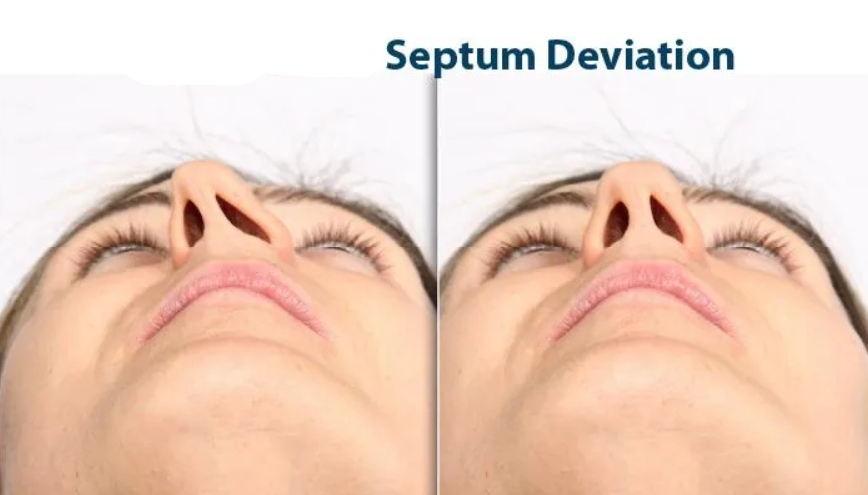
Introduction to Reshaping Septal Deviation Correction
A deviated septum occurs when the nasal septum-the structure that divides the nasal passages-is displaced, causing one nasal passage to be smaller than the other. This condition is extremely common, affecting a large portion of the population, though the degree of deviation varies. For some people, the deviation may be slight and cause no noticeable symptoms. However, for others, a significantly deviated septum can lead to chronic issues such as difficulty breathing, sinus infections, sleep disturbances, and other uncomfortable symptoms.
Septoplasty or reshaping septal deviation correction is a surgical procedure that aims to straighten the nasal septum, improving airflow and resolving related complications. In many cases, the procedure is performed to relieve symptoms, but it can also be combined with rhinoplasty (nose reshaping surgery) to improve both functional and aesthetic aspects of the nose. Septoplasty is one of the most commonly performed procedures in the field of otolaryngology (ENT), with a focus on improving a patient's quality of life.
The decision to undergo septoplasty depends on the severity of the septal deviation and the impact it has on the patient's health and well-being. In this article, we will explore the causes of septal deviation, its symptoms, diagnostic procedures, treatment options, and recovery process, along with an overview of potential complications and long-term management following the procedure.
Causes and Risk Factors of Septal Deviation (and Need for Correction)
A deviated septum can result from a variety of factors, either congenital (present at birth) or acquired (developing after birth). Understanding the causes and risk factors is important in determining the need for correction.
Causes of Septal Deviation:
-
Congenital Factors: In many cases, a deviated septum is present from birth. During fetal development, the nasal septum may not form symmetrically, leading to a structural imbalance. In some cases, this deviation is minor and may not cause any problems, but in others, it can become problematic over time.
-
Trauma or Injury: One of the most common acquired causes of a deviated septum is trauma. A blow to the face or nose-whether from an accident, sports injury, or physical altercation-can result in the nasal septum shifting from its normal position. This may cause long-term nasal obstruction, breathing difficulty, and other complications if left untreated.
-
Growth and Developmental Changes: As individuals grow, the structures in the face and nasal passages change. Sometimes, these changes can lead to a gradual shift in the septum's position, which may cause it to deviate. This is particularly true during adolescence, when the nasal bones and cartilage undergo growth.
-
Previous Nasal Surgeries: Surgeries performed on the nose, particularly those done in childhood or earlier life, can sometimes lead to a deviated septum if not properly managed. Scarring and cartilage damage from prior surgeries can contribute to the misalignment of the septum.
Risk Factors for Septal Deviation Complications
-
Severity of Deviation: The degree of septal deviation is a key factor in determining whether treatment is necessary. A minor deviation may not cause significant symptoms, whereas a more severe deviation may result in significant airflow restriction and increase the likelihood of chronic sinusitis, snoring, or sleep apnea.
-
Other Nasal Conditions: Conditions such as allergic rhinitis or sinus disease can exacerbate the symptoms of a deviated septum, leading to more frequent nasal congestion, sinus infections, and difficulty breathing. Patients with these conditions are often more likely to seek septoplasty as a treatment.
-
Age: Septoplasty is typically performed on adults, as the nasal passages are fully developed by the time individuals reach their late teens or early twenties. Younger patients who experience traumatic injuries may not seek surgical correction until later in life.
-
Lifestyle Factors: Lifestyle habits such as smoking can negatively affect the healing process after septoplasty. Smoking impairs circulation and slows down tissue regeneration, increasing the risk of complications following surgery.
Symptoms and Signs of Septal Deviation - When Correction Should Be Considered
A deviated septum can present a range of symptoms, some of which can be severe enough to impact daily life. The most common symptoms of a deviated septum are related to breathing difficulties and nasal obstruction. These symptoms can make everyday activities such as exercising, sleeping, and even eating difficult. If these issues are persistent and impact a person's quality of life, it may be time to consider septoplasty.
Common Symptoms of Septal Deviation:
-
Nasal Congestion: One of the hallmark symptoms of a deviated septum is chronic nasal congestion. This occurs when the air passage on one side of the nose becomes blocked due to the misalignment of the septum, leading to difficulty breathing through the nose. This is often more pronounced on one side and may fluctuate depending on the time of day or environmental conditions (e.g., allergy season).
-
Difficulty Breathing Through the Nose: A deviated septum can significantly impair the flow of air through the nasal passages. People with this condition often feel as though they cannot breathe properly, especially when lying down or during physical exertion. This can lead to a reliance on mouth breathing, which can be uncomfortable and disruptive.
-
Frequent Sinus Infections: Chronic congestion due to septal deviation can cause poor drainage of the sinuses, leading to frequent sinus infections (sinusitis). In these cases, the nasal passages become blocked, preventing mucus from draining properly and creating an environment conducive to infection.
-
Snoring: Difficulty breathing through the nose can lead to snoring, particularly when sleeping. The mouth breathing that occurs as a result of nasal obstruction can cause the soft tissues in the throat to vibrate, leading to snoring. For some people, this may even be indicative of sleep apnea, a serious condition that involves repeated interruptions in breathing during sleep.
-
Headaches and Facial Pressure: Chronic sinus congestion can lead to feelings of pressure or pain in the forehead, around the eyes, or on the sides of the nose. In some cases, people with a deviated septum may experience headaches, particularly when lying down or when exposed to allergens or irritants.
-
Post-nasal Drip and Sore Throat: Because the sinuses do not drain properly, people with septal deviation may experience post-nasal drip, where mucus runs down the back of the throat. This can cause a sore throat, coughing, and hoarseness, especially in the morning.
When to Seek Treatment
If these symptoms persist and significantly affect daily activities or quality of life, it's time to consider corrective surgery. Treatment is particularly necessary when conservative measures (e.g., decongestants, nasal sprays) fail to provide relief. Septoplasty can help resolve these issues by realigning the nasal septum and improving airflow.
Diagnosis and Evaluation of Septal Deviation Correction
The diagnosis of a deviated septum begins with a thorough examination by an otolaryngologist (ENT specialist) or plastic surgeon. The evaluation process helps determine whether a septoplasty is the appropriate treatment, and if so, how to approach the procedure.
Diagnostic Steps:
-
Medical History: The doctor will first inquire about the patient's medical history, focusing on the symptoms of nasal obstruction, recurrent sinus infections, snoring, or breathing difficulties. The doctor will also assess any previous nasal injuries or surgeries that may have contributed to the septal deviation.
-
Physical Examination: A physical examination of the nose is conducted to assess the external shape and to check for visible signs of nasal asymmetry or external deformities. This helps to identify whether the septal deviation is accompanied by a visible issue that may require a combined rhinoplasty (for cosmetic reshaping of the external nose) in addition to septoplasty.
-
Nasal Endoscopy: During an endoscopic examination, a small camera is inserted into the nostrils to provide a detailed view of the nasal passages and septum. This helps the surgeon evaluate the degree of deviation, the condition of the nasal mucosa (lining), and any other contributing factors, such as turbinates (nasal passage swelling) or nasal polyps.
-
Imaging: In some cases, a CT scan of the sinuses may be performed to assess the structural alignment of the septum and identify any sinus disease that may be present. The scan can also help the surgeon plan the procedure, especially if there are any anatomical complexities that require correction.
-
Functional Assessment: The surgeon may assess the functional aspects of the nose, such as airflow. This is often done using simple tests like Cottle's maneuver to determine the impact of the nasal valve or to detect areas of blockage that may require intervention.
Making the Decision for Surgery
Once the diagnostic tests are complete, the surgeon will discuss the findings with the patient and recommend the best treatment approach. Surgery is usually recommended if symptoms are severe, persistent, and significantly impair quality of life, especially if non-surgical treatments have failed.
Treatment Options - Reshaping and Correction of Septal Deviation
Treatment for a deviated septum focuses on either managing symptoms or surgically straightening the septum; the only way to truly reshape and correct the deviation itself is surgery (septoplasty, sometimes combined with turbinate surgery or rhinoplasty).
Surgical Options
The primary treatment for a deviated septum is septoplasty, a procedure designed to correct the alignment of the nasal septum and improve airflow through the nasal passages. In some cases, septoplasty may be combined with rhinoplasty (a cosmetic nose job) to correct external deformities, such as a crooked or misshapen nose, while also improving internal nasal function.
-
Septoplasty: This procedure is typically performed under local anesthesia with sedation or general anesthesia, depending on the complexity of the surgery. The surgeon makes a small incision inside the nostrils, through which they access the septum. The deviated portions of the septum are then removed, repositioned, or straightened to restore normal airflow.
-
Endoscopic Septoplasty: This modern variation of septoplasty uses an endoscope, a thin tube with a camera, to view the nasal passages more clearly. The endoscope allows for a less invasive procedure, with smaller incisions and a faster recovery time.
-
Septorhinoplasty: When a patient also desires cosmetic correction of the external nose (such as fixing a crooked nose), a septorhinoplasty is performed. This procedure combines septoplasty with rhinoplasty, allowing the surgeon to reshape both the internal septum and external nasal structures for improved appearance and function.
Non-Surgical Options
While surgical correction is the most effective method for treating a deviated septum, non-surgical options can provide temporary relief. These include:
-
Nasal Decongestants: Short-term use of nasal decongestants or sprays may help alleviate some symptoms by reducing nasal passage swelling.
-
Nasal Steroids: Steroid sprays may help manage inflammation in the nasal passages and provide relief from nasal obstruction.
-
Nasal Dilators: External or internal nasal dilators can temporarily help open the nasal passages and improve airflow, although they do not correct the underlying septal deviation.
Treatment Options Continued - Decision-Making, Combined Procedures
Choosing the right treatment option involves careful evaluation of the patient's goals, the severity of their symptoms, and the complexity of their nasal anatomy. In many cases, the type of surgery will depend on the degree of septal deviation and whether there are other underlying nasal issues that require treatment, such as turbinate enlargement or nasal valve collapse.
-
Single vs. Combined Surgery: In cases where both cosmetic and functional correction are needed, a combined approach of septoplasty and rhinoplasty (septorhinoplasty) is often recommended. If there are additional issues, such as sinus problems or allergies, the surgeon may choose to combine septoplasty with sinus surgery (functional endoscopic sinus surgery, FESS) or turbinate reduction.
-
Revisions and Adjustments: In some cases, patients may require a revision septoplasty if they experience residual symptoms after the initial surgery. This is often the case for patients who have a more complex deviated septum or those with underlying nasal valve problems.
Prevention and Management - Pre- and Post-Procedure
Effective prevention and management around septal deviation surgery focus on: 1) preparing well before the procedure to reduce risks, and 2) following strict post-operative care to promote healing and prevent complications.
Pre-operative Management
Before undergoing septoplasty, it is important to optimize general health. Patients should stop smoking, manage any underlying conditions like diabetes or high blood pressure, and avoid medications that could interfere with the healing process, such as blood thinners. The surgeon will provide specific guidelines on how to prepare for surgery, including fasting before the procedure and arranging for postoperative care.
Post-operative Management
-
Recovery: Most patients go home on the same day of surgery, though some may need a short hospital stay. Nasal splints or packing may be placed to support the septum as it heals. Patients will need to avoid blowing their nose and refrain from strenuous activity for several weeks to allow for proper healing.
-
Follow-up care: Regular follow-up appointments are scheduled to monitor healing and remove splints or packing. Most patients can resume normal activities within 1-2 weeks, although full recovery may take 3-6 months for complete tissue healing.
-
Long-term Care: Post-surgery, patients should maintain good nasal hygiene and avoid irritating substances. Regular check-ups with an ENT specialist are important to ensure that the septum remains in a good position and that no further interventions are needed.
Complications of Septal Deviation Correction
While septoplasty is generally safe, there are potential risks and complications that patients should be aware of:
-
Bleeding: Some bleeding is normal after surgery, but excessive bleeding or hematoma (blood accumulation) can occur, requiring further treatment.
-
Infection: As with any surgery, there is a risk of infection, although this is rare with septoplasty.
-
Septal Perforation: In some cases, a small hole (perforation) may form in the septum after surgery, which can lead to breathing issues or whistling sounds when breathing.
-
Changes in Nasal Shape: Although rare, the septoplasty procedure can lead to minor cosmetic changes in the appearance of the nose, particularly if too much cartilage or bone is removed.
Living with the Condition After Correction - Recovery, Outcomes, Long-Term Follow-up
Most people do very well after septal deviation correction: breathing and sleep usually improve significantly, early recovery takes a few weeks, deeper healing takes months, and long-term follow-up helps maintain results and catch rare problems early.
Recovery and Lifestyle
After surgery, patients typically experience some swelling, discomfort, and congestion for a few weeks. The full benefits of septoplasty may take several months to become evident as the nose heals and swelling subsides. During this time, patients should follow post-operative instructions to ensure proper healing.
Outcomes
Septoplasty often results in significant improvement in nasal airflow, decreased snoring, fewer sinus infections, and an overall better quality of life. Many patients report a noticeable improvement in their ability to breathe through their nose, sleep better, and feel less congestion.
Long-term Follow-up
Patients will need to have periodic follow-up visits with their surgeon to monitor healing, ensure no complications have developed, and assess the long-term success of the surgery. In some cases, revision surgery may be necessary if symptoms persist or if complications arise.
Top 10 Frequently Asked Questions about Reshaping Septal Deviation Correction (Septoplasty)
1. What is septal deviation and why might I need surgery to correct it?
A septal deviation occurs when the septum, the cartilage and bone structure that divides the two sides of your nose, is displaced to one side, making one nasal passage narrower than the other. This structural irregularity can lead to difficulty breathing, chronic congestion, sinus problems, or even frequent nosebleeds. In some cases, a deviated septum can also affect sleep and lead to snoring or sleep apnea. Surgery, called septoplasty, is performed to correct this issue by straightening the septum, improving airflow, and alleviating the related symptoms. Septoplasty is often considered when non-surgical treatments such as medications or nasal sprays don't provide relief or when the symptoms significantly interfere with daily life.
2. What does the reshaping or correction surgery (septoplasty) involve?
Septoplasty is a surgical procedure that aims to correct a deviated septum by reshaping or repositioning the septum to allow for improved airflow through the nasal passages. The procedure typically involves making an incision inside the nostrils to access the septum. The surgeon will then lift the mucous membrane (the lining of the nose), remove or reshape the deviated bone and cartilage, and reposition the septum to a more centered position. In some cases, excess tissue may be removed, or small adjustments might be made to improve symmetry. The procedure is usually done under local or general anesthesia, depending on the complexity of the deviation and patient preference, and typically takes around 30 minutes to an hour.
3. Who is an ideal candidate for septal deviation correction surgery?
Ideal candidates for septoplasty are individuals who experience chronic nasal obstruction, difficulty breathing, snoring, or other symptoms related to a deviated septum. The surgery is also recommended when these symptoms are not alleviated through medications, nasal sprays, or lifestyle changes. People who have chronic sinus infections or frequent nosebleeds caused by a deviated septum may also be good candidates. Septoplasty is typically recommended for adults, although it can be performed on teenagers if their growth has stabilized. A thorough consultation with a surgeon is necessary to evaluate the degree of the deviation, the patient's health, and whether surgery is the most effective treatment option.
4. What are the expected benefits of septoplasty surgery?
Septoplasty surgery offers numerous benefits, primarily improving nasal airflow, which makes breathing easier. This can significantly reduce or eliminate symptoms like chronic nasal congestion, snoring, and frequent sinus infections. Many patients experience better sleep quality and less daytime fatigue after the procedure. The surgery can also reduce the occurrence of nosebleeds, as it corrects the structural issue that causes blood vessels in the nasal passages to be more prone to damage. In some cases, septoplasty can improve the aesthetic appearance of the nose if the deviation also causes external visible asymmetry, although the primary goal of the surgery is functional improvement.
5. What are the risks and possible complications of septoplasty surgery?
Although septoplasty is generally a safe and effective procedure, it does come with some potential risks and complications. The most common complications include bleeding, infection, and swelling. Some patients may experience a change in their sense of smell or taste, although this is typically temporary. In rare cases, a septal perforation (a hole in the septum) may occur, which can lead to persistent issues such as crusting or nasal dryness. There is also a small risk of scarring, especially if the mucous membrane is damaged during the procedure. In some cases, patients may require a revision surgery if the septum shifts after healing, or if they experience persistent nasal obstruction. It is important to discuss these risks with your surgeon during your consultation.
6. What is the recovery process like after septoplasty surgery?
The recovery process after septoplasty generally takes around 1-2 weeks for the initial healing, although full recovery can take up to several months. Immediately after the surgery, patients may experience some discomfort, swelling, and bruising around the nose and eyes, especially in the first 48 hours. A nasal splint or soft packing may be placed inside the nose to support the septum during the early stages of healing. Most patients can return to work or normal activities within 1 week, but strenuous activities, heavy lifting, or contact sports should be avoided for at least 3-4 weeks to prevent complications. It's normal to have some nasal congestion as the healing progresses, but breathing should gradually improve. Follow-up appointments are scheduled to monitor healing and remove any splints or packing.
7. Will the surgery leave visible scars, and how much will the nose's appearance change?
Septoplasty is typically performed through internal incisions, meaning that no external cuts or visible scars are left on the outside of the nose. The incisions are made inside the nostrils, where the septum is accessed. This means that the procedure primarily focuses on the internal structure without affecting the external appearance of the nose. However, if the deviation causes external asymmetry (e.g., a crooked nose), some patients may opt for a combined procedure called septorhinoplasty, which also addresses the external appearance of the nose. In this case, minor external incisions may be made, and there may be some visible scarring, but these incisions are usually discreet and heal well over time.
8. How long does the surgery take, and what type of anesthesia is used?
The procedure typically takes between 30 minutes and 1 hour, depending on the complexity of the deviation and whether other procedures (like turbinate reduction) are being performed simultaneously. Septoplasty is usually done under local anesthesia, where the area around the nose is numbed, and the patient remains awake but comfortable during the procedure. In some cases, especially for more extensive corrections or if the patient prefers it, general anesthesia may be used, where the patient is asleep throughout the surgery. The choice of anesthesia will depend on the patient's health, preferences, and the surgeon's recommendations.
9. What should I expect during the consultation for septoplasty surgery?
During the consultation, your surgeon will perform a thorough examination of your nasal passages and ask about your symptoms, medical history, and any previous treatments you may have tried. They may also conduct an endoscopic examination (a small camera inserted into the nose) to get a detailed view of the septum and surrounding structures. Imaging tests, such as a CT scan, may be recommended if the surgeon feels it's necessary to get a better look at your nasal anatomy. The surgeon will discuss the surgical options, risks, benefits, expected outcomes, and recovery process. You will also have the opportunity to ask questions and express any concerns you may have about the procedure.
10. What should I do to prepare for septoplasty surgery?
Preparation for septoplasty begins with the consultation, where your surgeon will provide detailed instructions. Generally, you may need to avoid taking blood-thinning medications, such as aspirin, ibuprofen, or certain supplements, for a few weeks before the surgery. You may also be instructed to stop smoking, as smoking can impair healing and increase the risk of complications. On the day of the surgery, you should avoid eating or drinking for several hours before the procedure, as per your surgeon's instructions. Arranging for someone to drive you home after surgery is also important, as you may still feel groggy from anesthesia. Following your surgeon's instructions carefully is crucial for a smooth surgery and recovery process.