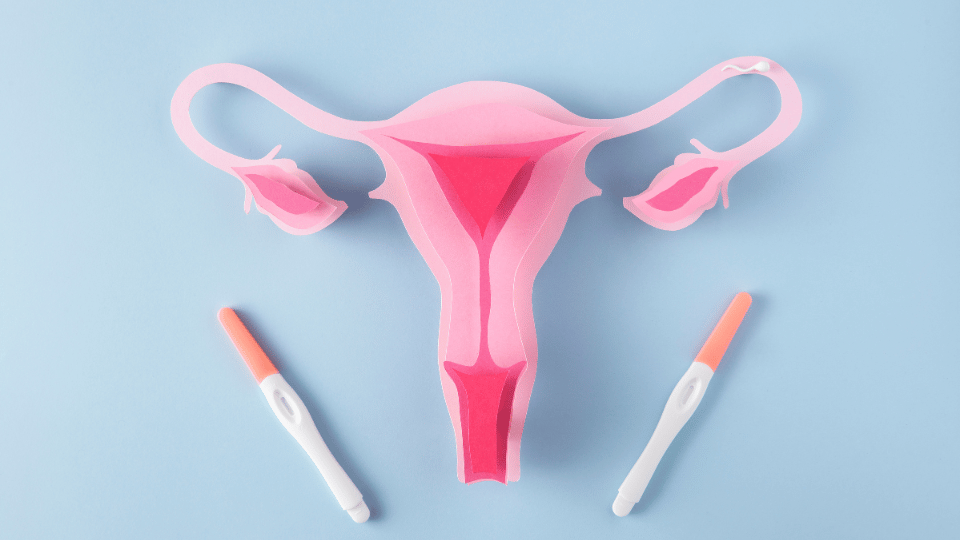
Introduction to Salpingo-Oophorectomy and Ectopic Pregnancy
Ectopic pregnancy is a serious condition in which a fertilized egg implants outside the uterus, most commonly in the fallopian tube. This condition poses significant risks to the mother, as the growing embryo can cause the fallopian tube to rupture, leading to internal bleeding, which can be life-threatening. While an intrauterine pregnancy is supported by the uterus, the fallopian tube is not equipped to house a developing pregnancy, making an ectopic pregnancy non-viable.
Salpingo-oophorectomy is a surgical procedure that involves the removal of the affected fallopian tube along with the ovary on the same side. It is typically performed when the ectopic pregnancy causes extensive damage to the reproductive organs or if there is a risk of rupture, internal bleeding, or infection. In some cases, when the ectopic pregnancy is detected early and the damage is minimal, salpingostomy, where only the pregnancy is removed while preserving the tube, may be performed. However, when the fallopian tube and ovary are severely compromised, salpingo-oophorectomy is necessary for the patient's health and safety.
This procedure helps prevent further complications and protects the woman's overall health. Despite the removal of a fallopian tube and ovary, many women are still able to conceive naturally with the remaining tube and ovary. However, depending on the extent of the damage and the individual's reproductive health, the removal of the ovary and tube can have implications for future fertility. This article provides an in-depth look at the causes, symptoms, diagnosis, treatment options, complications, and living with the condition after a salpingo-oophorectomy procedure.
Causes and Risk Factors of Ectopic Pregnancy Requiring Salpingo-Oophorectomy
Ectopic pregnancies occur when the fertilized egg does not travel properly down the fallopian tube and implants outside the uterus. The most common cause of an ectopic pregnancy is the damage to the fallopian tube, which can hinder the movement of the fertilized egg. Several factors can lead to an increased risk of developing an ectopic pregnancy, including:
Causes of Ectopic Pregnancy:
-
Pelvic Inflammatory Disease (PID): A leading cause of fallopian tube damage, often due to untreated sexually transmitted infections (STIs) like chlamydia or gonorrhea. PID causes scarring and blockage of the fallopian tubes, making it difficult for the fertilized egg to travel to the uterus.
-
Previous Ectopic Pregnancy: A woman who has experienced an ectopic pregnancy before is at a higher risk of developing another. This is because the fallopian tubes may have been damaged or scarred during the first pregnancy.
-
Endometriosis: This condition causes tissue similar to the uterine lining to grow outside the uterus. When endometriosis affects the fallopian tubes, it can cause blockages or damage that leads to an ectopic pregnancy.
-
Tubal Surgery or Tubal Ligation: Any previous surgery involving the fallopian tubes, such as tubal ligation (getting the tubes tied), can increase the risk of an ectopic pregnancy. This is because the procedure can cause scarring or blockage.
-
Assisted Reproductive Technology (ART): Women undergoing fertility treatments like in vitro fertilization (IVF) are at a higher risk of ectopic pregnancy, particularly if the embryo is transferred into the fallopian tube instead of the uterus.
-
Smoking: Smoking has been shown to impair the function of the fallopian tubes, increasing the likelihood of an ectopic pregnancy.
Why Salpingo-Oophorectomy is Required
When an ectopic pregnancy occurs, the growth of the embryo inside the fallopian tube can cause it to rupture, leading to serious internal bleeding. If the damage to the fallopian tube and ovary is extensive, a salpingo-oophorectomy may be necessary to remove the affected tube and ovary and prevent further complications, including life-threatening hemorrhaging. Removing the damaged tube and ovary not only saves the woman's life but also reduces the risk of additional health issues, such as infection or sepsis.
In cases where only one side is affected, salpingo-oophorectomy may not immediately reduce fertility, as the woman may still be able to conceive with the remaining tube and ovary. However, the decision to perform this procedure depends on the extent of the damage and the woman's overall reproductive health.
Symptoms and Signs of Ectopic Pregnancy Leading to Surgical Removal
An ectopic pregnancy often does not present obvious symptoms initially, but as it progresses, the following signs and symptoms become apparent:
-
Pelvic Pain: This is one of the most common symptoms, often localized to one side of the abdomen or pelvis. The pain can vary from mild to severe and may become worse with movement, coughing, or sudden changes in position.
-
Vaginal Bleeding: Light spotting or heavy bleeding that is not like a normal period can occur. This bleeding is typically darker than regular menstrual bleeding and may be accompanied by cramping.
-
Pain during Urination or Bowel Movements: As the pregnancy grows in the fallopian tube, it may press on nearby organs, leading to pain while urinating or passing stool.
-
Shoulder Tip Pain: This refers to a sharp, referred pain in the shoulder, which occurs when blood from a ruptured ectopic pregnancy irritates the diaphragm. It is considered a classic sign of internal bleeding due to rupture.
-
Dizziness or Fainting: Severe internal bleeding caused by the rupture of the fallopian tube can lead to a drop in blood pressure, causing dizziness, lightheadedness, or fainting.
-
Gastrointestinal Symptoms: Nausea, vomiting, and gastrointestinal discomfort can accompany the pain and bleeding.
Need for Surgery
If these symptoms occur, especially with the signs of rupture (shoulder pain, dizziness, fainting, heavy bleeding), immediate surgery is required to prevent further damage and stabilize the patient. In such cases, salpingo-oophorectomy becomes necessary to remove the damaged fallopian tube and ovary and stop the bleeding.
Diagnosis of Ectopic Pregnancy and Pre-surgical Assessment
Diagnosing ectopic pregnancy is critical for determining whether surgical intervention, such as salpingo-oophorectomy, is necessary. Several diagnostic tests are used to confirm the presence of an ectopic pregnancy:
Diagnostic Tools for Ectopic Pregnancy
-
Pregnancy Test (hCG Test): A blood test is used to measure the levels of the hormone hCG (human chorionic gonadotropin), which is produced during pregnancy. In a typical pregnancy, hCG levels double every 48 hours, but in an ectopic pregnancy, hCG levels rise more slowly.
-
Transvaginal Ultrasound: This is the most important tool for diagnosing ectopic pregnancies. It uses sound waves to create images of the inside of the body and can help detect the location of the pregnancy. If the pregnancy is located in the fallopian tube, it can confirm an ectopic pregnancy.
-
Laparoscopy: If the diagnosis is still uncertain or if there is a need for immediate surgical intervention, a laparoscopy may be performed. This minimally invasive surgery allows the doctor to visually examine the reproductive organs and, if necessary, remove the ectopic pregnancy.
Pre-Surgical Evaluation
Once an ectopic pregnancy is confirmed, the patient undergoes a thorough evaluation to assess her overall health, the extent of the ectopic pregnancy, and the degree of damage to the fallopian tube and ovary. The following may be done:
-
Assessing Vital Signs: Checking for signs of shock, internal bleeding, and blood pressure stability.
-
Blood Tests: To determine the level of hCG, assess for anemia, and check other relevant parameters.
-
Ultrasound Imaging: To determine the size and location of the ectopic pregnancy.
After confirming the diagnosis and evaluating the patient's condition, the decision is made whether to proceed with a salpingo-oophorectomy or another surgical approach.
Treatment Options for Ectopic Pregnancy and Salpingo-Oophorectomy
The treatment for ectopic pregnancy depends on the location and size of the pregnancy, as well as the patient's health and reproductive goals. For many women, early ectopic pregnancies may be treated medically or surgically, with the goal of saving the fallopian tube and preserving fertility.
Conservative Medical Management:
-
Methotrexate: In cases where the ectopic pregnancy is detected early, and the woman is stable, methotrexate (a chemotherapy drug) may be used to stop the growth of the embryo and allow the body to reabsorb it. This treatment can avoid the need for surgery, but it requires careful monitoring of hCG levels to ensure that the pregnancy is resolved.
-
Salpingostomy: In some cases, the surgeon may attempt to remove the ectopic pregnancy while preserving the fallopian tube. This is called salpingostomy, where only the pregnancy tissue is removed, leaving the tube intact. However, the risk of recurrence is higher with this procedure.
Surgical Management (Salpingo-Oophorectomy):
-
Salpingo-Oophorectomy becomes necessary when the fallopian tube is damaged, ruptured, or the pregnancy has caused severe internal bleeding. During the procedure, both the fallopian tube and the ovary on the affected side are removed to ensure that the pregnancy does not continue or lead to further complications.
-
Emergency Surgery: If the ectopic pregnancy causes rupture or massive bleeding, emergency surgery is required to remove the tube, control the bleeding, and stabilize the woman's condition. Salpingo-oophorectomy is usually the procedure of choice in these circumstances.
Prevention and Management After Salpingo-Oophorectomy
Prevention of ectopic pregnancy involves addressing the underlying risk factors, such as pelvic infections or tubal damage, and careful monitoring during fertility treatments. After salpingo-oophorectomy, management focuses on recovery, emotional support, and long-term health monitoring.
Postoperative Care:
-
Recovery from Surgery: Women who undergo salpingo-oophorectomy will typically spend a few days recovering in the hospital, especially if the surgery was done after an emergency rupture. Pain management, rest, and avoiding strenuous activity are important during the initial recovery period.
-
Hormonal Support: If both ovaries are removed, hormone replacement therapy (HRT) may be required to alleviate the symptoms of menopause, such as hot flashes, vaginal dryness, and mood changes.
-
Fertility Counseling: For women who wish to preserve fertility, it is essential to discuss options such as egg retrieval before surgery or assisted reproductive techniques (ART) in the future.
-
Mental and Emotional Support: Ectopic pregnancy, particularly when requiring salpingo-oophorectomy, can have emotional and psychological effects, including grief over fertility loss. Counseling and support groups may be beneficial.
-
Long-term Monitoring: Ongoing follow-up visits to monitor hormonal levels, bone health (due to hormonal changes), and general reproductive health are important after the procedure.
Complications of Salpingo-Oophorectomy in Ectopic Pregnancy Context
TWhile salpingo-oophorectomy is generally safe, there are potential
complications, both short-term and long-term. Recognizing these risks is
important for the woman's recovery and overall health.
Short-Term Risks:
-
Bleeding: Excessive bleeding during or after surgery is one of the most common complications.
-
Infection: As with any surgery, there is a risk of infection in the surgical area.
-
Damage to Surrounding Organs: Injury to nearby organs, such as the bladder, bowel, or ureters, is a potential complication during abdominal surgery.
-
Adhesions: Scar tissue can form after surgery, which may cause pelvic pain or future complications, particularly if further surgeries are needed.
Long-Term Risks:
-
Infertility: The most significant long-term consequence of salpingo-oophorectomy is infertility. If both ovaries and fallopian tubes are removed, natural conception becomes impossible. However, if only one side is affected, fertility may still be possible with the remaining ovary and tube.
-
Hormonal Imbalances: The removal of ovaries leads to a drop in hormone levels, which can cause symptoms of menopause. This is particularly true for women who have undergone bilateral salpingo-oophorectomy. Hormonal therapy may be necessary to alleviate these symptoms.
-
Psychosocial and Emotional Impact: Women may experience feelings of loss or grief due to infertility, especially if they were planning to have children in the future. This can affect their emotional and psychological well-being.
Living with the Condition After Salpingo-Oophorectomy for Ectopic Pregnancy
After undergoing salpingo-oophorectomy for an ectopic pregnancy, women will experience physical and emotional changes. It is important to approach recovery with a comprehensive plan for both physical healing and emotional support.
Recovery and Adaptation:
-
Physical Recovery: After surgery, recovery varies depending on whether the procedure was laparoscopic or open surgery. For laparoscopic surgery, most women can resume normal activities within a few weeks. Open surgery may require a longer recovery period.
-
Hormonal and Fertility Adjustments: If both ovaries and tubes are removed, women will enter menopause immediately. Hormone replacement therapy (HRT) may help manage menopausal symptoms. Women who retain one ovary may still have normal menstruation and fertility potential.
-
Emotional Well-Being: The emotional impact of an ectopic pregnancy and the subsequent salpingo-oophorectomy can be significant. It is essential to address feelings of grief, loss, and infertility. Counseling and support from friends, family, or support groups can be invaluable in helping women cope with these challenges.
Top 10 Frequently Asked Questions about Salpingo Oophorectomy Ectopic Pregnancy
1. What is salpingo-oophorectomy in the context of ectopic pregnancy?
A salpingo-oophorectomy is a surgical procedure in which both the fallopian tube and ovary are removed. In the case of an ectopic pregnancy, this procedure is performed when a fertilized egg implants and grows outside of the uterus, typically in the fallopian tube. An ectopic pregnancy cannot develop normally, and in some cases, it may rupture, causing severe internal bleeding and posing a threat to the woman's health. When an ectopic pregnancy is diagnosed and the fallopian tube is severely damaged, a salpingo-oophorectomy is necessary to remove the affected tube and ovary, preventing further complications.
2. Why is salpingo-oophorectomy performed in an ectopic pregnancy?
Salpingo-oophorectomy is performed in an ectopic pregnancy when:
-
The pregnancy has implanted in the fallopian tube and the tube is damaged or ruptured, causing internal bleeding.
-
The pregnancy is unviable, meaning it cannot continue to term and must be terminated.
-
The fallopian tube and ovary cannot be saved, and removal is necessary to prevent life-threatening complications like hemorrhage or infection.
This surgery helps to remove the pregnancy tissue and stop the bleeding, thereby protecting the woman's life and health.
3. How is a salpingo-oophorectomy performed during an ectopic pregnancy?
Salpingo-oophorectomy for an ectopic pregnancy is usually done under general anesthesia. The procedure may be performed in one of two ways:
-
Laparoscopic Surgery (Minimally Invasive): Involves several small incisions through which the surgeon uses a camera and specialized instruments to remove the affected fallopian tube and ovary. This method allows for quicker recovery, minimal scarring, and less post-operative pain.
-
Open Surgery (Laparotomy): In cases of severe rupture or if the woman is unstable, the surgeon may need to make a larger incision in the abdomen to access the fallopian tube and ovary. This method is more invasive and requires a longer recovery time.
The choice of surgical method depends on factors like the extent of the damage, the patient's condition, and the surgeon's experience.
4. What are the risks and complications of salpingo-oophorectomy in ectopic pregnancy?
Like any surgery, salpingo-oophorectomy for an ectopic pregnancy carries risks, including:
-
Infection: The risk of infection increases if the fallopian tube has ruptured or if the surgery is performed after a prolonged period of bleeding.
-
Internal bleeding: Removal of the tube and ovary can lead to bleeding, and in some cases, blood transfusions may be required.
-
Damage to surrounding organs: The fallopian tubes and ovaries are located near vital organs like the bladder, intestines, and blood vessels, and there is a risk of accidental injury to these organs.
-
Premature menopause: If the surgery involves the removal of both ovaries (bilateral salpingo-oophorectomy), it will cause immediate menopause, as the ovaries are the primary source of estrogen production.
-
Emotional and psychological impact: An ectopic pregnancy can be emotionally distressing, especially if fertility is affected. The removal of an ovary or fallopian tube may impact a woman's future fertility, leading to feelings of loss or anxiety.
5. What happens to fertility after a salpingo-oophorectomy for ectopic pregnancy?
The impact on fertility depends on whether one or both ovaries and fallopian tubes are removed:
-
If one fallopian tube and one ovary are removed (unilateral salpingo-oophorectomy), fertility may not be significantly affected, as the other tube and ovary can often compensate.
-
If both fallopian tubes or both ovaries are removed (bilateral salpingo-oophorectomy), fertility will be significantly impacted. A woman may require in vitro fertilization (IVF) or other fertility treatments to conceive, as the removal of both ovaries results in the loss of egg production.
-
In many cases, the woman can still conceive naturally if one ovary and one fallopian tube remain functional, though the likelihood of pregnancy may be reduced.
6. What are the symptoms of an ectopic pregnancy that might lead to salpingo-oophorectomy?
The symptoms of an ectopic pregnancy can include:
-
Abdominal pain or cramping, typically on one side of the abdomen.
-
Vaginal bleeding or spotting, which may be lighter than a normal period.
-
Shoulder pain or discomfort when lying down, caused by internal bleeding irritating the diaphragm.
-
Dizziness or fainting, often due to blood loss.
-
Positive pregnancy test combined with symptoms of pain and bleeding, which prompts further investigation.
If left untreated, an ectopic pregnancy can cause the fallopian tube to rupture, leading to severe internal bleeding and life-threatening complications. If the pregnancy is diagnosed early, the fallopian tube can often be saved, but when the tube is damaged, a salpingo-oophorectomy may be necessary.
7. How soon after an ectopic pregnancy is salpingo-oophorectomy performed?
Salpingo-oophorectomy is typically performed as soon as an ectopic pregnancy is diagnosed, especially if the fallopian tube is at risk of rupturing. In cases of ruptured ectopic pregnancy, surgery is considered an emergency procedure to stop the bleeding and preserve the woman's health. If the ectopic pregnancy is detected early and the fallopian tube is still intact, less invasive treatments may be considered first, such as methotrexate injections to stop the growth of the pregnancy tissue. If this approach is unsuccessful or the pregnancy causes significant damage, salpingo-oophorectomy is then performed.
8. What is the recovery time after salpingo-oophorectomy for an ectopic pregnancy?
Recovery time varies depending on the type of surgery performed:
-
Laparoscopic Surgery: The recovery time is generally faster, and most women can return to normal activities within 1 to 2 weeks. Mild discomfort, bloating, or shoulder pain from the gas used during the procedure may last for a few days.
-
Open Surgery: Recovery is more gradual, with a typical hospital stay of 3-5 days and a recovery period of 4 to 6 weeks before resuming strenuous activities.
During recovery, it's important to follow the doctor's instructions for pain management, wound care, and avoiding heavy lifting or sexual activity for a few weeks.
9. What are the emotional and psychological effects of salpingo-oophorectomy following an ectopic pregnancy?
An ectopic pregnancy can be a deeply emotional experience, particularly when surgery is required. Women may experience feelings of grief, loss, and anxiety, especially if fertility is affected. The loss of a fallopian tube or ovary can cause feelings of sadness and hopelessness about future fertility. It is important for women to seek emotional support from family, friends, or a counselor to help cope with these emotions.
In addition, the trauma of an emergency surgery and potential complications can add to the psychological strain. Talking to a healthcare provider or counselor about these feelings can be extremely helpful for mental well-being.
10. Can a woman conceive after a salpingo-oophorectomy for ectopic pregnancy?
Yes, many women can still conceive after a salpingo-oophorectomy, particularly if only one fallopian tube and one ovary are removed. A woman's fertility is often not significantly impacted if the remaining ovary and fallopian tube are healthy. However, the chances of pregnancy may be lower, especially if both tubes and ovaries are affected or removed.
For women who have lost both ovaries and fallopian tubes, in vitro fertilization (IVF) with egg retrieval or the use of donor eggs may be necessary to achieve pregnancy. In any case, it's crucial to discuss fertility options with a reproductive specialist following surgery.