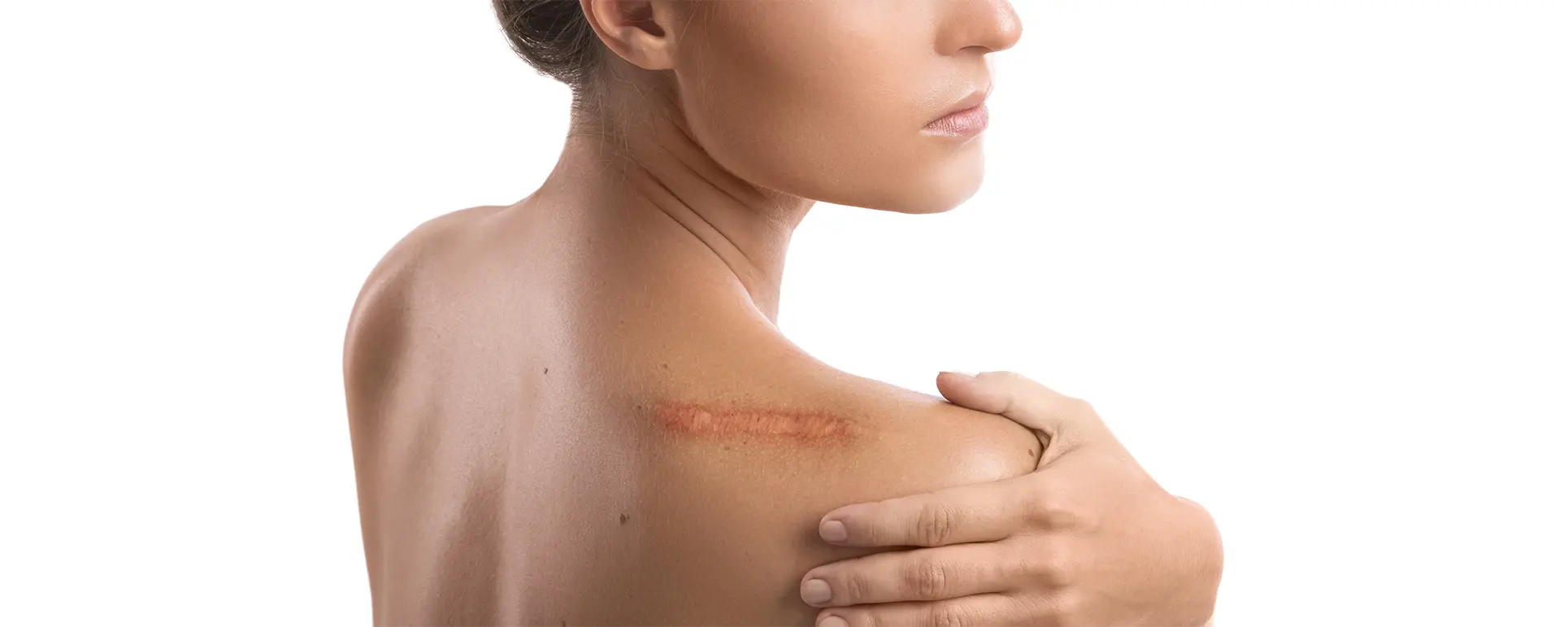
Introduction to Scar Revision
Scars are a natural part of the body's healing process, but in some cases, they can become unsightly, restrictive, or uncomfortable. Scar revision is a specialized treatment that focuses on improving the appearance, texture, and sometimes the function of a scar. The goal is not to remove the scar completely — which is biologically impossible — but to make it less visible, smoother, and better integrated into the surrounding skin.
Scars can form after injuries, surgeries, burns, infections, or skin conditions, and their appearance can vary greatly. Some scars may be raised, discolored, depressed, or contracted. Scarring can also limit mobility, especially if it forms across joints, or cause functional impairment, like tightness or pain. Scar revision treatments, whether surgical or non-surgical, are designed to correct or improve these issues, making the scar more aesthetically pleasing and, when necessary, restoring function.
There are a variety of approaches to scar revision, depending on the type of scar, its size, location, and age. Some procedures are minimally invasive, such as the use of lasers or topical treatments, while others may involve surgery to excise the scar tissue and reposition the surrounding skin for better aesthetic results.
Causes and Risks of Scar Revision
The need for scar revision arises when a scar becomes problematic due to aesthetic concerns or functional issues. Various factors can cause unsatisfactory scarring, and these factors can also affect the decision-making process regarding revision.
Causes of Scars
-
Surgical scars: Scars are inevitable after surgery, even if the procedure is minimally invasive. These scars may be small but could still become noticeable, especially if they are on visible areas like the face or hands.
-
Trauma and injury: Accidents, cuts, lacerations, or even bites can leave scars, and the severity of the injury often dictates the resulting scar. Scars from deeper or larger wounds are often more pronounced.
-
Burns: Thermal or chemical burns cause deep damage to the skin, often resulting in thick, raised scars that may require revision, especially if the burn was large or in a prominent area.
-
Infections: An infection can cause a wound to heal poorly, leading to more noticeable or uneven scars. Infections may also cause the scar to become redder, raised, or keloid in nature.
-
Skin conditions: Conditions like acne, chickenpox, or eczema can result in depressed or pitted scars, particularly when there is skin damage or poor healing.
Risks of Scar Revision
Scar revision surgery, like any procedure, carries risks, including infection, scarring, and undesirable results. The degree of risk varies depending on the patient's health, skin type, and the size and location of the scar being treated.
-
Infection: Any surgical procedure carries the risk of infection. Proper post-operative care is critical to avoid infection, which can delay healing and worsen the appearance of the scar.
-
Keloid formation: In individuals prone to keloid scarring, revision surgeries may inadvertently trigger the formation of a new keloid scar, which can be larger and more prominent than the original.
-
Scarring from the revision: Even though the goal of revision is to improve the appearance of a scar, there is always a risk that the scar may not improve as much as expected, or that a new, more visible scar may form.
-
Changes in pigmentation: After surgery, the new scar may be either lighter or darker than the surrounding skin. In some cases, it may remain more visible due to a color mismatch.
-
Tissue damage or nerve injury: In rare cases, if the procedure is not executed properly, nerve damage can occur, leading to loss of sensation or movement in the treated area.
Symptoms and Signs of Scars That Indicate Revision is Needed
When considering scar revision, it's important to understand the types of scars that typically benefit from surgical intervention or other treatments. Scar revision is usually considered for scars that are unsightly, uncomfortable, or limiting. Here are some symptoms or signs that indicate the need for revision:
Raised or Hypertrophic Scars
-
These scars are raised above the skin level and can be red or discolored. They often form in response to injury or surgery and are typically confined to the edges of the wound. While they may improve over time, they can be uncomfortable, itchy, or aesthetic issues, particularly when they appear on visible areas like the face, arms, or hands.
Keloid Scars
-
Keloid scars are thick, raised scars that grow beyond the borders of the original wound. They are often red, dark, or pigmented and can continue to grow long after the initial wound has healed. Keloids are particularly troublesome when they form on prominent areas such as the face, shoulders, or chest, as they can cause psychological distress due to their appearance.
Depressed or Atrophic Scars
-
These scars are sunken, creating a noticeable indent in the skin. Common causes include acne scars, chickenpox scars, or injuries that cause loss of skin tissue. These scars can be unsightly and may make the skin appear uneven.
Contracture Scars
-
Scars that form after burns or severe trauma can cause skin tightening or contracture, which can restrict movement, especially when they form over joints or other mobile areas of the body. If a scar is restricting mobility or causing discomfort, revision surgery may be necessary to relieve the tightness and improve function.
Functional or Cosmetic Issues
-
If a scar affects movement (e.g., tightness across joints or facial muscles), causes pain, or leads to psychological distress due to its appearance, revision may be considered to restore both function and aesthetic balance.
Diagnosis of Scar Revision
A successful scar revision procedure requires a detailed assessment and diagnosis by a qualified surgeon. The diagnosis will take into account several factors, including:
Scar Evaluation
-
The surgeon will carefully examine the size, shape, and location of the scar, as well as its age and appearance (whether it's raised, depressed, or discolored). A full understanding of the scar's characteristics helps determine the most effective revision technique.
Patient Health and Medical History
-
A thorough medical evaluation is essential to identify any underlying health conditions, such as diabetes, blood clotting disorders, or autoimmune diseases, that could interfere with healing. A history of keloid scarring or poor healing will influence the revision plan.
Functional Impact
-
If the scar has impaired mobility (e.g., joint movement due to tight scarring), the surgeon will consider techniques that can not only improve cosmetic appearance but also relieve functional restrictions.
Psychological Assessment
-
Understanding the patient's goals and motivations is crucial. If the patient has unrealistic expectations about the results of scar revision, this must be addressed. The surgeon should explain that while a revision can improve appearance, it will not “erase” scars completely.
Treatment Options for Scar Revision
There are several treatment options for scar revision, ranging from non-surgical methods to surgical interventions, depending on the severity and type of scar.
Non-Surgical Treatments
-
Topical Treatments: Silicone gels, sheets, and creams are commonly used to treat raised or hypertrophic scars. They help hydrate and soften the tissue, reducing thickness and improving texture.
-
Steroid Injections: Corticosteroid injections can help flatten hypertrophic scars or keloids by reducing inflammation and collagen production.
-
Laser Therapy: Lasers are effective in improving skin texture, pigmentation, and overall appearance of scars. Fractional CO2 lasers are particularly useful for resurfacing depressed scars, while pulse dye lasers can address redness or vascularity in scars.
-
Chemical Peels: These can be used to treat superficial scars, especially acne scars, by removing the top layers of skin to allow healthier skin to emerge.
-
Microneedling: A non-invasive procedure that uses tiny needles to create controlled injuries in the skin. This stimulates collagen production and helps to smooth out the skin, improving the appearance of scars over time.
Surgical Scar Revision
For more severe scars, surgical revision may be necessary. Depending on the scar type, the surgeon may use different techniques:
-
Excision: Involves removing the scar tissue and closing the wound with fine sutures to create a less noticeable scar. This technique works well for raised scars or scars that are too wide.
-
Z-Plasty or W-Plasty: These techniques reorient the scar to make it blend into natural skin folds, reducing visibility and tension on the scar tissue.
-
Skin Grafting or Flap Surgery: For larger or deep scars, the surgeon may use skin grafts (taken from another part of the body) or tissue flaps to cover the scar and restore function or appearance.
Prevention and Management of Scar Revision
Prevention plays a vital role in minimizing the appearance of scars and ensuring the success of revision procedures. While scar formation cannot be entirely prevented, steps can be taken to optimize healing and reduce scar visibility:
Before Scar Formation
-
Wound Care: Immediate and appropriate treatment of wounds (cleaning, covering, and avoiding infection) can significantly reduce the likelihood of developing noticeable scars.
-
Moisturizing: Keeping the wound moist with appropriate ointments (like petroleum jelly or silicone gels) helps prevent excessive scarring and allows the tissue to heal more smoothly.
-
Sun Protection: After healing, protecting the scar from direct sun exposure is essential to prevent hyperpigmentation and make the scar less visible.
After Scar Revision
-
Post-Operative Care: After scar revision surgery, proper care is critical to ensure that the scar heals in the best possible way. This includes keeping the area clean, avoiding direct sun exposure, and using silicone sheets or gels to help flatten the scar.
-
Compression Garments: In some cases, especially for large scars or after skin grafts, compression garments may be recommended to reduce swelling and help the scar heal in a flatter, more uniform way.
Complications of Scar Revision
While scar revision is generally safe and effective, as with any surgical procedure, there are risks and potential complications:
-
Infection: As with any surgery, there is a risk of infection at the incision site, which can delay healing and worsen the appearance of the scar.
-
Scarring: The revision itself may result in new scars. Although the goal is to improve the appearance, a new scar may form as a result of the surgical intervention.
-
Keloid Formation: In individuals prone to keloids, there may be a risk of developing new keloid scars after revision, which can be more pronounced and even more difficult to treat.
-
Asymmetry: In some cases, the revised scar may not heal symmetrically or may not match the surrounding skin tone perfectly.
-
Nerve Damage: Nerve damage is a rare but possible complication, especially if the scar is near sensitive areas like the face or joints.
Living with the Condition of Scar Revision
After undergoing scar revision surgery, patients can expect a period of recovery, but most find the results significantly improve their quality of life. Here's what to expect:
Post-Surgery Recovery
-
Healing Time: The healing process varies depending on the complexity of the revision. Most patients experience swelling, bruising, and discomfort for a few days to weeks. Sutures are typically removed after 7-10 days, and the final results of the scar revision may take several months to fully materialize.
-
Emotional Impact: Many patients experience a boost in confidence and self-esteem following a successful revision, particularly if the scar had previously caused them emotional distress. However, it's important to manage expectations as scars will never disappear entirely.
Long-Term Considerations
-
Sun Protection: The scar should be protected from UV exposure for a year or more after revision, as sun damage can cause pigmentation changes and affect the final appearance of the scar.
-
Ongoing Care: Scar management may continue long after the surgery with the use of silicone gels, scar massage, or other treatments recommended by the surgeon.
Top 10 Frequently Asked Questions about Scar Revision Surgery
1. What is scar revision surgery?
Scar revision surgery is a procedure designed to improve the appearance of scars. It is performed to minimize the visibility of scars caused by injuries, surgeries, or skin conditions. The goal of scar revision is not to completely eliminate the scar, but to make it less noticeable and more aesthetically pleasing by altering its shape, size, or location. The surgery can involve techniques such as removing the scar tissue, reshaping the skin, and in some cases, grafting healthy skin to cover the scar.
2. Why do people choose scar revision surgery?
People choose scar revision surgery for various reasons, including:
-
Cosmetic concerns: Scars from injuries or surgeries can negatively affect one's appearance and confidence.
-
Functional reasons: Scars that interfere with movement (such as from burns or injuries) may need to be revised to restore functionality.
-
Keloids or hypertrophic scars: These are thick, raised scars that can be treated to improve appearance.
-
Scar healing complications: Scars that have healed poorly, such as those that are uneven or stretched, can benefit from revision surgery.
3. How is scar revision surgery performed?
The procedure for scar revision depends on the type and location of the scar. Common techniques include:
-
Excision: The scar tissue is removed, and the surrounding skin is sutured together in a more aesthetically pleasing way.
-
Skin grafting: Healthy skin from another area of the body is used to replace the scar tissue, often used for large or deep scars.
-
Z-plasty or W-plasty: These are techniques where incisions are made in a way that makes the scar less noticeable by creating new skin folds or reorienting the scar in less visible areas.
-
Laser treatments or chemical peels: Non-surgical options that may be used in conjunction with surgery to improve the texture and appearance of the skin.
The procedure is typically performed under local anesthesia with sedation or general anesthesia, depending on the size and location of the scar.
4. Who is a good candidate for scar revision surgery?
Good candidates for scar revision surgery generally:
-
Are in good overall health with no significant medical conditions that could interfere with healing (e.g., diabetes or circulatory problems).
-
Have a scar that has matured (usually at least 6 months old) and is no longer in the process of active healing.
-
Have realistic expectations for the procedure's outcome.
-
Are looking to improve the appearance or functionality of a scar rather than seeking complete removal.
-
Do not smoke, or are willing to quit for a period of time, as smoking can impede the healing process.
A consultation with a board-certified plastic surgeon is essential to assess if the procedure is right for you.
5. How long does it take to recover from scar revision surgery?
The recovery time for scar revision surgery depends on the complexity of the procedure, but generally:
-
Initial recovery: Patients may need 1-2 weeks to recover from the procedure, during which time swelling and bruising are common.
-
Stitch removal: If stitches are used, they are typically removed 7-10 days after the procedure.
-
Full healing: It can take 6 months to 1 year for the scar to fully heal and show the final results. During this time, it may appear red or raised before gradually fading and flattening.
It's important to follow all post-operative care instructions to reduce the risk of complications and ensure optimal healing.
6. Will there be visible scars after scar revision surgery?
It is important to understand that scar revision surgery cannot completely remove scars, but it can improve their appearance. The goal is to make the scar less noticeable and blend it with the surrounding skin. Depending on the surgical technique used, the new scar may be less visible, flatter, or less noticeable, but it may still be present, especially in areas prone to scarring (such as over joints or across high-mobility skin).
The final result often takes time to appear as the scar will continue to mature and settle over several months. Using sunscreen and following the surgeon's aftercare instructions can also help reduce the appearance of scars.
7. Are there any risks associated with scar revision surgery?
As with any surgery, there are risks involved, including:
-
Infection: While rare, infections can occur at the incision sites.
-
Scarring: There's always a risk of creating another scar, particularly if healing doesn't go as planned.
-
Hypertrophic or keloid scarring: In some cases, the scar may become more raised or thickened after surgery.
-
Wound separation: If tension is placed on the wound, there's a risk that the stitches may open up, delaying healing.
-
Skin pigmentation changes: The skin around the scar may darken or lighten, which can make the scar more noticeable.
Your surgeon will discuss these risks during your consultation and will take steps to minimize complications.
8. How much does scar revision surgery cost?
The cost of scar revision surgery can vary greatly depending on several factors:
-
The size and complexity of the scar
-
The technique used (e.g., excision, grafting, laser treatments)
-
The location of the surgery and the surgeon's experience
-
Additional treatments (such as laser therapy or skin resurfacing)
On average, the cost for scar revision surgery can range from $1,500 to $5,000 or more. It's important to check with your surgeon about pricing, as well as whether the procedure is covered by insurance, especially if the scar is causing functional problems.
9. What kind of scars can be treated with scar revision surgery?
Scar revision surgery can address a wide range of scars, including:
-
Hypertrophic scars: Raised scars that remain within the boundaries of the original wound.
-
Keloid scars: Thick, raised scars that extend beyond the original injury site and are more likely to recur.
-
Contracture scars: Scars that form when the skin tightens, often as a result of burns or injury, limiting movement.
-
Acne scars: Deep, pitted scars left by acne.
-
Surgical scars: Scars left by prior surgeries that may have healed poorly or are in undesirable locations.
Each type of scar requires different techniques for revision, and the surgeon will choose the most effective method based on the scar's characteristics.
10. What is the long-term outlook after scar revision surgery?
The long-term outlook after scar revision surgery is generally positive for most patients. Once the scar has healed, it should be flatter, softer, and less visible than it was before surgery. However, it's important to have realistic expectations: although the scar may improve significantly, complete scar elimination is not always possible.
In the months following surgery, it is crucial to avoid direct sun exposure and use sunscreen on the scar to prevent pigmentation changes and further scarring. Some patients may require follow-up treatments, such as laser therapy or steroid injections, to help further reduce the appearance of the scar.
Ultimately, scar revision surgery can provide a significant improvement in both the cosmetic appearance and functionality of scars, leading to enhanced confidence and satisfaction.