Introduction to Scoliosis - Anterior/Posterior Surgery
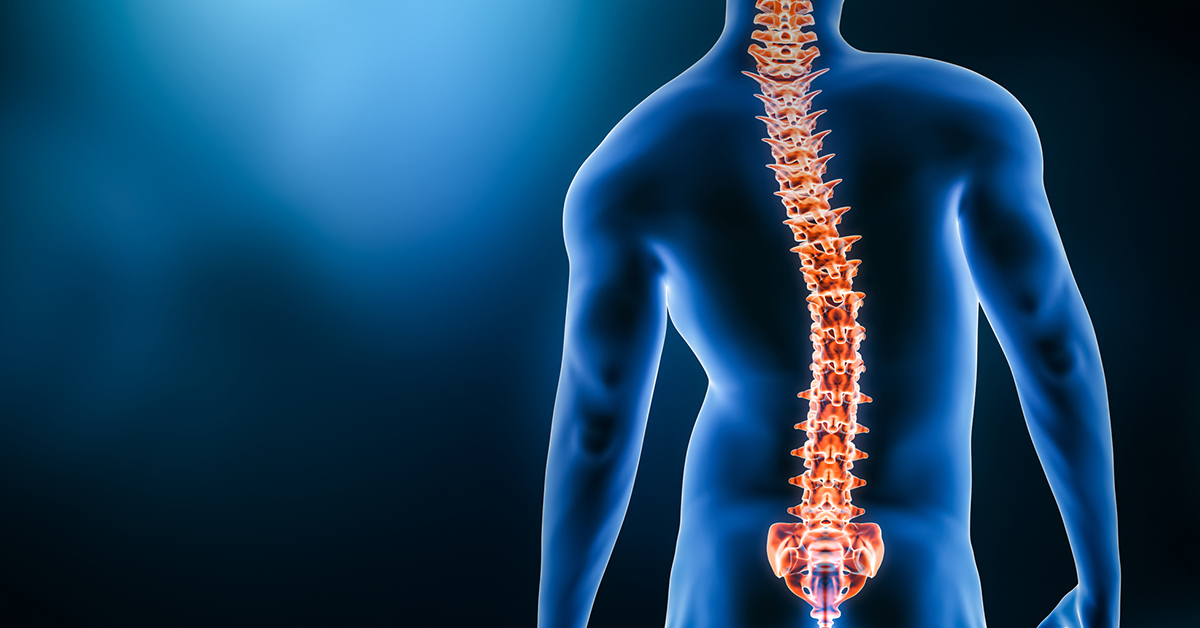
Scoliosis is a medical condition characterized by an abnormal curvature of the spine, which typically bends sideways in an “S” or “C” shape. This curvature can be accompanied by a rotation of the vertebrae, causing not only the spine to curve but also the ribs and torso to twist. Scoliosis can affect people of all ages, from children to adults, and the degree of curvature can range from mild to severe.
When scoliosis becomes severe or causes significant functional issues, such as pain, reduced lung function, or compromised mobility, surgical intervention becomes necessary. Among the various surgical options, the anterior/posterior spinal fusion technique is commonly used for severe scoliosis cases. This combined approach involves both an anterior (front) and posterior (back) surgical correction of the spine.
The anterior approach involves accessing the spine from the front (through the chest or abdomen), and the posterior approach accesses the spine from the back. This dual approach allows for the most effective correction of the spinal curvature, stabilization of the spine, and long-term fusion of vertebrae. The goal of this surgery is to realign the spine, relieve pressure on the spinal cord and nerves, and prevent further progression of the curvature. While anterior/posterior fusion is an effective treatment, it is typically reserved for complex or rigid scoliosis curves that cannot be corrected using simpler methods like bracing or minimally invasive surgery.
Causes and Risk Factors for Scoliosis Requiring Anterior/Posterior Surgery
Scoliosis can arise from several causes and risk factors that either lead to the development of the condition or increase the likelihood of requiring surgical intervention.
Causes of Scoliosis:
-
Idiopathic Scoliosis: The most common form of scoliosis, idiopathic scoliosis is of unknown origin. It typically develops in adolescence and often worsens during periods of rapid growth. While the exact cause is unclear, genetic and environmental factors may play a role.
-
Congenital Scoliosis: This type of scoliosis is present at birth and results from malformations of the vertebrae during fetal development. These malformations can cause the spine to curve abnormally.
-
Neuromuscular Scoliosis: This occurs in individuals with certain neurological or muscular conditions, such as cerebral palsy, muscular dystrophy, or spina bifida, which lead to weakness or imbalance in the muscles that support the spine.
-
Degenerative Scoliosis (Adult Scoliosis): In adults, scoliosis can develop due to degenerative changes in the spine, including spinal arthritis and disc degeneration, often leading to spinal curvature in the lower back.
Risk Factors for Needing Surgery:
-
Severe and Progressive Curvature: When the spinal curve exceeds a certain degree, typically 40-50 degrees or more, and continues to progress over time, surgical correction is often necessary to avoid further complications such as organ compression or permanent deformity.
-
Failure of Conservative Treatments: Non-surgical treatments, including physical therapy, bracing, and observation, are effective in managing mild to moderate scoliosis. However, if these methods do not halt the progression of the curve, or if the curve causes significant symptoms, surgical intervention may be needed.
-
Neurological Symptoms: In some cases, scoliosis can lead to nerve compression, causing symptoms like numbness, weakness, or pain in the legs. If these symptoms become severe or debilitating, surgery may be required to relieve pressure on the nerves.
-
Aesthetic Concerns: Severe scoliosis can cause visible deformity, which may affect posture and the overall appearance of the body. While cosmetic reasons alone are not typically sufficient for surgery, when combined with functional impairment, the aesthetic impact can influence the decision to undergo surgery.
-
Respiratory or Cardiovascular Issues: Severe scoliosis can cause compression of the lungs or heart, particularly in the thoracic spine, leading to respiratory difficulties. In these cases, surgery is often necessary to correct the curvature and improve organ function.
Symptoms and Signs of Scoliosis Requiring Surgical Correction
While mild scoliosis may not cause symptoms, severe scoliosis can lead to a variety of physical, functional, and aesthetic issues that may necessitate surgical intervention.
Common Symptoms and Signs:
-
Visible Curvature of the Spine: The most obvious sign of scoliosis is the curvature of the spine, which may appear as a sideways bend in the back. In more severe cases, the deformity can be easily seen by observing an uneven shoulder or hip level.
-
Uneven Shoulders or Hips: As the spine curves, one shoulder or hip may appear higher than the other. The waistline may also be asymmetrical, with one side of the body appearing larger than the other.
-
Back Pain: While not everyone with scoliosis experiences pain, individuals with severe curves often complain of chronic back pain, which may worsen with time or activity. The pain can result from muscle strain, joint degeneration, or nerve compression.
-
Difficulty Breathing: In severe cases, scoliosis can lead to compression of the lungs, making it difficult to breathe. This can result in shortness of breath, especially during physical exertion. In extreme cases, cardiopulmonary issues can develop, leading to further complications.
-
Postural Imbalance: Scoliosis often causes an uneven posture. People with severe scoliosis may have a noticeable tilt in their spine, leading to difficulty maintaining a straight stance or balance.
-
Fatigue: Chronic back pain, discomfort, and postural imbalances can cause muscle fatigue as the body compensates for the abnormal curve, leading to difficulty maintaining an upright position or standing for long periods.
-
Nerve Symptoms: When the curvature of the spine compresses the spinal cord or nerves, individuals may experience symptoms such as numbness, tingling, or weakness in the legs or arms.
If any of these symptoms become noticeable or progressively worsen, it is important to consult a healthcare provider to discuss treatment options, including the possibility of surgical correction.
Diagnosis of Scoliosis and Pre-Surgical Assessment
Diagnosing scoliosis typically involves a physical exam and imaging studies to determine the severity of the curvature and to assess the underlying cause of the condition.
Key Diagnostic Steps:
-
Physical Examination: A physician will assess the patient's posture, spinal curvature, muscle strength, and range of motion. The Adam's Forward Bend Test is often performed, where the patient bends forward at the waist to allow the doctor to assess any visible abnormalities such as rib humps or asymmetries.
-
X-rays: X-rays are the primary tool for diagnosing scoliosis. Standing anteroposterior (AP) and lateral X-rays of the spine will provide clear images of the degree of curvature (measured in degrees using the Cobb angle), the affected segments, and the overall alignment of the spine.
-
MRI/CT Scans: In cases where there are neurological symptoms or if there is a suspicion of nerve compression, an MRI or CT scan may be used to assess the spinal cord, nerve roots, and any underlying issues that could complicate surgery.
-
Assessment of Curve Progression: Regular monitoring with X-rays over time may be necessary to assess whether the curvature is worsening. This helps in determining the urgency of surgery, especially in growing children or adolescents.
-
General Health Evaluation: Preoperative assessments, including blood tests, cardiovascular health evaluation, and lung function tests, are essential to ensure that the patient is fit for surgery.
Once a diagnosis of severe scoliosis is confirmed, the next step is to determine the most appropriate surgical approach, which may involve anterior, posterior, or a combined anterior/posterior fusion procedure.
Treatment Options for Scoliosis - Anterior/Posterior Surgery
When scoliosis is severe, progressive, and not amenable to bracing or non-surgical management, surgical intervention becomes necessary. The treatment for severe scoliosis typically involves spinal fusion, which corrects the curve and stabilizes the spine.
Anterior/Posterior Spinal Fusion Surgery:
-
Anterior Approach: The surgeon makes an incision on the
front of the body (through the chest or abdomen, depending on the
location of the curve). The intervertebral discs are
removed, and a bone graft is placed between the
vertebrae to promote fusion. The anterior approach allows for better
correction of the curve and more flexibility in the
spine, especially in cases where the curve is in the upper or middle
back.
-
Posterior Approach: The surgeon then accesses the spine
from the back. Here, screws, rods, and other
instrumentation are inserted into the vertebrae to
stabilize the spine and hold it in the corrected position. This approach
provides additional correction and stabilizes the spine
after the anterior procedure.
Combination of Both Approaches:
Anterior Approach: The surgeon makes an incision on the front of the body (through the chest or abdomen, depending on the location of the curve). The intervertebral discs are removed, and a bone graft is placed between the vertebrae to promote fusion. The anterior approach allows for better correction of the curve and more flexibility in the spine, especially in cases where the curve is in the upper or middle back.
Posterior Approach: The surgeon then accesses the spine from the back. Here, screws, rods, and other instrumentation are inserted into the vertebrae to stabilize the spine and hold it in the corrected position. This approach provides additional correction and stabilizes the spine after the anterior procedure.
In some cases, the anterior and posterior procedures are performed together in a single surgical session, known as anterior/posterior scoliosis surgery. This combined approach allows the surgeon to maximize correction and provide better stabilization for severe or rigid scoliosis curves. It is particularly useful for correcting 3D deformities and improving spinal balance.
Prevention and Management of Scoliosis - Anterior/Posterior Surgery
While scoliosis cannot always be prevented — especially in cases of idiopathic scoliosis — there are ways to reduce the risk of progression or manage the condition before surgery becomes necessary.
Prevention / Early Detection:
-
Regular Check-ups: For children and adolescents, regular
physical exams and spinal screenings are essential to
catch early signs of scoliosis and monitor any progression. Early
diagnosis can lead to non-surgical treatments, such as bracing, to
prevent worsening.
-
Healthy Lifestyle and Exercise: Strengthening the core
muscles, improving posture, and engaging in activities that support
spinal health can help reduce the risk of scoliosis worsening,
particularly in the case of neuromuscular scoliosis or
degenerative scoliosis.
-
Monitoring Growth: Adolescents undergoing rapid growth
should be closely monitored, as scoliosis is more likely to progress
during these years.
Post-Surgical Care:
Regular Check-ups: For children and adolescents, regular physical exams and spinal screenings are essential to catch early signs of scoliosis and monitor any progression. Early diagnosis can lead to non-surgical treatments, such as bracing, to prevent worsening.
Healthy Lifestyle and Exercise: Strengthening the core muscles, improving posture, and engaging in activities that support spinal health can help reduce the risk of scoliosis worsening, particularly in the case of neuromuscular scoliosis or degenerative scoliosis.
Monitoring Growth: Adolescents undergoing rapid growth should be closely monitored, as scoliosis is more likely to progress during these years.
After anterior/posterior scoliosis surgery, proper care and rehabilitation are crucial for a successful outcome.
-
Hospital Stay: Following the surgery, patients usually stay in the hospital for several days. During this time, pain management and initial recovery (such as walking with assistance and performing breathing exercises) will be addressed.
-
Physical Therapy: Rehabilitation begins early, with gentle movements and strengthening exercises to restore mobility and flexibility.
-
Post-Surgical Check-ups: Regular follow-up visits are necessary to monitor the spine's healing and alignment. X-rays will be taken to ensure proper fusion and to check for any signs of complications.
Complications of Anterior/Posterior Scoliosis Surgery
As with any major surgery, anterior/posterior scoliosis surgery carries certain risks. Possible complications include:
-
Infection: Infection at the surgical site or deeper infections involving the spine or hardware can occur.
-
Nerve Damage: Although rare, spinal surgery may lead to nerve injury, which can result in weakness, numbness, or loss of sensation in the legs or other parts of the body.
-
Non-union (Pseudarthrosis): If the bones do not fuse properly, additional surgery may be required to achieve stabilization.
-
Hardware Failure: The rods or screws inserted into the spine can sometimes break or shift, requiring additional interventions.
-
Blood Clots: Deep vein thrombosis (DVT) or pulmonary embolism (PE) may occur, especially after prolonged immobility following surgery.
-
Spinal Stiffness or Loss of Mobility: Fusion restricts movement in the fused sections of the spine, leading to decreased flexibility.
Living with Scoliosis - Anterior/Posterior Surgery
Life after scoliosis surgery involves a comprehensive recovery process. While surgical correction can dramatically improve posture, reduce pain, and increase mobility, long-term care and adjustments are necessary.
Recovery Timeline:
-
Initial Recovery (First Few Weeks): The patient will be
monitored closely in the hospital for pain control, wound care, and
respiratory health. Early mobilization is encouraged, but the patient
should avoid heavy lifting or high-impact activities.
-
Rehabilitation Phase (Months 1-6): Physical therapy will
help strengthen muscles and improve flexibility. The patient will
gradually resume normal daily activities, but should avoid twisting or
bending motions that could strain the spine.
-
Long-term Recovery (6-12 Months): Full fusion and spinal
stabilization take several months to complete. Regular check-ups with
the surgeon are necessary to ensure the spine remains in proper
alignment and that fusion is progressing.
Long-term Outlook:
-
Improved Posture and Function: Most patients experience
a marked improvement in posture, spine alignment, and overall function
after surgery.
-
Maintenance of Spinal Health: Continued physical
therapy, healthy body weight, and ergonomic practices are essential for
long-term spine health.
-
Lifestyle Adjustments: Patients should avoid activities
that place excessive stress on the spine (such as heavy lifting,
high-impact sports), and maintain regular exercise to keep muscles
strong and the spine stable.
Initial Recovery (First Few Weeks): The patient will be monitored closely in the hospital for pain control, wound care, and respiratory health. Early mobilization is encouraged, but the patient should avoid heavy lifting or high-impact activities.
Rehabilitation Phase (Months 1-6): Physical therapy will help strengthen muscles and improve flexibility. The patient will gradually resume normal daily activities, but should avoid twisting or bending motions that could strain the spine.
Long-term Recovery (6-12 Months): Full fusion and spinal stabilization take several months to complete. Regular check-ups with the surgeon are necessary to ensure the spine remains in proper alignment and that fusion is progressing.
-
Improved Posture and Function: Most patients experience a marked improvement in posture, spine alignment, and overall function after surgery.
-
Maintenance of Spinal Health: Continued physical therapy, healthy body weight, and ergonomic practices are essential for long-term spine health.
-
Lifestyle Adjustments: Patients should avoid activities that place excessive stress on the spine (such as heavy lifting, high-impact sports), and maintain regular exercise to keep muscles strong and the spine stable.
Top 10 Frequently Asked Questions about Scoliosis Anterior/Posterior Surgery
1. What is scoliosis, and what is anterior/posterior surgery?
Scoliosis is a medical condition characterized by an abnormal lateral (sideways) curvature of the spine. In a healthy spine, the vertebrae align straight, but in scoliosis, the spine often curves into a "C" or "S" shape. The curvature can vary in severity and can affect the thoracic (upper) or lumbar (lower) regions of the spine.
Anterior/posterior scoliosis surgery is a surgical treatment designed to correct the abnormal curvature of the spine. The terms "anterior" and "posterior" refer to the approaches used:
-
Anterior surgery: The surgeon accesses the spine through the front of the body (the chest or abdomen).
-
Posterior surgery: The surgeon accesses the spine through the back.
These approaches may be combined in some cases for a more comprehensive correction.
2. Why is scoliosis anterior/posterior surgery performed?
Scoliosis surgery is typically recommended for individuals who:
-
Have a severe curvature (usually more than 45-50 degrees), which is causing significant pain or discomfort.
-
Have scoliosis that is progressing over time, potentially leading to further complications such as difficulty breathing or affecting posture and movement.
-
Experience neurological symptoms like numbness, weakness, or pain in the legs due to pressure on the spinal cord or nerves.
-
Have congenital scoliosis (present at birth) or degenerative scoliosis (develops later in life due to wear and tear on the spine).
Surgical correction helps improve spinal alignment, reduce pain, and prevent the curve from worsening.
3. How is anterior/posterior scoliosis surgery performed?
-
Anterior surgery: This involves making an incision on the front of the body, typically through the chest or abdomen. The surgeon removes or reshapes discs, then places metal screws, rods, or plates to stabilize the spine and correct its curvature. This approach is often used when the curvature is in the thoracic spine.
-
Posterior surgery: An incision is made on the back, where the surgeon will straighten the spine and secure it with screws, rods, and bone grafts. This is the most common approach and is typically used for curvatures in the thoracic or lumbar regions.
In some cases, both approaches are combined in a single operation to provide the most effective correction. The decision depends on the severity, location, and type of scoliosis.
4. What are the risks and complications associated with scoliosis surgery?
As with any major surgery, scoliosis surgery carries risks, including:
-
Infection: Any surgical procedure can lead to infection, but antibiotics are usually given to reduce this risk.
-
Blood loss: Scoliosis surgery involves the manipulation of bones and tissues, which may lead to significant blood loss.
-
Nerve damage: Although rare, there's a risk of nerve injury that could result in weakness, numbness, or paralysis, particularly if the spine is compressed.
-
Failure to correct the curve: In some cases, the curve may not improve as much as expected, or the spine may start to curve again.
-
Hardware complications: The rods, screws, or plates used to stabilize the spine can become loose, break, or cause irritation.
-
Blood clots: DVT (deep vein thrombosis) is a potential risk after major surgeries, but preventive measures are taken to minimize this.
It's essential to discuss these risks with your surgeon and consider the benefits of surgery compared to the potential complications.
5. What is the recovery process like after anterior/posterior scoliosis surgery?
The recovery process varies depending on the extent of the surgery and the approach used. Key recovery points include:
-
Hospital stay: Typically, patients stay in the hospital for 5-7 days after surgery for monitoring and pain management.
-
Pain management: Patients will experience some discomfort, which can be controlled with pain medications during the first few days.
-
Mobility: Patients are encouraged to get out of bed and walk as soon as possible to reduce the risk of complications like blood clots. However, activity will be restricted for the first several weeks.
-
Physical therapy: After leaving the hospital, most patients begin a physical therapy program to regain strength and mobility, which is essential for a full recovery.
-
Full recovery: It can take 6-12 months for the spine to fully heal, though many people begin feeling better after 3-6 months.
Follow-up appointments are essential to monitor progress and ensure proper healing.
6. How long does the surgery take?
The length of the surgery depends on the complexity of the case and whether both anterior and posterior approaches are used. Generally:
-
Anterior surgery takes 2 to 4 hours.
-
Posterior surgery can take 4 to 6 hours.
-
When both approaches are combined, the procedure may last 6 to 8 hours.
Surgeons will provide an estimated time based on individual circumstances and the severity of the scoliosis.
7. Will scoliosis surgery affect my flexibility?
One of the common concerns after scoliosis surgery is the potential loss of spinal flexibility. While there will be some limitation in the spinal range of motion, many patients can return to normal activities after a period of rehabilitation and physical therapy. The goal of surgery is to improve spinal alignment, and though flexibility may be somewhat reduced, the procedure helps stabilize the spine and prevent further deformity.
In the long term, many people find that their spine is more stable and pain-free, even if it is slightly less flexible than before the surgery.
8. Will I need to wear a brace after scoliosis surgery?
After scoliosis surgery, patients may be required to wear a back brace for a period of time to provide additional support during the healing process. This is more common for younger patients, as their spines are still growing. The brace helps ensure that the spine stays in place while the bones heal and fusion occurs. Typically, a brace is worn for 3-6 months after surgery, but your surgeon will provide specific instructions based on your individual case.
9. How much does scoliosis surgery cost?
The cost of scoliosis surgery varies based on several factors, including:
-
The type of surgery (anterior, posterior, or combined)
-
The surgeon's experience
-
The location of the surgery
-
Hospital or facility fees
-
Any additional treatments or procedures, such as physical therapy or post-operative care.
On average, scoliosis surgery can cost between $40,000 to $100,000 or more. It is essential to consult with your healthcare provider to understand the full scope of costs, as some or all of the surgery may be covered by insurance, depending on the nature of the condition.
10. When can I return to normal activities after scoliosis surgery?
Recovery timelines for returning to normal activities vary:
-
Light activities: Most patients can resume light activities (such as walking) after about 2-3 weeks.
-
Driving: Driving may be permitted after 4-6 weeks, but only if the patient is not taking strong pain medications.
-
Physical activities and exercise: Most patients can return to low-impact activities, such as walking and swimming, after 3-6 months. However, more intense activities (e.g., running, lifting heavy weights) should be avoided for 6-12 months.
Your surgeon will provide specific guidance on when you can resume particular activities based on your individual healing progress.