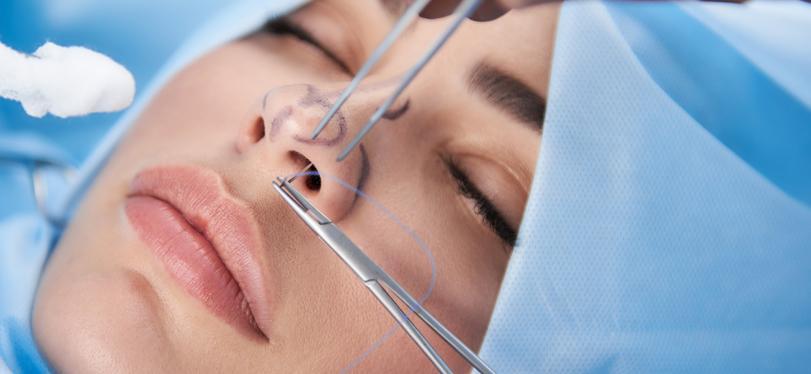
Introduction to Septoplasty
Septoplasty is a surgical procedure performed to correct a deviated septum, a condition where the nasal septum — the wall of cartilage and bone that separates the two nasal passages — is crooked or off-center. A deviated septum can cause significant breathing difficulties, sinus problems, and other related symptoms. Septoplasty aims to straighten this septum, thereby improving airflow through the nostrils, reducing nasal congestion, and improving overall sinus function.
In a healthy nose, the septum divides the nostrils evenly, allowing air to flow smoothly in and out. However, in cases where the septum is significantly deviated, one side of the nose may become obstructed, leading to chronic nasal congestion, difficulty breathing, frequent sinus infections, or nosebleeds. Septoplasty is the most effective surgical solution for addressing these issues when other treatments, such as nasal sprays, decongestants, or even allergy medications, fail to provide relief.
Unlike rhinoplasty, which is a cosmetic surgery aimed at reshaping the external appearance of the nose, septoplasty is a functional surgery. The primary goal is to improve nasal airflow and reduce obstructive symptoms, though many patients also experience improvements in sleep quality and reduced snoring.
The procedure involves removing or reshaping parts of the deviated septum and ensuring that the remaining septum is aligned properly for optimal function. In most cases, the surgery is done through the inside of the nose, so no external scars are visible. Recovery time is typically short, and the benefits are often life-changing for those suffering from nasal obstructions.
Causes and Risk Factors of Septoplasty
A deviated septum can be present from birth or develop due to an injury or trauma. Here are the primary causes and risk factors associated with the need for septoplasty:
Causes of a Deviated Septum
-
Congenital Factors: Many people are born with a deviated septum, which means that the septum may not form symmetrically during fetal development. This type of deviation is often subtle and can remain undiagnosed for years.
-
Trauma or Injury: A blow to the nose — from an accident, sports injury, or physical altercation — can cause the septum to shift or become misaligned. This is a common cause of a deviated septum in adults, and sometimes, the damage is not immediately noticeable.
-
Growth and Development: In some cases, the septum may develop abnormally during childhood or adolescence. Hormonal changes and the growth of facial bones may also contribute to the shifting or bending of the septum.
-
Aging: Over time, the cartilage and bones of the nasal septum may weaken or become more rigid, causing the septum to shift or deviate further, which may worsen symptoms.
Risk Factors for Septoplasty
-
Family History: If your parents or close relatives have had a deviated septum, there is a higher likelihood that you may also develop one.
-
Previous Nasal Trauma: If you've previously experienced a nasal injury or had multiple episodes of trauma to the nose, there is an increased risk of developing a deviated septum.
-
Gender: While both men and women can develop a deviated septum, research suggests that men may be more likely to experience severe forms that require surgical intervention.
-
Preexisting Conditions: Conditions such as chronic sinusitis, allergic rhinitis, or sleep apnea can exacerbate symptoms of a deviated septum, leading individuals to consider septoplasty.
Symptoms and Signs That May Indicate a Need for Septoplasty
Not all cases of deviated septum require surgery. However, when the deviation causes persistent symptoms or interferes with daily activities, septoplasty becomes a viable option. Common symptoms of a deviated septum include:
Nasal Obstruction and Difficulty Breathing
-
One of the most common symptoms is a blocked or narrowed nostril. People with a deviated septum may experience chronic congestion, especially on one side of the nose. This can make it difficult to breathe through the nose, especially at night.
Chronic Sinus Infections and Sinus Pressure
-
A deviated septum can hinder proper sinus drainage, increasing the likelihood of developing sinus infections. Those with a deviated septum often experience frequent sinus headaches, facial pain, or pressure in the sinus areas.
Frequent Nosebleeds
-
A crooked septum may cause uneven airflow and drying of the nasal passages, which can lead to irritation and nosebleeds, particularly in dry environments or during winter months.
Snoring and Sleep Apnea
-
Many individuals with a deviated septum experience snoring or sleep apnea because the nasal passage on one side is obstructed. This can lead to poor-quality sleep and increased fatigue.
Headaches or Facial Pain
-
Chronic nasal obstruction due to a deviated septum may lead to headaches, migraine-like symptoms, or pain in the sinus regions of the face. These can be accompanied by a feeling of fullness or pressure behind the eyes or in the forehead.
Difficulty Breathing During Exercise
-
Some individuals with a deviated septum find that their symptoms worsen during physical activity. As the body requires more oxygen during exercise, the obstructed nasal passage may hinder optimal airflow, making it difficult to breathe effectively.
If these symptoms are persistent and significantly affect your quality of life, septoplasty can offer a permanent solution to restore normal nasal function.
Diagnosis of Septoplasty
The diagnosis of a deviated septum typically starts with a physical examination by an ENT specialist (Otolaryngologist). Here's how doctors typically evaluate whether septoplasty is needed:
Clinical Evaluation
-
Symptom history: The doctor will ask about symptoms such as nasal congestion, sinus infections, snoring, and difficulty breathing through the nose. They may inquire about the duration, frequency, and severity of these symptoms.
-
Nasal inspection: The doctor will perform a visual examination of the inside of the nose using a tool called a nasal speculum. This allows the doctor to see the septum and assess its alignment and shape. The doctor may also use a small camera (called an endoscope) for a more detailed view of the nasal passages and septum.
Imaging Studies (If Needed)
-
In rare cases, a CT scan or MRI may be ordered to get a detailed 3D image of the nasal passages, especially if the doctor suspects additional issues like sinus problems or structural abnormalities that could complicate septoplasty. Imaging helps in assessing the severity of the deviation and planning the surgery accordingly.
Treatment Options for Septoplasty
When other non-surgical treatments, such as nasal sprays, allergy medications, and decongestants, fail to resolve the issues caused by a deviated septum, septoplasty becomes the most effective option. Here's how the procedure works:
Procedure Overview
Septoplasty is typically performed as an outpatient surgery, meaning that you can go home the same day. The procedure generally lasts between 60-90 minutes and is done under local or general anesthesia.
-
The surgeon will make an incision inside the nasal cavity, so there are no external scars. The mucous membrane (lining inside the nose) is carefully lifted, and the deviated cartilage or bone is removed or repositioned.
-
After removing or reshaping the deviated septum, the surgeon will reposition the remaining septum into the center of the nose, ensuring that both nasal passages are symmetrical and open for airflow.
-
Internal splints or nasal packing may be placed to keep the septum in position while it heals.
Recovery
-
You will be monitored for a few hours post-surgery before being allowed to go home. The recovery period usually takes 1-2 weeks, during which rest and avoiding strenuous activities are recommended.
-
Most patients experience mild swelling, bruising, and nasal congestion after surgery, which gradually subsides. Nasal packing, if used, is typically removed within 48 hours after surgery.
-
Saline sprays and gentle nasal cleaning are recommended to prevent crusting and promote healing.
Prevention and Management of Septoplasty
Before Surgery
There are no definitive ways to prevent a deviated septum (since many cases are congenital or due to trauma), but early detection of symptoms can lead to prompt treatment.
After Surgery
Once the septoplasty is performed, post-operative care is crucial for ensuring that the surgery heals properly and the nasal passages remain open:
-
Rest: Avoid heavy lifting and strenuous activity for at least 2 weeks post-surgery to prevent strain on the healing septum.
-
Nasal hygiene: Use saline nasal sprays and gentle irrigation to keep the nasal passages clean and moist during the recovery period.
-
Follow-up care: Regular follow-up visits with your ENT surgeon are necessary to monitor healing, remove any residual packing, and assess whether further treatments are needed.
Complications of Septoplasty
Though septoplasty is generally safe, like any surgery, it carries some risks and potential complications:
Common Complications
-
Infection: As with any surgery, there is a small risk of infection in the surgical area. This can often be treated with antibiotics.
-
Bleeding: Some bleeding is expected after surgery, but excessive bleeding or the formation of a blood clot (hematoma) in the nasal passages may require intervention.
-
Nasal Perforation: In rare cases, the surgeon may accidentally create a small hole in the septum (perforation), which may result in persistent symptoms like nasal whistling or chronic dryness.
Long-term Risks
-
Recurrence of Symptoms: If the septum was not sufficiently corrected, some symptoms, such as congestion or difficulty breathing, may return.
-
Scarring: While internal scarring is rare, it can occur and lead to narrowing of the nasal passages, requiring further treatment.
Living with the Condition After Septoplasty
Once you recover from septoplasty, you can expect improved breathing and a better quality of life, especially if you had chronic nasal issues like sleep apnea, snoring, or recurrent sinus infections. Post-surgery, most patients report feeling more energetic, with better air quality during sleep, fewer sinus infections, and less facial pressure or pain.
However, it's important to follow the recovery instructions provided by your doctor to ensure optimal results. Additionally, some people may still experience slight congestion during the healing process, but this should improve as the nasal tissues heal fully.
Long-Term Care and Tips
-
Maintain nasal hygiene: Use saline sprays to keep nasal passages clean and avoid irritants.
-
Avoid nasal trauma: Protect your nose from injury, especially if engaging in sports or physical activities.
-
Regular checkups: Attend follow-up appointments with your ENT surgeon to monitor progress and ensure proper healing.
Top 10 Frequently Asked Questions about Septoplasty
1. What is septoplasty?
Septoplasty is a surgical procedure performed to correct a deviated septum. The septum is the cartilage and bone that divides the nasal passages. In some individuals, the septum may be misaligned or crooked, which can cause difficulty breathing, frequent sinus infections, and other nasal problems. During septoplasty, the surgeon straightens or repositions the septum to improve airflow and alleviate associated symptoms.
2. Why is septoplasty performed?
Septoplasty is typically recommended when a deviated septum causes:
-
Chronic nasal congestion or difficulty breathing through the nose.
-
Frequent sinus infections or sinusitis that are not responding to other treatments like medications.
-
Nosebleeds due to the abnormal shape of the septum.
-
Sleep disturbances such as snoring or sleep apnea caused by restricted airflow.
-
Facial pain or headaches associated with nasal obstruction.
Septoplasty can improve both quality of life and breathing function for individuals suffering from these symptoms.
3. How is septoplasty performed?
Septoplasty is generally performed under local or general anesthesia, depending on the complexity of the procedure and the patient's preference. The steps involved typically include:
-
Incision: The surgeon makes an incision inside the nostril (no external cuts are necessary) to access the septum.
-
Straightening the septum: The deviated portion of the septum is carefully removed or reshaped. The surgeon may also smooth the bone and cartilage to ensure the septum is straight.
-
Repositioning the septum: The remaining septum is positioned properly to improve airflow, and any excess tissue is removed.
-
Closing the incision: The incision is closed with dissolvable stitches, and no external stitches are needed.
The surgery usually takes 30 to 90 minutes and is often done on an outpatient basis, meaning patients can typically go home the same day.
4. What is the recovery process after septoplasty?
Recovery after septoplasty typically involves the following:
-
Initial recovery: Patients may experience nasal congestion, swelling, and some discomfort for a few days. Pain can usually be managed with prescribed medications.
-
Resting position: It's important to avoid blowing the nose for at least the first week after surgery to prevent complications. Patients may also be advised to sleep with their head elevated to reduce swelling.
-
Nasal packing: In some cases, nasal packing (gauze placed inside the nose to control bleeding) may be used for 1 to 2 days after surgery.
-
Post-operative care: Patients should follow post-operative care instructions, including gentle saline nasal sprays to keep the nasal passages moist and avoid any physical strain or heavy lifting for a few weeks.
-
Full recovery: Most patients are able to return to normal activities within 1 to 2 weeks, but full recovery and healing of the nasal tissues can take 6 to 8 weeks.
Follow-up appointments are typically scheduled to monitor healing and ensure that the septum has properly healed and straightened.
5. What are the risks and complications of septoplasty?
As with any surgery, septoplasty carries some risks, including:
-
Infection: While rare, infections can occur in the nasal cavity after surgery.
-
Bleeding: Some minor bleeding is common after surgery, but in rare cases, more significant bleeding may occur.
-
Septal perforation: In some cases, a hole may develop in the septum after surgery, which may cause problems like chronic nasal congestion, dry nose, or a whistling sound when breathing.
-
Scarring: There is a small risk of scarring inside the nose that may cause ongoing nasal obstruction.
-
Change in appearance: Although septoplasty is primarily functional, some patients report changes to the external appearance of the nose, but these changes are usually minimal and cosmetic in nature.
-
Persistent symptoms: In rare cases, the symptoms of a deviated septum may return after surgery.
Most complications are preventable with proper surgical technique, careful post-operative care, and following the doctor's recommendations.
6. How long does it take to see results after septoplasty?
The results of improved airflow and better nasal breathing can usually be noticed immediately after the swelling from the surgery subsides, which typically takes a few weeks. However, it may take 6 to 8 weeks for the final results to be fully visible, as the internal nasal tissues heal and adjust to their new position. If the surgery was done to address sinus problems, it may take several months for the full improvement in sinus function and symptoms.
7. Will I need to wear a nasal splint or packing after surgery?
In many cases, nasal packing is used immediately after surgery to help control bleeding and support the newly positioned septum. This packing is typically removed after 1 to 2 days. Additionally, a nasal splint may be placed on the outside of the nose for a week or two to help maintain the shape of the nose and protect it during the healing process. Your surgeon will advise you on whether packing or splints are necessary based on the specifics of your surgery.
8. How soon can I return to work or school after septoplasty?
Most patients can return to work or school within 1 to 2 weeks after septoplasty, especially if the job does not require heavy lifting or strenuous physical activity. It's important to avoid any activities that could increase the risk of injury or put stress on the healing nasal tissues during the early recovery phase. If the patient experiences significant discomfort, longer recovery time may be necessary. For those who have had surgery to address more complex issues, such as both a deviated septum and chronic sinus problems, a longer recovery period may be required.
9. Can septoplasty be combined with other procedures?
Yes, septoplasty is often combined with other nasal or facial surgeries, depending on the patient's needs. For example:
-
Rhinoplasty (nose job): If a patient has both functional and cosmetic concerns about their nose, septoplasty can be performed in conjunction with rhinoplasty to straighten the septum and enhance the appearance of the nose.
-
Sinus surgery: For patients who suffer from both a deviated septum and chronic sinus issues, septoplasty may be combined with procedures to treat sinus problems (such as endoscopic sinus surgery).
Combining these procedures allows the patient to address multiple concerns in one operation, reducing the need for multiple recovery periods.
10. How much does septoplasty cost?
The cost of septoplasty can vary widely depending on factors such as the surgeon's experience, the geographical location, and whether the surgery is done in a hospital or outpatient surgical center. On average, septoplasty surgery may cost between $5,000 and $10,000. This cost can include surgeon fees, anesthesia, facility charges, and post-operative care.
Insurance often covers the cost of septoplasty if it is deemed medically necessary, such as when the procedure is performed to treat significant breathing issues or sinus problems. Patients should check with their insurance provider to confirm coverage details and out-of-pocket costs.