Introduction to Shoulder Arthroscopy
Shoulder arthroscopy is a modern, minimally invasive surgical procedure used to diagnose and treat a variety of shoulder conditions. It involves making small incisions through which a tiny camera called an arthroscope is inserted into the joint, providing a live view of the internal structures on a monitor. Using specialized instruments, the surgeon can repair or remove damaged tissue, such as torn cartilage, ligaments, or tendons, without needing large incisions or significant disruption to surrounding tissues.
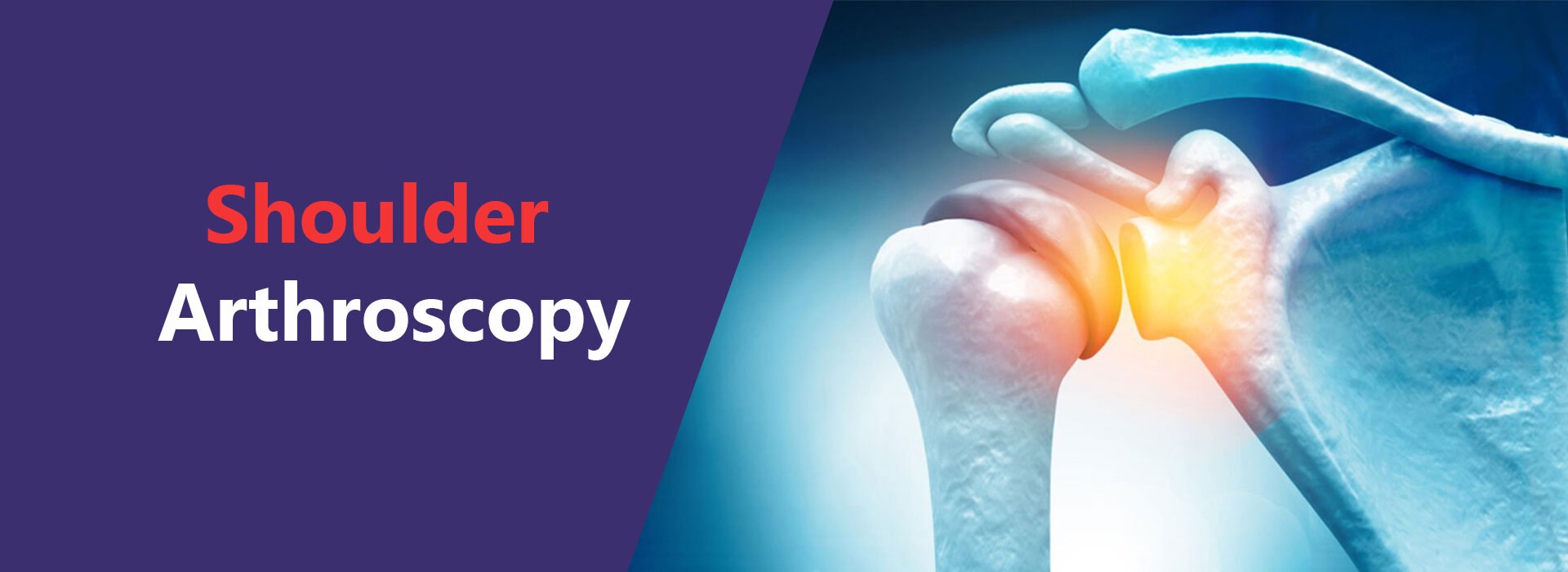
The shoulder joint is a highly complex and mobile ball-and-socket joint, formed by the humerus (upper arm bone) and the scapula (shoulder blade), which are connected by ligaments, tendons, muscles, and cartilage. Due to its mobility, the shoulder is prone to injuries and conditions that may require surgical intervention. Shoulder arthroscopy offers several advantages over traditional open surgeries, including smaller scars, faster recovery times, and less postoperative pain.
Common conditions treated with shoulder arthroscopy include rotator cuff tears, labral tears, shoulder instability, frozen shoulder, bursitis, and arthritis. This technique allows the surgeon to view and address damage to the soft tissues of the shoulder, and in many cases, can be performed on an outpatient basis with patients returning home the same day.
Causes and Risk Factors Leading to Shoulder Arthroscopy
There are several common causes and risk factors that make shoulder arthroscopy necessary. These factors contribute to the development of conditions that impair the function of the shoulder and cause pain or discomfort:
Injuries and Trauma
-
Sports-related injuries: Athletes involved in contact sports (e.g., football, hockey) or activities requiring overhead motion (e.g., tennis, baseball) are at a high risk of sustaining shoulder injuries, such as rotator cuff tears, labral tears, or shoulder dislocations.
-
Falls or accidents: Falling onto the shoulder or an accident can result in fractures, dislocations, or ligament damage that may require surgical intervention.
Degenerative Conditions
-
Age-related degeneration: As we age, the cartilage in the shoulder joint can wear down, leading to arthritis or other degenerative conditions. These conditions can cause chronic pain and stiffness.
-
Osteoarthritis: This condition results from the breakdown of cartilage in the joint, causing inflammation, pain, and limited motion.
-
Rotator cuff tendinitis or tears: Overuse or injury can cause inflammation or tears in the rotator cuff, which can severely affect shoulder mobility and function.
Repetitive Motion
-
Overuse injuries: Repeated overhead motion, often seen in athletes or workers performing physical labor, can lead to conditions such as impingement syndrome or rotator cuff tears. Chronic overuse without adequate rest or rehabilitation can result in the breakdown of the soft tissues in the shoulder.
Instability or Dislocation
-
Shoulder instability: Some individuals may experience shoulder instability, often due to recurrent dislocations or a loose joint capsule. This instability can lead to repeated dislocations or difficulty in maintaining normal shoulder function.
-
Labral tears: The labrum, a piece of cartilage that helps stabilize the ball-and-socket joint, can tear due to trauma or repetitive motion. These tears can cause pain, weakness, and a sensation of the shoulder "giving way."
Frozen Shoulder (Adhesive Capsulitis)
-
Frozen shoulder is a condition in which the shoulder becomes stiff and painful, with a restricted range of motion. It can occur without any apparent injury, often developing gradually due to inflammation of the shoulder joint capsule. Shoulder arthroscopy may be used to release adhesions and restore motion.
Symptoms and Signs of Shoulder Conditions That Lead to Arthroscopy
The symptoms that prompt the need for shoulder arthroscopy are often related to pain, functional limitations, and mechanical issues within the shoulder joint. Here are some of the key symptoms:
-
Shoulder pain: Persistent pain in the shoulder joint, especially during overhead activities, lifting, or reaching, is a common symptom. This pain can become chronic if left untreated.
-
Weakness: A weakened shoulder may make it difficult to lift objects, perform everyday tasks, or engage in sports. Weakness may also occur after injury or trauma, especially if the rotator cuff or labrum is affected.
-
Limited range of motion: Stiffness or an inability to fully extend or rotate the arm is a hallmark sign of shoulder dysfunction. Conditions such as frozen shoulder or labral tears can significantly reduce the shoulder's range of motion.
-
Clicking or popping: A clicking or popping sensation in the shoulder during movement can indicate a torn labrum, rotator cuff injury, or other internal joint issues.
-
Shoulder instability: A feeling that the shoulder may "give out" or dislocate, particularly with activities that involve lifting or reaching, is a key symptom of shoulder instability.
-
Swelling or inflammation: Chronic inflammation in the shoulder, often caused by tendonitis or bursitis, can lead to visible swelling and discomfort.
-
Shoulder stiffness: Difficulty in moving the shoulder or a sense of tightness is often experienced with conditions like adhesive capsulitis (frozen shoulder) or arthritis.
Diagnosis of Shoulder Conditions Requiring Arthroscopy
To determine whether shoulder arthroscopy is necessary, a thorough diagnostic evaluation is required. This typically involves the following steps:
-
Medical History: The physician will take a detailed history of the patient's symptoms, including the onset of pain, any previous injuries, and activities that aggravate the shoulder.
-
Physical Examination: The doctor will examine the shoulder for tenderness, swelling, deformities, range of motion, and stability. Special tests may be performed to assess the integrity of the rotator cuff, labrum, and other soft tissues.
-
Imaging Studies:
-
X-rays: Used to evaluate the bony structures of the shoulder and rule out fractures, dislocations, or signs of arthritis.
-
MRI (Magnetic Resonance Imaging): An MRI provides detailed images of soft tissues, including the rotator cuff, labrum, and cartilage, and is used to diagnose tears, impingement, or other soft tissue injuries.
-
Ultrasound: In some cases, ultrasound may be used to visualize soft tissue injuries in real time, particularly for rotator cuff tendon tears.
-
-
Arthroscopy (Diagnostic): In some cases, a diagnostic arthroscopy is performed, where a small camera is inserted into the shoulder joint to directly visualize and assess the condition of the tissues. This can help the surgeon plan the appropriate course of action.
Treatment Options via Shoulder Arthroscopy
Shoulder arthroscopy is used to treat a wide range of shoulder conditions. Some of the most common procedures performed during shoulder arthroscopy include:
Rotator Cuff Repair
-
This procedure is performed to repair torn rotator cuff tendons. The surgeon may use sutures or anchors to reattach the tendon to the bone or to repair partial tears.
Labral Repair
-
Labral tears, which can cause shoulder instability, are commonly treated with labral repair during arthroscopy. The surgeon reattaches the torn labrum to the shoulder socket, improving stability.
Subacromial Decompression
-
For impingement syndrome, bone spurs, or swollen bursa that are compressing the tendons, subacromial decompression involves removing the offending tissue or reshaping the acromion (the bony prominence on the shoulder blade).
Capsular Release for Frozen Shoulder
-
In cases of frozen shoulder (adhesive capsulitis), where the joint capsule becomes tight and inflamed, capsular release is performed to release the scar tissue and allow the shoulder to move freely.
Debridement
-
Debridement is the removal of damaged, frayed, or degenerated tissue, including cartilage, tendons, or ligaments. This procedure is often performed for conditions like arthritis, tendonitis, or loose bodies within the joint.
Biceps Tendon Surgery
-
Arthroscopy can be used to treat biceps tendon injuries, which may involve tendon repair or tenotomy (cutting the tendon) for long-term relief.
Shoulder Stabilization for Dislocations
-
If shoulder instability is caused by recurrent dislocations, arthroscopic stabilization procedures can tighten the joint capsule, reducing the risk of future dislocations.
Prevention and Management of Shoulder Conditions
While some shoulder conditions cannot be prevented, there are several strategies to reduce the risk of injury and manage existing issues:
Strengthening and Conditioning
-
Strengthening exercises for the rotator cuff and shoulder muscles can help stabilize the joint and prevent injuries, especially for athletes or individuals with physically demanding jobs.
-
Incorporating flexibility exercises to maintain the shoulder's range of motion is essential, particularly for those with a history of injury.
Proper Technique
-
Learning and practicing proper lifting, throwing, and overhead activity techniques can reduce the risk of strain on the shoulder and prevent injuries.
Ergonomics
-
In the workplace, especially for individuals performing repetitive tasks (e.g., overhead work, heavy lifting), proper ergonomic practices can minimize stress on the shoulder joints.
Post-Surgery Rehabilitation
-
After shoulder arthroscopy, physical therapy is crucial for restoring function, strength, and flexibility. Gradual rehabilitation helps rebuild muscle strength and allows the shoulder joint to regain full range of motion.
Complications of Shoulder Arthroscopy
7.
Although shoulder arthroscopy is generally a safe and effective procedure, complications can occur. These include:
-
Infection: As with any surgery, there is a risk of infection, particularly around the incisions.
-
Bleeding: Minor bleeding is common, but excessive bleeding may require further intervention.
-
Stiffness: After surgery, some patients may experience frozen shoulder, where the shoulder becomes stiff and difficult to move.
-
Re-injury or failure of repair: There is a risk of the repaired tissue tearing again, especially if the patient returns to activity too quickly or does not adhere to rehabilitation guidelines.
-
Nerve Injury: In rare cases, nerves around the shoulder joint may be injured during the procedure, leading to numbness, tingling, or weakness.
-
Blood Clots: As with any surgery, there is a risk of blood clots forming, particularly in the legs.
Living with Shoulder Arthroscopy - Recovery and Long-Term Care
Recovery from shoulder arthroscopy depends on the extent of the surgery and the patient's adherence to post-operative care. Key points include:
Initial Recovery
-
Rest and Ice: Following surgery, patients are advised to rest the shoulder and use ice to reduce swelling.
-
Sling: A sling may be used for the first few weeks to support the arm and limit movement.
Physical Therapy
-
Rehabilitation is a critical part of recovery. A physical therapist will work with the patient to restore mobility, strength, and function. Therapy typically begins with gentle range-of-motion exercises and progresses to strengthening exercises as healing progresses.
Gradual Return to Activity
-
Patients are typically able to resume daily activities and light work within a few weeks, though full return to sports or heavy activity may take several months, depending on the surgery's complexity.
Top 10 Frequently Asked Questions about Shoulder Arthroscopy
1. What is shoulder arthroscopy?
Shoulder arthroscopy is a minimally invasive surgical procedure used to diagnose and treat various shoulder conditions. During arthroscopy, a small camera (called an arthroscope) is inserted through a tiny incision, allowing the surgeon to visualize the inside of the shoulder joint on a screen. Specialized instruments are then used to repair or remove damaged tissues, such as cartilage, tendons, or ligaments. Arthroscopy is typically preferred over traditional open surgery because it involves smaller incisions, less pain, and faster recovery times.
2. Why is shoulder arthroscopy performed?
Shoulder arthroscopy is performed to treat a variety of conditions affecting the shoulder joint, including:
-
Rotator cuff tears: Damage to the tendons of the shoulder that help in movement and stability.
-
Shoulder impingement: A condition where the tendons of the rotator cuff are pinched or irritated.
-
Labral tears: Damage to the cartilage (labrum) that helps stabilize the shoulder.
-
Frozen shoulder (adhesive capsulitis): A condition characterized by stiffness and pain in the shoulder joint.
-
Arthritis: Degenerative changes in the shoulder joint.
-
Shoulder instability: When the shoulder joint frequently dislocates or feels loose.
The procedure can also be used to remove loose bodies (fragments of bone or cartilage) or treat other soft tissue injuries within the shoulder.
3. How is shoulder arthroscopy performed?
Shoulder arthroscopy is typically performed under general anesthesia or regional anesthesia, depending on the complexity of the procedure. Here's how the surgery is performed:
-
Small incisions: The surgeon makes small incisions around the shoulder joint (usually 2 to 4 incisions, each about the size of a buttonhole).
-
Insertion of the arthroscope: The arthroscope (a thin tube with a camera) is inserted into the shoulder joint, allowing the surgeon to view the inside of the joint on a monitor.
-
Treatment of the problem: Using small surgical instruments inserted through the other incisions, the surgeon may remove damaged tissues, trim cartilage, repair tendons, or smooth rough areas inside the joint.
-
Closing the incisions: Once the procedure is complete, the incisions are closed with sutures or adhesive strips, and a sterile dressing is applied to the area.
The procedure usually lasts between 30 minutes to 1 hour, depending on the type and extent of the surgery.
4. What are the benefits of shoulder arthroscopy?
Shoulder arthroscopy offers several benefits compared to traditional open surgery, including:
-
Minimally invasive: Smaller incisions result in less tissue damage, less pain, and a faster recovery time.
-
Quicker recovery: Patients can typically return to normal activities sooner, with many people able to resume light activities in a few weeks and more intense activities within a few months.
-
Reduced risk of complications: The procedure is associated with fewer complications, such as infections or scarring, compared to open surgery.
-
Improved range of motion: Arthroscopy allows the surgeon to precisely treat the underlying cause of the shoulder issue, which can improve shoulder function and mobility.
5. What are the risks and complications of shoulder arthroscopy?
While shoulder arthroscopy is a relatively safe procedure, there are some risks and complications to be aware of, including:
-
Infection: Although rare, infection can occur at the surgical site.
-
Bleeding: There may be some minor bleeding, but it is typically well-controlled.
-
Nerve or blood vessel injury: There's a small risk of injury to surrounding nerves or blood vessels.
-
Shoulder stiffness: In some cases, patients may experience stiffness or difficulty moving the shoulder joint after surgery.
-
Inadequate healing: Some conditions, such as rotator cuff tears, may not heal properly after surgery, requiring additional treatment or surgery.
-
Persistent pain: In rare cases, patients may continue to experience pain or discomfort after the procedure.
Your surgeon will discuss these risks and how to minimize them during the consultation.
6. What is the recovery time for shoulder arthroscopy?
The recovery time after shoulder arthroscopy can vary depending on the procedure performed and the individual's health. Generally:
-
Immediate recovery: Patients may experience some discomfort, swelling, and bruising in the first few days after surgery. These symptoms can usually be managed with ice packs and pain medication.
-
Physical therapy: Physical therapy often begins within a few days after surgery to help regain strength and mobility in the shoulder joint. It's important to follow the therapist's instructions for exercises to improve recovery.
-
Return to daily activities: Most patients can return to light activities (like walking or desk work) within 1 to 2 weeks.
-
Return to sports or heavy lifting: It may take 3 to 6 months to fully recover and resume high-impact activities or sports depending on the procedure and healing process.
7. Will I need a sling after shoulder arthroscopy?
Yes, most patients are required to wear a sling for a short period after shoulder arthroscopy. The sling helps keep the shoulder in a stable position, promoting healing and preventing strain on the surgical site. The length of time you'll need to wear the sling varies but typically lasts 1 to 3 weeks, depending on the specific procedure performed and your surgeon's recommendations.
8. How long will the results of shoulder arthroscopy last?
The results of shoulder arthroscopy can last for several years, particularly if the procedure addresses specific injuries or conditions like a rotator cuff tear or labral tear. Many patients experience significant pain relief and improved range of motion after surgery. However, the longevity of the results can depend on factors such as:
-
The type of condition treated: Some conditions, like arthritis, may continue to progress despite surgery.
-
Post-operative care: Following the recommended physical therapy regimen and avoiding re-injury is crucial to long-term success.
-
Age and activity level: Younger and more active individuals may have a higher risk of future wear and tear on the shoulder joint.
9. Can shoulder arthroscopy be used for all shoulder problems?
No, while shoulder arthroscopy is effective for many common shoulder problems, it may not be suitable for all conditions. Shoulder arthroscopy is particularly useful for:
-
Rotator cuff tears
-
Shoulder impingement
-
Labral tears
-
Arthritis in the shoulder
-
Frozen shoulder (adhesive capsulitis)
However, some complex or advanced shoulder conditions, such as severe joint arthritis or large rotator cuff tears, may require a more invasive procedure, such as open shoulder surgery. Your surgeon will assess your condition and recommend the best treatment approach.
10. How much does shoulder arthroscopy cost?
The cost of shoulder arthroscopy can vary depending on several factors, including:
-
The geographical location and the healthcare facility.
-
The type of procedure performed (e.g., rotator cuff repair, labral repair).
-
Surgeon's fees and the length of the procedure.
On average, shoulder arthroscopy can cost between $5,000 to $10,000, excluding additional costs like anesthesia, physical therapy, and follow-up appointments. Insurance coverage may vary, so it's essential to check with your insurance provider to determine whether the procedure is covered under your plan.