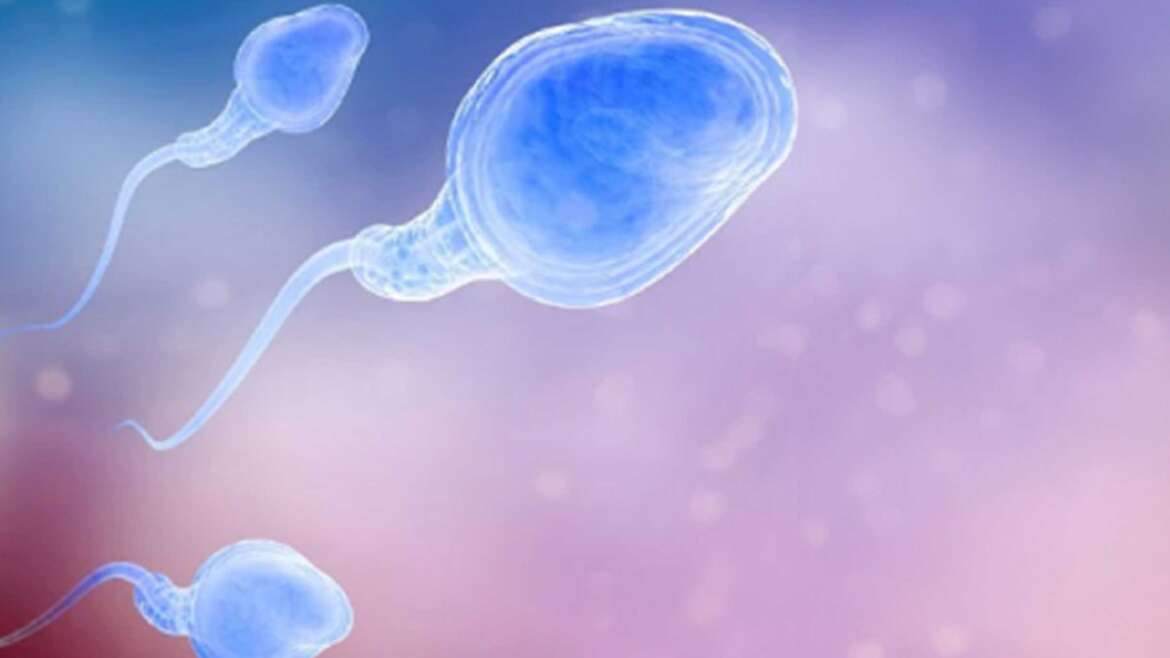
Introduction to Sperm Donation
Sperm donation is a medical process where a man provides sperm for use by others to achieve pregnancy, typically when one partner has fertility issues, or in cases of single women or same-sex couples seeking to have children. Sperm donors provide sperm either through a sperm bank or directly to recipients. The sperm is used in assisted reproductive technologies such as Intrauterine Insemination (IUI) or In Vitro Fertilization (IVF).
The process of sperm donation helps address infertility due to male factors (low sperm count, poor sperm quality, or absence of sperm), and it serves as a reproductive option for women or couples who may not have access to male partners. The sperm may be used fresh or frozen, depending on the intended use and the timing of ovulation or fertility cycles.
The use of donor sperm is an important avenue for family-building, providing individuals and couples who cannot conceive naturally the opportunity to have children genetically linked to one of the partners, and in some cases, a completely anonymous donor. With medical advancements in sperm storage, screening, and technology, sperm donation has become a reliable, effective, and ethical means of assisting conception.
Causes and Indications for Sperm Donation
Sperm donation is used in a variety of circumstances, typically when natural conception is not possible or has proven unsuccessful. Key reasons for opting for sperm donation include:
Male Infertility
Infertility in men can be caused by a number of factors including low sperm count, poor sperm motility (movement), abnormal sperm morphology (shape), or conditions like azoospermia (absence of sperm in the ejaculate). When sperm quality or quantity is insufficient for successful conception, sperm donation becomes an alternative.
Absence of Male Partner
Single women or same-sex female couples may choose sperm donation as a way to become biological parents. In this case, sperm from a donor is used to fertilize the eggs, typically through intrauterine insemination (IUI) or in vitro fertilization (IVF).
Genetic Diseases and Disorders
Men who are known to carry genetic conditions (e.g., cystic fibrosis, hemophilia, sickle cell anemia) that could potentially be passed down to offspring may choose sperm donation to avoid transmitting these conditions to their children. This option provides a way to reduce the risk of inheritance of serious hereditary diseases, ensuring healthier offspring.
Medical Conditions Impacting Male Fertility
Certain medical conditions such as cancer, diabetes, or chronic infections may affect male fertility. Additionally, treatments like chemotherapy, radiation, or testicular surgeries often compromise sperm production. For men who wish to preserve their fertility before undergoing treatments that might lead to infertility, sperm banking is an option, and donor sperm can be used when necessary.
Failure of Previous Fertility Treatments
In cases where couples have tried fertility treatments such as IUI or IVF using the male partner's sperm without success, the option of using donor sperm may be considered to maximize the chances of conception.
Symptoms and Signs Indicating the Need for Sperm Donation
In the context of sperm donation, symptoms and signs are often related to fertility challenges faced by men or couples. These signs include:
-
Low sperm count or poor motility: A semen analysis that shows low sperm count (fewer than 15 million sperm per milliliter of semen), or poor motility (less than 40% of sperm moving forward), often prompts individuals or couples to consider sperm donation.
-
Infertility without a known cause: Sometimes couples experience infertility without any clear or identifiable cause. If standard fertility treatments are unsuccessful, sperm donation can be used as a potential solution.
-
Genetic testing and family history of hereditary conditions: If a male has a family history of genetic disorders or is diagnosed as a carrier of genetic diseases, sperm donation may be considered to avoid the risk of passing these conditions to future generations.
-
Medical treatments affecting fertility: Individuals who undergo treatments like chemotherapy or radiation often experience a decline in fertility, which may lead them to bank sperm before starting treatment, or consider using donor sperm later if fertility is compromised.
-
Sexual dysfunction or azoospermia: Conditions such as erectile dysfunction, retrograde ejaculation, or testicular failure can lead to azoospermia (no sperm in the ejaculate), necessitating the use of donor sperm for reproduction.
Diagnosis and Evaluation for Sperm Donation
The diagnostic process leading to the decision to use sperm donation typically begins with a fertility evaluation for both partners in the couple. Key components of the diagnostic process include:
Fertility Testing for Men
-
Semen Analysis: The most common test to assess male fertility is a semen analysis. This test evaluates sperm count, motility, and morphology to determine if the sperm is capable of fertilizing an egg. Low sperm count or poor motility often leads to sperm donation as a solution.
-
Hormone Testing: Blood tests may be performed to assess the levels of hormones like testosterone, FSH (Follicle Stimulating Hormone), and LH (Luteinizing Hormone), which affect sperm production.
-
Genetic Testing: If there is a suspicion of genetic disorders affecting fertility, genetic screening tests can identify conditions such as Y-chromosome microdeletions or Klinefelter syndrome, both of which may lead to sperm donation as an option.
Fertility Testing for Women
-
Ovarian Reserve Testing: For women, tests to assess egg quality (using tests like AMH levels or ultrasound) and ovarian reserve can be crucial in determining the best path to conception.
-
Ovarian Function & Hormonal Health: Blood tests for hormonal levels, including estradiol and progesterone, can indicate if the ovaries are functioning properly, which could influence the use of donor sperm for IUI or IVF.
Emotional and Psychological Assessments
Given the nature of sperm donation and the emotional implications it may have for recipients and donors, psychological counselling is often recommended for both parties. This helps manage any concerns regarding anonymity, the use of donor sperm, and potential future identity issues for the child.
Treatment Options for Using Sperm Donation
There are several ways in which sperm donation can be utilized depending on the recipient's needs and fertility status. Common treatment options include:
Intrauterine Insemination (IUI)
-
This is the most straightforward method of using donor sperm. The sperm is carefully selected, washed, and then injected directly into the woman's uterus around the time of ovulation. IUI is typically used when there are issues with sperm quality or when there is unexplained infertility.
In-Vitro Fertilization (IVF)
-
IVF is a more advanced treatment in which donor sperm is combined with the woman's egg outside the body in a laboratory setting. After fertilization occurs, the resulting embryos are then implanted into the woman's uterus. This is typically used in cases of female infertility, blocked fallopian tubes, or when IUI has been unsuccessful.
Intracytoplasmic Sperm Injection (ICSI)
-
ICSI is a type of IVF in which a single sperm is injected directly into an egg. This method is usually recommended for couples with male infertility issues such as poor sperm motility or low sperm count. For same-sex female couples or single women, it provides a reliable method to achieve fertilization.
Egg Donation & Sperm Donation
-
In some cases, both an egg and sperm donor are used. This might be relevant in cases of female infertility due to poor egg quality, advanced age, or other reproductive health issues. The fertilized egg (embryo) can then be transferred to the recipient's uterus.
Prevention and Management of Risks with Sperm Donation
While sperm donation is generally a safe and regulated process, there are some important factors to consider to minimize risks and ensure safe outcomes:
Donor Screening
-
Donors are rigorously screened for infectious diseases such as HIV, Hepatitis B, Hepatitis C, and syphilis, as well as genetic conditions to reduce the risk of transmitting disease or inherited disorders to the offspring.
-
Ethical and legal concerns are also addressed, ensuring that donor anonymity is maintained unless otherwise agreed upon.
Psychological Screening and Counseling
-
Given the sensitive nature of sperm donation, psychological assessments are recommended to ensure that both the donor and the recipient are prepared for the emotional aspects of the process. This includes addressing concerns about identity, potential contact between donor-conceived children and donors, and the social implications of using donor sperm.
-
Pre-treatment counseling for recipients is also important to ensure they are comfortable with the process, understand the potential risks, and are prepared for the possibility of emotional challenges later on.
Complications and Risks of Sperm Donation
While sperm donation is generally safe, there are potential complications and risks for both donors and recipients, including:
-
Infection transmission: Even though screening is thorough, there is a small risk of undiagnosed diseases being transmitted during the donation process.
-
Emotional and psychological issues: Some individuals may struggle with the identity and emotional implications of using donor sperm, particularly if the donor's identity is later revealed or if the child seeks out information about the biological parent.
-
Multiple pregnancies: In rare cases, a donor's sperm may be used by multiple women, which can increase the risk of having multiple pregnancies with the same donor, which may lead to genetic concerns.
-
Genetic risks: Even though rigorous screening is performed, there is still the possibility of genetic abnormalities not being detected in the donor sperm, which may impact offspring health.
Living with the Outcome of Sperm Donation
Living with the outcomes of sperm donation can vary depending on whether you're a donor, a recipient, or the child born from donation.
For Donors:
Donors may feel an emotional connection to the children born from their sperm, although they legally relinquish parental rights. They might also experience psychological challenges related to anonymity or potential contact from offspring.
For Recipients:
For recipients of donor sperm, the key challenge is to navigate the emotional complexity of parenthood without a biological connection to the child. Many recipients establish close relationships with the donor sperm bank, and some may opt for identity-release donors if they wish for their children to later contact the donor.
For Donor-Conceived Children:
Donor-conceived children might seek information about their biological parents, especially if they grow up curious about their genetic origins. As these children reach adulthood, they may experience mixed emotions surrounding their identity and may seek to establish contact with the donor. Many sperm banks have policies in place to facilitate this process in a safe and regulated manner.
Top 10 Frequently Asked Questions about Sperm Donation
1. What is sperm donation?
Sperm donation is the process by which a man donates his sperm to help individuals or couples conceive. Sperm can be donated to fertility clinics or sperm banks, where it is then used in assisted reproductive treatments like intrauterine insemination (IUI) or in vitro fertilization (IVF). Sperm donation is typically done anonymously, although some clinics may allow known donations, where the donor is known to the recipient.
2. Why do people use sperm donation?
People use sperm donation for various reasons, including:
-
Infertility: Couples who are unable to conceive naturally due to male infertility (low sperm count, poor sperm motility, etc.).
-
Single women: Women who wish to become mothers without a partner may turn to sperm donation as a means of achieving pregnancy.
-
Same-sex couples: Lesbian couples or same-sex male couples who want to have children may use sperm donation as part of their reproductive process.
-
Genetic conditions: Some individuals or couples may use sperm donation to avoid passing on hereditary diseases or genetic disorders.
Sperm donation provides a solution for individuals or couples who want to have children but are unable to do so with the male partner's sperm.
3. How does sperm donation work?
The process of sperm donation typically involves:
-
Screening and selection: Potential sperm donors undergo a thorough screening process to ensure they are healthy and free from genetic or infectious diseases. This process includes medical, psychological, and lifestyle evaluations.
-
Donation: The sperm donor provides a sperm sample, which is then analyzed in a laboratory for sperm count, motility, and quality. If the sample is viable, it is frozen and stored in the sperm bank.
-
Insemination: The sperm is later used in assisted reproductive procedures such as IUI or IVF, where the sperm is either injected into the woman's uterus (IUI) or combined with an egg in the lab (IVF) to achieve pregnancy.
-
Pregnancy and follow-up: After insemination or fertilization, the woman is monitored for pregnancy through tests and ultrasound.
The process is confidential, and the donor's identity is typically not revealed to the recipient unless agreed upon beforehand.
4. Who can donate sperm?
Not all men are eligible to donate sperm. To become a sperm donor, men typically need to meet the following criteria:
-
Age: Sperm donors are usually between the ages of 18 and 40.
-
Health: The donor must be in good physical and mental health and undergo medical screenings to rule out infections and genetic diseases.
-
Lifestyle: Donors must refrain from smoking, excessive alcohol consumption, or drug use, as these can affect sperm quality.
-
Genetic screening: Donors must undergo genetic screening to ensure they are free from hereditary conditions that could be passed on to the child.
Each sperm bank or fertility clinic may have specific requirements, but these general guidelines ensure that the sperm provided is of high quality and safe for use in assisted reproduction.
5. Is sperm donation anonymous?
In many sperm donation programs, donations are anonymous, meaning the donor's identity is not shared with the recipient. However, in some cases, known sperm donation may be allowed, where the donor agrees to have their identity known to the recipient, often for family-building purposes.
While anonymous donation has been the norm in most sperm banks, some jurisdictions and fertility clinics allow for the option of identifiable donations, where the child born from the donation may contact the donor once they reach adulthood (typically at age 18).
6. What are the risks of sperm donation?
Sperm donation is generally a safe process, but like any medical procedure, there are some risks involved:
-
Health screening: Donors may face discomfort or stress related to extensive medical and genetic screenings.
-
Psychological impact: There may be emotional or psychological implications, especially for known sperm donors, who may later grapple with issues of identity or parental responsibility.
-
Confidentiality: In identifiable sperm donation, the donor may have concerns about maintaining privacy or facing future contact from the child.
However, these risks are generally low, and sperm banks or fertility clinics ensure that the donor experience is handled with sensitivity and confidentiality.
7. How is sperm stored and preserved?
Once sperm is donated, it is carefully processed and frozen in a sperm bank. This freezing process, called cryopreservation, ensures that the sperm can be stored for long periods (often years) without losing its viability. The sperm is stored in special liquid nitrogen tanks at very low temperatures to preserve its quality until it is needed for insemination or fertilization.
Frozen sperm can be used for assisted reproductive treatments at a later date, and some sperm banks offer long-term storage options for donors or recipients who wish to store sperm for future use.
8. How much do sperm donors get paid?
The payment for sperm donors varies by fertility clinic or sperm bank, and compensation is typically provided for the time and effort involved in the donation process (including medical testing, sperm collection, and follow-up). On average, sperm donors are paid between $50 and $200 per donation. Some sperm banks also provide compensation for travel or for time spent undergoing screening and consultation.
However, compensation is not the primary motivation for sperm donation, and most donors are willing to participate due to the altruistic nature of helping individuals or couples conceive a child.
9. Can a donor's sperm be used by multiple families?
Yes, sperm from a single donor can be used to help multiple families conceive, especially if the donor has provided a large sperm sample or has undergone multiple donation sessions. The sperm is carefully processed and stored to ensure that it is safe and viable for use in reproductive treatments.
Fertility clinics and sperm banks generally have policies in place to limit the number of families or children a single donor can help create, often to avoid potential genetic issues or family relationships arising from multiple births.
10. What happens if I want to stop being a sperm donor?
Most sperm banks or fertility clinics allow donors to discontinue their donation at any time. However, the process of discontinuing may vary depending on the terms set by the sperm bank. Once sperm has been donated and processed, it is generally not retractable for use. If the donor has provided sperm for known donation, the process may involve legal agreements regarding their parental rights and responsibilities.
If a donor wishes to stop donating, they should communicate with the sperm bank or fertility clinic directly to ensure they follow proper procedures. The donor is not financially or legally obligated to any child born from their donation, especially if the donation was anonymous.