Introduction to Spine Osteotomies
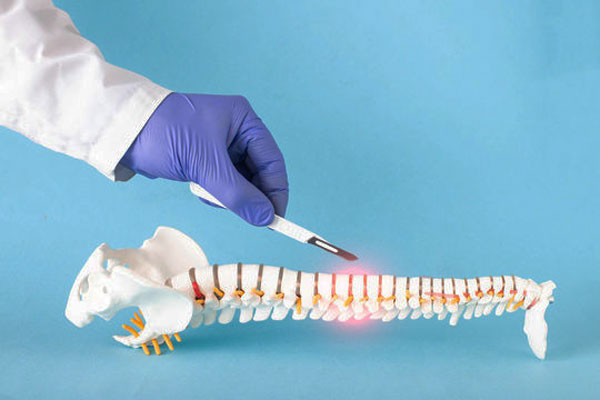
Spine osteotomies are advanced reconstructive spine procedures in which a controlled portion of one or more vertebrae is surgically cut and reshaped to correct a fixed spinal deformity. Unlike simple decompression or short fusion surgery, osteotomies are used when the spine is so rigid and imbalanced that it cannot be corrected by soft-tissue releases or minor bony trimming alone. The primary goals are to restore more normal spinal alignment, especially in the sagittal plane (side view), relieve pain, improve horizontal gaze, and allow the patient to stand and walk in a balanced, energy-efficient posture.
These procedures are most commonly performed in patients with adult spinal deformity—including long-standing kyphosis (forward stooping), sagittal imbalance (leaning forward with the head and trunk), severe scoliosis, post-traumatic deformity, flatback syndrome after previous fusion, and deformities related to conditions such as ankylosing spondylitis, congenital abnormalities, or failed prior spine surgery. Spine osteotomies can be done in both younger and older adults, but they are always considered major surgery because they involve three-dimensional correction of a stiff spine, often across multiple levels, and require strong instrumentation and long fusion to maintain the new alignment.
There are several types of spinal osteotomies, arranged roughly in order of increasing power and complexity:
-
Posterior column osteotomies (PCO) such as Smith-Petersen osteotomy (SPO) and Ponte osteotomy, where the posterior bony elements and facet joints are removed, allowing controlled closing of the back of the spine and opening of the front through a mobile disc.
-
Pedicle subtraction osteotomy (PSO), a “three-column” wedge resection through the vertebral body and posterior elements, closing the wedge posteriorly to create substantial angular correction at a single level.
-
Bone-disc-bone osteotomy (BDBO), vertebral column decancellation (VCD), and vertebral column resection (VCR), which involve more extensive resection of the vertebral body and sometimes the entire vertebral segment to correct very severe, rigid, or multiplanar deformities.
Modern spine osteotomy surgery is guided by detailed pre-operative planning, including measurements of global spinal and pelvic parameters, 3D imaging, and sometimes specialized planning software. The ultimate aim is not merely cosmetic correction, but restoration of physiological sagittal balance, meaning that the head is centred over the pelvis with minimal muscular effort, thereby reducing pain and disability and improving long-term function and quality of life.
Causes and Risk of Spine Osteotomies
Spine osteotomies are not performed for simple back pain or mild curvature. They are reserved for severe, rigid deformities causing major imbalance and disability, usually after many years of disease progression or following previous surgery that left the spine stiff and malaligned. The most frequent underlying causes include:
-
Ankylosing spondylitis (AS) and other inflammatory disorders that cause progressive fusion and forward bending of the spine (thoracolumbar kyphosis), making it impossible for patients to stand upright or look straight ahead.
-
Degenerative adult spinal deformity, where age-related degeneration leads to loss of lumbar lordosis, sagittal imbalance, and sometimes scoliosis; over time the spine becomes rigid and painful.
-
Post-surgical deformity and flatback syndrome, especially after long fusions that were done without adequate lordosis or that lost correction over time, leaving the patient pitched forward.
-
Congenital or post-traumatic deformities, where previous fractures, growth abnormalities, or earlier surgeries have left the spine severely deformed and stiff.
-
Severe, rigid scoliosis or kyphoscoliosis, particularly when combined with sagittal imbalance and persistent pain or cardiopulmonary compromise.
Risk factors that increase the chance of eventually needing an osteotomy include long-standing inflammatory spinal disease, multiple prior fusions, failure of previous deformity surgery, poor bone quality (osteoporosis), smoking, and progressive loss of lordosis or onset of global sagittal imbalance that is not corrected early.
In addition to the indications, there are important risks inherent to the procedure itself. Three-column osteotomies (like PSO and VCR) are among the most powerful but also the riskiest operations in spine surgery, with high rates of major and minor complications. Modern data report major complication rates of roughly 30-60% and minor complication rates that can exceed 40% for large three-column osteotomies, including neurologic deficits, significant blood loss, cardiopulmonary events, infections, mechanical failures, and need for reoperation. For this reason, careful patient selection, meticulous planning, and treatment in specialized centres are essential.
Symptoms and Signs of Deformities Requiring Spine Osteotomies
Patients who ultimately undergo spine osteotomies typically show a combination of postural deformity, pain, and functional limitation, often after many years of progressive symptoms. Common features include:
-
Fixed forward stooping: the patient cannot stand upright without flexing the hips and knees, and may look at the floor rather than forward; in ankylosing spondylitis, the chin may be close to the chest and horizontal gaze is lost.
-
Global sagittal imbalance: the head and trunk are pitched forward relative to the pelvis; this is often quantified radiographically (sagittal vertical axis), but clinically presents as a constant feeling of being “pulled forward,” fatigue when trying to stand straight, and difficulty walking long distances.
-
Chronic back pain and fatigue: patients frequently complain of severe, persistent mid or lower back pain that worsens with standing and walking, along with muscle fatigue in the lumbar and hip extensor muscles trying to compensate for the deformity.
-
Functional disability: difficulty walking, climbing stairs, performing household tasks, or working; patients may rely on walking aids, need frequent rests, or avoid leaving home due to pain and imbalance.
-
Cosmetic and psychosocial impact: disfigurement from a pronounced bent posture or rib hump can lead to social embarrassment, loss of confidence, and emotional distress, which further reduces quality of life.
Neurological symptoms (numbness, weakness, gait disturbance) may or may not be present. In some cases, the primary problem is mechanical imbalance and pain, while in others there is also spinal stenosis or nerve root compression due to the deformity, leading to radicular pain or myelopathic signs. Progressive or severe symptoms, especially when they significantly interfere with daily living and do not respond to non-surgical care, are key triggers for considering osteotomy.
Diagnosis of Spine Deformity Before Osteotomies
Diagnosis and pre-operative evaluation for spine osteotomies are highly detailed because the surgery is powerful and irreversible.
The process begins with a thorough history and physical examination, focusing on onset and progression of deformity, pain pattern, neurologic symptoms, functional capacity (walking distance, ability to stand upright, need for supports), previous surgeries, and overall health status. Clinical examination evaluates posture, global and regional spinal curves, hip and knee contractures, neurologic function (strength, sensation, reflexes), and gait and balance.
Imaging is central to planning:
-
Standing full-length spine radiographs (front and side) are used to assess scoliosis curves, thoracic kyphosis, lumbar lordosis, pelvic parameters (pelvic incidence, pelvic tilt, sacral slope), and global sagittal alignment (sagittal vertical axis). These measurements define how far the patient is out of balance and how much correction is needed.
-
Focused radiographs (flexion-extension or traction views) help determine how rigid the deformity is.
-
CT scans give detailed information on vertebral shape, prior fusion, hardware position, and anatomy at potential osteotomy levels, helping to avoid vascular and neural structures and plan screw trajectories.
-
MRI is used to evaluate the spinal cord, nerve roots, stenosis, and any associated disc disease, tumour, or infection.
Modern deformity surgery also relies on pre-operative planning tools and software. Systems such as Surgimap, ASKyphoplan and other planning platforms allow surgeons to simulate different osteotomy levels and wedge sizes, predict changes in sagittal vertical axis, chin-brow vertical angle, and pelvic parameters, and visualize post-operative alignment. These tools help determine whether a single-level PSO is sufficient or whether multiple SPOs, a combined approach, or even a vertebral column resection is required.
Additional tests include:
-
Bone density evaluation (DEXA) to assess osteoporosis and guide strategies such as cement augmentation or extended fixation.
-
Laboratory tests to screen for infection, anaemia, nutritional status, and systemic disease.
-
Cardiopulmonary assessment and anaesthetic evaluation, as these surgeries often involve long operative times and significant blood loss.
Overall, diagnosis for spine osteotomies is not just about naming the deformity; it is about quantifying imbalance, understanding rigidity, and carefully planning a correction strategy that restores functional alignment while respecting the limits of what is safe for the spinal cord and surrounding tissues.
Treatment Options of Spine Osteotomies
Treatment decisions revolve around two broad paths: non-surgical management and surgical correction with osteotomies, with surgery being considered when non-surgical measures are inadequate.
In the non-surgical phase, patients may receive pain medications, anti-inflammatory drugs, physiotherapy to maintain flexibility and muscle strength, posture training, aquatic therapy, and sometimes bracing. While these can improve symptoms and function, they cannot correct a rigid deformity once the spine has fused or become ankylosed.
When surgery is indicated, the type of osteotomy is chosen based on the severity, location, and rigidity of the deformity, and on the amount of correction required:
-
Posterior Column Osteotomy (PCO, including Smith-Petersen and Ponte osteotomies)
In these procedures, the posterior elements—spinous processes, laminae, interspinous ligaments, and facet joints—are removed at one or multiple levels. The posterior column is shortened, and the anterior column is opened through a mobile disc space when the spine is extended, providing about 10° of correction per level. PCOs are suitable for flexible deformities or when moderate correction is needed and can be safely distributed across several levels. They are less invasive than three-column osteotomies and usually carry lower risk and blood loss. -
Pedicle Subtraction Osteotomy (PSO)
PSO is a powerful three-column wedge osteotomy performed through a single posterior approach. A wedge of bone including the posterior elements, pedicles, and part of the vertebral body is removed, and the spine is closed posteriorly, creating substantial angular correction (often 20-40° at one level). PSO is typically used for fixed sagittal imbalance where large lordosis must be restored in a rigid lumbar spine, such as in ankylosing spondylitis kyphosis or post-fusion flatback. -
Bone-Disc-Bone Osteotomy / Vertebral Column Decancellation / Corner Osteotomy
These intermediate techniques remove bone plus the involved disc spaces to achieve correction when a simple PCO is insufficient but a full VCR is not required. They provide greater correction than SPO but may be less radical than a complete vertebral resection. -
Vertebral Column Resection (VCR) and Three-Column Resections
In the most severe deformities—sharp angular kyphosis, complex multiplanar deformity, or congenital anomalies—a full vertebral segment (or more) may be resected. This allows dramatic correction of deformity (40-80° or more), but these operations are technically demanding and carry the highest risk of neurologic complication and blood loss. VCR is typically reserved for patients in whom lesser osteotomies cannot achieve necessary correction.
All osteotomies are combined with rigid internal fixation (pedicle screws, rods, sometimes hooks or cages) and long-segment fusion to maintain the corrected alignment. In complex adult deformity, surgery focuses strongly on restoring target sagittal alignment goals based on pelvic incidence and global balance to maximize patient-reported outcomes.
Newer approaches, such as less invasive segmental techniques and incremental osteotomy designs, are being studied to reduce surgical trauma and complication rates while still achieving adequate correction.
Prevention and Management of Conditions Leading to Spine Osteotomies
While many deformities arise from unavoidable conditions like ankylosing spondylitis or congenital malformations, several preventive and management strategies can reduce the likelihood of needing extensive osteotomies or can optimize outcomes when they are required.
On the prevention side:
-
Early and effective treatment of inflammatory conditions such as ankylosing spondylitis may help slow progression of kyphosis, although some patients will still develop severe deformity.
-
Maintaining good spinal health—through regular exercise, good posture, weight control, and avoidance of smoking—helps reduce degenerative flatback and deformity.
-
Proactive attention to sagittal balance in initial spine surgeries (for example, ensuring adequate lumbar lordosis in fusions) can prevent postoperative flatback and reduce the need for revision osteotomies later.
-
Assessment and treatment of osteoporosis with medication, calcium, and vitamin D reduces fracture risk and improves bone quality for any future surgery.
In patients already scheduled for osteotomies, pre-operative management focuses on risk reduction and precise planning:
-
Optimizing control of comorbidities (diabetes, hypertension, cardiac and lung disease).
-
Smoking cessation and nutritional optimisation to enhance healing.
-
Detailed radiographic and software-based planning to choose the correct osteotomy type, level, and wedge size, and to predict post-operative alignment.
-
Planning for blood management (cell salvage, tranexamic acid, staged procedures) and intra-operative neuromonitoring.
Post-operatively, management and rehabilitation are crucial:
-
Early but cautious mobilization with physiotherapy to prevent complications such as blood clots and pulmonary issues, while protecting the fusion and osteotomy site.
-
Bracing in some cases, particularly when bone quality is poor or long constructs are used.
-
A structured rehabilitation programme focusing on posture, gait training, strengthening of hip and trunk extensors, and endurance.
-
Long-term follow-up to monitor fusion, detect adjacent-segment changes, and reinforce spine-protective lifestyle habits.
Thus, prevention and management in the context of spine osteotomies are not limited to the operation itself; they span early disease control, careful primary surgery, detailed planning, and lifelong spine care.
Complications of Spine Osteotomies
Spine osteotomies are among the highest-risk procedures in spinal surgery, and understanding possible complications is essential for honest patient counselling and safe practice.
Complications are often divided into medical, surgical/neurologic, and mechanical categories. Medical complications include cardiopulmonary events, deep vein thrombosis and pulmonary embolism, urinary infections, and ileus, particularly because these surgeries can be long and demanding in patients who are often older with comorbidities.
Surgical and neurologic complications are a major concern:
-
Neurologic deficits (new weakness, numbness, or more severe spinal cord injury) occur because osteotomies acutely change the shape of the spinal canal and tension on neural elements. Reported neurologic complication rates for three-column osteotomies range roughly from 6-15% in many series.
-
Dural tears and cerebrospinal fluid leaks may occur during bone resection or exposure, which can lead to headaches or wound issues but are usually repairable.
-
Significant blood loss is common, especially in PSO and VCR; this requires meticulous haemostasis, pre-planned transfusion strategies, and sometimes staged operations.
Mechanical complications relate to the fusion construct and bone healing:
-
Pseudoarthrosis (non-union) at the osteotomy site or other fusion levels can lead to persistent pain, loss of correction, and mechanical failure, often requiring revision.
-
Implant failure such as breakage or loosening of screws and rods is relatively common in high-stress osteotomy constructs, particularly at the osteotomy level or at junctional segments, and is strongly influenced by bone quality and alignment.
-
Proximal junctional kyphosis (PJK) and proximal junctional failure (PJF) can occur above long constructs, where the rigid fused spine meets the more mobile segments, causing new deformity and sometimes neurologic problems.
Large reviews indicate that overall complication rates for vertebral column resection and other three-column osteotomies can exceed 60% when major and minor issues are combined, with reoperation rates around 10% or more in many series. Despite these numbers, most patients still experience significant improvement in pain and function when surgery is successful, which is why such high-risk procedures are selectively offered to those with severe, disabling deformity for whom less invasive options are not sufficient.
Living with the Condition After Spine Osteotomies
Life after a spine osteotomy involves recovery, adaptation, and long-term maintenance. In the early post-operative period, patients may require several days in hospital, sometimes in a high-dependency or intensive care unit, especially after large three-column osteotomies. Pain is managed carefully with multimodal regimens, and physical therapy begins early with assisted sitting, standing, and short walks as permitted by the surgeon.
Over the subsequent weeks and months, patients gradually increase their level of activity. Many will notice a dramatic change in posture—they can stand more upright, look ahead instead of at the floor, and often walk longer distances with less fatigue. This improved alignment translates into better energy efficiency, reduced compensatory muscle strain, and, in many cases, a major improvement in back pain and quality of life. However, they will also experience some loss of spinal mobility, particularly in segments that have been fused, and must learn new movement patterns and safe ways to bend, reach, and lift.
Psychologically, many patients feel more confident and socially comfortable once the disfiguring deformity is corrected, but some may struggle with the long recovery, residual symptoms, or fear of damaging the construct. Ongoing support from the care team, family, and sometimes counseling or pain management programmes can be helpful. Patients are encouraged to return gradually to work and hobbies, often within several months, depending on the extent of surgery and the nature of their occupation.
In the long term, living well after spine osteotomies means committing to lifelong spine care: maintaining a healthy weight, staying active with low-impact exercises (walking, swimming, cycling), doing regular core and hip strengthening, avoiding smoking, and respecting permanent restrictions on heavy lifting, repetitive bending, or high-impact sports. Regular follow-up with the spine surgeon, including periodic X-rays, allows early detection of any hardware issues or junctional problems before they become severe.
Despite their complexity and risks, spine osteotomies can be transformative for carefully selected patients with severe, rigid spinal deformities. When combined with meticulous planning, expert surgical execution, and dedicated rehabilitation, they offer the chance to regain a more natural posture, reduce chronic pain, and restore independence and quality of life—even though continued self-care, lifestyle adaptation, and surveillance remain essential components of long-term success.
Top 10 Frequently Asked Questions about Spine Osteotomies (Spinal Osteotomies)
1. What are spine osteotomies?
Spine osteotomies are specialized spinal surgeries in which the surgeon cuts and removes a precise wedge or block of bone from one or more vertebrae to change the shape and alignment of the spine. By removing bone and then carefully closing the gap, the surgeon can restore normal spinal curves, correct abnormal angulation, and rebalance the head and torso over the pelvis. Osteotomies are almost always combined with metal implants (rods, screws, hooks) and spinal fusion, so that the corrected position is held while the bones grow together and become solid. They are used mainly for severe, rigid spinal deformities where simpler procedures are not enough.
2. When are spine osteotomies recommended?
Spine osteotomies are usually recommended only when there is a fixed (rigid) spinal deformity that cannot be corrected with posture exercises, bracing, physiotherapy, or simpler decompression and fusion surgeries. Common indications include:
-
Severe kyphosis (forward stooping), such as in ankylosing spondylitis or post-traumatic deformity.
-
Flat-back syndrome, where previous surgery or degeneration has removed the normal lumbar curve, making it hard to stand upright.
-
Rigid scoliosis or multi-planar deformity where the curve is stiff and causes cosmetic deformity, pain, or imbalance.
-
Deformity after previous spine fusion, fractures, infections, or congenital abnormalities.
Surgery is considered when the deformity causes significant pain, difficulty standing or walking upright, fatigue, or neurological symptoms, and conservative treatment has failed.
3. What are the main types of spine osteotomy procedures?
There are several recognized types of spinal osteotomy, chosen according to how rigid the curve is and how much correction is needed:
-
Posterior Column Osteotomy (PCO) - also known as Ponte or Smith-Petersen osteotomy; involves removing the small joints and ligaments at the back of the spine. It usually gives 10-20 degrees of correction per level and is used for moderate, flexible deformity.
-
Pedicle Subtraction Osteotomy (PSO) - a more powerful procedure where a wedge of bone is removed from the back and middle of a vertebra, including the pedicles. When the wedge is closed, it can provide around 25-35 degrees of correction at a single level, often in the lumbar spine for flat-back or fixed sagittal imbalance.
-
Bone-Disc-Bone Osteotomy (BDBO) - removes bone plus an adjacent disc level for larger corrections when a simple PSO is not enough.
-
Vertebral Column Resection (VCR) - the most extensive osteotomy, where nearly all of a vertebra (and sometimes adjacent discs) is removed to correct very severe, angular, or multi-directional deformities. The gap is reconstructed with cages, bone graft, and long rods.
Your spine surgeon chooses the type, or combination of types, after detailed imaging and planning.
4. How is a spine osteotomy performed during surgery?
Spine osteotomy surgery is done under general anesthesia. Typically:
-
The surgeon makes an incision along the back (posterior approach) and gently moves the muscles aside to expose the spine.
-
Pedicle screws are placed into several vertebrae above and below the planned osteotomy level(s). These screws will later hold the rods and help control correction.
-
Depending on the osteotomy type, specific parts of bone—facet joints, lamina, pedicles, vertebral body wedge, or even an entire vertebra—are carefully removed.
-
Realignment: rods are attached to the screws, and the surgeon slowly closes the osteotomy gap to bring the spine into a more natural position, constantly monitoring the spinal cord and nerves.
-
Fusion and reconstruction: bone grafts and sometimes cages or structural blocks are placed so that over time the fused vertebrae will grow together into a solid construct.
-
The wound is closed, often over drains, and the patient is transferred to recovery or intensive care for close observation.
The operation can be long and technically demanding, especially when multiple levels are corrected.
5. What are the goals and expected benefits of spine osteotomies?
The main goals of spine osteotomy surgery are to:
-
Restore proper spinal alignment, especially the forward-backward (sagittal) balance, so the patient can stand upright with the head over the pelvis.
-
Reduce deformity such as excessive stooping, trunk shift, or rib hump, thereby improving posture and appearance.
-
Relieve pain caused by abnormal loading of joints, muscles, and discs, or by nerve compression associated with deformity.
-
Improve function and endurance, allowing longer walking and standing, and reducing fatigue associated with leaning forward.
-
Protect or improve neurological function by preventing further stretching or compression of the spinal cord and nerves.
Most patients experience a visible change in posture and height and report improved quality of life, though complete symptom relief is not guaranteed in every case.
6. What are the risks and possible complications of spine osteotomy surgery?
Spine osteotomies are major, high-complexity procedures, so they carry important risks. Potential complications include:
-
Significant blood loss, sometimes requiring blood transfusion.
-
Infection in the wound or around the hardware, which may need antibiotics or additional surgery.
-
Nerve or spinal cord injury, which can lead to numbness, weakness, or, rarely, paralysis. Continuous intra-operative neuromonitoring is usually used to reduce this risk.
-
Hardware failure such as screw loosening, rod breakage, or implant migration, especially if fusion does not solidify properly.
-
Non-union (pseudoarthrosis) where bones fail to fuse, resulting in persistent pain or deformity and sometimes requiring revision surgery.
-
Adjacent segment degeneration, in which spinal levels above or below the fusion wear out faster over time because they bear more motion and stress.
-
General surgical risks: blood clots, lung problems, urinary issues, anesthesia reactions, or delayed wound healing.
Your surgical team will discuss these risks in detail and explain what is done before, during, and after surgery to reduce them.
7. What is recovery like after a spine osteotomy?
Recovery is gradual and can extend over months:
-
Hospital stay is usually several days, sometimes longer if the surgery was extensive or if the patient has other medical issues.
-
Early mobilisation (sitting up, standing, walking with assistance) often begins within 1-2 days to prevent complications like clots or pneumonia.
-
Some patients may wear a back brace for several weeks to months to support the spine while fusion begins, depending on the surgeon’s protocol.
-
Pain management is provided initially with intravenous medicines, transitioning to oral painkillers.
-
Physiotherapy and rehabilitation focus on safe transfers (getting in and out of bed), walking, posture training, and gradual strengthening.
-
Many patients return to desk-type work in 6-12 weeks, but heavy lifting, bending, twisting, or impact sports are usually restricted for 6-12 months, until the fusion is strong.
Your exact recovery timeline will depend on age, general health, how many levels were corrected, and how your body heals.
8. How will spine osteotomy affect my flexibility and daily activities?
Because spine osteotomies are almost always combined with fusion, the treated segments no longer move. As a result:
-
You may notice reduced flexibility, especially in bending forward or backward, and twisting at the fused levels.
-
The more vertebrae involved, and the lower down in the lumbar region, the greater the impact on everyday motion.
However, the goal is to trade excessive deformity and pain for a more balanced, stable spine. Most people adapt by using their hips and knees more when bending and, with rehabilitation, can perform routine activities like walking, light housework, and desk work. High-impact sports and very heavy manual labor may be limited or require careful guidance from your surgeon and physiotherapist.
9. Are spine osteotomies done in children as well as adults?
Yes. Spine osteotomies are performed in both children and adults, though the reasons and techniques may differ:
-
In children and adolescents, osteotomies may be used for severe congenital deformities, rigid scoliosis, or deformities associated with neuromuscular disorders when growth-friendly methods are no longer appropriate or have failed.
-
In adults, they are more commonly used for fixed sagittal imbalance (difficulty standing upright), deformity after previous fusions, degenerative spinal deformity, and conditions like ankylosing spondylitis.
Because bone quality, growth potential, and other health factors differ between age groups, the surgical plan is carefully tailored to each patient.
10. What should I ask my surgeon before deciding on spine osteotomy surgery?
Before agreeing to spine osteotomy surgery, it is important to have a detailed discussion and ask questions such as:
-
Why is an osteotomy necessary in my case? Could a simpler surgery work?
-
Which type of osteotomy are you planning, and how much correction do you expect?
-
Which segments of my spine will be fused, and how will that affect my flexibility and lifestyle long-term?
-
What are the specific risks for me, considering my age, bone quality, and any other medical conditions?
-
What will my hospital stay, pain control, and rehabilitation look like? Will I need a brace?
-
How long before I can drive, return to work, travel, and exercise? Are there permanent restrictions?
-
What is the chance of needing revision surgery in the future, and what signs should prompt me to seek help after the operation?
These questions help patients and families understand the purpose, benefits, and limitations of spine osteotomies and support truly informed decision-making.