Introduction to Spinal Stabilization
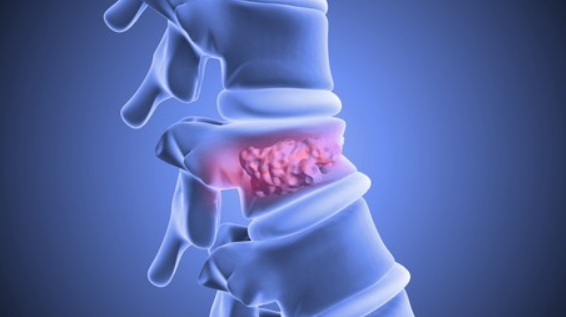
Spinal Stabilization is a specialized surgical procedure designed to restore the strength, structure, and balance of the spinal column when it becomes unstable due to injury, disease, or degeneration. The human spine is an intricate system composed of vertebrae, discs, ligaments, and muscles that work harmoniously to maintain posture, protect the spinal cord, and allow flexibility. When one or more of these components weaken or become damaged, spinal instability may occur - leading to pain, deformity, nerve compression, and difficulty performing daily activities.
Spinal stabilization aims to strengthen or fuse unstable vertebrae so that they move as one solid unit, eliminating abnormal motion and reducing strain on nerves and soft tissues. This can be achieved through a range of techniques, including spinal fusion, insertion of rods, plates, or screws, and the use of bone grafts to promote permanent stability. Some modern techniques even employ dynamic stabilization devices that maintain partial mobility while still supporting the spine.
The primary goal of spinal stabilization is to restore function, relieve pain, and prevent further spinal degeneration. It is often recommended when conservative treatments such as physiotherapy, medication, or bracing fail to provide relief. Advances in medical imaging, surgical tools, and biomaterials have made spinal stabilization procedures more precise, minimally invasive, and safer than ever before, allowing patients to regain mobility and confidence in their everyday lives.
Causes and Risk Factors That Lead to Need for Spinal Stabilization
Here, "causes" means conditions that create spinal instability and eventually require stabilization; "risk" includes both risk factors for instability and risks related to stabilization surgery.
2.1 Conditions That Lead to Spinal Instability
-
Degenerative Disc and Facet Joint Disease
With age and repetitive stress, discs lose height and elasticity, and facet joints become arthritic. Over time, this can lead to abnormal motion between vertebrae, small vertebral slips (spondylolisthesis), and spinal stenosis. These degenerative instabilities are a major indication for lumbar fusion or dynamic stabilization. -
Traumatic Injuries
Fractures or ligament injuries from accidents, sports, or falls can disrupt one or more of the spine's "columns" (anterior, middle, posterior). When two or more columns are damaged, the spine is considered structurally unstable and may require urgent stabilization to prevent spinal cord or nerve injury. -
Post-Surgical Instability
After decompression surgery (e.g., wide laminectomy or multi-level facetectomy), the spine may become iatrogenically unstable because key supporting elements were removed. In such cases, fusion or dynamic stabilization is often combined with decompression to maintain alignment and prevent progressive deformity. -
Tumours and Infections
Spinal tumours (primary or metastatic) and infections (osteomyelitis, discitis) can destroy bone and ligaments, producing painful structural collapse and risk of neurologic injury. Stabilization is performed after debridement or tumour removal to reconstruct the spinal column. -
Congenital or Developmental Abnormalities
Some people are born with malformed vertebrae or defects in the posterior elements (like isthmic spondylolisthesis) that predispose to instability and may eventually need surgical stabilization if symptoms become severe.
2.2 Risk Factors for Developing Instability
-
Advancing age and long-standing degenerative changes
-
Heavy manual labour or repeated lifting with poor technique
-
Sedentary lifestyle and weak core/back musculature
-
Smoking (impairs bone quality and healing)
-
Osteoporosis or osteopenia
-
Previous spinal surgery, especially multi-level laminectomy or long fusion
-
Inflammatory or systemic diseases affecting bone and joints
2.3 Risks Related to Spinal Stabilization Surgery
While stabilization can be highly beneficial, it carries important risks:
-
General surgical risks: bleeding, infection, blood clots, anaesthetic complications.
-
Fusion-related issues: pseudoarthrosis (failed fusion), implant loosening/breakage, cage subsidence, and donor-site pain for bone graft.
-
Long-term consequences like adjacent segment disease, where levels next to a fusion degenerate faster because they bear extra stress.
-
For dynamic stabilization, device-specific concerns such as wear, mechanical fatigue, and long-term durability of the bone-implant interface.
Because of these risks, careful patient selection, realistic expectations, and experienced surgical care are crucial.
Symptoms and Signs Indicating Need for Spinal Stabilization
Patients who may benefit from spinal stabilization typically show a pattern of mechanical pain and/or neurologic compromise linked to abnormal movement or structural collapse of one or more spinal segments.
3.1 Mechanical Back or Neck Pain
-
Pain that worsens with movement, standing, or loading and improves with rest or lying down.
-
Deep, aching pain in the back or neck, sometimes with catching, "giving way," or a sense of instability.
-
In degenerative spondylolisthesis, patients may report increased back and leg pain when standing, walking, or extending the spine.
3.2 Radicular Symptoms
-
Sharp, burning, shooting pain radiating into the arm (cervical radiculopathy) or leg (sciatica).
-
Numbness, tingling, or "pins and needles" in the limbs.
-
Weakness in specific muscle groups (e.g., foot drop, grip weakness) corresponding to nerve root compression.
-
Progressive forward stooping, loss of normal lumbar lordosis, or development of scoliosis.
-
Visible asymmetry in shoulders or pelvis.
-
Height loss or "shrinking" over time, especially with osteoporotic collapse.
-
Difficulty walking, frequent tripping, or unsteady gait.
-
Bowel or bladder dysfunction (incontinence, difficulty starting urination), saddle anaesthesia-urgent signs that may indicate severe compression of the spinal cord or cauda equina and often require emergency decompression and stabilization.
These symptoms often arise when unstable segments cause intermittent or chronic narrowing of foramina or the central canal.
3.3 Signs of Structural Deformity or Collapse
3.4 Red-Flag Neurological Signs
The decision to proceed with stabilization is not based on symptoms alone, but on matching these symptoms with clear imaging evidence of instability or structural failure and failure of conservative therapy.
Diagnosis and Evaluation Before Spinal Stabilization
Accurate diagnosis and thorough pre-operative evaluation are essential before embarking on spinal stabilization surgery. The workup typically involves:
-
Detailed medical history & physical examination: including history of trauma, prior surgeries, symptoms, duration, aggravating/relieving factors; neurological exam - strength, sensation, reflexes, gait, posture.
-
Imaging studies:
-
X-rays (static and dynamic - flexion/extension) to assess alignment, vertebral translation/instability, spondylolisthesis, vertebral fractures, progression of degeneration or deformity.
-
CT scan for detailed bone structure, fracture evaluation, bone quality, planning screw/rod placement or inter-body devices.
-
MRI to assess soft tissues - intervertebral discs, ligaments, nerve roots, spinal cord - check for compression or other neural involvement before stabilization.
-
-
Bone health assessment: bone density testing (for osteoporosis), general health screening (nutrition, comorbidities) - because bone quality affects stability, healing, fusion success, and risk of hardware failure.
-
Surgical planning & classification of instability: based on findings, deciding whether stabilization alone, or stabilization + fusion or instrumentation is required; planning which spinal segments, what type of hardware, and approach (anterior/posterior/combined).
-
Patient counseling & risk evaluation: discussions about expected benefits (pain relief, stability), possible complications (hardware failure, adjacent segment degeneration, reduced flexibility), and long-term lifestyle changes (limitations, follow-up, bone health).
This comprehensive evaluation ensures that stabilization is justified, correctly targeted, and customized to the patient's anatomy and condition.
Treatment Options - Surgical Approaches for Spinal Stabilization
Spinal stabilization is not a single operation - surgeons select from a variety of techniques depending on the cause of instability, spinal level, patient's bone quality, and functional needs. These include:
Spinal Fusion with Instrumentation
The most common form: two or more vertebrae are fused together, often using bone grafts (autograft, allograft or bone-like substitute) plus instrumentation (pedicle screws, rods, plates) that hold vertebrae rigidly until bone heals and fuses. This eliminates motion between those vertebrae, stabilizing the spine and preventing further displacement or nerve irritation.
Such fusion can be performed via different surgical approaches depending on the spinal region and pathology: from the back (posterior), front (anterior), side (lateral), or a combination. The choice depends on the need for decompression, alignment correction, bone graft placement, and surgeon's assessment.
Rigid Instrumented Stabilization Without Fusion (in some cases)
In trauma or fractures, stabilization with screws and rods may be performed to hold vertebrae in correct alignment immediately, even if a fusion is not planned or possible - to protect spinal cord, maintain alignment, and allow bones or ligaments to heal under stable conditions.
Dynamic or Semi-Rigid Stabilization
For certain degenerative conditions, instability or facet joint degeneration, motion-preserving stabilization systems (dynamic stabilization) have been developed. These aim to stabilize the spinal segment while preserving some degree of movement - avoiding the rigidity and stress transfer associated with fusion. Such devices (e.g. dynamic pedicle-screw based systems, interbody/facet joint replacements) attempt to provide load-sharing and controlled motion rather than complete immobilization.
However, dynamic stabilization remains less common than fusion and may have limitations - in some cases long-term evidence is not yet as robust, and implant failure has been observed.
Combined Decompression + Stabilization
When instability coexists with compression of spinal cord or nerve roots (due to disc herniation, stenosis, bone spurs), surgical treatment may combine decompression (removal of problematic disc material, bone spurs, ligamentum hypertrophy) with stabilization/fusion to both relieve nerve pressure and maintain spinal stability.
Minimally Invasive Stabilization Techniques
In selected patients, minimally invasive surgical (MIS) approaches may be employed - using small incisions, percutaneous pedicle screws, less muscle dissection - reducing blood loss, tissue damage, and speeding up recovery, while still achieving stabilization.
Use of Interbody Cages / Fusion Devices
In lumbar stabilization, interbody fusion cages (spine-cages) may be used - inserted between vertebral bodies after disc removal - restoring disc height, decompressing nerve roots, and facilitating fusion while maintaining structural support. These are often combined with posterior instrumentation (screws/rods) for added stability.
Prevention and Management - Conservative Strategies and When to Opt for Stabilization
While stabilization is sometimes necessary, not all spinal problems require surgery. Preventive and conservative management remains essential in many cases, and may delay or negate the need for stabilization.
Conservative management and prevention involves:
-
Maintaining good spinal health: regular exercise (core strengthening, back-extensors), correct posture, ergonomic practices, avoiding heavy lifting or traumatic stress to spine
-
Bone health maintenance: ensuring adequate nutrition (calcium, vitamin D), healthy lifestyle, osteoporosis prevention/follow-up if risk factors present
-
Early identification and treatment of degenerative changes: regular check-ups, physiotherapy, lifestyle modifications, posture correction, weight management
-
Avoiding unnecessary stress on spine: safe lifting techniques, avoiding repetitive motion injury, timely treatment of minor spinal issues
When stabilization becomes necessary:
-
Persistent, disabling pain despite conservative therapy
-
Radiological evidence of instability (vertebral slippage, abnormal motion, fracture)
-
Neurological symptoms (nerve compression, weakness, numbness)
-
Deformity or structural compromise that risks further deterioration or neurologic injury
-
Cases where decompression alone would destabilize spine - requiring fusion/stabilization afterward
Management decisions should be individualized - balancing benefits (pain relief, stability, function) vs. risks (loss of motion, surgical complications) and in context of patient's overall health, bone quality, and lifestyle.
Complications and Risks of Spinal Stabilization
Though spinal stabilization (especially fusion + instrumentation) is a well-established, common procedure - it carries potential risks and complications. Important ones include:
-
Surgical Risks: bleeding, infection, poor wound healing, anesthesia-related risks, blood clots. These are general risks of major spine surgery.
-
Hardware Failure or Loosening: Screws, rods or plates may loosen or fail over time, especially if bone quality is poor (osteoporotic bone), or if instrumentation is stressed - leading to pain, instability or need for revision surgery.
-
Non-union / Pseudarthrosis: Fusion may fail (bone graft fails to heal correctly), leaving mobile segment despite instrumentation - leading to persistent pain or instability.
-
Adjacent Segment Degeneration: Immobilizing one spine segment can increase stress on adjacent vertebral levels, accelerating wear and degeneration at those levels, potentially causing future problems.
-
Loss of Motion / Flexibility: Fusion eliminates movement between fused vertebrae, potentially reducing spinal flexibility - which can affect certain physical activities or overall mobility.
-
Neurological Complications: Risk of nerve root injury or spinal cord compromise during surgery - if instrumentation misplacement or surgical error occurs - could lead to numbness, weakness, or rarely, paralysis.
-
Long-term Structural Changes: Over time, degeneration or stress at adjacent segments, potential implant fatigue or failure; and factors like bone health, patient activity, and follow-up compliance impact longevity of stabilization.
Because of these, spinal stabilization surgery requires careful patient selection, meticulous surgical technique, and long-term follow-up and spine care.
Living with Spinal Stabilization - Aftercare, Recovery and Long-Term Life
Undergoing spinal stabilization brings significant changes - both benefits and lifestyle adjustments. Life after surgery depends on the underlying condition, extent of stabilization, and individual healing capacity. Key aspects of long-term living include:
Recovery & Early Post-operative Phase
-
After surgery, patients typically stay in hospital for a few days; pain control, wound care, and early mobilization under supervision are priorities.
-
Gradual physiotherapy to restore mobility, strengthen supporting muscles (core, back), and learn safe movements (bending, lifting, posture) becomes essential.
-
Wearing back brace if advised by surgeon; avoiding heavy lifting, twisting or strenuous activities until stability and bone healing are confirmed.
Long-Term Care & Spine Maintenance
-
Regular follow-up visits to monitor bone healing/fusion, implant position, adjacent segment health, and overall spinal alignment.
-
Bone health management: adequate calcium, vitamin D, bone-friendly lifestyle, monitoring for osteoporosis, avoiding smoking or factors that impair bone strength.
-
Lifestyle modifications: proper ergonomics (sitting/standing posture), safe lifting techniques, controlled physical activities; avoiding high-impact sports if advised.
-
Physical therapy as needed for core strengthening, posture correction, flexibility (as permitted), and preventing muscle imbalance or stiffness.
Functional Outcomes & Quality of Life
-
Many patients report significant reduction in pain, increased spinal stability, improved mobility and ability to perform daily activities without fear of instability or nerve pain.
-
For spinal deformities or instability-associated conditions - stabilization often restores structural balance, prevents further deterioration, and improves overall comfort and function.
-
Some loss of spinal flexibility is expected but often acceptable trade-off for stability and pain relief. Lifestyle should be adapted to protect the spine long-term.
Risks That Persist - What Patients Need to Monitor
-
Potential hardware-related issues or loosening over time - vigilance for new back pain, changes in posture, implant-site discomfort.
-
Adjacent-segment problems - need to monitor other vertebral levels for degeneration or stress.
-
Bone healing / fusion failure - especially if bone quality poor; adherence to bone health and follow-up is critical.
-
Avoiding activities that may overload the spine; early recognition of complications (infection, hardware problems, worsening symptoms) to seek timely care.
Top 10 Frequently Asked Questions about Spinal Stabilization
1. What is spinal stabilization?
Spinal stabilization is a type of surgery performed to make an unstable part of the spine strong and steady. Instability can happen when bones (vertebrae), discs, or joints are damaged by injury, degeneration, deformity, infection, or previous surgery. In stabilization procedures, the surgeon uses implants such as screws, rods, plates, cages, or hooks, often combined with bone grafts, to hold the vertebrae in a fixed position while the bones heal and fuse together. The main goals are to relieve pain, protect the spinal cord and nerves, correct abnormal movement, and restore the spine's ability to support the body during everyday activities.
2. When is spinal stabilization surgery recommended?
Spinal stabilization is usually recommended when the spine is unstable or at risk of becoming unstable, and this is causing significant symptoms or could damage the nerves or spinal cord. Common situations include:
-
Degenerative conditions like advanced degenerative disc disease, spinal stenosis with instability, or spondylolisthesis (slipped vertebra).
-
Spinal fractures after trauma, especially if the broken bones cannot hold the body weight safely.
-
Spinal tumors or infections where bone must be removed and the spine needs reinforcement.
-
Severe deformity (scoliosis, kyphosis) where realignment requires fusion and hardware.
-
Failed previous spine surgery where hardware has broken or the fusion did not take.
Surgery is considered when conservative treatments such as medicines, physiotherapy, injections, and bracing do not provide enough relief, or when instability threatens the spinal cord or nerves.
3. What types of spinal stabilization procedures are there?
"Spinal stabilization" is a broad term that includes several specific techniques, often combined in one operation:
-
Spinal fusion - placing bone graft between vertebrae so they grow together and become one solid unit.
-
Instrumentation - using metal implants (screws, rods, cages, plates) to hold the fusion in place and correct alignment.
-
Interbody fusion - placing a cage or bone graft between the vertebral bodies (from the front, side, or back) to support the disc space and help fusion.
-
Dynamic stabilization systems - in selected cases, flexible devices or motion-preserving implants are used instead of rigid fusion, but these are suitable only for certain patients.
The exact type of stabilization depends on the location of the problem (cervical, thoracic, lumbar), the cause of instability, and the patient's overall health and anatomy.
4. How is spinal stabilization surgery performed?
Spinal stabilization is done under general anesthesia, so the patient is asleep and pain-free. Depending on the problem, the surgeon may approach the spine from the back (posterior), front (anterior), side (lateral), or a combination.
Typical steps include:
-
Exposure - an incision is made, and muscles are gently moved aside to reach the spine.
-
Decompression (if needed) - any bone, disc, or ligament compressing the spinal cord or nerves may be removed (laminectomy, discectomy, foraminotomy).
-
Alignment and stabilization - screws are placed into specific vertebrae; rods or plates are attached to hold the spine in the desired position. If an interbody fusion is planned, a cage and bone graft are inserted into the disc space.
-
Bone grafting - bone from the patient's own body, donor bone, or synthetic substitutes is placed to encourage fusion.
-
Closure - the wound is closed, sometimes over drains, and the patient is taken to recovery.
The duration of surgery varies from a couple of hours to longer, depending on how many levels are treated and how complex the condition is.
5. What are the benefits of spinal stabilization surgery?
The main benefits patients can expect include:
-
Reduction in pain caused by abnormal movement, micro-instability, or mechanical strain on joints and muscles.
-
Protection of nerves and spinal cord by preventing vertebrae from slipping further or collapsing.
-
Improved posture and alignment, especially when stabilization is combined with deformity correction.
-
Improved function and mobility, allowing patients to stand, walk, and perform daily tasks with less discomfort.
-
Prevention of future damage by stopping progressive deformity or instability that could lead to more serious problems later.
Results vary from person to person, but many patients report significant improvement in pain and stability after recovery, even if some stiffness remains.
6. What are the risks and complications of spinal stabilization?
As with any major surgery, spinal stabilization carries risks. Possible complications include:
-
Infection at the surgical site or around the implants, which may require antibiotics or additional surgery.
-
Bleeding and blood clots; sometimes transfusion is needed.
-
Nerve injury - irritation or damage to spinal nerves or, rarely, the spinal cord, which may cause numbness, weakness, or changes in bowel/bladder function.
-
Hardware problems - screws or rods may loosen, break, or move, especially if fusion does not fully succeed.
-
Non-union (pseudoarthrosis) - failure of the bones to fuse properly, leading to persistent pain or instability and sometimes requiring revision surgery.
-
Adjacent segment disease - extra stress on spinal levels above or below the fusion can lead to wear and tear over time.
-
General risks such as reaction to anesthesia, lung or heart complications, or delayed wound healing.
Your surgeon will explain your individual risk profile based on age, bone quality, other illnesses, and the extent of surgery.
7. What is the recovery process like after spinal stabilization?
Recovery happens in stages:
-
Hospital stay - usually a few days, during which pain is controlled, drains (if any) are removed, and you begin to sit, stand and walk with assistance.
-
Early mobilisation - physiotherapists help you learn safe ways to move, get out of bed, walk, and use any brace prescribed. Walking usually starts within 1-2 days.
-
At home - you continue with gentle activity, short walks, and avoid heavy lifting, twisting, or bending. Medications are gradually reduced as pain settles.
-
Rehabilitation - over weeks to months, specific exercises are added to strengthen core muscles, improve posture, and restore flexibility in areas not fused.
Most people return to light work or desk jobs in 4-8 weeks, but heavy physical work, contact sports, and high-impact activities are usually restricted for several months until the surgeon confirms that fusion is progressing.
8. Will I lose flexibility after spinal stabilization?
Spinal stabilization often involves fusion of one or more spinal segments, which means those particular vertebrae no longer move. So, some loss of flexibility at the operated levels is expected. The degree of stiffness depends on:
-
How many levels are fused - more levels mean more stiffness.
-
Which region is fused - fusing lower lumbar segments affects bending more than fusing upper thoracic segments.
However, the goal is to trade abnormal, painful movement for stable, pain-free support. Remaining spinal segments, along with the hips and pelvis, usually compensate. With good rehabilitation, most patients can bend, sit, stand, and perform daily activities normally, even though extreme bending, twisting, or impact sports may be limited.
9. Are there non-surgical alternatives to spinal stabilization?
Yes, and they are usually tried before surgery is considered, especially if there is no severe nerve or spinal cord compression. Non-surgical options include:
-
Medications - pain relievers, anti-inflammatory drugs, muscle relaxants.
-
Physiotherapy - exercises to strengthen core muscles, improve posture, and reduce strain on the spine.
-
Epidural or facet joint injections - to relieve inflammation and pain around nerves and joints.
-
Bracing - in certain cases, a brace may provide temporary external support.
-
Lifestyle modifications - weight management, ergonomics, and activity changes.
However, these measures do not correct true structural instability; they mainly reduce symptoms. When the spine is clearly unstable or neurological risk is high, stabilization surgery may be the safest long-term option.
10. What should I ask my surgeon before deciding on spinal stabilization?
Before undergoing spinal stabilization, you should have a detailed discussion with your surgeon. Important questions include:
-
What is causing my spinal instability, and why do you recommend stabilization?
-
Which levels of my spine will be fused, and how will this affect my mobility and daily activities?
-
What type of implants and technique will you use (posterior, anterior, interbody fusion, etc.)?
-
What benefits can I realistically expect in terms of pain relief and function?
-
What are the risks and possible complications in my particular case?
-
How long will I be in the hospital, and what will my recovery and rehabilitation look like?
-
When can I safely return to work, drive, exercise, and travel?
-
What are the chances of needing further surgery in the future?
Clear answers to these questions help you make an informed decision and prepare physically and mentally for surgery and recovery.