Introduction to Spleen Removal
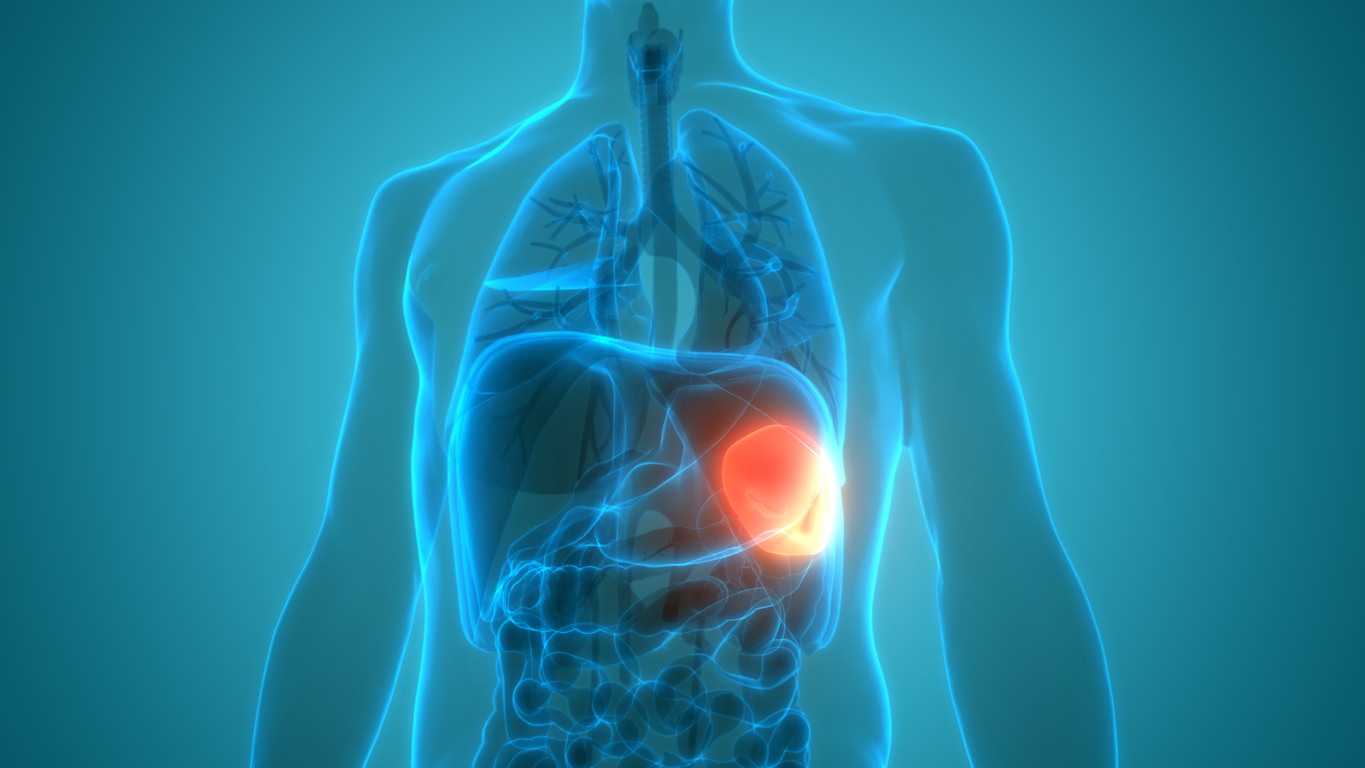
Spleen removal, medically called splenectomy, is a surgical procedure in which part or all of the spleen is removed. The spleen is a soft, fist-sized organ located high in the left upper abdomen, tucked under the rib cage. It plays several important roles: it filters aged and damaged red blood cells, helps fight infections by producing antibodies and removing bacteria from the blood (especially encapsulated bacteria), and acts as a reservoir for platelets and some white blood cells. Because of this, removing the spleen can significantly affect immunity and blood-cell regulation, so splenectomy is reserved for situations where the benefits clearly outweigh the risks.
Splenectomy can be total (entire spleen removed) or partial (only a portion removed to preserve some immune function). It may be done as an elective surgery-planned in advance for chronic blood disorders or large spleens-or as an emergency after trauma, spontaneous rupture, or life-threatening bleeding. In modern practice, most elective splenectomies are performed by laparoscopic (keyhole) surgery, using several small incisions and a camera, which usually leads to less pain, shorter hospital stay, and faster recovery compared with traditional open surgery. However, open surgery is still important in unstable trauma patients, very large spleens, or complex cases.
Because the spleen is central to fighting certain severe infections, splenectomy has life-long consequences. Patients without a spleen (asplenic) or with a poorly functioning spleen (hyposplenic) are at increased risk of serious infections, especially overwhelming post-splenectomy infection (OPSI), a rapidly progressive and often fatal sepsis caused mainly by encapsulated bacteria such as Streptococcus pneumoniae, Neisseria meningitidis, and Haemophilus influenzae type b. This is why splenectomy must be accompanied by careful planning, vaccination, education, and long-term follow-up.
Causes and Risk of Spleen Removal
"Causes" in this context means medical reasons or conditions that lead doctors to recommend splenectomy, and "risk" refers both to the risk factors for needing spleen removal and to the risks associated with living without a spleen.
1. Conditions That Commonly Require Spleen Removal:
-
Traumatic Splenic Injury
-
The spleen is one of the most frequently injured organs in blunt abdominal trauma (e.g., road traffic accidents, falls, sports injuries).
-
Minor injuries can be treated conservatively, but major lacerations, ongoing bleeding, or haemodynamic instability often require emergency splenectomy to save life.
-
-
Haematological (Blood) Disorders
Splenectomy is an important option in various blood diseases, especially when the spleen is contributing to anaemia, low platelets, or destruction of blood cells (hypersplenism), or when other treatments have failed:-
Immune thrombocytopenia (ITP) refractory to medical therapy.
-
Hereditary spherocytosis, thalassaemia intermedia/major, and some other congenital haemolytic anaemias.
-
Certain lymphomas, leukaemias, myeloproliferative and lymphoproliferative disorders, when the spleen is massively enlarged or causing severe symptoms.
-
-
Hypersplenism and Massive Splenomegaly
-
When an enlarged spleen sequesters and destroys excessive numbers of red cells, white cells, and platelets, patients may develop severe anaemia, infections, and bleeding tendency.
-
If medical therapy fails or the spleen is extremely large and symptomatic, splenectomy may be advised.
-
-
Benign Splenic Lesions
-
Symptomatic splenic cysts, abscesses, benign tumours, or infarctions may rarely require removal of the spleen, especially when they cause pain, recurrent infection, or risk of rupture.
-
-
Miscellaneous Indications
-
Symptomatic splenic artery aneurysms (in selected cases), certain autoimmune conditions, and occasionally diagnostic purposes when other methods fail to clarify the disease.
-
2. Risk Factors for Requiring Splenectomy:
-
Involvement in high-risk road traffic or contact sports.
-
Pre-existing haematological disorders.
-
Severe portal hypertension or chronic liver disease with hypersplenism.
-
Uncontrolled or recurrent splenic infections or cysts.
3. Risk Factors for Complications After Spleen Removal:
-
Young children (especially <2 years old) and elderly patients.
-
Splenectomy for haematological or malignant disease rather than for trauma (higher infection risk).
-
Delay or poor adherence to vaccination schedules.
-
Comorbidities: diabetes, chronic kidney or liver disease, immunosuppression, alcoholism.
-
Emergency rather than elective surgery, where there is less time for preparation and vaccination.
Symptoms and Signs of Conditions Leading to Spleen Removal
Spleen removal is not performed just because the spleen is enlarged; it is done when symptoms, complications, and risks become significant despite other treatments.
1. Symptoms Before Spleen Removal:
These depend on the underlying condition, but common features include:
-
Left upper abdominal discomfort or fullness
-
Patients with enlarged spleens may feel a dull ache or heaviness in the upper left abdomen, sometimes radiating to the left shoulder tip.
-
Early satiety and reduced appetite may occur because a large spleen presses on the stomach.
-
-
Anaemia-related symptoms
-
Fatigue, weakness, pallor, shortness of breath on exertion, palpitations - often seen in haemolytic anaemias or hypersplenism.
-
-
Bleeding or bruising
-
Easy bruising, gum bleeding, nosebleeds, or heavy menstrual bleeding are common in platelet disorders like ITP or when the spleen is over-destroying platelets.
-
-
Recurrent infections
-
Some blood disorders or splenic diseases cause recurrent fevers or infections which may improve after splenectomy.
-
-
Acute abdominal pain and shock
-
In trauma or spontaneous rupture, patients may have severe left-sided abdominal pain, abdominal distension, dizziness, cold sweats, and signs of internal bleeding (low blood pressure, rapid pulse). This is a surgical emergency.
-
2. Signs on Physical Examination:
-
Palpable enlargement of the spleen below the left costal margin.
-
Tenderness in the left upper quadrant.
-
Signs of anaemia (pale skin, fast heart rate), jaundice in haemolytic anaemia, or petechiae/purpura in platelet disorders.
-
In trauma, signs of peritonitis, abdominal guarding, or shock.
Diagnosis of Conditions Requiring Spleen Removal
Before recommending splenectomy, doctors must confirm the underlying diagnosis, assess spleen size and function, and evaluate the patient's overall health.
1. Clinical Assessment:
-
Detailed medical history: onset and pattern of symptoms, prior infections, bleeding episodes, transfusions, medications, family history of blood disorders, trauma history.
-
Physical examination: spleen size, liver size, lymph nodes, signs of chronic disease, bruising, or jaundice.
2. Laboratory Tests:
-
Complete blood count (CBC) - to measure haemoglobin, white cells, and platelets.
-
Peripheral blood smear - to look for abnormal red cell shapes (e.g., spherocytes in hereditary spherocytosis), young cells (reticulocytes), or blasts in leukaemia.
-
Coagulation profile, liver and kidney function tests.
-
Haemolysis markers: bilirubin, LDH, haptoglobin.
-
Specific immunological or genetic tests depending on the disease (e.g., autoimmune markers, haemoglobin electrophoresis).
3. Imaging:
-
Ultrasound - non-invasive, helps measure spleen size, identify cysts, abscesses, or masses, and assess blood flow.
-
CT scan - detailed view of spleen and surrounding organs, important in trauma, massive splenomegaly, suspected tumours, and operative planning.
-
MRI or nuclear medicine scans - occasionally used, especially when assessing splenic function or accessory spleens.
4. Pre-Operative Assessment:
-
Evaluation by anaesthesiologist to judge surgical risk.
-
Assessment for vaccination status, planning of pre-splenectomy immunizations.
-
In complex cases, identification of accessory spleens, because leaving active splenic tissue behind can limit the benefit of surgery in conditions like ITP or hereditary spherocytosis.
Treatment Options of Spleen Removal
The main treatment options involve whether to remove the spleen at all, and if so, how and how much of it to remove.
1. Non-Surgical or Spleen-Sparing Alternatives:
Where possible, doctors consider:
-
Medical therapies (steroids, immunosuppressants, monoclonal antibodies like rituximab for ITP, disease-specific drugs for haemoglobinopathies).
-
Blood transfusions or iron/folate supplementation.
-
Radiological interventions such as partial splenic embolization (blocking part of the splenic blood flow) in selected cases to reduce hypersplenism while preserving some immune function.
These approaches are especially important in children and in patients where surgery carries high risk.
2. Types of Splenectomy:
-
Laparoscopic Splenectomy
-
Now considered the standard approach for most elective splenectomies for benign haematological disease or moderate splenomegaly.
-
Benefits: smaller incisions, less postoperative pain, reduced blood loss, shorter hospital stay, faster return to daily activities, and better cosmetic result, with similar or lower complication rates than open surgery in many studies.
-
-
Open Splenectomy
-
Performed through a larger incision in the upper abdomen.
-
Preferred in emergency trauma, extremely large spleens, severe adhesions, or when extensive exploration is needed.
-
Still the safest option when rapid control of bleeding is essential.
-
-
Partial Splenectomy
-
Only a portion of the spleen is removed, aiming to relieve symptoms or hypersplenism while preserving some immune function.
-
More commonly considered in children or in selected benign conditions, and may be performed open or laparoscopically in experienced centres.
-
-
Robotic-Assisted Splenectomy
-
An extension of minimally invasive surgery using robotic systems for finer movements and 3D visualization.
-
Potential benefits are similar to laparoscopy; availability and cost can be limiting factors.
-
3. Peri-Operative Care:
-
Prophylactic antibiotics at the time of surgery.
-
Careful control of bleeding, protection of the tail of the pancreas, and search for accessory spleens.
-
Early mobilization and deep-breathing exercises after surgery to reduce risks of clots and chest infection.
Prevention and Management of Spleen Removal
Because splenectomy permanently alters the immune system, prevention and long-term management are critical parts of care.
1. Vaccination Strategy:
International guidelines and public-health agencies recommend that patients who are going to lose their spleen (or who already have asplenia/hyposplenia) receive vaccines against key pathogens:
-
Pneumococcal vaccines - both conjugate (PCV) and polysaccharide (PPSV) formulations according to age and prior vaccination history.
-
Meningococcal vaccines - covering serogroups A, C, W, Y (MenACWY) and serogroup B (MenB) as indicated.
-
Haemophilus influenzae type b (Hib) vaccine (if not received in childhood).
-
Annual influenza vaccine, and routine boosters as per national schedules.
Ideally, vaccines should be administered at least 2 weeks before elective splenectomy. In emergency situations, they are given after surgery once the patient is stable (often shortly before discharge or within 14 days).
2. Antibiotic Prophylaxis and Early Treatment:
-
Many guidelines recommend daily antibiotic prophylaxis (e.g., oral penicillin or equivalent) for at least the first 2-3 years after splenectomy and for all children up to a certain age; some advise lifelong prophylaxis for high-risk individuals.
-
Patients are instructed to seek urgent medical help and start antibiotics immediately if they develop fever or signs of infection, because OPSI can progress within hours.
3. Lifestyle and Travel Precautions:
-
Asplenic individuals should be cautious in areas with malaria, babesiosis, or severe tick-borne diseases, using insect protection and seeking early care if ill.
-
Wearing a medical alert bracelet or card indicating "No Spleen" helps emergency providers give appropriate treatment quickly.
-
Regular medical check-ups to ensure vaccinations are up to date and risk factors (like smoking, diabetes) are controlled.
Complications of Spleen Removal
Complications range from early surgical issues to long-term immune and vascular problems.
1. Early (Short-Term) Complications:
-
Bleeding and haematoma - the spleen is very vascular; significant bleeding can occur during or after surgery.
-
Infection - wound infections, pneumonia, or intra-abdominal abscess may develop in the postoperative period.
-
Injury to neighbouring organs - the tail of the pancreas lies close to the splenic hilum; damage can lead to pancreatitis or fistula formation.
-
Deep vein thrombosis (DVT) and pulmonary embolism - increased clotting tendency after surgery, especially in patients with high platelet counts.
-
Portal or splenic vein thrombosis - clotting in veins draining the spleen can cause abdominal pain, fever, and altered liver function.
2. Long-Term Infectious Complications:
The most serious long-term risk is overwhelming post-splenectomy infection (OPSI):
-
OPSI is a rapidly developing sepsis, often starting with mild "flu-like" symptoms and progressing within 24-48 hours to shock, disseminated intravascular coagulation, and multi-organ failure.
-
Lifetime risk of OPSI is estimated at around 5%, with an annual risk of severe infection of about 0.23-0.42% per year in many series.
-
Mortality remains high-commonly cited between 38-70% despite intensive treatment.
Most OPSI episodes occur in the first few years after splenectomy, but the risk is lifelong, so continuous preventive strategies are essential.
3. Other Long-Term Complications:
-
Thrombocytosis and Thrombosis - platelet counts often rise after splenectomy; markedly elevated counts may increase the risk of clotting in veins and arteries. Monitoring and, where needed, antiplatelet or anticoagulant therapy may be used.
-
Pulmonary hypertension - rarely, chronic changes in blood flow after splenectomy may contribute to pulmonary vascular disease in susceptible individuals.
-
Residual or accessory spleen regrowth - in some patients, accessory spleens can enlarge and partially restore splenic function (which may be good) but can also reduce the benefit of surgery in conditions where destruction of blood cells by the spleen was the problem.
Living with the Condition of Spleen Removal
Life after spleen removal requires awareness, preventive care, and some lifestyle adjustments, but many patients live healthy, active lives.
1. Early Recovery and Rehabilitation:
-
After laparoscopic splenectomy, hospital stay is often a few days; after open surgery, it may be longer.
-
Pain is gradually controlled with medications; patients are encouraged to breathe deeply, cough gently, and walk early to reduce the risk of chest infection and clots.
-
Heavy lifting and strenuous activity are restricted for several weeks; driving and work return depend on recovery speed and job demands.
2. Long-Term Daily Living:
-
Once recovered, most people can return to normal work, exercise (avoiding high-impact or contact sports that risk abdominal injury), family life, and travel.
-
They should keep a record of all vaccines and boosters, carry a medical alert card, and know exactly what to do if they develop a fever or feel unwell.
-
Some will take long-term low-dose antibiotics; others will have "standby" antibiotics to start immediately when fever or infection symptoms appear, before reaching a hospital.
3. Emotional and Psychological Aspects:
-
Knowing you are at higher risk for serious infection can be anxiety-provoking. Clear education, written information, and support from healthcare professionals help patients feel more in control.
-
For people whose splenectomy improved anaemia, bleeding, or pain, there is often a strong sense of relief, more energy, and better quality of life, which balances the worry about infections.
4. Follow-Up and Lifelong Care:
-
Regular follow-up visits (initially more frequent, then annually or as guided) ensure vaccinations are up to date, blood counts are stable, and complications are detected early.
-
Women contemplating pregnancy after splenectomy should discuss specific risks and vaccination/antibiotic plans with their doctor.
-
Patients and families should be educated repeatedly-over years-about the signs of serious infection and the need for rapid medical evaluation, as memories and behaviours fade over time.
Top 10 Frequently Asked Questions about Spinal Stabilization
1. What is Spinal Stabilization, and why is it performed?
Spinal stabilization is a surgical or minimally invasive procedure designed to strengthen, support, and stabilize sections of the spine that have become unstable due to injury, degeneration, deformity, or disease. When the spine loses its natural strength or alignment, it can cause severe pain, nerve compression, and limited mobility. Stabilization involves using medical implants such as screws, rods, cages, plates, or bone grafts to restore normal alignment and prevent abnormal movement between vertebrae. The procedure is typically recommended for conditions like spinal fractures, degenerative disc disease, spondylolisthesis, tumors, spinal deformities, and instability caused by previous surgeries. The ultimate goal is to relieve pain, protect spinal nerves, and help patients regain normal function.
2. What conditions commonly require spinal stabilization surgery?
Spinal stabilization is used to treat a wide range of spinal disorders that lead to mechanical instability. These include:
-
Traumatic spinal fractures caused by accidents or falls.
-
Spondylolisthesis, where one vertebra slips forward over another.
-
Degenerative disc disease leading to collapse or instability.
-
Severe spinal stenosis where decompression surgery leaves the spine structurally weak.
-
Spinal tumors that damage vertebrae.
-
Chronic spinal infections such as osteomyelitis or discitis.
-
Spinal deformities including scoliosis or kyphosis.
-
Failed back surgery syndrome where previous procedures have weakened spinal structures.
When instability threatens nerve function or causes severe back pain, stabilization may be the best course of treatment.
3. How is Spinal Stabilization performed?
The procedure varies depending on the underlying condition and level of instability. Generally, spinal stabilization involves one or more of the following steps:
-
Decompression: Removing bone spurs, herniated disc fragments, or tumor tissue pressing on nerves.
-
Implant Placement: Inserting screws, rods, or plates into the vertebrae to hold them in the correct alignment.
-
Interbody Fusion: Removing a damaged disc and replacing it with a cage filled with bone graft to help two vertebrae fuse together over time.
-
Bone Grafting: Using patient-derived or donor bone tissue to promote fusion and strengthen the repaired spine.
-
Minimally Invasive Techniques: Whenever possible, surgeons use smaller incisions, tubular retractors, and image-guided tools to minimize tissue damage and reduce recovery time.
The surgery may be performed from the front (anterior), back (posterior), or both sides of the spine depending on the complexity.
4. What are the benefits of spinal stabilization?
Spinal stabilization offers several significant benefits for patients suffering from spinal instability, including:
-
Reduction or elimination of chronic back pain caused by abnormal vertebral movement.
-
Protection of spinal nerves by restoring and maintaining structural alignment.
-
Improved mobility and posture, especially in deformity-related conditions.
-
Prevention of further slippage or collapse of vertebrae.
-
Enhanced quality of life by allowing patients to return to daily activities with less discomfort and greater stability.
-
In certain cases, stabilization enables the surgeon to perform necessary decompression safely without risking spinal collapse.
5. What are the risks and complications of spinal stabilization?
Spinal stabilization is a major surgery and carries several potential risks. Common complications include:
-
Infection at the surgical site.
-
Bleeding or need for transfusion.
-
Hardware-related issues such as screw loosening, rod breakage, or cage displacement.
-
Nerve injury, which may lead to numbness, weakness, or persistent pain.
-
Blood clots in the legs or lungs.
-
Failure of bone fusion (non-union), requiring revision surgery.
-
Spinal fluid leaks resulting in headaches and wound drainage.
While the risks exist, advances in surgical techniques, imaging technology, and perioperative care have dramatically improved safety and success rates.
6. How long does it take to recover from spinal stabilization surgery?
Recovery time varies depending on the extent of surgery, patient health, and adherence to postoperative instructions.
-
Hospital stay: Typically 3-7 days.
-
Early recovery (first 6 weeks): Pain management, walking therapy, and avoiding bending, lifting, and twisting.
-
Intermediate recovery (6-12 weeks): Patients may gradually return to light activities and start physical therapy.
-
Long-term recovery (3-12 months): Bone fusion becomes more solid, and overall strength improves.
Most patients regain normal mobility and experience substantial pain relief within a few months. Full fusion may take up to a year.
7. Will spinal stabilization relieve my back or leg pain completely?
Spinal stabilization often results in significant pain reduction, particularly when the instability was causing nerve compression, muscle fatigue, or mechanical strain. Many patients report dramatic improvement in posture, mobility, and overall comfort. However, as with any spine procedure, complete pain elimination cannot be guaranteed, especially in cases involving long-standing nerve damage or widespread degeneration. Pain typically improves steadily as the spine heals and stabilizes.
8. What is the role of physical therapy after spinal stabilization?
Physical therapy is essential for successful long-term recovery. It helps patients:
-
Strengthen supporting muscles around the spine and core.
-
Improve flexibility, posture, and stability.
-
Learn safe ways to lift, bend, and move to avoid re-injury.
-
Increase endurance and walking capacity.
-
Reduce stiffness caused by spinal fusion or surgery.
Therapy begins slowly, usually a few weeks after surgery, and progresses over several months depending on healing.
9. What lifestyle changes are recommended after spinal stabilization?
After surgery, patients must adopt healthy lifestyle habits to protect their spine, including:
-
Maintaining an ideal body weight to reduce pressure on the spine.
-
Avoiding smoking, which slows bone healing and increases fusion failure.
-
Practicing good posture and ergonomic workplace habits.
-
Avoiding heavy lifting, high-impact sports, or twisting motions even after full recovery.
-
Engaging in low-impact exercises such as swimming, walking, or Pilates to strengthen the back.
These changes help maintain the long-term success of the surgery and prevent future spine problems.
10. How successful is spinal stabilization, and what results can I expect?
Spinal stabilization has a high success rate when performed on the right candidates. Most patients experience:
-
Reduced or eliminated back and leg pain
-
Improved stability, posture, and balance
-
Increased ability to stand, walk, and perform daily tasks
-
Prevention of further spinal collapse or slippage
-
Improved long-term spinal function and quality of life
While some loss of motion may occur in fused segments, the overall improvement in pain and function far outweighs this limitation for many patients.