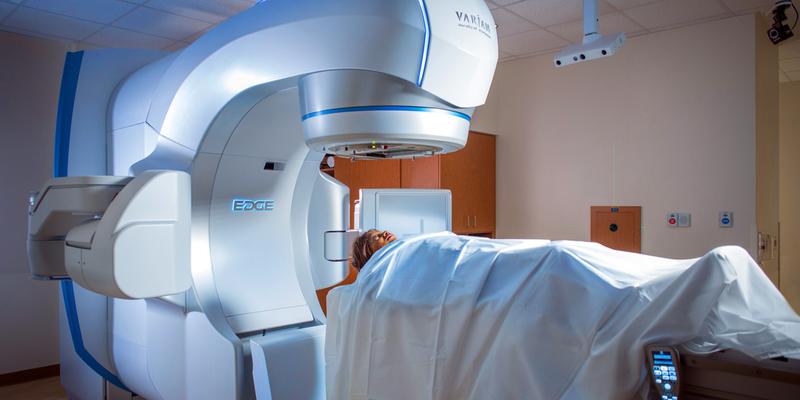
Introduction to Stereotactic Radiotherapy
Stereotactic Radiotherapy (SRT) is an advanced, highly precise radiation therapy technique that delivers targeted, high doses of radiation to tumors while minimizing exposure to healthy surrounding tissues. It is widely used for treating tumors that are small, well-defined, or located near critical structures. Unlike traditional radiation therapy, which typically involves multiple low-dose sessions, SRT uses highly focused beams delivered in one or a few sessions with sub-millimeter accuracy.
SRT uses advanced imaging technologies — such as CT, MRI, or PET scans — combined with computer-assisted planning to pinpoint the exact location of the tumor. It is commonly used for brain tumors, spinal lesions, lung tumors, liver tumors, and certain metastatic cancers. The technique includes variations such as Stereotactic Radiosurgery (SRS), Stereotactic Body Radiotherapy (SBRT), and Fractionated SRT, depending on tumor size, location, and clinical indication.
Stereotactic Radiotherapy has transformed cancer care by providing non-invasive, outpatient-based treatment with minimal recovery time, excellent tumor control rates, and fewer side effects compared to traditional radiation therapy or surgery.
Causes and Risk of Stereotactic Radiotherapy
Here "causes" refers to why a patient might need stereotactic radiotherapy - the underlying diseases and clinical situations. "Risk" covers both which patients are likely to be offered SRT and the treatment-related risks.
2.1 Why patients may need stereotactic radiotherapy
Common indications include:
-
Primary cancers
-
Early-stage non-small cell lung cancer (NSCLC) in medically inoperable patients or those refusing surgery.
-
Localised prostate, kidney and liver cancers, often as an alternative to surgery or conventional radiotherapy.
-
-
Metastatic and oligometastatic disease
-
Limited number of metastases in lung, liver, adrenal gland, lymph nodes or bone (spine, pelvis, ribs).
-
Oligoprogression - a small number of growing metastases while the rest of the disease is controlled on systemic therapy.
-
-
Central Nervous System
-
Brain metastases (single or multiple), brain arteriovenous malformations, benign tumours such as vestibular schwannoma or meningioma, and some functional conditions (e.g. trigeminal neuralgia).
-
-
Spinal metastases
-
Painful or unstable spinal lesions, or tumours near the spinal cord where high precision is essential to avoid neurological damage.
-
2.2 Who is more likely to be offered stereotactic radiotherapy?
SRT is typically considered when:
-
The tumour is relatively small and well defined, often <5 cm for many sites (with some variation by location and guideline).
-
Critical organs can be kept within safe dose limits using stereotactic planning constraints.
-
The patient has good performance status, but may have comorbidities that make surgery high risk.
-
Prior treatments have failed or cannot be repeated (e.g. re-irradiation using SRT for a small recurrent lesion).
2.3 Risks associated with stereotactic radiotherapy
Although SRT is precisely targeted, the high dose per fraction means there is potential for serious toxicity if dose constraints or technique are suboptimal:
-
Radiation necrosis in the brain after SRS/SRT - a delayed injury where brain tissue in the high-dose region becomes scarred and swollen. Reported rates vary but are often in the range of 5-25%, depending on dose, volume and definition.
-
Spinal cord myelopathy if cord dose constraints are exceeded in spine SBRT.
-
Lung, liver, bowel or chest wall toxicity when treating body lesions, especially large or central tumours.
Careful patient selection, strict adherence to modern organ-at-risk dose constraints and quality-assured planning workflows are essential to keep these risks acceptably low.
Symptoms and Signs of Stereotactic Radiotherapy
Strictly, patients have symptoms from their underlying disease (cancer, metastases, AVM, etc.), and then treatment-related symptoms during and after SRT.
3.1 Before treatment - typical disease symptoms
Depending on where the lesion is, patients may experience:
-
Brain lesions - headaches, seizures, weakness, speech or vision problems, cognitive changes.
-
Spine lesions - back or neck pain, nerve pain radiating into arms/legs, weakness, numbness or risk of paralysis.
-
Lung lesions - cough, shortness of breath, chest pain, coughing up blood, or may be asymptomatic and found on imaging.
-
Liver / abdominal lesions - abdominal discomfort, fullness, sometimes no symptoms and discovered incidentally.
These symptoms often drive imaging and diagnosis, leading to discussion of SRT as a local treatment option.
3.2 During and soon after stereotactic radiotherapy
SRT is usually delivered in one to ten brief sessions, often as an outpatient. During and in the weeks after treatment, patients may notice:
-
Fatigue - the most common short-term side effect across sites.
-
Mild skin changes or hair loss in the treated area (e.g. small patch of alopecia on scalp after cranial SRS).
-
Transient swelling or inflammation in or around the target, which can temporarily worsen symptoms:
-
Headaches, nausea or short-term neurological changes for brain treatments
-
Increased pain or cough for lung or bone lesions
-
Abdominal discomfort for liver or abdominal SRT
-
Most of these acute effects are manageable with medication and resolve over days to weeks.
3.3 Longer-term treatment-related symptoms
Months after SRT, some patients may develop late effects depending on the site:
-
Persistent or new neurological symptoms if radionecrosis or tumour progression occurs in the brain.
-
Chronic cough, shortness of breath or chest wall pain after lung SBRT, especially for large or central lesions.
-
Bowel or bladder changes, rare but possible when treating pelvic lesions.
Understanding which symptoms are expected versus concerning helps patients know when to contact their care team.
Diagnosis of Stereotactic Radiotherapy (Patient Selection and Planning)
We don't "diagnose" SRT itself - we diagnose the underlying disease, then determine whether SRT is appropriate and safe. This involves three components:
4.1 Confirming the underlying diagnosis
-
Imaging - high-quality CT, MRI and sometimes PET-CT to confirm the presence, size and location of the tumour or lesion.
-
Biopsy - tissue diagnosis for most cancers (lung, liver, bone, etc.) unless unsafe or clearly typical radiologically.
-
Staging - scans and tests to determine whether the disease is localised, locally advanced or metastatic, which influences the role of SRT.
4.2 Determining suitability for SRT
Multidisciplinary teams (radiation oncologists, surgeons, medical oncologists, radiologists, physicists) review:
-
Tumour size, shape and location
-
Distance to critical structures (brainstem, optic nerves, spinal cord, bowel, major airways or vessels)
-
Previous radiation to the same area
-
Patient's overall health and life expectancy
Guidelines for lung, spine, liver and brain SRT give evidence-based criteria for which patients are best served by SRT versus surgery, conventional radiotherapy or systemic therapy alone.
4.3 Stereotactic planning and simulation
If SRT is chosen:
-
A dedicated planning CT scan is performed, often with 4D-CT for lung/liver to account for breathing motion, and sometimes fused with MRI or PET for more accurate target definition.
-
Immobilisation devices (thermoplastic masks for brain, vacuum cushions or body frames for trunk) are used to keep the patient still and reproducible.
-
The radiation oncologist outlines the target and organs at risk; physicists design a plan that meets dose-volume constraints for tumour control and normal-tissue safety.
-
Image guidance (cone-beam CT or similar) at each treatment ensures that the tumour is in the correct position before dose delivery.
This planning process is what distinguishes stereotactic radiotherapy from simpler, less precise forms of radiation.
Treatment Options of Stereotactic Radiotherapy
Here you can explain SRT within the full menu of local treatments, and the main technical variations.
5.1 SRT vs conventional radiotherapy vs surgery
-
Conventional radiotherapy (cRT)
-
Lower dose per fraction, more fractions (e.g. 25-35 sessions).
-
Covers larger areas, suitable for bigger or more diffuse tumours.
-
Often used when stereotactic constraints cannot be met.
-
-
Stereotactic radiotherapy (SRS / SBRT)
-
Very high dose per fraction in 1-10 sessions.
-
Very tight margins around the target with steep dose fall-off.
-
Excellent local control for small, well-defined lesions with generally preserved quality of life in many sites such as lung, kidney, bone and brain.
-
-
Surgery
-
May provide immediate removal and full pathology.
-
Involves anaesthesia, hospital stay and operative risks.
-
SRT is often used when surgery is high-risk or declined, or as a complement to surgery.
-
5.2 Technical forms of stereotactic radiotherapy
Different technologies can deliver SRT:
-
Gamma Knife® and other dedicated SRS systems for intracranial targets, using multiple cobalt sources.
-
Linear accelerator (LINAC)-based SRT/SBRT, now widely available, using multileaf collimators and image guidance for both brain and body lesions.
-
Robotic systems (e.g., CyberKnife®) offering frameless real-time tracking and the ability to adjust beams for moving targets such as lung or liver.
All of these are simply different tools to deliver the same stereotactic principle; what matters most is appropriate planning, expertise and quality assurance.
5.3 Fractionation schedules
Common patterns include:
-
Single-fraction SRS - often used for small brain metastases or AVMs.
-
Hypofractionated SRT (e.g. 3-5 fractions) - frequently used for brain, spine and many SBRT indications.
-
Oligofractionated SBRT (e.g. 5-10 fractions) when tumours are larger, near critical organs, or when normal-tissue tolerance is a concern.
Dose and fractionation are chosen based on tumour type, location, size and proximity to organs at risk, guided by evolving clinical evidence and normal-tissue tolerance data.
Prevention and Management of Stereotactic Radiotherapy
This section is about preventing side effects and optimising outcomes before, during and after SRT.
6.1 Before treatment - preparation and prevention
-
Optimising general health - controlling blood pressure, diabetes, lung or heart disease improves tolerance and recovery.
-
Smoking cessation, especially for lung SBRT, reduces risk of pulmonary complications and improves overall prognosis.
-
Medication review - managing anticoagulants, antiplatelets or immunosuppressants safely.
-
Careful dose planning and peer review - modern guidelines emphasise multidisciplinary review and planning quality assurance as key strategies to prevent toxicity.
6.2 During treatment - managing acute effects
-
Fatigue management - pacing activities, gentle exercise, sleep hygiene.
-
Symptom-specific support:
-
Headache, nausea or steroid use after brain SRT
-
Cough suppressants, inhalers or pain medicines for lung or chest wall discomfort
-
Antidiarrheals or antiemetics when treating abdominal/pelvic sites
-
Patients are usually seen regularly during treatment so the team can rapidly address new symptoms and adjust medications as needed.
6.3 After treatment - surveillance and late-effect prevention
-
Scheduled follow-up imaging (MRI/CT/PET) to assess tumour response and differentiate between recurrence and treatment effects such as radionecrosis.
-
Monitoring for late toxicity - neurological deficits, chronic pain, lung or liver dysfunction, bowel symptoms.
-
Encouraging long-term healthy lifestyle (nutrition, exercise, avoiding smoking and excessive alcohol) to support organ function and reduce overall cancer risk.
Complications of Stereotactic Radiotherapy
Although SRT is generally safe and less toxic than many alternatives, it has a characteristic pattern of acute and late complications.
7.1 Acute complications
Typically occur during or within a few weeks after treatment:
-
Fatigue, transient headaches, mild nausea
-
Localized skin reactions or small patches of hair loss at entry/exit fields for cranial SRS
-
Temporary worsening of pre-existing neurological or pain symptoms due to radiation-induced swelling (often managed with short-course steroids).
Serious acute events are uncommon but can include seizures, acute neurological decline, significant lung inflammation (radiation pneumonitis) or liver dysfunction when large or sensitive regions are irradiated.
7.2 Late complications
Develop months to years later and depend strongly on site and dose:
-
Radiation necrosis of the brain
-
Major dose-limiting toxicity in brain SRT/SRS.
-
Presents with headaches, seizures or focal deficits, and can mimic tumour recurrence on imaging.
-
Reported rates vary (~5-25%), influenced by dose, target volume and definition.
-
-
Spinal cord injury (myelopathy)
-
Rare but serious; causes weakness, sensory loss or paralysis below the level of injury.
-
Strict adherence to spinal cord dose constraints and careful fractionation have kept this risk very low in modern spine SBRT series.
-
-
Lung, chest wall and rib toxicity
-
Chronic cough, shortness of breath, radiation pneumonitis/fibrosis, or chest wall pain and rib fractures, especially after high-dose lung SBRT to peripheral or chest-wall-touching lesions.
-
-
Liver and gastrointestinal toxicity
-
When treating liver or abdominal lesions, there is risk of radiation-induced liver disease, gastric/duodenal ulceration or bowel strictures if constraints are exceeded.
-
Management of serious late effects often requires a combination of medications (steroids, anti-epileptics, pain control), advanced imaging, sometimes surgery, hyperbaric oxygen or newer systemic agents (for example, bevacizumab has been studied for symptomatic brain radionecrosis).
Living with the Condition of Stereotactic Radiotherapy
8.1 Recovery and quality of life
One of the main advantages of SRT is its impact on quality of life (QOL):
-
Many studies show that overall QOL is preserved or quickly returns to baseline after SBRT for early-stage lung cancer, kidney lesions, prostate cancer and bone metastases.
-
For patients with multiple brain metastases, SRT can maintain QOL better than whole-brain radiotherapy, with less cognitive decline and better functioning in domains such as mobility, self-care, emotional well-being and fatigue.
Because treatment is short and usually outpatient, many people continue many aspects of their normal routine during SRT, with adjustments for fatigue and appointments.
8.2 Follow-up and survivorship
After SRT, patients typically:
-
Have regular clinical reviews and imaging to monitor tumour control and detect late effects early.
-
May combine SRT with systemic therapies (targeted agents, immunotherapy, hormone therapy) as part of a long-term treatment plan.
-
Need education about which symptoms require urgent attention (new severe headache, seizures, sudden weakness, significant breathlessness, high fevers).
For many, SRT allows them to control local disease with minimal disruption, especially in oligometastatic settings where the goal is to prolong survival and maintain independence.
8.3 Emotional and practical considerations
Living with cancer or other serious conditions treated by SRT involves:
-
Managing the emotional impact of repeated scans, uncertainty about recurrence and the stress of advanced therapies.
-
Balancing treatment schedules with work, family and financial responsibilities.
-
Seeking support from counsellors, support groups or psycho-oncology services, which has been shown to improve coping and overall well-being in many cancers.
With good information, realistic expectations and ongoing support, most patients find that stereotactic radiotherapy fits well into a comprehensive treatment pathway, offering strong local control with a relatively light day-to-day treatment burden and generally preserved quality of life.
Top 10 Frequently Asked Questions about Stereotactic Radiotherapy
1. What is stereotactic radiotherapy?
Stereotactic radiotherapy (SRT) is an advanced form of external-beam radiation that delivers highly focused, high-dose radiation to a very small, precisely defined area in the body (usually a tumor or abnormal tissue). Multiple narrow beams of radiation are aimed from many angles so they all meet at the target, giving it a powerful dose while minimizing exposure to the surrounding healthy tissue.
When this technique is used for a single or very few high-dose sessions, it is often called stereotactic radiosurgery (SRS) (typically for brain lesions). When used on body sites over 1-5 sessions, it is usually called stereotactic body radiotherapy (SBRT) or **stereotactic ablative radiotherapy (SABR).
2. How is stereotactic radiotherapy different from conventional radiotherapy?
Conventional radiotherapy usually treats a larger area with lower doses per session, spread over many treatments (often 20-30 or more). Stereotactic radiotherapy, in contrast:
-
Targets a very small, well-defined area using 3-D imaging and sophisticated planning.
-
Delivers very high doses per session, typically over 1-5 treatments.
-
Uses precise patient immobilization and image guidance so accuracy is often within 1-2 millimetres.
SRS and SRT use the same basic technology; the main difference is how many sessions are given and the total dose. SRS is usually a single large dose (often to brain targets), whereas SRT/SBRT uses several high-dose fractions over a few days.
3. What conditions can be treated with stereotactic radiotherapy?
Stereotactic radiotherapy is used to treat both cancerous and some non-cancerous conditions, including:
-
Brain conditions: brain metastases, small primary brain tumors (e.g., meningioma), pituitary tumors, acoustic neuromas, and vascular malformations such as AVMs; also some functional disorders like trigeminal neuralgia (usually with SRS).
-
Lung cancer: particularly medically inoperable early-stage non-small cell lung cancer (NSCLC), where SBRT has become a standard curative option.
-
Other body tumors: selected tumors in the liver, spine, prostate, pancreas, adrenal glands, and other sites, especially when surgery is risky or not possible, or for limited ("oligometastatic") disease.
Your radiation oncologist recommends SRT only when the tumor is small, clearly visible on imaging, and safely treatable with focused high-dose radiation.
4. Who is a suitable candidate for stereotactic radiotherapy?
You may be considered for SRT if:
-
You have one or a small number of small tumors (typically up to 3-5, depending on site and policy).
-
The lesion is well-defined on CT/MRI/PET and can be accurately targeted.
-
The tumor is in a location where high-dose radiation can be delivered without exceeding the tolerance of nearby vital organs (spinal cord, bowel, major vessels, etc.).
-
You are medically unfit for surgery or prefer a non-invasive option, or you need treatment in an area that has already received standard radiation and cannot safely be re-irradiated with conventional techniques.
Doctors also consider your overall health, performance status, other illnesses, and life expectancy before recommending this highly focused treatment.
5. How is stereotactic radiotherapy planned and delivered?
The process is very structured:
-
Planning scan - A special planning CT scan (often combined with MRI or PET) is performed with you in a customized position using masks, cushions, or body frames to keep you very still.
-
Target definition - The radiation team (oncologist and physicist) outline the tumor and nearby organs at risk on the images.
-
Dose planning - Computer software designs a plan using multiple beams or rotating arcs so the highest dose is concentrated in the tumor and the surrounding normal tissue gets as little dose as possible.
-
Image-guided setup - Just before each treatment, imaging (such as cone-beam CT) is done on the treatment machine to confirm that the tumor position matches the plan and correct for any small shifts.
-
Treatment delivery - The machine rotates around you, delivering radiation from many angles. You won't see or feel the radiation itself.
All of this precision is what allows SRT to deliver high doses safely.
6. What happens during a typical stereotactic radiotherapy session?
On treatment days:
-
You'll lie on the treatment couch in the same position as during planning, often using the same mask or immobilization device.
-
Radiographers/technologists will position you and then leave the room, but they watch you on cameras and can talk to you via intercom.
-
A brief verification scan is taken to confirm alignment.
-
The treatment machine then moves around you; you may hear buzzing or clicking, but the treatment is painless.
-
A session usually lasts 30-60 minutes, although the actual radiation time is only part of that. Most SRT treatments are outpatient, and you can go home the same day.
You must lie as still as possible, but if you feel uncomfortable or anxious, you can tell the staff—treatments can be paused if needed.
7. What are the benefits of stereotactic radiotherapy?
Key potential benefits include:
-
Non-invasive alternative to surgery - no incisions, no general anesthesia in most cases.
-
High local control rates - SRT can destroy or control many small tumors with local control rates often above 80-90% in selected settings such as early-stage lung cancer.
-
Shorter overall treatment time - typically 1-5 sessions instead of weeks of daily radiotherapy.
-
Better preservation of normal tissue - the sharp dose fall-off helps reduce radiation exposure to nearby organs and may allow treatment of sites that were previously difficult to irradiate safely.
For some patients, SRT offers curative treatment, for others it provides excellent palliation, pain relief, or durable local control as part of a broader cancer management plan.
8. What side effects or risks should I be aware of?
Side effects depend on where in the body is treated, but common short-term effects can include:
-
Fatigue in the days to weeks after treatment.
-
Mild skin changes (redness, itchiness) in the treated area if near the skin.
-
Temporary swelling or inflammation of tissues around the tumor, which may briefly worsen symptoms (e.g., swelling in brain or lung).
Organ-specific side effects are possible, for example:
-
Lung SRT - cough, shortness of breath, or radiation pneumonitis in a minority of patients.
-
Spine SRT - temporary swallowing discomfort or oesophagitis when treating near the oesophagus.
-
Abdominal SRT - nausea, vomiting, or bowel discomfort when treating liver, pancreas, or bowel-adjacent lesions.
Late or rare risks include radiation necrosis (especially in brain), scarring or strictures, fractures near treated bones, or damage to nearby nerves or organs if their dose limits are exceeded. Serious complications are uncommon when SRT is carefully planned and delivered in experienced centres.
9. How effective is stereotactic radiotherapy - will it cure my cancer?
Effectiveness depends on cancer type, size, location, and overall disease stage:
-
In medically inoperable early-stage lung cancer, SBRT can achieve local control rates over 90%, comparable to surgery in many series.
-
In spinal metastases, SBRT provides excellent pain relief and local control and is now an evidence-based standard in many guidelines.
-
For brain metastases, stereotactic radiosurgery/radiotherapy can control treated lesions in a high proportion of patients and often delays or avoids whole-brain radiotherapy.
However, SRT usually treats only the visible target, not the whole body. If your cancer has spread elsewhere, you will often need systemic treatments (chemotherapy, targeted therapy, immunotherapy, hormonal therapy) as well. Your oncologist will explain whether SRT in your case is aimed at cure, long-term control, or symptom relief.
10. What should I ask my doctor before undergoing stereotactic radiotherapy?
Before you decide, it's helpful to ask your radiation oncologist:
-
Why are you recommending stereotactic radiotherapy for me? What is the goal—cure, control, or palliation?
-
What alternatives do I have (surgery, conventional radiotherapy, systemic therapy, or observation), and how do they compare?
-
What are my chances of local control and overall benefit with SRT in my specific situation?
-
What short- and long-term side effects should I expect, and how will they be managed?
-
How many sessions will I need, and how long will each visit take?
-
Are there any special preparations (fasting, stopping certain medicines, dealing with pacemakers/implants, pregnancy precautions)?
-
How will SRT fit into my overall treatment plan with my other doctors?
Clear answers help patients and families make an informed, confident decision and prepare for treatment and follow-up.