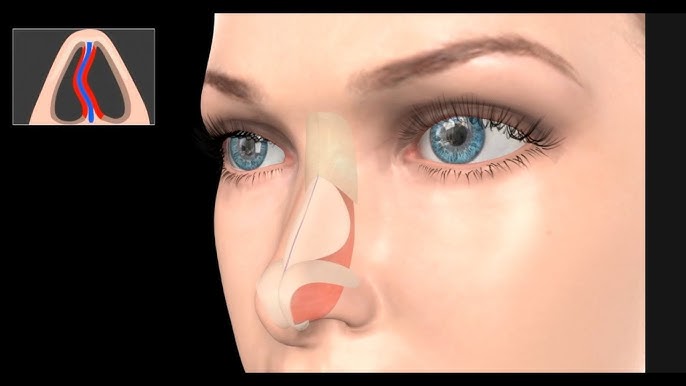
Introduction to Submucous Resection - SMR
Submucous resection (SMR) is a surgical technique used mainly to treat chronic nasal obstruction caused by structural problems inside the nose - most commonly a deviated nasal septum and/or inferior turbinate hypertrophy. In SMR, the surgeon removes or reshapes the bony and cartilaginous structures underneath the nasal lining (mucosa) while preserving as much of that lining as possible. This helps enlarge the nasal airway and improve breathing without excessively damaging the delicate mucosa.
Historically, classic septal SMR described by Freer and Killian in the early 1900s was the first major advance for correcting a deviated septum and forms the foundation of modern septoplasty. Over time, ENT surgeons have moved towards more conservative, functional septoplasty techniques, but the basic principle of submucous resection - lifting the mucosa, correcting or removing the underlying deviated cartilage and bone, and then repositioning the lining - still underpins many current approaches.
Similarly, submucous resection of the inferior turbinates (submucosal turbinoplasty) is a widely used procedure for chronic turbinate hypertrophy. The surgeon makes a small incision in the turbinate, elevates the mucosa and removes a portion of the underlying bone and submucosal tissue, leaving a thin but intact mucosal layer. This expands the nasal airway while aiming to preserve normal turbinate function (humidifying, filtering and warming inspired air).
Today, SMR (often combined with septoplasty and/or other sinus procedures) is performed using modern instruments, endoscopes and more refined techniques, with the goal of improving breathing, sleep quality and overall quality of life while minimising complications such as crusting, bleeding or long-term dryness.
Causes and Risk of Submucous Resection - SMR
In this context, "causes" means reasons why a patient may need SMR, and "risk" covers both who is likely to be offered the procedure and the risks associated with it.
Why patients may need SMR
Most people undergoing SMR have persistent nasal blockage due to structural problems that do not respond adequately to medicines such as nasal steroid sprays, antihistamines or decongestants. Common underlying issues include:
-
Deviated nasal septum
The septum is the wall separating the two sides of the nasal cavity. If it is bent, twisted or displaced (from birth, growth patterns or injury), it can narrow one or both passages and impair airflow. When this causes chronic obstruction, headaches, snoring or recurrent sinus problems, surgical correction (septoplasty/SMR) may be recommended. -
Inferior turbinate hypertrophy
The inferior turbinates are bony structures covered by mucosa that warm and humidify inhaled air. Chronic allergies, irritant exposure, rhinitis or compensatory changes from a deviated septum can make them permanently enlarged, leading to blockage and congestion. Submucous resection of the inferior turbinates aims to reduce this bulk while preserving function. -
Combined problems
In practice, many patients have a deviated septum plus turbinate hypertrophy, so SMR of the septum is often combined with submucous resection or reduction of the inferior turbinates during the same operation.
Who is likely to be offered SMR?
SMR is more likely to be recommended when:
-
Nasal obstruction is chronic, bothersome and affecting sleep, work or daily life.
-
Medical therapy (nasal steroid spray, allergy control, saline irrigation) has been tried for an adequate period and found insufficient.
-
There is clear structural deviation or turbinate hypertrophy on examination and imaging that correlates with symptoms.
-
The patient is fit for anaesthesia and understands the risks, benefits and alternatives (such as continued medical therapy or less invasive turbinate procedures).
Risks associated with SMR
Like any nasal surgery, SMR has potential risks. These include:
-
Bleeding (epistaxis) - particularly in the early postoperative period.
-
Infection, though less common with proper technique and postoperative care.
-
Crusting and dryness, especially if mucosa is damaged or removed extensively.
-
Adhesions (synechiae) - scar tissue that can form between the septum and turbinate.
-
Persistence or recurrence of symptoms if other factors (allergy, chronic rhinosinusitis) are not adequately addressed, or if structural changes recur.
-
In extreme, overly aggressive turbinate surgery, there is a risk of atrophic rhinitis or "empty nose syndrome", a permanent functional disorder characterised by paradoxical nasal obstruction, dryness and impaired airflow sensation. This is rare but serious, so modern SMR techniques emphasise mucosal preservation and conservative tissue removal.
These risks are discussed thoroughly with patients during pre-operative counselling so they can weigh SMR against other options.
Symptoms and Signs of Submucous Resection - SMR
Here we describe both:
-
Symptoms from the underlying nasal problem that leads to SMR.
-
Typical postoperative experiences after SMR.
Before surgery - symptoms that lead to SMR
Patients who are candidates for SMR usually report some combination of:
-
Chronic nasal obstruction - feeling "blocked" on one or both sides, often worse at night or when lying down.
-
Mouth breathing, snoring, disturbed sleep or feeling unrefreshed in the morning.
-
Recurrent or persistent sinus infections, facial pressure or headaches, especially if sinus drainage pathways are compromised.
-
Nasal congestion and stuffiness not adequately relieved by sprays or tablets.
-
Reduced sense of smell in some cases.
On examination, the ENT surgeon may see:
-
A clearly deviated or crooked septum, sometimes with spurs or ridges.
-
Enlarged, congested inferior turbinates, which may shrink temporarily with decongestant drops but then swell again.
-
Signs of allergy or chronic rhinosinusitis such as pale or swollen mucosa, polyps or discharge.
After surgery - expected postoperative signs and sensations
Following SMR (septal and/or turbinate):
-
It is normal to experience nasal stuffiness and obstruction initially due to swelling, internal splints or dressings.
-
There may be some bloody discharge or blood-stained mucus for several days.
-
Mild to moderate facial discomfort or pressure is common and usually managed with simple pain relief.
-
Patients often describe improving airflow over several weeks as swelling subsides and internal healing progresses.
Patients are instructed to report heavy bleeding, high fever, severe pain, visual changes or clear watery fluid from the nose, which may indicate complications and require urgent review.
Diagnosis of Submucous Resection - SMR
Strictly speaking, we diagnose the nasal condition (such as deviated septum or turbinate hypertrophy), then decide whether SMR is the most suitable surgical option.
Clinical assessment
A thorough ENT evaluation includes:
-
Detailed history - duration of nasal obstruction, side-to-side variation, snoring, sleep quality, allergy symptoms, sinus infections, prior nasal trauma or surgery, response to medical treatment.
-
Anterior rhinoscopy and nasal endoscopy - visualising the septum, turbinates and nasal cavity with a headlight or rigid/flexible endoscope. This allows the surgeon to see the site and degree of septal deviation, turbinate size, mucosal health, polyps or other lesions.
Imaging
-
CT scan of the sinuses is often used in patients with chronic rhinosinusitis or complex anatomy. It shows septal deviation, turbinate hypertrophy, sinus disease and relationship to other structures (e.g. orbit, skull base).
Determining the need for SMR
Based on symptoms, endoscopy and imaging, the ENT team decides:
-
Whether medical therapy should be optimised further (e.g. allergy management, nasal steroids, saline irrigation).
-
Whether surgical correction is indicated, and if so, which approach is most appropriate:
-
Classic SMR of the septum
-
Functional septoplasty (with submucous removal of deviated segments)
-
Submucous resection / turbinoplasty of the inferior turbinates
-
Combination procedures, sometimes along with functional endoscopic sinus surgery (FESS).
-
Patient expectations, comorbidities and previous surgeries are also considered before recommending SMR.
Treatment Options of Submucous Resection - SMR
This section explains where SMR fits among all options for managing nasal obstruction.
Non-surgical (medical) treatments
Before surgery is considered, most patients will have tried:
-
Intranasal corticosteroid sprays to reduce inflammation and swelling.
-
Oral or intranasal antihistamines for allergy-driven symptoms.
-
Saline irrigations or sprays to clear mucus and allergens.
-
Short courses of decongestant drops or tablets (used cautiously to avoid rebound congestion).
These may be sufficient in mild cases or when structural issues are minor.
Surgical options
When structural problems dominate or medical therapy fails, surgery is considered:
-
Septoplasty / Submucous Septal Resection (SMR)
-
The surgeon raises mucoperichondrial and mucoperiosteal flaps on one or both sides of the septum, resects or reshapes the deviated cartilage and bone, and repositions the mucosal flaps.
-
Modern practice emphasises preservation of support (dorsal and caudal struts) to maintain external nasal shape and function.
-
-
Submucous Inferior Turbinate Resection / Turbinoplasty
-
Via a small incision at the front of the inferior turbinate, the mucosa is lifted from the underlying bone, and a microdebrider or other tools remove submucosal tissue and portions of the bony turbinate, leaving a thin mucosal sleeve.
-
Outfracture (gently repositioning the turbinate laterally) may be combined to further widen the airway.
-
-
Other turbinate procedures
-
Radiofrequency ablation, coblation, laser reduction, partial turbinectomy and other techniques are alternatives or adjuncts. Each has its balance of effectiveness, recovery time and risk of dryness or crusting.
-
SMR often forms part of a comprehensive functional nasal surgery, tailored to the individual's anatomy, symptoms and goals.
Prevention and Management of Submucous Resection - SMR
This heading covers both preventing the need for surgery where possible and optimising results and minimising complications in patients undergoing SMR.
Preventing progression and optimising before surgery
Not all structural nasal issues can be "prevented" - some are congenital or post-traumatic - but symptom burden can often be reduced by:
-
Controlling allergies and rhinitis (avoiding triggers, using appropriate medications).
-
Avoiding chronic overuse of topical decongestant drops, which can cause rebound congestion (rhinitis medicamentosa).
-
Avoiding smoking and irritant exposure, which can worsen mucosal swelling and sinus disease.
Before surgery, doctors aim to:
-
Optimise medical treatment so that any remaining symptoms are more clearly due to structural problems.
-
Ensure comorbidities (e.g. blood pressure, diabetes) are well controlled to reduce anaesthetic and healing risks.
Peri-operative and postoperative management
Good management around the time of SMR reduces complications:
-
Meticulous surgical technique focused on mucosal preservation, careful haemostasis and appropriate correction rather than over-resection.
-
Use of internal splints or soft packing in selected cases to support the septum and reduce bleeding.
-
Postoperative care typically includes:
-
Saline sprays or irrigations to keep nasal passages moist and reduce crusts.
-
Short-term pain relief and, sometimes, antibiotics as per surgeon preference.
-
Avoiding nose blowing, strenuous exercise, heavy lifting and nose trauma for the first couple of weeks.
-
Regular follow-up allows early detection and treatment of adhesions, persistent crusting or infection.
Complications of Submucous Resection - SMR
Most people do well after SMR, but awareness of possible complications is important for informed consent and early recognition.
Early (short-term) complications
-
Bleeding - mild oozing is common; heavy bleeding may require repacking or rarely return to theatre.
-
Infection - local infection or sinusitis may occur, usually managed with antibiotics and nasal care.
-
Crusting and pain - often improve with saline irrigation and time; excessive crusting can reflect mucosal trauma.
-
Adhesions (synechiae) between septum and turbinate, which can re-narrow the airway and sometimes need minor office or surgical correction.
Late (long-term) complications
-
Persistent obstruction - due to residual deviation, turbinate regrowth, unaddressed allergy or sinus disease. Many studies show good long-term improvement in nasal airflow after well-performed septoplasty with SMR, but a proportion of patients may report incomplete relief and occasionally require revision surgery.
-
Septal perforation - a hole in the septum, usually from opposing mucosal tears that fail to heal. Small perforations may be asymptomatic; larger ones can cause whistling, crusting or bleeding.
-
Change in external nasal shape - rare when support is preserved, but over-resection of septal cartilage can cause saddle nose deformity or tip changes. Modern functional septoplasty has greatly reduced this risk.
-
Atrophic rhinitis / Empty Nose Syndrome (ENS) - uncommon, but can occur if inferior turbinates are excessively removed or mucosa is destroyed. Patients may feel paradoxically "blocked" despite a wide nasal cavity, with dryness, crusting and impaired airflow sensation. This is why current guidelines stress conservative, mucosa-sparing turbinate SMR techniques.
Overall, large series suggest that septoplasty with submucous inferior turbinate resection has a low serious complication rate and significantly improves nasal obstruction and quality of life for most patients when performed with proper indication and technique.
Living with the Condition of Submucous Resection - SMR
Recovery and early postoperative period
Most SMR procedures are done as day-case or short-stay surgeries:
-
Patients often return to light activities and desk-based work within a few days to a week, depending on their job and individual recovery.
-
Nasal breathing may initially feel worse due to swelling, crusts and splints, then gradually improves over 2-6 weeks.
-
Regular saline irrigation, humidification and gentle care of the nose are key to a comfortable recovery.
Long-term quality of life
Successful SMR can bring substantial long-term benefits:
-
Easier nasal breathing, especially at night.
-
Reduced snoring and improved sleep quality in many patients (though snoring may have other causes too).
-
Fewer sinus infections and less reliance on decongestant sprays.
-
Better tolerance for exercise and daily activities due to improved airflow.
Studies of septoplasty with inferior turbinate SMR report significant improvement in nasal obstruction scores and patient-reported quality-of-life measures in the majority of individuals, provided medical conditions such as allergy are also properly managed.
Ongoing care and lifestyle
After SMR, long-term nasal health is supported by:
-
Continuing allergy treatment if needed (to avoid recurrent swelling).
-
Avoiding smoking and irritant exposure.
-
Maintaining good nasal hygiene with occasional saline rinses, especially in dry climates or during infections.
Patients are encouraged to keep follow-up appointments, particularly if symptoms recur, so any structural or mucosal issues can be assessed early and managed appropriately.
Top 10 Frequently Asked Questions about Submucous Resection (SMR)
1. What is Submucous Resection (SMR) of the nasal septum?
Submucous Resection (SMR) is a surgical procedure performed to correct a deviated nasal septum that is causing significant nasal blockage or related symptoms. In SMR, the surgeon works under the lining (mucosa) of the nose to remove or reshape excess cartilage and bone from the septum while preserving as much of the mucosal covering as possible. This creates a straighter, more open nasal passage, improving airflow and reducing congestion. SMR is an older, more aggressive technique than modern septoplasty but is still used in selected cases where the deviation is severe or complex.
2. When is SMR recommended?
SMR is usually recommended when a deviated nasal septum (DNS) causes persistent problems such as chronic nasal obstruction, mouth breathing, snoring, recurrent sinus infections, headaches, or a feeling of nasal blockage that does not respond to medicines like nasal sprays or antihistamines. It is typically considered for patients with a marked, structural deviation of the septum that significantly narrows the airway or obstructs ventilation. SMR may also be advised when septal deviation interferes with other nasal or sinus surgeries. Surgery is generally avoided in children and adolescents below a certain age (often around 16-17 years) unless absolutely necessary, because the septum contributes to facial growth.
3. How is the SMR operation performed?
SMR is done under local or general anesthesia, depending on the patient and surgeon preference. A small incision is made inside the nose on one side of the septum, and the mucoperichondrial and mucoperiosteal flaps (the thin lining over cartilage and bone) are gently lifted. The surgeon then removes or reshapes the deviated parts of cartilage and bony septum while leaving enough support to maintain the shape of the nose. Once the septum is straightened, the flaps are laid back in place, and the incision is closed, often with absorbable sutures. Nasal packing or internal splints may be placed to support the septum and reduce bleeding for a short period after surgery.
4. What is the difference between SMR and septoplasty?
Both SMR and septoplasty aim to straighten a deviated septum and improve nasal airflow, but the surgical philosophy is different. SMR is a resection-heavy procedure, traditionally involving removal of larger portions of cartilage and bone, whereas modern septoplasty is tissue-sparing, removing only the parts that are necessary and preserving as much structural support as possible. Because of this, septoplasty is associated with lower complication rates such as septal perforation and saddle nose, and has largely replaced traditional SMR in many centers, although SMR is still used where severe deviations demand more extensive correction.
5. What are the possible complications of SMR?
Most patients undergo SMR without major issues, but like any surgery it has potential complications. Common or early complications include bleeding (epistaxis), septal hematoma (blood collecting under the mucosa), infection, crusting, and temporary nasal blockage. Longer-term problems can include septal perforation (a hole in the septum), persistent deviation or inadequate correction, changes in nasal shape such as saddle nose or tip droop, and nasal adhesions (synechiae) between the septum and lateral wall, which can again narrow the airway. Rare but serious complications such as intracranial problems, meningitis, or cavernous sinus thrombosis have been reported, especially with deep or uncontrolled dissection, underscoring the need for meticulous technique and experienced surgeons.
6. How long does it take to recover after SMR?
Recovery after SMR is gradual. Many patients go home the same day or next day, depending on the extent of surgery and presence of nasal packing. In the first week, there is usually nasal blockage, mild pain or pressure, some blood-stained discharge, and crusting; pain is usually manageable with simple painkillers. Packing or splints, if used, are typically removed after a few days, which improves breathing. Most people can return to light work within about a week, though full healing of the internal tissues and stabilization of the septum can take several weeks to a few months, during which follow-up visits and nasal cleaning/saline washes are important.
7. What kind of results can I expect from SMR?
The main expected result is improved nasal breathing on one or both sides, with reduced congestion and better airflow. Many patients notice less mouth breathing, snoring, and sinus pressure, and a better sense of smell if obstruction was severe beforehand. However, results depend on the severity and cause of the original problem, presence of other nasal conditions (like turbinate hypertrophy or allergies), and proper healing. In some cases, residual deviation, scarring, or new problems (such as adhesions or perforation) may limit the improvement, and rarely, revision surgery may be needed. Overall, in properly selected patients, SMR has been shown to provide good symptom relief with acceptable complication rates when performed with modern principles.
8. Are there situations where SMR should be avoided?
Yes. SMR is generally avoided in very young patients whose facial and nasal growth is not complete, because aggressive resection of septal cartilage can affect future growth and nasal shape. It is also contraindicated in patients with active upper respiratory infections, uncontrolled bleeding disorders, severely uncontrolled hypertension, or poorly managed systemic illnesses such as uncontrolled diabetes, as these increase the risk of bleeding, infection, and poor healing. In milder deviations or patients whose symptoms can be managed with medical therapy (e.g., allergy control, nasal sprays), surgery may not be necessary. Your ENT surgeon will weigh the benefits vs risks and may recommend a more conservative septoplasty approach instead of classical SMR when appropriate.
9. What should I expect immediately after SMR surgery?
Right after SMR, you may have nasal packs or splints in place to support the septum and reduce bleeding, which can make you feel blocked and force you to breathe through your mouth temporarily. Mild to moderate pain, facial pressure, blood-stained discharge, and watery eyes are common in the first 24-72 hours. You will be advised to avoid blowing your nose, strenuous activity, bending, or lifting heavy objects, as these can trigger bleeding. Sleeping with the head elevated, using prescribed painkillers, saline sprays, and following cleaning instructions help reduce discomfort and promote healing. Any heavy bleeding, high fever, severe headache, visual changes, or clear watery nasal discharge should be reported to your surgeon urgently.
10. What questions should I ask my surgeon before having SMR?
Before proceeding with SMR, it is wise to clarify a few key points with your ENT surgeon, such as:
-
Is SMR or septoplasty better suited for my type of deviation, and why are you recommending this specific technique?
-
What level of improvement in nasal breathing can I realistically expect, and are there other factors (allergies, turbinate problems) that might still need treatment?
-
What are the main risks and complication rates in my case, including perforation, external nasal deformity, or need for revision surgery?
-
How long will I need to stay in hospital, will packing be used, and what will recovery and follow-up care involve?
-
Are there any lifestyle or work restrictions after surgery, and when can I safely return to normal activities?
Getting clear answers helps patients and families make an informed decision, set realistic expectations, and prepare properly for the operation and recovery period.