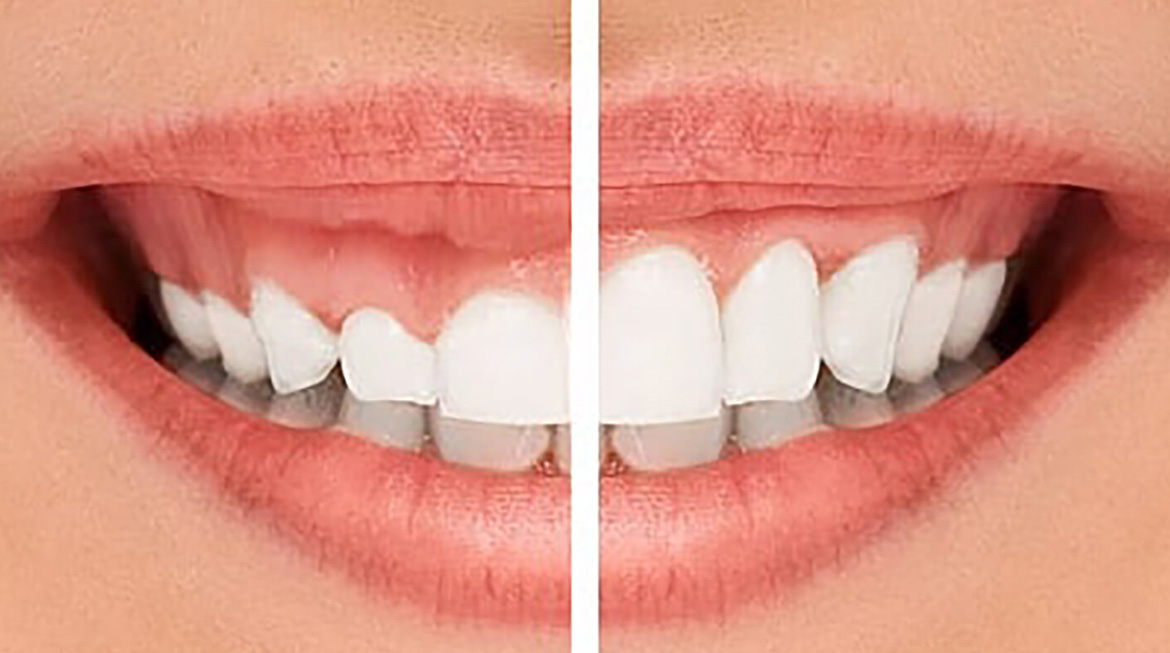
Introduction to Surgery for Gummy Smile / Palate Repair
A "gummy smile" refers to a smile in which an excessive amount of gum tissue shows above the upper teeth when smiling - generally more than what is considered esthetically balanced. In many individuals, this may simply be a cosmetic concern; in some, the underlying cause may include structural or anatomical variations in the gums, teeth, lips, or jaw. Surgery for gummy smile aims to correct these anatomical or soft-tissue issues to harmonize the appearance of the smile.
"Surgery for gummy smile / palate repair" also includes situations where the palate (roof of the mouth) requires surgical correction - for example, when there are congenital defects such as a cleft palate, or when structural problems impact oral function (speech, swallowing, dental alignment) or facial symmetry.
Depending on the cause - whether excessive gum tissue, hyperactive or short upper lip, altered tooth eruption, dentoalveolar overgrowth, vertical maxillary excess, or congenital palate defects - different surgical techniques are used. These may involve soft-tissue surgery, bone recontouring, lip repositioning, gingival contouring, or full palate repair. Over recent years, advances in minimally invasive dental and maxillofacial surgery, precise tissue management, and better understanding of smile aesthetics have made these interventions more effective, predictable and with fewer complications.
The goal of these surgeries is dual: to restore both aesthetic balance of the smile (less gum show, proper teeth-to-gum ratio, harmonious lip-to-teeth dynamic) and - where relevant - functional integrity (normal palate structure, correct separation between oral and nasal cavities, proper speech and chewing).
Causes and Risk of Gummy Smile / Palate Problems (Leading to Surgery)
Understanding what leads to a gummy smile or palate defect is central to deciding the right surgical plan. Common causes and risk factors include:
-
Excess Gum Tissue or Over-growth (Gingival Overgrowth or Altered Passive Eruption): In some people, the gums cover more of the teeth than usual, giving an appearance of short teeth and excessive gum. This may be due to excessive gum tissue, delayed or altered eruption of teeth, or underlying bone configuration.
-
Dentoalveolar Extrusion or Vertical Maxillary Excess (VME): When the upper jaw (maxilla) has over-erupted, or grown excessively in vertical dimension, a large portion of gum and bone may show when smiling. In such cases, simple gum reshaping may not be sufficient.
-
Short or Hyperactive Upper Lip / Hypermobile Lip Muscles: The movement of upper lip during smiling is mediated by certain muscles; when the upper lip is short, overactive, or hypermobile, the lip may ride too high when smiling, exposing an excessive amount of gum.
-
Teeth Size / Shape / Eruption Issues: When teeth are small, worn down, or partially erupted/buried under gum tissue or bone, the gum-to-tooth ratio becomes disproportionate, creating the visual effect of a gummy smile.
-
Jaw and Orthodontic / Skeletal Abnormalities: Misaligned jaws, improper bite, malocclusion, or skeletal discrepancies may contribute to gummy smile; in severe cases, orthodontics alone may not suffice, and orthognathic (jaw) surgery or combined surgical-orthodontic treatment may be needed.
-
Congenital Defects - Palate Problems (e.g. Cleft Palate): Some individuals are born with a split or opening in the roof of the mouth (hard or soft palate). Without repair, this defect can affect breathing, eating, speech, dental development, and facial growth. Palate defects almost always require surgical repair to restore form and function.
-
Growth and Developmental Variations: As facial structures mature or change (during adolescence or adulthood), the balance between teeth, gums, lips and jaw may shift - leading to aesthetic or functional issues that did not exist earlier.
The risk factors - meaning factors that make surgical correction more complex or increase potential complications - include the severity of gum over-growth or jaw deformity, skeletal abnormality (requiring jaw surgery), poor oral hygiene, systemic conditions that affect healing (diabetes, immune compromise), and poor compliance with post-operative care.
Symptoms and Signs of Gummy Smile / Palate Defects
Many individuals with a gummy smile primarily have aesthetic concern - feeling self-conscious about the appearance of their smile, either because too much gum shows, teeth appear short, or the smile's proportions are skewed. Emotional and psychological effects - reduced confidence, social hesitation, reluctance to smile broadly - are common.
In cases with palate defects (cleft palate or other congenital or developmental palate issues), symptoms may include difficulty eating or drinking (liquids escaping through the nose), nasal regurgitation, speech problems (nasal speech, difficulty pronouncing certain sounds), recurrent ear or sinus infections, and dental issues (poor alignment of teeth, missing teeth, malocclusion).
On clinical examination, signs may include:
-
Excessive visibility of gums above teeth when smiling (often more than 3 mm above the incisal edge of anterior teeth).
-
Short-appearing teeth (due to being partially covered by gums), uneven gum line or gum overgrowth.
-
High lip line - upper lip rides high when smiling, exposing excessive gum tissue.
-
Skeletal or anatomical jaw disproportion (upper jaw overgrowth or vertical maxillary excess), or abnormal bite / alignment.
-
In palate defects: a visible cleft or opening in the palate (in infants or children), or in older patients - speech issues, nasal voice, food or liquid regurgitation through nose, recurrent infections, dental misalignment.
These signs form the basis of diagnostic evaluation and guide which corrective surgical (or non-surgical) option is most appropriate.
Diagnosis of Gummy Smile / Palate Problems (Pre-Surgical Evaluation)
Before any surgical intervention, a careful and comprehensive diagnostic work-up is essential to determine the root cause and plan the correct treatment. Key steps include:
-
Clinical Examination of Smile Dynamics: Evaluating the smile line, lip mobility, upper lip length, amount of gum displayed during natural and full smiling, tooth-to-gum ratio, symmetry, and gingival architecture.
-
Dental and Periodontal Assessment: Checking for gum tissue overgrowth, gingival health, bone support, tooth eruption status, tooth length, occlusion, and bite alignment. Measuring how much of the tooth crown is visible at rest and when smiling.
-
Orthodontic / Skeletal / Jaw Analysis: For suspected jaw or skeletal causes (e.g., vertical maxillary excess), orthodontic evaluation, dental X-rays, cephalometric analysis or 3D imaging could assess jaw length, vertical dimension, dental-alveolar height, and bone-to-tooth relationships.
-
Palate / Cleft Evaluation (if present): If a congenital or developmental cleft palate (or sub-mucous cleft) is suspected, detailed assessment of the hard and soft palate, intraoral and nasopharyngeal anatomy, speech assessment, swallowing evaluation and possibly imaging are done to plan palatal repair.
-
Patient Expectation & Aesthetic Assessment: Understanding the patient's concerns, expectations and psychological impact, especially when the gummy smile is primarily an aesthetic problem. Evaluating whether non-surgical or surgical options are feasible, and what long-term maintenance will be needed.
-
Health / Medical / Systemic Assessment: Evaluating the patient's general health, healing capacity, oral hygiene status and risk factors (smoking, systemic disease, medications) that may affect surgical risk or postoperative healing.
Based on this detailed diagnosis, a tailored surgical (or combined) plan is developed - which might involve gum surgery (gingivectomy/crown lengthening), lip repositioning, orthodontics, palate repair, jaw surgery, or a combination.
Treatment Options of Gummy Smile / Palate Repair
Because gummy smile and palate problems can arise from different anatomic or developmental issues, there are several surgical (and non-surgical) options - selection depends on cause, severity, patient's health and esthetic goals.
Gum Surgery (Gingivectomy / Crown Lengthening / Gum Contouring)
-
When excessive gum tissue covers too much of the tooth crown, a gingivectomy (removal of surplus gum tissue) or crown-lengthening / gum-contouring surgery can reshape the gum line, expose more of the tooth surface, and restore a balanced gum-to-tooth ratio.
-
This procedure is relatively simple compared to bone/jaw surgery, can often be done under local anesthesia, and recovery is generally quick (gums heal in days to a week).
-
For more advanced cases, bone re-shaping (osseous resection) may accompany soft tissue removal to prevent gum regrowth and maintain stable results.
Lip Repositioning Surgery
-
In cases where a short or hyperactive upper lip causes excessive gingival display, lip repositioning surgery is a conservative, soft-tissue surgical technique designed to lower the upper lip's position in a smile, reducing gum exposure.
-
The procedure involves removing a small strip of mucosa from the inside of the upper lip, repositioning and suturing it in a lower position - effectively limiting how high the lip can lift when smiling.
-
Lip repositioning is less invasive than jaw surgery, has predictable and stable results for suitable candidates, and a relatively quick recovery, making it a popular choice for moderate gummy smile cases.
Orthodontic Treatment / Dental Adjustment
-
When gummy smile results from teeth misalignment, irregular eruption or dentoalveolar extrusion, orthodontic treatment (braces, clear aligners) can help reposition teeth, adjust bite, and improve gum-to-tooth ratio - reducing gum display in many cases.
-
Sometimes orthodontics may be combined with gum surgery or lip repositioning for optimal cosmetic and functional results.
Jaw / Orthognathic Surgery
-
In severe cases - for instance, in patients with vertical maxillary excess, a high-riding upper jaw or skeletal disproportion - orthognathic (jaw) surgery may be required to reposition the maxilla, correct jaw alignment, and provide a stable skeletal base for an esthetic smile.
-
While this is more involved (under general anesthesia, with longer recovery, possible hospitalization), it can offer dramatic and lasting correction, especially when skeletal discrepancies are the root cause.
Palate Repair Surgery
-
In patients born with or developing defects in the roof of the mouth (palate), such as a cleft palate, palate repair surgery is mandatory for restoring oral function - enabling normal eating, speech, breathing and preventing nasal regurgitation.
-
The procedure involves closing the opening in the hard and/or soft palate, rearranging and reconstructing soft tissues and muscles to restore a functional palate and normal separation between mouth and nasal cavity.
-
In many cases, palate repair is followed by additional treatments as the child grows - such as bone grafting, orthodontics, jaw surgery or further plastic surgery - to ensure proper dental alignment, facial growth, speech and aesthetics.
Combined / Individualised Approach
Because gummy smile and palate issues are often multifactorial (gum tissue, lip dynamics, jaw structure, tooth position, palate integrity), treatment often requires a custom, combined plan. For example: gum contouring + lip repositioning; or orthodontics + gum surgery; or jaw surgery + lip repositioning + gum contouring. Multidisciplinary collaboration - periodontist/plastic surgeon/orthodontist/ maxillofacial surgeon - ensures the best esthetic and functional outcome.
Prevention and Management Before & After Surgery
Although some causes (skeletal anomalies, congenital defects) cannot be prevented, early diagnosis and appropriate management can minimize the need for invasive interventions or reduce severity. Some preventive and management strategies:
-
Good oral hygiene, regular dental check-ups and monitoring of gum health - to detect excessive gum growth, altered eruption or gum-to-tooth ratio early.
-
Orthodontic evaluation in adolescence if teeth alignment or jaw growth issues are present - early orthodontic intervention can sometimes avert the progression of dentoalveolar extrusion or malocclusion that leads to gummy smile.
-
Avoiding habits or medications that cause gum overgrowth - certain systemic conditions or drugs can lead to gingival hyperplasia; managing these can reduce risk of excessive gum display.
-
Lifestyle and muscle-control therapy - for hyperactive upper lip or excessive lip movement, non-surgical approaches (like muscle training, minimally invasive injections) may help in mild/moderate cases.
After surgery, proper postoperative care and maintenance are essential:
-
Adhere to oral hygiene instructions, use gentle brushing and antiseptic mouthwashes until healing is complete.
-
Follow diet recommendations (soft diet initially) and avoid trauma to surgical sites.
-
Attend follow-up visits for suture removal / check healing / monitor for recurrence.
-
For palate repair patients: speech therapy (if needed), nutritional support (especially in infants/children), regular dental and orthodontic follow-up, and possible additional surgeries as growth continues.
Long-term maintenance - good hygiene, regular dental check-ups, monitoring lip and gum dynamics - helps preserve the surgical results and avoids relapse, especially in gum or lip-based corrections.
Complications and Risks of Surgery for Gummy Smile / Palate Repair
As with any surgical intervention, procedures for gummy smile or palate repair carry potential risks and complications. These vary depending on the type and extent of surgery:
For Gum Surgery (Gingivectomy / Crown Lengthening)
-
Post-operative pain, swelling, bleeding (usually mild and manageable)
-
Delayed healing if oral hygiene is poor or patient has systemic conditions (e.g. diabetes)
-
Gum recession or root sensitivity if too much tissue is removed or bone reshaping is aggressive
-
Possible relapse / regrowth of gum tissue, if bone removal (osseous resection) is not done when indicated
For Lip Repositioning
-
Temporary swelling, bruising, discomfort after surgery (usually subsides in days)
-
Risk of asymmetry or altered lip posture if suturing or healing is uneven
-
Excessive tension or tightness while smiling - patients might need adaptation to new lip dynamics
-
Possibility of relapse over time if musculature adapts or scar tissue stretches (less common with proper technique)
For Orthognathic / Jaw Surgery
-
This is more invasive - risks include infection, bleeding, nerve injury, jaw relapse, need for orthodontic finishing, longer recovery period.
-
Necessitates careful planning, possibly hospitalization, and longer post-operative rest; risks increase if patient has systemic health issues.
For Palate Repair
-
As with all major oral surgeries: risk of infection, bleeding, difficulty in initial feeding (in infants), wound dehiscence, speech issues, need for further corrective surgeries as growth continues.
-
In some cases, scar tissue formation may affect palate movement or speech, requiring additional intervention (speech therapy, revision surgery).
General Risks
-
Anesthesia-related risks (for major surgeries)
-
Post-operative pain, discomfort, dietary restrictions in healing period
-
Psychological expectations: sometimes cosmetic outcome may not meet patient expectations if multiple factors contribute to gummy smile (teeth shape, jaw, lip, gums); managing expectations before surgery is important.
Careful patient selection, skilled surgical technique, good pre- and post-operative care, and clear communication about realistic outcomes help minimise complications and maximise satisfaction and long-term stability.
Living with the Condition (Post-Surgery / Long-Term Outlook)
For many patients, undergoing surgery for gummy smile or palate repair significantly improves self-confidence, social comfort, smile aesthetics, and - in palate cases - oral function (speaking, eating, breathing). However, living well with the results requires commitment to maintenance and care:
-
Oral Hygiene & Dental Care: Continue regular brushing, flossing, dental check-ups. Gum contouring or lip repositioning does not eliminate need for basic oral hygiene.
-
Follow-up Visits: Attend postoperative checkups, ensure soft tissue / bone healing is progressing, monitor for any relapse or gum regrowth.
-
Lifestyle & Habit Awareness: Avoid habits that may strain surgical modifications - e.g., lip-biting, lip stretching, heavy trauma to face/jaw, inadequate oral hygiene.
-
Orthodontic / Dental Treatment if Needed: In many cases, patients may need additional orthodontic adjustments, especially if teeth alignment / jaw relationships were part of the original problem.
-
For Palate Repair Patients: Lifelong follow-up might be needed for dental development, orthodontics, possible revision surgeries, and speech therapy if articulation issues persist.
From a psychological point of view, many patients report a boost in self-esteem and social confidence once the gummy smile is corrected; for children with palate repair, improved speech, eating, and social integration are often life-changing. When expectations are realistic - i.e., patients understand that final outcomes depend on multiple factors (teeth, lips, jaw, gums), and maintenance is needed - long-term satisfaction and functional/esthetic results are excellent.
Top 10 Frequently Asked Questions about Surgery for Gummy Smile / Palate Repair
1. What is a gummy smile, and why might surgery be needed?
A gummy smile refers to a smile that reveals an excessive amount of gum tissue above the upper teeth. This condition can cause aesthetic concerns and may affect a person's self-confidence. A gummy smile can be caused by:
-
Excessive gum tissue (hypertrophic gingiva)
-
Overactive upper lip muscles that elevate the lip too high when smiling
-
Abnormal tooth eruption or an improper bite
-
Short or misaligned upper jaw (maxillary)
Surgery is often considered when non-invasive treatments (like Botox or gum contouring) are ineffective. The surgery helps improve the appearance of the smile by reshaping the gums or repositioning the upper jaw to correct the underlying cause.
2. What are the surgical options for treating a gummy smile?
There are several surgical approaches to treat a gummy smile, depending on the root cause:
-
Gingivectomy or gum contouring: Removal of excess gum tissue to reduce the visible gum area.
-
Le Fort I osteotomy (upper jaw surgery): In cases of jaw misalignment, the upper jaw is repositioned to improve facial appearance and smile dynamics.
-
Lip repositioning surgery: Adjusts the muscles and tissues around the upper lip to prevent it from rising too high during smiling.
-
Botox injections: While not a surgery, Botox can be used to temporarily relax the lip muscles and reduce the height of the upper lip during smiling.
The most appropriate surgical approach depends on the individual's anatomy, the severity of the gummy smile, and whether the issue is due to the gums, teeth, or jaw alignment.
3. How is gum contouring (gingivectomy) performed?
Gum contouring is a relatively simple procedure where the excess gum tissue is trimmed to create a more balanced smile. The surgery is typically done under local anesthesia. The steps include:
-
The dentist or oral surgeon marks the areas of the gums to be reshaped.
-
The excess tissue is carefully removed using a laser or scalpel, and the gum line is reshaped.
-
In some cases, sutures may be used to ensure the gums heal in the desired position.
-
The procedure typically lasts 30-60 minutes, and most patients can return home the same day with minimal downtime.
Recovery usually involves mild swelling and discomfort for a few days, with full healing occurring within a couple of weeks.
4. What is a lip repositioning surgery, and how is it performed?
Lip repositioning surgery is a technique used to treat a gummy smile caused by an overly active upper lip. The surgery involves:
-
Making small incisions inside the mouth at the corners of the upper lip.
-
The surgeon adjusts the lip's position to prevent it from rising too high when smiling.
-
The incision is sutured, and the new lip position is maintained.
This procedure is usually performed under local anesthesia and takes about 30 minutes. Recovery involves mild discomfort, swelling, and a need to avoid excessive lip movement for a few days. It is a minimally invasive approach for correcting a gummy smile caused by lip muscle overactivity.
5. How does upper jaw (maxillary) surgery help with a gummy smile?
In cases where the upper jaw (maxilla) is excessively long or misaligned, surgery to reposition the jaw can be performed. This procedure, known as Le Fort I osteotomy, involves:
-
Making incisions inside the mouth to access the upper jaw.
-
The jaw is then repositioned to a more favorable position, often reducing the distance between the upper teeth and gums.
-
The bone is fixed in place using plates and screws.
This surgery is typically used when the gummy smile is caused by a protruding or oversized upper jaw. Recovery time is longer compared to other treatments, typically requiring 4-6 weeks for initial healing, with complete recovery taking several months. This is a more invasive procedure but offers a long-term solution to both aesthetic and functional issues.
6. How long does recovery take after gummy smile surgery?
Recovery time depends on the type of surgery performed:
-
Gum contouring (gingivectomy): Recovery is relatively quick, with 2-3 days of mild discomfort, swelling, and possible minor bleeding. Full healing of the gums can take 2-3 weeks.
-
Lip repositioning surgery: Swelling and mild discomfort usually last for about 1-2 weeks, and complete recovery takes 3-4 weeks.
-
Upper jaw (maxillary) surgery: Recovery from jaw surgery is more intensive, requiring 4-6 weeks for initial healing, with full recovery taking 3-6 months. Patients may need to follow a soft food diet and avoid strenuous physical activity during this time.
Follow-up visits will be necessary to monitor healing and adjust the treatment plan.
7. What are the potential risks and complications of surgery for a gummy smile?
Like any surgical procedure, treatments for a gummy smile carry some risks. These include:
-
Infection at the surgery site
-
Excessive bleeding during or after the surgery
-
Scarring, particularly with lip repositioning surgery
-
Changes in smile dynamics, where the desired effect may not be achieved
-
Temporary or permanent numbness in the lip or gums
-
Swelling and bruising
-
Relapse of the gummy smile if the underlying cause is not fully addressed (e.g., persistent muscle overactivity or continued bone growth)
Careful planning and consultation with an experienced surgeon help minimize these risks.
8. Will I be able to smile naturally after the surgery?
Yes, the goal of the surgery is to create a more balanced and natural-looking smile while maintaining your facial expressions. For most patients, the result is a smile that reveals less gum tissue, improving both function and appearance. Depending on the type of surgery, your lip movement and the amount of gum visible when smiling should become more proportionate to your teeth.
However, it's important to have realistic expectations and discuss desired outcomes with your surgeon before the procedure.
9. Is it possible to fix a gummy smile without surgery?
Yes, there are non-surgical options for treating a gummy smile, though they may not be as permanent or effective as surgery. These options include:
-
Botox injections to temporarily relax the muscles controlling the upper lip
-
Veneers or crown lengthening to adjust the appearance of the teeth and gums
-
Orthodontic treatment to realign the teeth and adjust the gum line in some cases
These options are typically less invasive and can offer short-term solutions for mild cases of a gummy smile.
10. How successful is surgery for a gummy smile?
Surgery for a gummy smile is highly effective, with success rates typically ranging from 80-95%, depending on the underlying cause of the condition. Most patients experience:
-
A more aesthetically pleasing smile with less visible gum tissue
-
Improved self-esteem and confidence
-
Better dental health if the surgery helps with overall tooth alignment or bite correction
Surgery generally provides long-lasting results, especially when the root cause (such as an overactive lip muscle or jaw misalignment) is appropriately addressed.