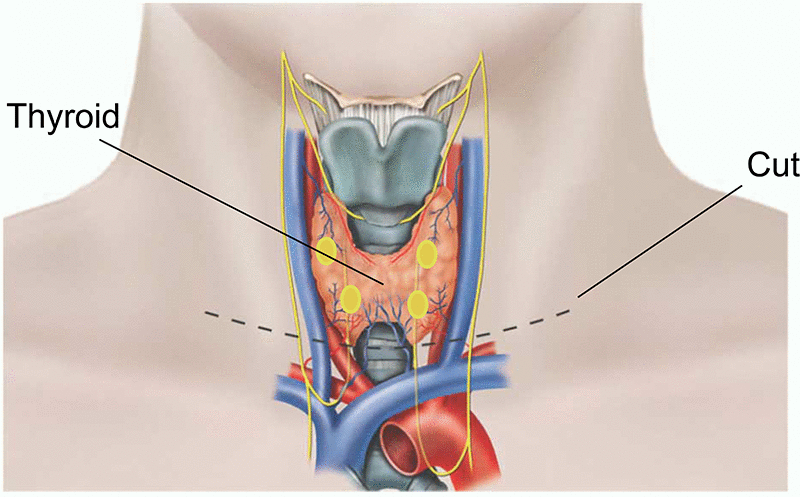
Introduction to Thyroidectomy
A thyroidectomy is a surgical procedure that involves the removal of all or part of the thyroid gland, a crucial organ located in the neck that produces thyroid hormones responsible for regulating metabolism, energy production, and overall bodily functions. The thyroid gland's two primary lobes are located just below the Adam's apple. This gland secretes thyroxine (T4) and triiodothyronine (T3), hormones that control metabolism, temperature regulation, and energy usage throughout the body.
Thyroidectomy is performed to treat various thyroid conditions, including thyroid cancer, benign nodules, goiter (enlargement of the thyroid), and hyperthyroidism (overactive thyroid). A thyroidectomy can also be indicated for a thyroid storm (a life-threatening condition of sudden, severe hyperthyroidism), or to alleviate symptoms caused by a large thyroid that is compressing the airway or esophagus.
Depending on the condition, the thyroidectomy procedure may involve partial removal (called a hemithyroidectomy or lobectomy) or complete removal of the thyroid (known as a total thyroidectomy). The choice of procedure depends on factors such as the size, location, and type of thyroid disease present.
A thyroidectomy is often performed under general anesthesia, and the operation typically takes between 1 to 3 hours, depending on the complexity of the case. After surgery, many patients recover within a few days to a week, although long-term follow-up care is essential, especially for hormone replacement.
Causes and Indications for Thyroidectomy
Thyroidectomy is often performed in response to a variety of thyroid disorders. The most common reasons for thyroidectomy include:
1. Thyroid Cancer
Thyroid cancer is one of the most serious reasons for thyroidectomy. The thyroid gland may develop cancerous growths or tumors, which can spread to surrounding tissues or even distant parts of the body. Total thyroidectomy is commonly performed when thyroid cancer is diagnosed, as it allows for the complete removal of the gland to minimize the risk of cancer spreading. After the surgery, additional treatments such as radioactive iodine therapy may be necessary to eliminate remaining cancer cells.
2. Hyperthyroidism
Hyperthyroidism occurs when the thyroid gland produces excessive amounts of thyroid hormones, leading to an overactive metabolism. This can cause symptoms such as rapid heart rate, excessive sweating, weight loss, irritability, and tremors. When hyperthyroidism cannot be managed through medication or radioactive iodine therapy, thyroidectomy may be considered. Surgical removal of part or all of the thyroid can help control the symptoms by reducing hormone production.
3. Thyroid Nodules or Goiter
A goiter refers to an enlarged thyroid gland. It can be caused by a variety of factors, including iodine deficiency, autoimmune disease, or benign nodules within the gland. While many goiters are benign, they can cause discomfort, difficulty swallowing or breathing, or cosmetic concerns due to the visible enlargement of the neck. In some cases, if the goiter is large or compressing surrounding structures, thyroidectomy may be necessary to relieve symptoms and restore normal function.
Thyroid nodules are small lumps or growths within the thyroid gland. Most thyroid nodules are benign, but a small percentage may be malignant (cancerous). If the nodules are large, causing symptoms or raising suspicion of cancer, surgery may be recommended to remove them.
4. Benign Conditions
Certain benign conditions, such as Hashimoto's thyroiditis (an autoimmune disorder where the body attacks the thyroid) or multinodular goiter, may cause significant symptoms, including difficulty swallowing, voice changes, or pain. In cases where these conditions cause compressive symptoms that affect quality of life, thyroidectomy may be recommended.
5. Symptomatic Hyperplasia or Enlargement
When the thyroid gland becomes overly enlarged due to hyperplasia or other benign causes, it can lead to symptoms such as difficulty breathing or swallowing, hoarseness, or a visible mass in the neck. This can also be the result of an iodine deficiency or other thyroid conditions that affect the gland's normal function. Thyroidectomy may be performed to alleviate these symptoms.
In summary, thyroidectomy is often performed for both cancerous and benign thyroid conditions. The extent of the surgery depends on the type and severity of the thyroid problem, as well as the risk of complications or recurrence of the disease.
Symptoms and Signs Indicating Thyroid Disease Leading to Thyroidectomy
Patients who require thyroidectomy often present with one or more symptoms related to thyroid dysfunction. The symptoms of thyroid disease can vary depending on whether the thyroid is underactive (hypothyroidism), overactive (hyperthyroidism), or if a tumor or nodule is present.
1. Swelling or Lump in the Neck
One of the most common symptoms that leads to thyroidectomy is the presence of a visible or palpable lump in the neck. This lump may represent a benign thyroid nodule or a larger goiter. If the nodule is large enough or causes discomfort, it can be surgically removed.
2. Difficulty Swallowing or Breathing
An enlarged thyroid can compress the esophagus (food pipe) or trachea (windpipe), leading to difficulty swallowing or breathing. This is more common in patients with a goiter or a large thyroid nodule. Patients may experience a sensation of tightness in the throat, choking, or trouble swallowing certain foods.
3. Hoarseness or Voice Changes
Hoarseness or changes in the voice can occur if a thyroid nodule or goiter affects the recurrent laryngeal nerve, which controls the vocal cords. This nerve runs close to the thyroid gland, and damage or compression of this nerve can result in voice changes, difficulty speaking, or breathing difficulties.
4. Symptoms of Hyperthyroidism
When the thyroid becomes overactive and produces too many hormones (hyperthyroidism), patients may experience symptoms such as:
-
Rapid heart rate or palpitations
-
Excessive sweating
-
Weight loss despite increased appetite
-
Nervousness, anxiety, and irritability
-
Tremors or shaking hands
-
Increased sensitivity to heat
5. Symptoms of Hypothyroidism
If the thyroid becomes underactive (hypothyroidism), patients may experience:
-
Fatigue and lethargy
-
Weight gain despite normal or decreased appetite
-
Sensitivity to cold
-
Dry skin and hair
-
Constipation
-
Depression and cognitive impairment
Both conditions (hyperthyroidism and hypothyroidism) can be diagnosed through blood tests that measure thyroid hormone levels and can lead to thyroidectomy if medications are ineffective or unsuitable.
6. Neck Pain or Tenderness
Neck pain or tenderness, especially in the presence of thyroid nodules, can sometimes indicate inflammation or an enlarged thyroid gland. If these symptoms are severe or persist, thyroidectomy may be recommended for relief and further diagnosis.
Diagnosis of Thyroid Disease Leading to Thyroidectomy
A thorough diagnostic evaluation is essential to determine the need for thyroidectomy. The diagnostic process typically includes a combination of physical examination, blood tests, imaging studies, and sometimes a biopsy.
1. Physical Examination
The physician will begin by performing a thorough physical exam, palpating the thyroid to check for any lumps, tenderness, or irregularities. The doctor will also assess for any enlargement or swelling of the thyroid gland, which could indicate the presence of a goiter or nodules. Additionally, the doctor may check for signs of tracheal compression or difficulty swallowing.
2. Blood Tests
Blood tests are used to measure the levels of TSH (thyroid-stimulating hormone), T3, and T4 to determine if the thyroid is overactive or underactive. These tests help diagnose conditions like hyperthyroidism or hypothyroidism. In some cases, tests for thyroid antibodies may be performed if an autoimmune thyroid disorder like Hashimoto's thyroiditis or Graves' disease is suspected.
3. Ultrasound
Thyroid ultrasound is a key diagnostic tool used to assess the size, structure, and appearance of the thyroid gland. It helps identify thyroid nodules or cysts and can determine whether the nodules are solid or fluid-filled. Ultrasound is also useful for guiding a fine-needle aspiration biopsy if a nodule is suspicious for cancer.
4. Fine-Needle Aspiration (FNA) Biopsy
If a thyroid nodule is detected and is suspicious for malignancy, a fine-needle aspiration (FNA) biopsy is performed to remove a small tissue sample from the nodule for further examination. The biopsy is analyzed under a microscope to determine if cancer cells are present.
5. CT or MRI Scan
In cases where the thyroid is significantly enlarged or there is concern about cancer spread, a CT or MRI scan may be performed to provide a detailed image of the thyroid and surrounding tissues. These scans can help assess the extent of disease and guide surgical planning.
6. Radioactive Iodine Uptake Test
In cases of hyperthyroidism, a radioactive iodine uptake test may be performed to assess how the thyroid absorbs iodine. This helps to determine the cause of hyperthyroidism, such as Graves' disease or a toxic nodule.
Treatment Options for Thyroidectomy
The main treatment for thyroid conditions requiring surgery is thyroidectomy. The specific approach and type of surgery depend on the condition being treated and the patient's overall health.
1. Total Thyroidectomy
Total thyroidectomy involves removing the entire thyroid gland. This procedure is typically performed for thyroid cancer, large goiters, or when the thyroid gland is significantly damaged or malfunctioning. After total thyroidectomy, patients will require lifelong thyroid hormone replacement therapy, as their body will no longer produce thyroid hormones naturally.
2. Partial or Hemithyroidectomy
A partial thyroidectomy (hemithyroidectomy) involves the removal of one lobe of the thyroid. This is usually done for benign conditions, such as localized nodules or goiters, where the disease is confined to one side of the thyroid. If only one lobe is affected, the other lobe may continue to produce thyroid hormones, and thyroid hormone replacement may not be necessary.
3. Minimally Invasive or Robotic-Assisted Thyroidectomy
Some patients may be candidates for minimally invasive thyroidectomy or robotic-assisted surgery, which involves smaller incisions and specialized equipment to remove the thyroid. This approach offers several benefits, including shorter recovery times, reduced scarring, and less postoperative pain. However, it is not suitable for all patients, especially those with large tumors or advanced thyroid cancer.
Prevention and Management of Thyroidectomy
Although thyroidectomy is often necessary for treating thyroid conditions, certain steps can be taken to manage symptoms before surgery and optimize recovery afterward.
1. Pre-Surgical Optimization
-
Stabilizing thyroid function: For patients with hyperthyroidism, medications like methimazole may be prescribed to stabilize thyroid hormone levels before surgery.
-
Avoiding medications that increase bleeding: Certain medications, such as blood thinners, may need to be stopped before surgery to reduce the risk of bleeding.
-
Ensuring patient readiness: Preoperative assessments to ensure the patient is healthy enough for surgery, including blood tests, imaging studies, and general fitness evaluations.
2. Post-Surgical Care
-
Pain management: Pain is typically managed with medications during the recovery period. Most patients experience only mild discomfort and can return to normal activities within a few days.
-
Hormone replacement therapy: After total thyroidectomy, patients will need to take synthetic thyroid hormone (levothyroxine) for the rest of their lives.
-
Calcium and vitamin D supplementation: If the parathyroid glands are affected during surgery, patients may require calcium and vitamin D supplements to maintain normal calcium levels.
-
Wound care: Proper care of the surgical site is essential to prevent infection and promote healing.
Complications of Thyroidectomy
Thyroidectomy, like any surgery, carries potential risks and complications. Although the procedure is generally safe, it is important for patients to be aware of the possible issues:
1. Hypocalcemia
Damage to or removal of the parathyroid glands during surgery can lead to low calcium levels (hypocalcemia). This can result in symptoms such as tingling in the fingers, muscle cramps, and in severe cases, seizures.
2. Nerve Damage
The recurrent laryngeal nerve, which controls the vocal cords, is located near the thyroid gland. Damage to this nerve can cause hoarseness, difficulty speaking, and in some cases, breathing difficulties. This complication is rare but can occur, especially in more extensive surgeries.
3. Bleeding and Hematoma
Excessive bleeding during surgery can lead to a hematoma (a collection of blood) in the neck. This can cause swelling and compression of the airway, requiring prompt intervention.
4. Infection
As with any surgery, there is a risk of infection at the incision site. Proper wound care and adherence to post-surgical instructions help minimize this risk.
5. Permanent Hypothyroidism
If the entire thyroid gland is removed, patients will develop hypothyroidism and will need lifelong thyroid hormone replacement therapy.
Living with the Condition After Thyroidectomy
After thyroidectomy, patients will need to adjust to life without a fully functional thyroid gland. For those who undergo total thyroidectomy, lifelong thyroid hormone replacement therapy will be necessary to maintain normal metabolism and body function.
1. Hormone Replacement
Patients who have undergone total thyroidectomy will need to take synthetic thyroid hormones such as levothyroxine. Regular blood tests are required to monitor thyroid hormone levels and adjust the dosage as needed.
2. Calcium and Vitamin D Monitoring
If the parathyroid glands were affected during surgery, calcium supplementation may be necessary. Regular monitoring of calcium levels is essential to avoid complications such as hypocalcemia.
3. Psychological Impact
Living without a thyroid can affect a person's metabolism and energy levels. It is important to have regular follow-up visits with an endocrinologist to ensure that the hormone replacement therapy is effective and that the patient is adjusting well.
Top 10 Frequently Asked Questions about Thyroidectomy
1. What is a thyroidectomy?
A thyroidectomy is a surgical procedure in which all or part of the thyroid gland is removed. The thyroid is a butterfly-shaped gland located in the neck, responsible for producing hormones that regulate metabolism, heart rate, and body temperature. A thyroidectomy is typically performed to treat thyroid disorders such as thyroid cancer, goiter, hyperthyroidism, or nodules that cause symptoms or are cancerous. The extent of the surgery (total or partial thyroidectomy) depends on the condition being treated.
2. Why is thyroidectomy performed?
Thyroidectomy is primarily performed for the following reasons:
-
Thyroid cancer: To remove cancerous tissue.
-
Hyperthyroidism: In cases where medication or radioactive iodine therapy has failed, or if the patient cannot tolerate these treatments.
-
Goiter: A large, swollen thyroid that causes difficulty breathing or swallowing.
-
Thyroid nodules: When a nodule is causing symptoms or there is suspicion of cancer.
The procedure may also be recommended if other treatments (like medication) are not effective.
3. What are the different types of thyroidectomy?
There are several types of thyroidectomy:
-
Total thyroidectomy: Removal of the entire thyroid gland. This is typically done in cases of thyroid cancer or severe hyperthyroidism.
-
Subtotal or partial thyroidectomy: Removal of only part of the thyroid. This may be performed for benign conditions like nodules or goiter.
-
Hemithyroidectomy: Removal of one lobe of the thyroid gland. This may be performed if there is a problem with just one lobe, such as a nodule or benign growth.
The choice of surgery depends on the patient's condition and the extent of the thyroid problem.
4. How is thyroidectomy performed?
Thyroidectomy is usually performed under general anesthesia, meaning the patient will be asleep during the procedure. The surgeon makes a small incision in the lower part of the neck to access the thyroid gland. In some cases, minimally invasive or robotic-assisted thyroidectomy is possible, which involves smaller incisions and quicker recovery times. The procedure typically lasts 1-2 hours, depending on the complexity, and requires a hospital stay of one or two days for recovery.
5. What are the risks of thyroidectomy?
While thyroidectomy is generally a safe procedure, there are risks and complications to consider, such as:
-
Infection: Though rare, infection at the incision site may occur.
-
Bleeding: There may be some bleeding during or after surgery.
-
Voice changes: Damage to the recurrent laryngeal nerve can cause hoarseness or loss of voice.
-
Hypothyroidism: If the entire thyroid is removed, the body may no longer produce thyroid hormones, leading to hypothyroidism (underactive thyroid). This condition requires lifelong thyroid hormone replacement therapy.
-
Hypoparathyroidism: Damage to the parathyroid glands (which control calcium levels) may lead to low calcium levels, causing symptoms like tingling or muscle cramps.
-
Scarring: Though small, the incision may leave a scar on the neck.
Patients should discuss these risks with their surgeon before the procedure.
6. What is the recovery time after a thyroidectomy?
Recovery from a thyroidectomy typically takes a few weeks. Most patients can return to normal activities within 1-2 weeks. However, it's important to avoid strenuous physical activities and heavy lifting for 4-6 weeks. During the first few days, patients may experience some soreness or swelling in the neck, but this usually improves with time. Most patients can return to work or their daily routine within a week, but it's important to follow the doctor's instructions for post-surgery care, including medication and follow-up visits.
7. What are the signs of complications after thyroidectomy?
While most people recover well, it's important to be aware of potential complications:
-
Severe neck pain or swelling that doesn't improve with time.
-
Difficulty breathing or swallowing, which could indicate a blocked airway.
-
Changes in voice that persist or worsen.
-
Numbness or tingling around the lips, fingers, or toes, which could suggest low calcium levels.
-
Fever or signs of infection around the incision site.
If any of these symptoms occur, it's important to contact the healthcare provider immediately.
8. Will I need thyroid hormone replacement after thyroidectomy?
If the entire thyroid gland is removed (total thyroidectomy), you will need to take thyroid hormone replacement for the rest of your life. This medication, typically in the form of levothyroxine, mimics the thyroid hormone and helps regulate metabolism and energy levels. If only part of the thyroid is removed (subtotal or hemithyroidectomy), you may not need hormone replacement, or you may only need a lower dose depending on how much thyroid tissue remains.
9. What should I expect in terms of diet after thyroidectomy?
After thyroidectomy, patients may be advised to follow a soft diet for the first few days to avoid irritating the surgical site. Once healing progresses, you can resume a regular diet. It's important to take thyroid medication on an empty stomach, usually in the morning, and wait about 30-60 minutes before eating to ensure proper absorption. Patients may also be asked to avoid foods that can interfere with iodine absorption, such as soy products, in the months following surgery, depending on the underlying condition.
10. What follow-up care is required after thyroidectomy?
After a thyroidectomy, follow-up appointments are critical to monitor recovery and thyroid hormone levels. Blood tests are done regularly to check the levels of thyroid-stimulating hormone (TSH), and for patients who had thyroid cancer, additional scans or imaging may be required to check for any remaining cancerous cells. If you're on thyroid hormone replacement, your doctor will adjust the dosage to ensure you maintain optimal thyroid function. Regular follow-up care helps prevent complications and ensures that any issues, such as signs of hypothyroidism, are addressed early.