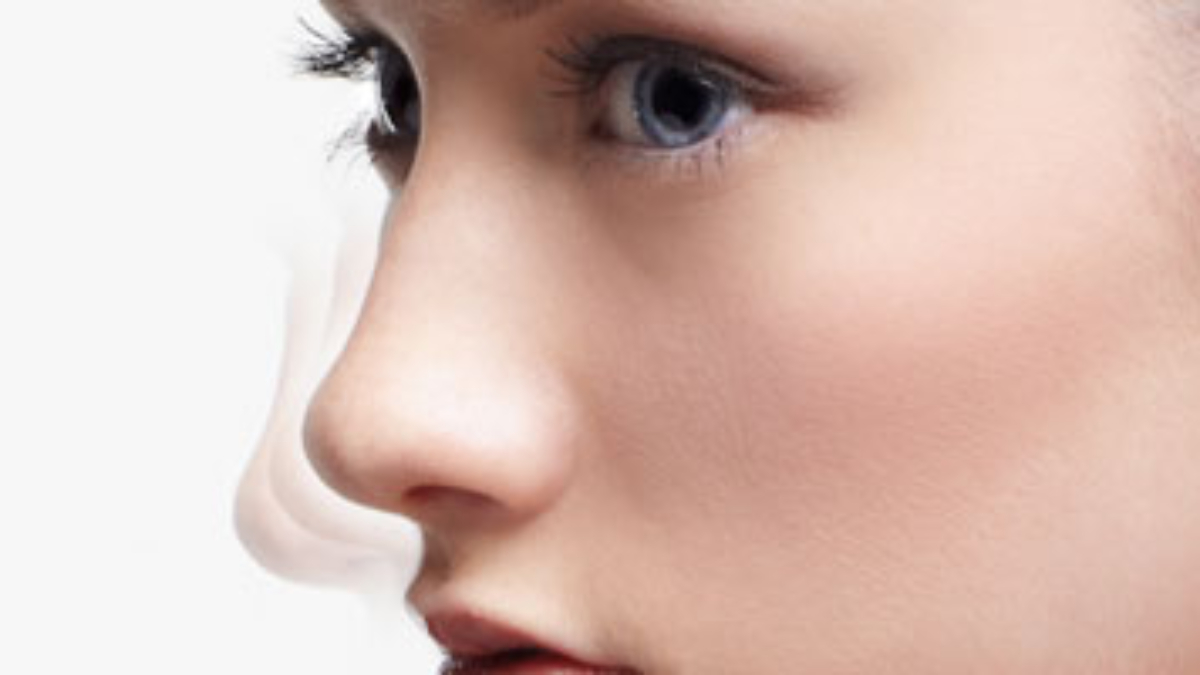
Introduction to Tip-Plasty
Tip-Plasty, also known as nasal tip rhinoplasty, is a specialized form of nose surgery that focuses specifically on reshaping and refining the tip of the nose. Unlike full rhinoplasty, which addresses the entire nasal structure including the bridge and septum, tip-plasty targets only the cartilage and soft tissue at the tip of the nose. This makes it a less invasive option for patients who are dissatisfied with the appearance or functionality of the nasal tip but are happy with the overall structure of their nose.
The procedure is highly effective for addressing issues such as bulbous tips, drooping tips, asymmetry, or poor projection. Often, these issues can affect the overall facial balance, causing patients to feel self-conscious or dissatisfied with their appearance. Tip-plasty provides a more subtle, natural enhancement of the nasal tip, which can lead to significant aesthetic improvements in facial harmony.
Because Tip-Plasty focuses only on the nasal tip, it typically involves a quicker recovery time and fewer risks compared to full rhinoplasty. In addition to aesthetic benefits, Tip-Plasty can also improve nasal function in certain cases, such as correcting minor breathing difficulties caused by misalignment or under-projection of the nasal tip.
Tip-Plasty is suitable for individuals who are looking to refine their nasal tip without changing the overall structure of their nose. The result is a more balanced and proportionate appearance, which enhances the individual's facial features in a natural, subtle way.
Causes and Indications - Why Someone Might Opt for Tip-Plasty
Because tip-plasty is cosmetic/structural rather than a treatment for a "disease," this section discusses the common nasal tip issues or deformities that prompt people to consider tip-plasty.
Common Indications / Nasal Tip Issues
-
Bulbous or rounded nose tip - when the nasal tip looks overly wide, rounded, lacks definition, or appears disproportionately large relative to the rest of the nose. Tip-plasty can refine and narrow the cartilage to give a more defined tip.
-
Drooping / "ptotic" nasal tip - a tip that points downward, especially when at rest or with facial expressions (smile, talking), giving a heavy or aged appearance. Tip plasty can reposition or lift the tip for a more desirable angle / projection.
-
Over-projected or overly long tip - tip that sticks out too much or is too long relative to other facial features - can be shortened, deprojected or refined with tip-plasty.
-
Asymmetry of the nasal tip or nostrils - uneven nostrils, asymmetrical tip definition, uneven nostril base or alar flare - tip-plasty (sometimes combined with alar base reduction) can correct such asymmetry.
-
Thick or heavy tip cartilage / poor definition under thick skin - in some individuals, nasal skin or soft tissue at tip may be thick, cartilage heavy - leading to a blunt or undefined tip. Tip-plasty can reshape cartilage, refine definition.
-
Desire for minor aesthetic refinement without full rhinoplasty - some patients want subtle changes (tip refinement) rather than major bone/cartilage reshaping. Tip-plasty offers a less invasive, simpler option.
When Tip-Plasty May Not Be Appropriate
-
When more extensive nasal deformities exist (bridge hump, dorsal asymmetry, septum deviation, functional breathing problems) - tip-plasty alone may not suffice; full rhinoplasty (or septo/rhinoplasty) may be needed.
-
Unrealistic expectations: expecting dramatic changes, or expecting full rhinoplasty-level outcomes from a surgery that targets only the tip. Good candidates are those who understand limitations and seek modest to moderate tip refinement.
Symptoms / Signs (Patient-Perceived Issues) Leading to Tip-Plasty Consideration
This section describes the typical esthetic and functional complaints that patients raise, prompting them to consult a plastic / ENT surgeon for tip-plasty evaluation.
-
Cosmetic dissatisfaction: Patient feels nose tip is too wide, bulbous, undefined, droopy, asymmetrical - especially the tip doesn't look "in harmony" with other facial features (cheeks, chin, lips, overall face shape). Many seek tip-plasty for improved facial balance.
-
Unwanted projection or length: Tip appears too long or overly projecting, making nose look prominent relative to face, or leading to distorted profile - leads to reduced self-esteem or social discomfort.
-
Asymmetry: Nostril or alar asymmetry, uneven nostril base, slanted or crooked tip - sometimes noticeable in photos / mirror - motivates search for corrective nasal tip surgery.
-
Tip droop / poor tip definition: Tip may sag, droop, lose definition - especially under soft tissue, or in heavy cartilage / thick-skinned noses - leading to "blunt," "boxy," or "unrefined" nasal tip appearance.
-
Desire for minor correction / subtle change: Some people don't want a big "nose job," but want subtle refinement of tip only - easier acceptance, less downtime, modest change but major impact on appearance.
-
Impact on self-image & confidence: The nose is a central facial feature; many patients report dissatisfaction impacting self-confidence, social interactions, self-image - tip-plasty offers an opportunity to correct what bothers them most without full rhino.
In short: tip-plasty is often sought not because of medical "symptoms" but because of aesthetic concerns and desire for improved facial harmony.
Diagnosis / Pre-operative Assessment for Tip-Plasty
Tip-Plasty (like any cosmetic surgery) requires careful pre-operative assessment - not just of the external shape, but of internal nasal anatomy, skin characteristics, cartilage support, and patient expectations.
Key Steps in Pre-operative Evaluation
-
Detailed clinical / aesthetic evaluation - assessment of nasal tip shape, nostril size and symmetry, skin thickness, cartilage strength, nasal base width, nasal tip projection, droop or rotation of tip, overall facial proportions. Often done with photographic analysis (frontal, lateral, basal views), and measurements (tip projection, nasolabial angle, tip-nostril ratio).
-
Functional nasal exam - ensure there is no internal structural problem (deviated septum, breathing issues, internal nasal passage problems) that might complicate surgery or require concurrent septoplasty or functional rhinoplasty. Because tip-plasty focuses on cartilage/tip, underlying structural issues must be ruled out or addressed first.
-
Patient's skin & soft-tissue assessment - thick or thin skin, skin elasticity, tissue firmness affects how well cartilage reshaping will be reflected externally; thick skin may obscure fine tip refinements, whereas thin skin may show irregularities. Surgeons often evaluate this to set realistic expectations. Literature on nasal tip surgery emphasizes the "unique set of functional and aesthetic challenges" related to tip-shaping.
-
Expectations and psychological readiness assessment - surgeon should counsel patient on realistic outcomes: tip-plasty improves tip shape, symmetry, projection - but can't always guarantee "perfect" nose, and results are subject to healing, tissue response, scarring, soft tissue thickness. Many unhappy outcomes or requests for revision arise from unrealistic expectations.
-
Surgical plan: open vs closed tip-plasty - depending on what needs to be done (minor cartilage reshaping vs major tip restructuring), surgeon will choose open (external columella incision) or closed (internal incisions) approach. Each has pros/cons; suitability depends on anatomical needs.
-
Consideration of patient's overall health & risk factors - though tip-plasty is cosmetic, general surgical safety principles apply: assess for bleeding disorders, skin conditions, healing capacity, realistic recovery expectations, compliance with postoperative care.
Treatment Options - How Tip-Plasty Is Performed & What Variations Exist
This "treatment" section describes surgical techniques, approaches, and variations of tip-plasty depending on the patient's needs.
What Tip-Plasty Can Achieve
According to experienced surgeons, tip-plasty can address many common nasal tip problems by reshaping cartilage, repositioning tip support structures, refining nostrils, and adjusting projection & rotation, without altering nasal bones.
Common goals include:
-
Narrowing or refining a bulbous/wide tip.
-
Correcting droopy tip - lifting or rotating tip upward / adjusting nasolabial angle.
-
Reducing over-projection / shortening tip length.
-
Improving symmetry (nostrils, tip, alar base) - often combined with alar base reduction or nostril narrowing if needed.
-
Enhancing definition and tip "point" / refinement - reshaping cartilage domes, trimming excess soft tissue / cartilage, repositioning lower lateral cartilages.
Surgical Techniques & Approaches
-
Closed (endonasal) tip-plasty: Incisions made inside nostrils, no external scars - good for minor adjustments, small cartilage trimming or suture reshaping. Minimal external evidence; faster recovery; ideal when only subtle tip refinement needed.
-
Open tip-plasty: Small external incision (columella) between nostrils, giving better visibility, access; used when more extensive reshaping, cartilage grafting, suture work, or structural changes required. Allows precise control over tip definition, symmetry, rotation.
-
Cartilage reshaping / trimming / suturing: Surgeons may trim excess cartilage, reshape lower lateral (alar) cartilages, change cartilage dome angles, use sutures to refine tip definition, adjust projection, rotation, symmetry.
-
Cartilage grafting (when needed): In cases where tip lacks support (e.g. drooping, weak cartilage), surgeons may harvest cartilage (septal, ear, etc.) to reinforce / rebuild tip structure. In strict "tip-plasty only" cases, grafting may be minimal; but in structural tip problems, it's used - though that overlaps with broader rhinoplasty principles.
-
Alar base / nostril modifications (if alar flaring or nostril asymmetry present): Sometimes combined with tip-plasty to adjust nostril width or flare, but this can complicate procedure and healing; should be discussed in planning.
What Tip-Plasty Is Not
It's important to note: tip-plasty does not typically address
nasal bones, dorsal humps, septal deviations, internal structural breathing
issues - if those are present, a full rhinoplasty (or septo-rhinoplasty) may be
required.
Therefore, tip-plasty is best suited for patients whose concerns are limited to
the tip's appearance (shape, size, projection, symmetry), without major
structural nasal problems.
Prevention, Management & Pre/Post-Operative Care for Tip-Plasty
Since tip-plasty is elective and cosmetic, proper preparation and management are key to achieve good aesthetic and functional outcomes.
Pre-operative Management
-
Realistic expectations and counselling: Surgeons must counsel patients about realistic outcomes - improvements, not perfection; limitations due to skin thickness, soft tissue response, healing, potential need for revision. Good communication reduces dissatisfaction and reduces risk of revision requests.
-
Medical evaluation: Even for cosmetic surgery, general health, comorbidities, bleeding risk, history of prior nasal surgeries must be evaluated; breathing function assessed; if septal or internal issues - consider combined procedures instead of isolated tip-plasty.
-
Avoidance of risk factors before surgery: Avoid smoking (impairs healing), avoid medications increasing bleeding risk, ensure good general health; follow surgeon's pre-op instructions.
Post-operative Care / After Surgery
-
Short recovery, less downtime: Because only tip cartilage is involved (no bone work), recovery tends to be faster than full rhinoplasty - many patients return to normal activities in ~1 week for basic activities, though subtle swelling and minimal healing continue for weeks to months.
-
Care of incisions / wound healing: If open approach used, external columella incision must be kept clean, avoid trauma, avoid pressure on nose; avoid forceful nasal blowing for some time; follow instructions to minimize scarring.
-
Managing swelling, bruising, soft-tissue healing: Some swelling, bruising is normal - may persist for days to a few weeks. Because cartilage and soft tissue heals slowly - full tip definition may not be visible immediately; final result may take months. Some sources note 4-6 months to fully see final shape after tip-cartilage surgery. (
-
Avoiding trauma or pressure on nose for some weeks, avoid heavy physical activity, avoid wearing glasses (if applicable), avoid sun exposure / hot baths, per surgeon's guidance.
-
Follow-up visits: Post-op follow-up with surgeon to check healing, tip stability, check for scar tissue, external symmetry, patient satisfaction; discuss any additional tweaks if needed.
-
Patient education & realistic outcome adjustment: Inform that nose tip changes slowly; initial puffiness does not reflect final result; may need patience; small asymmetries or imperfections may persist; revision, though possible, more complex.
Complications and Risks of Tip-Plasty
Even though tip-plasty is less invasive than full rhinoplasty, it is still a surgical procedure with potential complications. It's important to discuss these clearly with readers/patients.
Common / Mild / Short-term Risks
-
Swelling, bruising, redness: As with nasal surgeries, tip-plasty can cause soft-tissue swelling and bruising around nose and maybe under eyes; usually mild and temporary, but can last days to weeks.
-
Pain, discomfort, nasal congestion: Mild pain, soreness, congestion common early after surgery as tissues heal; often managed with painkillers, cold compresses, nasal care.
-
Temporary numbness or altered sensation: Due to incisions or tissue manipulation, some numbness or altered sensation around the nostrils, columella, nasal skin - typically resolves over weeks/months.
-
Redness or scarring (external incision): Especially if open approach is used, small scar on columella possible; though surgeons aim to minimize and place incision carefully to reduce noticeable scarring.
Less Frequent / Serious Risks and Complications
-
Infection: As with any surgery, though incidence is low, risk of infection remains - infection in nasal cartilage or soft tissue may complicate healing, require antibiotics or further intervention.
-
Cartilage deformity, collapse, tip support loss: Over-resection of cartilage, or poor surgical technique may weaken tip support, leading to tip collapse, irregularities, asymmetry, "pinched tip," or functional problems (airway / breathing) over time. Literature on rhinoplasty and tip-surgery warns about such risks, especially when lower lateral cartilage or support structures are altered.
-
Unsatisfactory cosmetic result: Because nasal tip surgery involves fine balancing of cartilage, soft tissue thickness, skin - outcomes may not match patient expectations (shape, symmetry, definition), especially if skin is thick or tissue response unpredictable. This is a common cause for revision rhinoplasty / revision tip-plasty.
-
Breathing problems / airway compromise (rare): If too much cartilage is removed or structural support is weakened, there is a risk of altering internal nasal airway, nasal obstruction, nostril collapse, or external nasal valve collapse - though rare with experienced surgeons.
-
Prolonged swelling / delayed healing / scar tissue formation: In some cases, healing may be prolonged, scar tissue may distort final shape, or soft tissue irregularities may become visible - especially with thick skin or heavy soft tissue.
Because of these risks, it is critical for patients to have realistic expectations, choose a qualified surgeon, follow pre- and post-operative instructions strictly, and understand that final results may take months to settle.
Living with Tip-Plasty - What to Expect After Surgery, Recovery, Outcomes, Long-Term Considerations
This section is aimed at helping patients / readers understand life after tip-plasty - what recovery looks like; what results they may realistically expect; and what long-term care/information they should know.
Recovery and Early Post-Op Period
-
Downtime is relatively short: Since tip-plasty does not involve bone breaking, many patients return to normal daily activities within ~1 week (light activities) - though strenuous activity or contact sports should be avoided per surgeon's advice.
-
Initial appearance vs final result: Immediately post-op, swelling, bruising may distort final shape; nasal appearance may be slightly altered - patients should be prepared for gradual change over weeks; tip definition often improves progressively. According to some experts, final refining may take several months (sometimes 4-6 months) for soft tissue to fully settle.
-
Incision / scar care: If open approach chosen, columella incision must be cared for - keep clean, avoid sun exposure, avoid pressure, follow instructions. Over time, scar typically fades but may remain slightly visible depending on skin type - good wound care improves outcomes.
Long-Term Outcomes & Satisfaction
-
Many patients achieve a more proportional, refined nasal tip, improved definition, better nostril symmetry - often meeting their aesthetic goals, leading to improved facial balance and self-confidence.
-
Because cartilage and soft tissue have been reshaped, results are generally permanent, though natural aging, skin changes over time may slightly alter appearance.
-
Some patients may require or desire revision tip-plasty / further tweaks - especially if initial results were modest, if asymmetry persists, or if soft-tissue changes (e.g. scar tissue, tissue relaxation) occur over time. Revision requires careful planning.
-
Maintenance of nasal health: Patients should avoid trauma to nose, protect from injuries, avoid excessive pressure (glasses, helmets), avoid nasal piercings or trauma that may damage cartilage or soft tissue support. Good nasal hygiene, avoiding excessive sun, moisturizing, may help preserve results.
Psychological & Social Impact
-
For many, nose shape plays a major role in self-image and facial aesthetic - tip-plasty can significantly improve self-esteem and confidence when expectations are realistic and outcome satisfactory.
-
It's important to note: aesthetic surgery carries emotional implications - patients should choose surgery for themselves (not to please others), have realistic goals, and avoid over-idealizing "perfection." Good candidacy involves psychological readiness, realistic expectations, acceptance of possible imperfections or need for revision.
Top 10 Frequently Asked Questions about Tip-Plasty
1. What is Tip-Plasty?
Tip-plasty is a type of rhinoplasty (nose surgery) that specifically focuses on reshaping the tip of the nose. It is typically performed to improve the appearance of a bulbous, drooping, or asymmetrical nose tip, enhancing facial harmony. Tip-plasty can also address functional issues such as difficulty breathing, if the tip's structure is obstructing the airway. The procedure is minimally invasive, and in many cases, it can be performed using a closed rhinoplasty technique, which involves small incisions inside the nose.
2. Why is Tip-Plasty performed?
Tip-plasty is commonly performed for the following reasons:
-
Cosmetic improvement: To reshape the nose tip for better aesthetic balance, such as narrowing a wide or bulbous tip or lifting a drooping tip.
-
Symmetry enhancement: To create a more harmonious appearance between the nose tip and the rest of the facial features.
-
Functional improvement: In some cases, tip-plasty is used to correct breathing issues caused by structural abnormalities in the nasal tip.
Tip-plasty is often chosen by individuals who are dissatisfied with the shape of their nose but don't need or want a full rhinoplasty.
3. How is Tip-Plasty performed?
Tip-plasty is typically done under local anesthesia with sedation, though general anesthesia may be used depending on the complexity of the procedure. The surgeon makes small incisions inside the nostrils to access the cartilage and skin of the nose tip. The excess or malformed cartilage is reshaped, repositioned, or removed to improve the appearance of the tip. In some cases, cartilage grafts or sutures are used to provide additional support or structure. The procedure usually takes about 1-2 hours, depending on the complexity.
4. What are the different types of Tip-Plasty techniques?
There are two primary types of tip-plasty techniques:
-
Closed Tip-Plasty: This technique involves incisions made inside the nostrils, leaving no visible scarring on the external nose. The surgeon reshapes the cartilage and skin through these small internal incisions.
-
Open Tip-Plasty: In some cases, a small incision is made across the columella (the skin between the nostrils), allowing the surgeon to have better visibility and access to the nasal tip for more complex reshaping. This technique may be used if more significant changes are needed.
The choice of technique depends on the desired outcomes and the surgeon's assessment of the patient's nasal structure.
5. What are the risks of Tip-Plasty?
Like any surgery, tip-plasty carries some risks, including:
-
Infection: Though rare, infection can occur at the incision site.
-
Bleeding: Some bleeding is common after surgery, but excessive bleeding can be a concern.
-
Scarring: With the closed technique, scarring is minimal, but open surgery may leave small scars on the columella (though they are usually well-hidden).
-
Asymmetry: In some cases, the tip may not heal symmetrically, requiring revision surgery.
-
Breathing problems: While tip-plasty aims to improve appearance, any surgical alteration to the nasal structure could affect airflow and cause temporary or long-term breathing issues.
-
Nasal tip collapse: In rare cases, the cartilage may collapse if too much is removed or altered.
Discussing these risks with the surgeon is essential before proceeding with the surgery.
6. How long does it take to recover from Tip-Plasty?
Recovery from tip-plasty is generally quicker and less invasive than full rhinoplasty. Most patients experience:
-
Initial recovery: Swelling and bruising around the nose and eyes may last 1-2 weeks. During this time, it's recommended to rest and avoid any physical activities.
-
Return to normal activities: Most patients can resume work or light activities within 1-2 weeks, though more strenuous activities, including exercise, should be avoided for about 4-6 weeks.
-
Complete healing: The full results of tip-plasty may take 6-12 months to be fully visible, as swelling gradually subsides and the nose tip settles into its new shape.
Patients are typically asked to follow up with their surgeon for post-operative care and to monitor the healing process.
7. Are there any lifestyle changes required after Tip-Plasty?
After tip-plasty, patients may need to make some temporary lifestyle adjustments, including:
-
Avoiding nose blowing: It is important to avoid blowing your nose for a few weeks after surgery to prevent pressure on the nasal structures.
-
Elevating the head: Keeping the head elevated while sleeping can help minimize swelling.
-
Wearing a nasal splint: A splint may be placed on the nose for the first week after surgery to support the new shape and protect the area.
-
Avoiding strenuous activities: Exercise, heavy lifting, and any activities that could cause injury to the nose should be avoided for at least 4-6 weeks.
-
Sun protection: Protect the nose from sun exposure during the recovery period, as the skin may be more sensitive.
8. What are the benefits of Tip-Plasty?
Tip-plasty offers several benefits, including:
-
Improved facial harmony: Reshaping the nasal tip can create a more balanced and aesthetically pleasing facial appearance.
-
Minimal scarring: With the closed technique, there are no visible external scars.
-
Shorter recovery time: Compared to full rhinoplasty, tip-plasty typically has a faster recovery and fewer complications.
-
Improved breathing: In some cases, tip-plasty can help open the nasal passages, making it easier to breathe, especially if the nasal tip is obstructing airflow.
9. How successful is Tip-Plasty?
Tip-plasty is a highly successful procedure, especially for patients who need subtle changes to the appearance of the nasal tip. Success rates are generally high, with most patients reporting significant improvements in the appearance of their nose and overall facial aesthetics. However, as with any surgery, the results can vary depending on the patient's unique anatomy, the surgeon's skill, and how well the patient follows post-operative care instructions. In some cases, revision surgery may be necessary if the results are not as expected.
10. What should I expect during a consultation for Tip-Plasty?
During the consultation, the surgeon will:
-
Review your medical history: Discuss any previous surgeries, health conditions, and reasons for seeking tip-plasty.
-
Conduct a physical examination: The surgeon will evaluate the structure of your nose, including the cartilage and skin of the nasal tip, to determine the best surgical approach.
-
Discuss your goals: You'll be asked about the specific changes you want to achieve, whether it's narrowing the tip, lifting it, or correcting asymmetry.
-
Explain the procedure and risks: The surgeon will go over the details of the surgery, including the different techniques available, potential risks, and the recovery process.
-
Assess your expectations: The surgeon will help you set realistic expectations based on your anatomy and desired results.