Introduction to Trigger Finger Correction
Trigger finger - medically known as stenosing tenosynovitis - is a common hand condition in which a tendon in the finger or thumb becomes inflamed or thickened, impairing its ability to glide smoothly through its tendon sheath. The result is pain, stiffness, a clicking or snapping sensation, or even locking of the finger when one tries to bend or straighten it.
When non-surgical measures (rest, splinting, anti-inflammatory drugs, steroid injections) fail to relieve symptoms - or when functional impairment is significant - a surgical procedure called trigger finger correction (or “trigger finger release”) becomes the standard approach. This procedure involves releasing (cutting open) the constricted portion of the tendon sheath (usually the A1 pulley), thereby giving the tendon more room to glide freely.
Trigger finger correction is typically a minor, outpatient procedure done under local anesthesia; for many patients, it restores painless, smooth finger movement - often much faster than prolonged conservative therapy.
In this article, we delve deep into why correction is needed, how diagnosis is made, what treatment entails, risks and complications, and what patients can expect in short- and long-term after the procedure.
Causes and Risk Factors for Trigger Finger - When Correction May Be Needed
Trigger finger arises when the normal balance between tendon size and tendon-sheath space is disturbed, often due to thickening or inflammation of the tendon or its sheath.
Common Risk Factors & Contributing Causes
-
Idiopathic / Spontaneous Onset: In many cases, there is no clear precipitating cause. The tendon sheath may thicken for unclear reasons, causing constriction.
-
Repetitive Hand Use or Forceful Gripping: Frequent, forceful finger or thumb movements (e.g. in certain occupations, manual labor, heavy use of fingers) may increase wear and stress on the tendon-sheath system.
-
Medical Conditions / Comorbidities: Conditions such as Diabetes mellitus, Rheumatoid arthritis, hypothyroidism, gout, amyloidosis and other systemic diseases are associated with higher risk of trigger finger, possibly due to changes in tendon sheath or inflammation.
-
Age and Sex: Trigger finger tends to occur more frequently in middle-aged and older individuals; some reports suggest slightly higher prevalence in women.
-
History of Hand Injury or Other Hand Disorders: Prior trauma, inflammation, or other tendon/sheath disorders may predispose to sheath thickening, tendon nodules, or constrictive changes, increasing likelihood of trigger finger.
When these risk factors lead to persistent tendon-sheath narrowing, or when repeated irritation leads to nodule formation on the tendon, the smooth gliding mechanism is disrupted - leading to characteristic symptoms that often prompt correction.
Symptoms and Signs of Trigger Finger - When Correction Is Considered
Typical symptoms of trigger finger (and the indications that you may need correction) include:
-
Finger or thumb locking, catching, or “triggering”: Affected digit may catch (get stuck) when flexing, and then suddenly snap or pop straight - often painful or startling.
-
Pain or tenderness at the base of the finger or palm (near the metacarpophalangeal joint): Especially on palpation, or when bending/straightening finger.
-
Stiffness, especially first thing in the morning: Fingers may be stiff or difficult to move initially, improving a bit later - a sign of tendon-sheath inflammation or nodule interference.
-
A palpable bump or nodule at the tendon sheath (often felt in the palm at the base of the affected finger) - this can be the thickened tendon catching on the narrowed sheath.
-
Reduced ability to fully flex or extend the finger: In severe cases, the finger may even lock in bent position, requiring assistance (other hand) to straighten.
-
Pain with use, gripping or forceful hand activity: Activities involving hand/finger force or repetitive use may worsen symptoms, cause aggravation, and hinder daily tasks.
When these symptoms affect daily activities - e.g., writing, gripping, lifting - or when non-surgical therapy fails to relieve them, correction (surgical release) becomes a viable and often recommended option.
Diagnosis of Trigger Finger & Decision for Correction Surgery
Diagnosis of trigger finger is usually clinical - based on history and physical examination - but may also involve imaging or further evaluation if needed.
Clinical Evaluation & Examination
-
Doctor reviews history: duration of symptoms, fingers involved, aggravating factors, prior hand injuries, comorbidities (diabetes, arthritis, etc.).
-
Physical exam: palpation of tendon sheath at the base of fingers; checking for tenderness, nodules; checking range of motion, ability to flex/extend; reproducing the triggering or locking.
-
Observation of functional impact: Does locking/catching interfere with everyday tasks, grip, fine manipulation, comfort, work, sleep etc.
Imaging / Additional Assessment (if needed)
-
Ultrasound: Sometimes used to visualize tendon sheath, tendon thickening, nodules, or to exclude other pathologies. Ultrasound is often considered the imaging modality of choice for evaluating tendon/tendon-sheath pathology in trigger finger.
-
Ruling out Differential Diagnoses: Other conditions (e.g., tendon tears, other tendon sheath disorders, arthritic changes, nerve issues) may mimic some symptoms; proper assessment helps exclude these before deciding on surgical release.
Indications for Correction Surgery
Correction (surgical release) is generally considered when:
-
Conservative therapy (splinting, rest, anti-inflammatory meds, steroid injections) fails to relieve symptoms or symptoms recur persistently.
-
Finger locking / catching persists or worsens; pain and dysfunction impact daily life.
-
A nodule / thickening is palpable, and mechanical obstruction in tendon sheath is likely.
-
Multiple digits / recurrent episodes / long-standing disease where risk of tendon damage, stiffness, contracture or tendon sheath degeneration is high.
Once diagnosis and indication are confirmed, the clinician may propose one of several treatment options - from non-surgical to surgical.
Treatment Options for Trigger Finger - From Conservative to Surgical Correction
Management of trigger finger typically follows a stepwise approach, starting with the least invasive therapies; if they fail, surgical correction is considered.
Non-Surgical / Conservative Treatments
-
Rest and Activity Modification: Avoiding or reducing repetitive hand/finger activities, forceful gripping, or tasks that precipitate symptoms - gives tendon & sheath time to calm inflammation.
-
Splinting / Immobilization: Wearing a splint (especially at night) to keep the affected digit extended - reduces irritation, allows tendon healing.
-
Non-Steroidal Anti-Inflammatory Drugs (NSAIDs): Over-the-counter medications like ibuprofen or naproxen help reduce inflammation and pain in mild/moderate cases.
-
Corticosteroid Injection (Steroid Shot): Injection of cortisone (often with local anesthetic) into tendon sheath near the affected pulley (usually A1) reduces swelling and inflammation. Many patients get relief for weeks to months; in some cases, repeated injections (with caution) may be tried.
-
Physical Therapy / Gentle Stretching and Exercises: Once acute inflammation reduces, hand therapists may guide tendon gliding exercises, gradual mobilization to preserve flexibility, prevent stiffness, and avoid recurrence.
If conservative therapy relieves symptoms, many patients can avoid surgery. However, if symptoms persist, are severe, or impair function significantly - surgical options are next.
Surgical Correction - Trigger Finger Release
When non-surgical treatments fail, surgery (trigger finger release) is a very effective and commonly performed option.
Main surgical approaches:
-
Open Trigger Finger Release: The traditional “gold standard.” Under local (or regional) anesthesia (often as outpatient), the surgeon makes a small incision in the palm at the base of affected finger/thumb, identifies the constricted tendon sheath (pulley), and carefully cuts/releases the A1 pulley (or the affected segment). This relieves constriction, giving tendon room to glide smoothly. Skin is closed, and a small bandage applied.
-
Percutaneous Release (Needle or Minimally Invasive): In suitable cases, a needle (or small instrument) is used under local anesthesia to release the tendon sheath without a formal incision. This has the advantage of minimal scarring and quick recovery. Some centers also use imaging (ultrasound) guidance to improve safety.
-
Thread-based / Ultrasound-guided Minimally Invasive Techniques: Newer techniques (e.g. “thread trigger finger release”) use a looped thread passed percutaneously under ultrasound to divide the constricting sheath. Early data suggest high success rates with minimal complications, though long-term outcomes and widespread adoption are still evolving.
Choice of technique depends on surgeon preference and experience, patient anatomy, number of digits involved, comorbidities, and risk/benefit assessment.
Post-operative Care & Rehabilitation
-
After release (open or percutaneous), movement of finger can often begin almost immediately (gentle flexion/extension), unless otherwise advised.
-
Keeping the incision clean and dry; dressing changed as per surgeon's advice; stitches (if used) often removed after ~10-14 days.
-
Gradual return to normal finger use; avoid heavy grip or strenuous finger activity for few weeks; gentle tendon-gliding exercises help maintain flexibility and prevent stiffness.
-
In many cases, full functional recovery (pain-free, smooth movement) is achieved in several weeks - though some residual stiffness, soreness or scar sensitivity may persist for a few months.
Prevention and Management: Minimizing Risk and Avoiding Recurrence
Because trigger finger often arises from tendon-sheath stress, inflammation, or thickening, certain measures can help reduce risk - or reduce recurrence - especially after correction.
Preventive Measures & Risk Reduction
-
Avoid repetitive, forceful gripping or heavy finger use when possible - particularly in occupations or hobbies requiring frequent finger strain. Use ergonomic tools, take breaks, avoid overuse.
-
Manage comorbid conditions such as diabetes, arthritis, or metabolic issues - good control of blood sugar, inflammation, and overall health may reduce tendon/sheath degeneration.
-
Use protective aids / ergonomic modifications: Splints or braces when doing heavy hand work; gloves with padding; avoid prolonged gripping; frequently stretch or relax fingers during repetitive tasks.
-
Early recognition and treatment: At first sign of stiffness, catching, or mild triggering - early non-surgical measures (rest, splinting, anti-inflammatories) may prevent progression to severe tendon sheath thickening requiring surgery.
Post-Surgical Management (After Correction)
-
Follow surgeon's guidelines: Allow adequate healing of skin/incision; keep incisions clean, avoid water immersion until stitches/dressings removed.
-
Early gentle mobilization: Starting finger movement soon after surgery (as advised) helps prevent stiffness, scar adhesion, or loss of motion.
-
Gradual return to hand work: Avoid heavy gripping, forceful use, or repetitive hand tasks for a few weeks; gradually increase activity as hand strength and comfort return.
-
Hand and finger exercises / physical therapy if needed: Tendon gliding, gentle stretching, strengthening once healed - helps maintain function and prevent recurrence.
-
Lifestyle and risk factor management: Maintain healthy habits, manage comorbidities, avoid overuse, and monitor for recurrence - especially if prior triggering was severe or multiple digits involved.
With proper prevention and post-operative care, many patients enjoy long-term relief and functional restoration.
Complications and Risks of Trigger Finger Correction
Although trigger finger release is generally considered a safe and effective procedure, like any surgery it carries potential risks and complications. It's essential for patients and providers to understand these before proceeding.
Common / Minor Complications
-
Persistent pain, stiffness, or swelling: Some patients may experience residual discomfort, stiffness, or swelling in the operated finger for weeks, occasionally months.
-
Scar sensitivity or tenderness: The incision site may remain sensitive, tender or slightly painful for a while, especially with pressure or heavy use.
-
Incomplete release / Recurrence: If the pulley release is incomplete (e.g. partial cutting), the tendon may still catch or lock; recurrence of trigger finger - though uncommon - is possible, sometimes requiring repeat surgery.
Less Common / Serious Risks
-
Infection: Though rare, the incision or sheath may get infected - signs: redness, swelling, warmth, pus, delayed healing. Prompt attention is required if these occur.
-
Nerve Injury / Numbness: There is a small risk of injury to small digital nerves during surgery, which may lead to temporary or (rarely) permanent numbness or altered sensation in the finger.
-
Tendon or sheath damage - Bowstringing / Loss of Finger Strength or Dexterity: If release extends beyond the intended pulley (e.g. accidental cutting of A2 pulley), the tendon may “bowstring” - lose its normal close path to bone - leading to decreased strength, altered finger mechanics, or decreased fine control.
-
Need for Revision Surgery: In cases of incomplete release, recurrent triggering, persistent symptoms, or tendon/sheath problems, a repeat surgery (revision release, tenosynovectomy) may be required. In one series, ~2.4% required reoperation.
Overall, while risks are low, reported complication rates in open release vary - in one large series, about 12% of digits had some complication (mostly minor); major complications were rare (~2-3%).
Given these possible risks, surgeons should counsel patients thoroughly, and surgeons should employ meticulous technique (e.g., careful identification of pulley boundaries) to minimize complications.
Living with Trigger Finger / After Correction - Recovery, Rehabilitation & Long-Term Outlook
One of the key benefits of trigger finger correction is restoration of hand function, often with rapid recovery. But realistic expectations, proper aftercare, and hand use habits are critical to achieving the best long-term outcome.
Short-Term Recovery (First Few Weeks)
-
Most surgeries are done under local anesthesia (or minimal sedation) and on outpatient basis; patients often go home the same day.
-
The incision is typically small, and the hand is bandaged; after ~48 hours, compression dressing may be replaced with a light bandage or plaster; stitches (if used) removed around 10-14 days.
-
Gentle finger movement (flexion/extension) is often encouraged soon after surgery to prevent stiffness; full usage and strength gradually returns over a few weeks.
Medium- to Long-Term Outcome & Function
-
High Success Rate & Symptom Relief: Many patients achieve smooth, painless finger motion, with locking/catching resolved; freedom from triggering is common, with reported success rates around 90%.
-
Low Recurrence: Recurrence after proper release is relatively rare (when technique is correct and sheath fully released).
-
Return to Daily Activities: Most patients can resume normal daily tasks - writing, gripping, lifting - within weeks, depending on severity, number of digits, and general hand health.
-
Need for Preventive Habits: To minimize risk of recurrence or new trigger finger in other digits - avoid overuse, repetitive forceful hand tasks, use ergonomic tools, take breaks, and address underlying risk factors (e.g. diabetes control).
Quality of Life Improvements
For many, surgery restores comfortable, functional use of hand - reducing pain, stiffness, disruption to daily life or work. In patients whose work or hobbies involve frequent hand use, correction often leads to significant enhancement in quality of life.
That said, patients should be informed that:
-
Some temporary stiffness or scar tenderness may persist for weeks.
-
Very rarely, there may be minor deficits (sensation changes, slight weakness, bowstringing) depending on how extensive release was and tendon/sheath anatomy.
-
Hand care and lifestyle modification remain important to maintain long-term benefits.
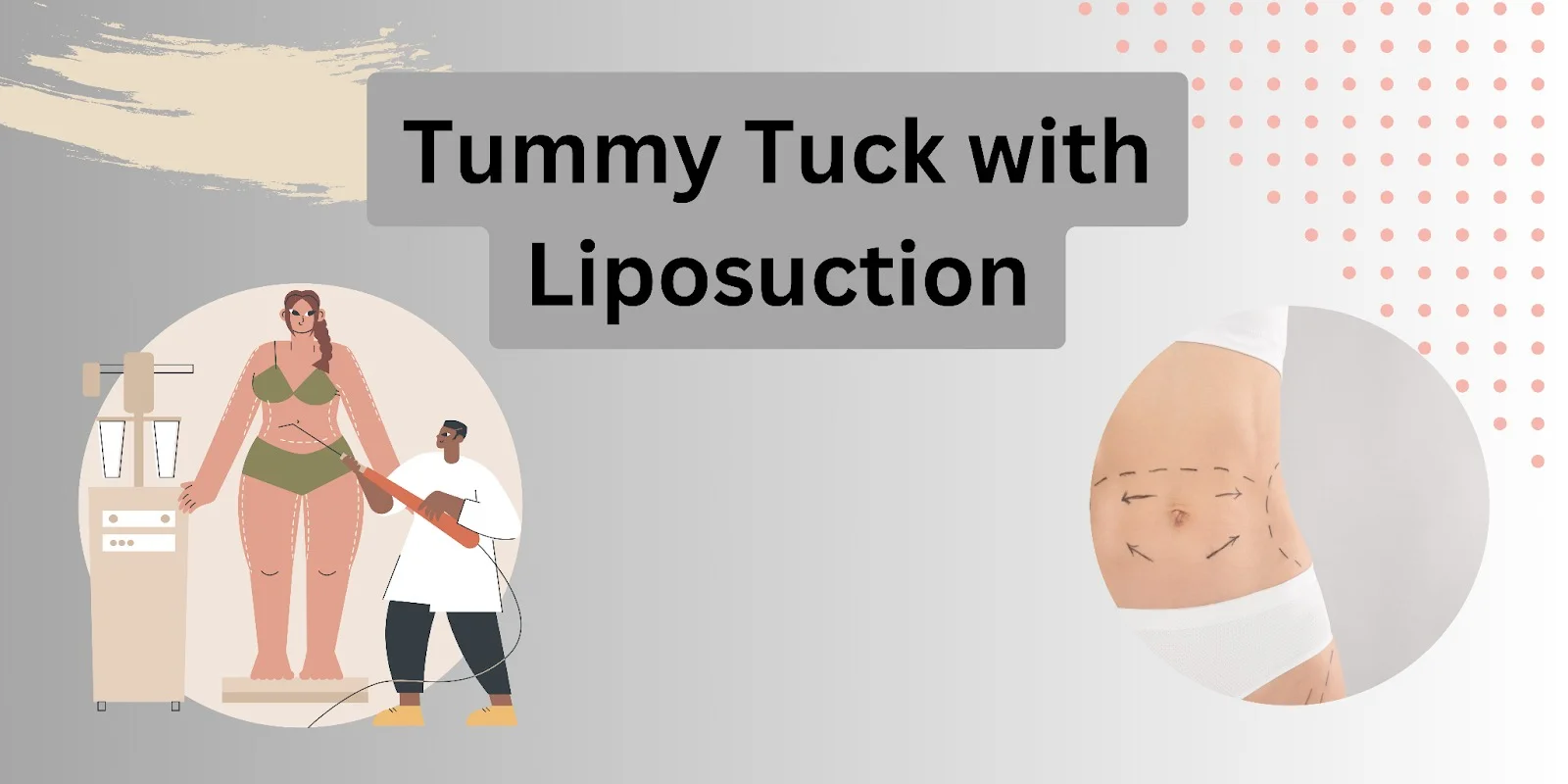
Top 10 Frequently Asked Questions about Tummy Tuck with Liposuction
1. What exactly is a Tummy Tuck with Liposuction?
A Tummy Tuck with Liposuction is a combined cosmetic surgical procedure designed to remove excess skin and fat from the abdomen, while also contouring the area. A tummy tuck (or abdominoplasty) focuses on tightening the abdominal muscles and removing sagging or loose skin that typically results from pregnancy, weight loss, or aging. Liposuction targets areas where fat deposits are stubborn and resistant to diet or exercise, such as the abdomen, waist, and flanks. By combining these two procedures, the surgeon can provide a more sculpted, smooth, and youthful appearance to the abdominal area. The result is a firmer, flatter stomach and a better-proportioned body.
2. Who is a good candidate for a Tummy Tuck with Liposuction?
The ideal candidates for a tummy tuck with liposuction are people who:
-
Have excess skin or fat around the abdominal area, which may result from pregnancy or significant weight loss.
-
Are in overall good health, with no serious conditions such as heart disease or uncontrolled diabetes, which could affect the healing process.
-
Are at or near their ideal weight but have stubborn fat that doesn't respond to exercise or diet.
-
Have realistic expectations about the surgery and are seeking improvement, not perfection.
-
Do not plan for future pregnancies, as abdominal muscles and skin may stretch again, affecting the results.
This surgery is not recommended for individuals with uncontrolled health conditions or those who are actively seeking to lose a significant amount of weight.
3. How is the combined Tummy Tuck with Liposuction surgery performed?
The procedure is typically done under general anesthesia, meaning the patient will be asleep throughout the surgery. The surgeon first performs the tummy tuck by making an incision along the lower abdomen, often in the bikini line, to remove excess skin and tighten abdominal muscles that have been stretched or weakened. Afterward, the surgeon uses liposuction to remove excess fat from the abdomen, flanks, or other areas around the waist. Once the skin is tightened and excess fat is removed, the remaining skin is re-draped over the newly contoured area, and the incision is closed with sutures. Drains may be placed to help with fluid drainage in the initial healing period.
4. What are the risks and complications associated with this surgery?
As with any surgery, there are some risks and potential complications to be aware of:
-
Infection: Any surgical procedure carries the risk of infection, which may require treatment with antibiotics or additional surgery.
-
Bleeding: Some degree of bleeding is expected, but excessive bleeding can occur in some cases, leading to the need for further intervention.
-
Scarring: A tummy tuck requires a long incision, which will leave a permanent scar. However, this is typically hidden under clothing, and over time, the scar will fade.
-
Seroma or fluid buildup: After the surgery, there may be a collection of fluid under the skin, which may need to be drained.
-
Uneven contouring: While rare, there is a chance that the liposuction or tummy tuck results could cause uneven skin surface, which might need revision surgery.
-
Blood clots: As with all surgeries, there is a small risk of deep vein thrombosis (DVT) or pulmonary embolism, which could be life-threatening.
5. What is the expected recovery time after the surgery?
Recovery from a tummy tuck with liposuction typically takes several weeks, with full
recovery taking up to 6 months. Immediately after the surgery, patients may experience
swelling, bruising, and discomfort, especially around the incision sites. In the first
week, most patients are advised to rest and avoid any heavy lifting. During this time, a
compression garment is worn to reduce swelling and support the healing tissues.
Patients can generally return to light activities, such as desk work, after 1-2 weeks.
Strenuous physical activities or exercise should be avoided for at least 6 weeks to
ensure proper healing. The final results will gradually become apparent as the swelling
subsides and the skin tightens, which can take up to 6 months for full results.
6. What kind of results can I expect from the combined surgery?
Patients can expect significant improvement in the appearance of their abdomen, with a
flatter, smoother, and more contoured stomach. The combination of the tummy tuck and
liposuction typically provides a firmer, more youthful abdominal
appearance, especially for those with loose skin, stretched muscles, or
excess fat that doesn't respond to diet and exercise.
The surgery can also help to restore the body's natural shape after pregnancy or major
weight loss, resulting in a more sculpted waistline and an improved overall body
proportion. While the results are long-lasting, maintaining a stable weight and leading
a healthy lifestyle is key to preserving the outcome.
7. How much pain should I expect after the surgery?
Pain after a tummy tuck with liposuction varies from person to person, but most patients
experience mild to moderate discomfort in the days following the
surgery. This is generally managed with pain medications, prescribed by the surgeon.
In the first few days, patients may also experience tightness in the abdomen, as the
skin is being pulled tighter over the muscles. Swelling, bruising, and mild soreness are
also common, but these symptoms generally subside over time. Most patients find that the
pain is manageable and can significantly improve within the first 1-2 weeks.
8. Will I have visible scars after the surgery?
Yes, scarring is an inevitable part of the tummy tuck procedure, as it requires a long
incision to remove excess skin. However, the incision is typically placed along the
bikini line, making it less visible when wearing swimsuits or underwear. Over time, the
scar will fade and become less noticeable, but it will remain visible, especially if the
skin is stretched.
For those concerned about scarring, the surgeon will provide instructions on proper
wound care, and in some cases, treatments like silicone gels or scar massage may be
recommended to help reduce the appearance of the scar.
9. Is the surgery covered by insurance?
Because tummy tuck with liposuction is considered a cosmetic procedure,
it is typically not covered by insurance. However, if the procedure is necessary due to
medical reasons (such as after significant weight loss that causes
excess skin or health issues), some insurance companies may cover part of the costs.
It's important to check with your insurance provider to determine whether you are
eligible for coverage under specific circumstances.
10. How can I maintain the results of my surgery?
To maintain the results of a tummy tuck with liposuction, it is essential to:
-
Follow a healthy diet and exercise routine: Avoid weight fluctuations, as gaining weight can affect the tightness of the skin and the contour of the body.
-
Stay hydrated: Proper hydration helps maintain skin elasticity and overall health.
-
Wear compression garments: These help with swelling reduction and support healing during the recovery period.
-
Avoid smoking: Smoking impairs blood circulation and can negatively affect wound healing and skin elasticity.
By maintaining a healthy lifestyle, the results of the surgery can last for many years, giving you a more youthful, toned abdominal appearance.