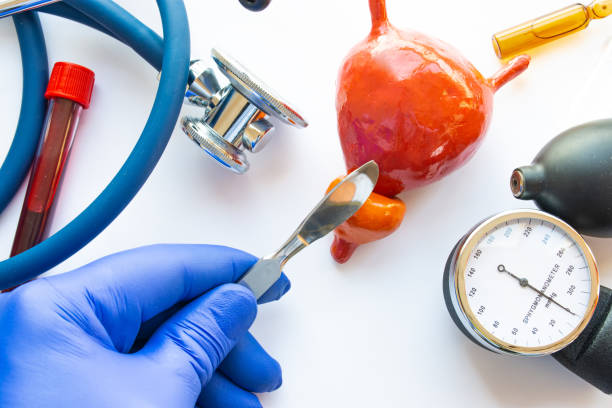
Introduction to TURP / TUEVP
The nasal turbinates are small, curved bony structures located inside the nose, covered by soft tissue and mucosa. These structures are crucial for the proper functioning of the respiratory system. Their primary functions include humidifying, filtering, and warming the air as it is inhaled, ensuring that the air we breathe into our lungs is clean, warm, and properly conditioned. The turbinates help prevent cold air, pollutants, or bacteria from entering the respiratory system by filtering the air.
The turbinates consist of three sets: superior, middle, and inferior, with the inferior turbinates being the largest and most commonly involved in medical procedures. Under normal circumstances, these turbinates adjust the airflow based on the amount of air entering through the nostrils, depending on various factors such as activity level or environmental conditions.
However, when these turbinates become enlarged (a condition called turbinate hypertrophy), they can obstruct nasal passages, leading to difficulty breathing, chronic congestion, snoring, and other nasal problems. This often happens as a result of allergic rhinitis, chronic sinusitis, irritants, or anatomical abnormalities like a deviated septum. When conservative treatments such as nasal sprays, decongestants, or allergy medications fail, surgical intervention like turbinate excision becomes necessary.
Turbinate excision or reduction surgery involves removing or reducing the size of the turbinates to restore proper airflow and relieve symptoms. This can dramatically improve the patient's quality of life by eliminating nasal congestion, improving sleep quality, reducing snoring, and relieving sinus pressure.
Causes and Risk Factors - Why TURP / TUEVP Are Needed
TURP or TUEVP is not a "disease"; it's a treatment for BPH-related obstruction. To understand why surgery is sometimes needed, it helps to look at why the prostate enlarges and who is at risk of ending up with severe symptoms.
2.1 Why the Prostate Enlarges (BPH)
BPH is extremely common as men age. The exact cause is not fully understood, but several mechanisms are known:
-
Age-related hormonal changes: The prostate is sensitive to male hormones (androgens). With age, the balance between testosterone and other hormones changes, promoting growth of prostate cells.
-
Growth of prostate tissue in the "transition zone" around the urethra: As this zone enlarges, it compresses the urethra like a tightened ring.
-
Increased smooth muscle tone: Not only does the gland grow ("static" component), but the muscle within and around the prostate may be overactive ("dynamic" component), further narrowing the urethra.
BPH is benign, meaning not cancer, but it can produce very troublesome urinary symptoms and complications.
2.2 Risk Factors for BPH and Needing TURP/TUEVP
You are more likely to develop BPH - and eventually need surgery like TURP/TUEVP - if you have:
-
Increasing age - BPH is rare under 40, common after 50, and very common after 60.
-
Family history of BPH.
-
Metabolic conditions - obesity, diabetes, and metabolic syndrome have been linked to more severe LUTS.
-
Sedentary lifestyle and poor diet - may worsen metabolic factors and inflammation.
-
Chronic bladder outlet obstruction that has not responded to medicines or minimally invasive procedures.
2.3 When BPH Progresses to the Point that Surgery is Considered
Surgery such as TURP or TUEVP is usually considered when:
-
Urinary symptoms are moderate to severe and significantly affect daily life.
-
There is recurrent urinary retention (unable to pass urine without a catheter).
-
There are complications like recurrent urinary tract infections, bladder stones, bleeding from the prostate, or damage to kidneys due to back-pressure.
-
Medical therapy (alpha-blockers, 5-alpha-reductase inhibitors) and lifestyle measures have failed or are not tolerated.
Symptoms and Signs - When TURP / TUEVP May Be Needed
TURP/TUEVP is usually offered to men whose enlarged prostate is causing significant lower urinary tract symptoms (LUTS) or obstruction.
3.1 Common Urinary Symptoms of BPH
Typical symptoms that may eventually lead to surgery include:
-
Voiding (emptying) symptoms
-
Weak or interrupted urinary stream
-
Difficulty starting urination (hesitancy)
-
Straining or pushing to pass urine
-
Dribbling at the end of urination
-
Feeling that the bladder has not completely emptied
-
-
Storage (irritative) symptoms
-
Increased frequency - needing to pass urine more often
-
Nocturia - waking multiple times at night to urinate
-
Urgency - sudden strong urge to urinate
-
Occasional urgency incontinence (leakage if toilet not reached in time)
-
3.2 Warning Signs and Complications
Certain signs suggest that BPH has progressed and may require more aggressive treatment like TURP/TUEVP:
-
Acute urinary retention - sudden inability to pass urine, painful bladder swelling; usually needs emergency catheterization.
-
Recurrent urinary retention or need for long-term catheter.
-
Recurrent urinary tract infections related to poor bladder emptying.
-
Bladder stones or thickening of the bladder wall.
-
Blood in the urine (hematuria) due to congested prostate vessels.
-
Evidence of kidney damage on blood tests or imaging due to longstanding back-pressure.
When such symptoms and complications are present and medicines are no longer effective, TURP or TUEVP becomes a strong option.
Diagnosis - Evaluation Before TURP / TUEVP
Before recommending TURP or TUEVP, the urologist performs a careful evaluation to confirm that symptoms are due to BPH and to rule out other problems such as prostate cancer or neurological bladder disorders.
4.1 Clinical History and Symptom Scoring
-
Detailed questioning about pattern, severity, and duration of urinary symptoms.
-
Use of IPSS (International Prostate Symptom Score) to classify symptoms as mild, moderate, or severe.
-
Review of medications, general health, sexual function, and impact on quality of life.
4.2 Physical Examination
-
Digital rectal examination (DRE) to estimate prostate size and feel for unusual hard nodules that might suggest prostate cancer.
-
Examination of abdomen and external genitals, looking for bladder distension or hernias.
4.3 Basic Laboratory Tests
-
Urinalysis - to rule out infection or blood in urine.
-
Blood tests - kidney function, sometimes PSA (prostate-specific antigen) to screen for prostate cancer risk (keeping in mind PSA can be elevated in BPH as well).
4.4 Functional and Imaging Tests
According to commonly used BPH guidelines, additional tests may be performed to plan surgery:
-
Uroflowmetry - measures how fast the urine flows; a weak maximum flow (Qmax) supports obstruction.
-
Post-void residual urine (PVR) - ultrasound or catheter measurement of how much urine remains after voiding.
-
Prostate ultrasound - either abdominal or transrectal, to measure prostate size and shape.
-
Cystoscopy - a small camera inserted through the urethra to directly view the urethra, prostate, and bladder if needed (e.g., before surgery).
4.5 Deciding on Surgery
Combining symptom scores, exam findings, test results, and patient preference, the urologist discusses options:
-
Continue or adjust medical therapy.
-
Use minimally invasive office procedures.
-
Or proceed to surgical intervention - TURP, TUEVP or another technique - when symptoms or complications justify it.
Treatment Options - What TURP and TUEVP Involve
This section can explain in detail what happens during TURP and TUEVP, how they differ, and what alternatives exist.
5.1 TURP - How It Is Done
-
Performed under spinal or general anesthesia.
-
A resectoscope is passed through the urethra up to the prostate.
-
The surgeon uses an electrical loop to cut away small chips of prostate tissue, which are washed into the bladder and then removed.
-
The resected tissue is sent for laboratory analysis (histology) to exclude unexpected cancer.
-
A urinary catheter is placed at the end of the procedure, with irrigation fluid running initially to prevent blood clot blockage.
Historically, TURP used monopolar energy and non-saline irrigation, which carried a risk of "TURP syndrome" (fluid absorption problems). Modern systems commonly use bipolar energy in saline, which reduces fluid-related complications and is widely endorsed.
5.2 TUEVP / TUVP - How It Is Done
-
The initial steps (anesthesia, endoscopic access) are similar.
-
Instead of a cutting loop, the surgeon uses a special vaporization electrode or "button".
-
Prostate tissue is vaporized layer by layer, turning it to gas and leaving a smooth cavity; there are no tissue "chips" to remove.
-
TUEVP is often done with bipolar technology, allowing surgery in saline and offering better control of bleeding.
Studies comparing TUEVP with TURP show:
-
Similar symptom relief and urine-flow improvement at follow-up.
-
Less bleeding, shorter catheter time and hospital stay in many series with vaporization.
-
Slightly higher rates of needing secondary surgery in some long-term data, depending on technique and surgeon experience.
5.3 Other Alternatives (For Context)
Your article can briefly mention alternatives, to show TURP/TUEVP in context:
-
Medical therapy - alpha-blockers, 5-alpha-reductase inhibitors, combination treatment.
-
Laser procedures - e.g., laser vaporization or laser enucleation.
-
Simple prostatectomy / open or robotic surgery - for very large prostates.
-
Minimally invasive office procedures (implants, water-based therapies) - usually for selected patients with moderate symptoms.
But TURP and bipolar vaporization procedures like TUEVP are still core options worldwide, particularly for men with moderate to severe symptoms or complications.
Prevention and Management - Before and After TURP / TUEVP
This heading can cover two things: avoiding or delaying surgery where possible, and optimizing outcomes when surgery is chosen.
6.1 Preventing or Delaying the Need for Surgery
Although age-related prostate growth cannot be fully prevented, men can potentially delay progression or reduce symptom burden by:
-
Healthy lifestyle - maintaining ideal body weight, exercising regularly, and eating a balanced diet.
-
Managing metabolic conditions like diabetes and high blood pressure.
-
Avoiding excessive evening fluid intake, caffeine, and alcohol if they worsen nocturia.
-
Seeking early medical advice when urinary symptoms first appear rather than waiting until severe obstruction develops.
-
Using prescribed medications under supervision, and attending follow-up visits to monitor progression.
6.2 Pre-operative Management
Before TURP/TUEVP, the team will:
-
Review general health, heart and lung status, and medications (especially blood thinners).
-
Treat any urinary infection before surgery.
-
Explain the procedure, anesthesia, expected hospital stay, and potential effects on ejaculation and sexual function.
-
Discuss fertility considerations, as retrograde ejaculation is very common after these operations.
6.3 Post-operative Management and Lifestyle
After surgery, proper care is essential:
-
Hospital stay is usually 1-3 days for TURP; often similar or slightly shorter for TUEVP, depending on health status and local practice.
-
A catheter remains in place for 1-3 days, sometimes a bit longer, to allow healing and continuous bladder irrigation.
-
Once at home, patients are advised:
-
Drink plenty of fluids for a couple of weeks to flush the bladder.
-
Avoid heavy lifting, strenuous exercise, and sexual activity for 4-6 weeks.
-
Expect some burning, urgency, or slight blood in urine for a short period - this usually improves as healing progresses.
-
Long-term, maintaining a healthy lifestyle, regular follow-up, and prompt reporting of new symptoms (like blood in urine or difficulty passing urine again) helps preserve the benefits of surgery.
Complications of TURP / TUEVP
Although most men do well, it's important to explain possible complications clearly and realistically.
7.1 Short-Term / Early Complications
Reported early complications include:
-
Bleeding - mild blood in the urine is common for several days; significant bleeding or blood clots may rarely require transfusion or re-operation.
-
Infection - urinary tract infection or prostatitis; usually treated with antibiotics.
-
Temporary difficulty urinating - some men cannot pass urine after the catheter is removed and may need a temporary catheter again.
-
TURP syndrome - a rare fluid absorption problem, now uncommon with modern bipolar and saline techniques.
-
Bladder irritation - burning, frequency, urgency are common but typically settle over weeks.
TUEVP, particularly with bipolar technology, is often reported to have less intra-operative blood loss and lower need for transfusion compared with conventional TURP, though symptom relief is similar.
7.2 Long-Term Complications
Longer-term complications to mention include:
-
Retrograde ejaculation (dry orgasm) - in most men, semen goes backwards into the bladder instead of out through the penis; orgasm is still felt but fertility is reduced.
-
Erectile dysfunction - a small percentage (often quoted ~7-10%) may notice new or worsened difficulty with erections; many others see no change.
-
Urinary incontinence - rare, especially long-term, but can occur; usually improves with time and pelvic floor exercises.
-
Urethral stricture or bladder neck contracture - scar tissue can narrow the urethra or bladder outlet months or years later, sometimes needing further surgery or dilatation.
-
Need for repeat surgery - because some prostate tissue is left behind, the gland can continue to grow. Roughly 1 in 10 men may need another operation 10-15 years later, depending on age and growth rate.
For TUEVP, long-term complications appear broadly similar, though some series suggest a slightly higher rate of needing repeat procedures; on the other hand, bleeding and catheter time are often lower.
It's important to highlight that serious life-threatening complications are rare and overall mortality from TURP/TUEVP in modern practice is very low.
Living with the Condition After TURP / TUEVP
Finally, your article can reassure patients about what life is like after these procedures.
8.1 Recovery Timeline and Daily Life
Most men notice:
-
First few days to weeks - some burning when passing urine, increased frequency and urgency, and mild blood in the urine - all part of the healing process.
-
Within 4-6 weeks - urinary flow usually becomes much stronger, and symptoms of obstruction improve markedly.
-
3 months and beyond - final result is clearer; many men report major improvement in quality of life, sleep, and confidence in being able to pass urine normally.
Men can typically return to light work within a couple of weeks, depending on the job, and to more strenuous activity after 4-6 weeks, as advised by their surgeon.
8.2 Sexual Function and Fertility
-
Sexual desire and ability to have an erection often stay the same, though a small risk of erectile dysfunction exists.
-
Ejaculation changes are very common - most men experience retrograde ejaculation (semen flows into bladder). This does not affect sensation of orgasm but does reduce fertility.
-
For men who still wish to father children, sperm banking or alternative approaches may be discussed before surgery.
8.3 Long-Term Follow-Up and Quality of Life
Long-term, most men experience:
-
Sustained relief of urinary symptoms and freedom from catheter dependence.
-
Lower risk of recurrent urinary retention, infection, and bladder stones compared to untreated severe BPH.
-
A need for ongoing general health monitoring - prostate can still grow, and age-related issues (including prostate cancer risk) must still be checked as recommended.
Regular urology follow-up allows early detection of any late complications such as strictures or recurrent symptoms and discussion of further options if needed.
Top 10 Frequently Asked Questions about TURP/TUEVP
1. What are TURP and TUEVP, and why are they performed?
TURP (Transurethral Resection of the Prostate) and TUEVP (Transurethral Enucleation of the Prostate) are both procedures designed to treat benign prostatic hyperplasia (BPH), a condition in which the prostate gland enlarges and obstructs the flow of urine. Both surgeries are performed through the urethra, meaning no external incisions are made.
-
TURP involves removing prostate tissue using a resectoscope, which cuts away the excess tissue obstructing the urethra.
-
TUEVP uses a technique where a laser or other specialized tools are used to enucleate (remove) the excess tissue, allowing for more precision in removing larger portions of the prostate.
These procedures are typically recommended for patients who suffer from symptoms of BPH, such as frequent urination, difficulty starting or stopping urination, weak urine flow, and nocturia (frequent nighttime urination), and when other treatments (medications or lifestyle changes) have not provided relief.
2. Who is a good candidate for TURP or TUEVP surgery?
Candidates for these surgeries are typically men with moderate to severe symptoms of BPH that interfere with their quality of life, such as:
-
Chronic urinary retention or the inability to fully empty the bladder
-
Recurrent urinary tract infections (UTIs) due to urinary retention
-
Bladder stones
-
Significant discomfort or sleep disturbance from nocturia
-
When medications have failed to control the symptoms or are causing intolerable side effects
Patients should be in good overall health, as both TURP and TUEVP are major procedures. Those with serious heart or lung conditions, or those who are not good candidates for surgery due to other health issues, may need alternative treatments.
3. How are TURP and TUEVP performed?
Both procedures are performed under general or spinal anesthesia. The surgeon uses a thin tube, called a resectoscope (for TURP) or laser instrument (for TUEVP), which is inserted into the urethra.
-
TURP involves the surgeon using a small electric loop to cut away excess prostate tissue obstructing the urethra. The tissue is removed in small pieces and flushed out through the urethra.
-
TUEVP, on the other hand, uses a laser or specialized energy to vaporize or enucleate the prostate tissue more precisely, offering potential advantages for patients with larger prostates or those at higher risk for bleeding.
Both procedures typically take 1-2 hours and are done as outpatient surgeries, meaning you can often go home the same day.
4. What improvements can patients expect after TURP or TUEVP?
After the surgery, most patients experience significant improvement in urinary function. The relief from symptoms can be dramatic, with many men reporting:
-
Improved urine flow: A marked reduction in the need to strain during urination.
-
Less nocturia: Reduced frequency of urinating at night, leading to better sleep quality.
-
Reduced urgency and frequency of urination.
-
Easier bladder emptying and better control over urination.
Most patients see improvements within a few days to weeks after the catheter is removed, and full benefits are often seen within 3-6 months as the prostate heals.
5. What are the risks and complications of TURP and TUEVP?
Like any surgery, TURP and TUEVP come with risks and potential complications, including:
-
Bleeding: This is the most common complication, though it is usually manageable. Severe bleeding may require additional intervention.
-
Infection: As with any surgery, there is a risk of infection, especially urinary tract infections or bladder infections.
-
Retrograde ejaculation: After surgery, some men may experience dry orgasms, where semen flows backward into the bladder rather than out through the urethra. While not harmful, it can be a concern for those who wish to preserve fertility.
-
Erectile dysfunction: Although rare, there is a small risk of damage to the nerves controlling erection function, which could lead to erectile dysfunction.
-
Urethral stricture: In some cases, scar tissue may form and narrow the urethra, leading to difficulty urinating or requiring further treatment.
-
Incontinence: Temporary incontinence (inability to control urination) is possible after the surgery but is rare and typically resolves as healing progresses.
6. What is the recovery process like after TURP or TUEVP?
After the procedure, patients typically stay in the hospital for 1-2 days, especially if a catheter is placed to drain urine from the bladder. Recovery includes:
-
Immediate aftercare: Pain relief, fluids, and monitoring of the surgical site. The catheter is usually removed within a couple of days.
-
Post-surgery symptoms: Some discomfort, mild bleeding, or irritation while urinating is common in the first few days after surgery.
-
Physical restrictions: Strenuous activities, heavy lifting, and sexual activity should be avoided for 4-6 weeks.
-
Follow-up: Regular follow-up visits will be necessary to monitor healing and address any potential complications. It may take 3-6 months to see the full effects of the surgery.
-
Most patients resume light daily activities within 1-2 weeks, but complete recovery may take several weeks to months.
7. Will I be able to urinate normally immediately after surgery?
Most men experience significant improvement in urine flow within days after surgery, once
the catheter is removed and the swelling in the prostate begins to subside. However,
there may be some mild discomfort or burning sensations while urinating during the first
few days or weeks.
It may take a few weeks for the urinary system to fully adjust, and some men may
experience mild symptoms such as frequency or urgency initially. Full recovery of
bladder function can take several months, but most patients experience substantial
relief from urinary symptoms soon after surgery.
8. How long do the results of TURP or TUEVP last?
The results of TURP and TUEVP are generally long-lasting. These surgeries are considered
effective solutions for relieving symptoms of benign prostatic hyperplasia
(BPH).
However, the prostate may continue to grow slowly over time, and while the surgery
significantly improves symptoms, some men may experience a recurrence of symptoms years
after surgery, especially if they have larger prostates or other underlying issues.
In rare cases, further treatment or even a repeat surgery may be necessary.
9. Will TURP or TUEVP affect my sexual function?
While most men do not experience significant changes in sexual function after TURP or TUEVP, some men may experience:
-
Retrograde ejaculation: This occurs when semen is redirected into the bladder during ejaculation, resulting in a dry orgasm. This is common and does not affect sexual pleasure, but it can affect fertility.
-
Erectile dysfunction: Though rare, damage to nerves during surgery can affect erectile function. Most men can still achieve sexual satisfaction, but it may take time for full recovery.
It's important to discuss any concerns about sexual health with your doctor before surgery, especially if fertility is a concern.
10. What lifestyle changes or precautions should I take after surgery?
To optimize recovery and results:
-
Avoid heavy lifting or strenuous physical activity for about 4-6 weeks after surgery.
-
Drink plenty of fluids to flush the bladder and prevent infection.
-
Follow-up appointments are essential to monitor progress and detect any potential complications early.
-
Maintain a healthy lifestyle: Eat a balanced diet, stay active, and manage underlying conditions like diabetes or hypertension to promote overall health and reduce the risk of prostate problems in the future.