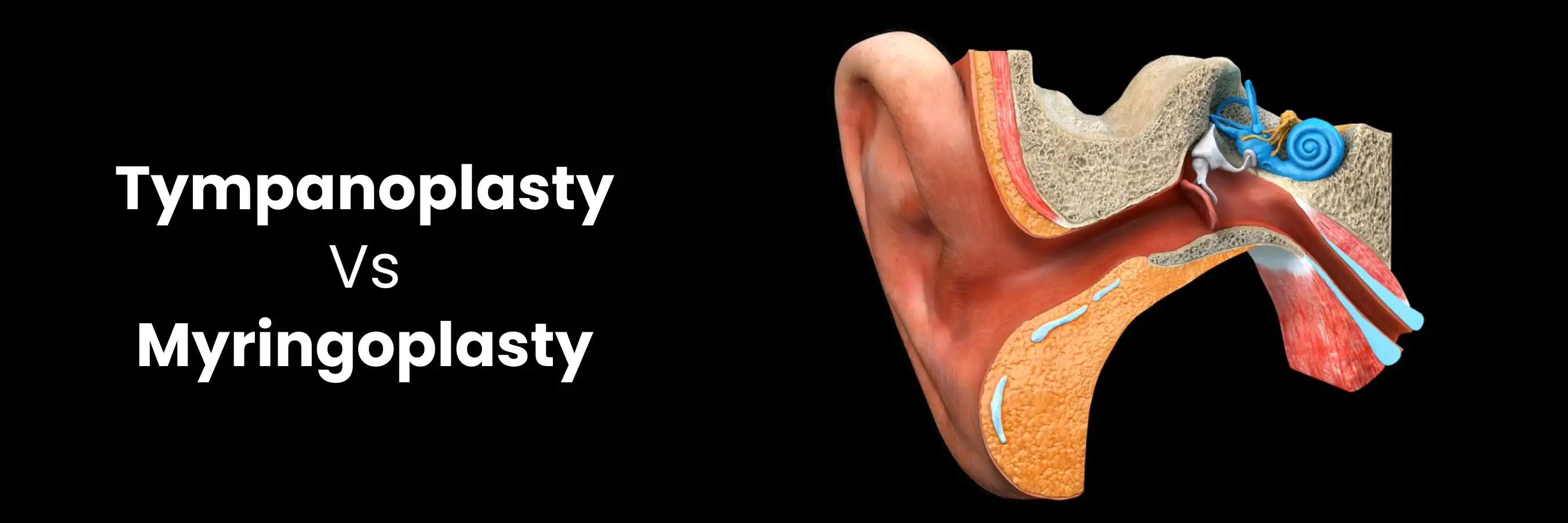
Introduction to Tympanoplasty / Myringoplasty
Tympanoplasty and myringoplasty are two essential surgical procedures performed to repair damage to the eardrum (tympanic membrane). The eardrum serves a crucial function in hearing; it vibrates when sound waves reach it, passing these vibrations to the ossicles (small bones in the middle ear) which then transmit sound to the inner ear. When the eardrum is damaged - whether through infection, trauma, or congenital issues - the process of hearing can be impaired.
Myringoplasty refers specifically to the repair of a perforated eardrum. It is generally performed when the eardrum has a hole or tear but the middle ear structures, including the ossicles (the small bones that help transmit sound), are healthy. Myringoplasty does not require any alteration of the ossicles, focusing only on closing the hole in the eardrum using grafts of tissue (typically from the patient's own body).
On the other hand, Tympanoplasty is a broader surgical approach that may include myringoplasty, but it also involves more extensive work when middle ear structures like the ossicles are damaged. Tympanoplasty aims to repair the tympanic membrane as well as reconstruct any damaged ossicles in the middle ear. This surgery is usually performed for more complicated cases where the eardrum is not the only part that needs repair.
Both procedures aim to restore normal hearing, prevent recurrent ear infections, and improve the patient's quality of life. Tympanoplasty and myringoplasty are often indicated when a perforated eardrum fails to heal on its own, causing hearing loss, ear discharge, or persistent infections.
Causes and Risk Factors for Tympanoplasty / Myringoplasty
A variety of conditions can cause damage to the eardrum, leading to the need for tympanoplasty or myringoplasty. These causes can range from chronic infections to trauma.
Common Causes of Eardrum Damage
-
Chronic Ear Infections: Persistent or recurrent middle ear infections (otitis media) are the leading cause of tympanic membrane perforation. These infections can weaken the eardrum over time, causing it to break or develop holes. When left untreated or when infections are recurrent, they can lead to permanent damage, necessitating surgical repair.
-
Trauma: Physical injury to the ear can also lead to a perforated eardrum. This may be due to a blow to the ear, insertion of foreign objects (e.g., cotton swabs), or sudden changes in pressure (barotrauma) from flying, diving, or loud explosions.
-
Cholesteatoma: A cholesteatoma is a growth of abnormal skin cells in the middle ear, which can erode the eardrum and ossicles. If left untreated, it can lead to a perforation of the eardrum and hearing loss.
-
Surgical Complications: Sometimes, previous surgeries in the ear (such as the insertion of ventilation tubes) may cause the eardrum to perforate. Surgical errors or post-operative infections may contribute to such complications.
-
Eustachian Tube Dysfunction: The Eustachian tube is responsible for equalizing pressure in the middle ear. If this tube does not function properly, it can lead to fluid buildup behind the eardrum, increasing the risk of perforation or infection.
-
Increased Risk of Perforation: Individuals who suffer from systemic conditions (e.g., autoimmune diseases, diabetes) may experience a slower healing process, increasing the risk of developing a permanent perforation.
Risk Factors
-
Exposure to loud noises (e.g., concerts, industrial sounds, loud machinery) can damage the eardrum over time.
-
Recurrent respiratory infections, particularly in children, can affect ear health and make the eardrum more susceptible to perforation.
-
Use of cotton swabs or foreign objects in the ear can push wax or debris deeper, causing injury or infection in the ear canal or eardrum.
Symptoms and Signs Indicating the Need for Tympanoplasty / Myringoplasty
A perforated eardrum and middle ear disease lead to a range of symptoms that can be bothersome and significantly impact quality of life. Patients with these conditions often report the following signs:
-
Hearing Loss: The most common symptom of a perforated eardrum is hearing loss, specifically conductive hearing loss. This happens when the eardrum or ossicles are unable to transmit sound properly. The level of hearing loss depends on the size and location of the perforation. Larger holes in the eardrum result in more significant hearing impairment.
-
Ear Discharge: Chronic ear infections, resulting from a perforated eardrum, often lead to persistent discharge from the ear. This discharge can vary from clear to pus-like, often with an unpleasant odor. In some cases, the discharge may be blood-tinged.
-
Ear Fullness or Pressure: Many patients describe a sensation of fullness or pressure in the affected ear. This is due to the accumulation of fluid behind the eardrum or inflammation within the middle ear.
-
Pain or Discomfort: Some individuals with a perforated eardrum experience pain or discomfort in the ear, particularly if there is an active infection or inflammation in the middle ear.
-
Tinnitus (Ringing in the Ear): Another common symptom is tinnitus, which is the perception of ringing or buzzing sounds in the ear. This may occur intermittently or persistently, particularly in cases where the eardrum is damaged or fluid is present in the middle ear.
-
Dizziness or Imbalance: In more severe cases, a perforation or middle ear infection may cause dizziness, vertigo, or a feeling of imbalance, as the inner ear, which is responsible for balance, may also be affected.
If any of these symptoms are present, especially if they persist for more than a few days or weeks, a visit to an ENT specialist is essential to determine the cause and recommend appropriate treatment.
Diagnosis of Tympanoplasty / Myringoplasty
The diagnosis of a perforated eardrum or middle ear disease begins with a detailed medical history and a physical examination.
Diagnostic Procedures
-
Otoscopy: An otoscope is used to visually inspect the ear canal and eardrum. This allows the doctor to assess the size and location of any perforation and check for signs of infection or other abnormalities. If the perforation is large or in a difficult-to-see area, a microscopic examination may be used for a more detailed view.
-
Audiometry: Hearing tests are performed to measure the degree of hearing loss caused by the perforation or middle ear dysfunction. These tests assess both air-conduction and bone-conduction thresholds.
-
Tympanometry: This test measures the movement of the eardrum in response to changes in air pressure. It helps determine if the eardrum is functioning properly or if there is fluid in the middle ear.
-
Imaging: If there is concern about underlying middle ear disease (e.g., cholesteatoma, ossicular erosion), a CT scan or MRI may be used to obtain detailed images of the middle ear and temporal bone. This helps the surgeon evaluate the extent of damage and plan the surgery.
-
Eustachian Tube Function Test: Since dysfunction of the Eustachian tube can contribute to ear pressure and fluid accumulation in the middle ear, this test may be performed to assess the tube's ability to regulate ear pressure.
A thorough diagnosis helps the doctor determine the best treatment plan, whether that involves conservative management or surgical intervention like tympanoplasty or myringoplasty.
Treatment Options for Tympanoplasty / Myringoplasty
The main treatment for a perforated eardrum is surgical repair when conservative methods (such as antibiotics, ear drops, or keeping the ear dry) fail to heal the perforation.
Conservative Treatment (For Small or Recent Perforations)
-
Ear Drops and Antibiotics: If the perforation is small and there is no active infection, the doctor may recommend ear drops or oral antibiotics to treat any underlying infection.
-
Observation: Small perforations often heal on their own, so the doctor may choose to monitor the ear for a few weeks or months to allow natural healing.
-
Paper Patch Myringoplasty: In some cases, a paper patch is placed over the perforation to encourage healing. This is often used for small, uncomplicated perforations.
Surgical Treatment: Tympanoplasty or Myringoplasty
When a perforation does not heal on its own or if there are recurrent infections, tympanoplasty or myringoplasty may be recommended.
-
Myringoplasty: This procedure involves using a tissue graft (often from the patient's own temporalis fascia) to repair the perforated eardrum. The graft is placed under the eardrum to cover the hole, promoting healing and restoring the integrity of the membrane.
-
Tympanoplasty: In more extensive cases, tympanoplasty is performed. This surgery not only repairs the eardrum but also addresses any issues with the ossicles (middle ear bones) if they are damaged. Tympanoplasty is categorized into different types (Type I-V) depending on the extent of middle ear involvement.
-
Type I: Simple eardrum repair.
-
Type II-III: Involves reconstruction of ossicles (malleus, incus, stapes).
-
Type IV-V: More complex surgeries, including reconstruction with prostheses when the ossicles are severely damaged or absent.
-
Prevention and Management of Tympanoplasty / Myringoplasty
Preventing tympanic membrane perforations and promoting optimal recovery after surgery require diligent care both before and after surgery.
Preventive Measures Before Surgery
-
Ear Protection: Avoid trauma to the ear by wearing ear protection in noisy environments (e.g., concerts, factories, loud machinery).
-
Avoid Water Exposure: Patients should avoid swimming, submerging the ear in water, or exposing the ear to moisture until the perforation is healed or surgery is performed.
-
Treat Ear Infections Promptly: Any signs of ear infection, such as ear pain, discharge, or hearing loss, should be treated immediately to prevent the perforation from worsening.
-
Proper Ear Hygiene: Refrain from inserting objects into the ear canal, which can cause damage to the eardrum.
Post-Surgical Care and Management
-
Keep the Ear Dry: After surgery, it is essential to keep the ear dry. This may involve using earplugs while bathing or showering and avoiding water activities such as swimming.
-
Avoid Straining: Patients should avoid activities that increase pressure in the ear, such as nose blowing or heavy lifting, to prevent dislodging the graft.
-
Pain Management: Most patients experience mild discomfort following surgery, which can be managed with over-the-counter pain relievers.
-
Follow-Up Appointments: Regular check-ups with the surgeon are necessary to monitor the healing process, remove any packing used during surgery, and check for signs of infection or complications.
-
Avoid Loud Noises: Patients should avoid exposure to loud environments during the healing process, as this can potentially damage the repaired eardrum or middle ear structures.
Complications of Tympanoplasty / Myringoplasty
Though these procedures are generally safe, like any surgery, there are potential risks and complications that patients should be aware of. Some of the most common complications include:
-
Graft Failure: The graft used to repair the eardrum may not integrate properly, leading to a persistent perforation. This can happen due to infection, poor healing, or trauma to the ear during recovery.
-
Ear Infection: Infection can occur after surgery, especially if the ear is not kept dry or if there is poor post-operative care.
-
Hearing Loss: While the goal of tympanoplasty and myringoplasty is to restore hearing, there is a risk that hearing may not improve, particularly if the ossicles are damaged or the graft fails.
-
Dizziness: Some patients experience dizziness or balance issues, which are usually temporary and related to the pressure changes during surgery.
-
Persistent Ear Fullness or Pain: Some patients report ongoing ear fullness or mild discomfort following surgery, which typically resolves as the ear heals.
Living with Tympanoplasty / Myringoplasty
After undergoing tympanoplasty or myringoplasty, patients can expect to experience a gradual recovery process. The ear will need time to heal, and full hearing improvement may take several weeks to months.
Post-Surgical Expectations
-
Initial Healing Period: The first few days after surgery will involve some discomfort, fullness, and possibly minor drainage. It's essential to follow post-operative instructions carefully to ensure the graft stays in place.
-
Hearing Improvement: Most patients will notice a gradual improvement in hearing after surgery. However, hearing may not return to normal immediately, and it may take several weeks to months for full recovery.
-
Ongoing Care: Regular follow-up visits with the surgeon are essential to ensure proper healing and to check for any signs of complications.
Quality of Life
Tympanoplasty and myringoplasty can significantly improve the patient's quality of life by restoring hearing and reducing the frequency of ear infections. Most patients experience a marked improvement in their ability to hear clearly, communicate effectively, and engage in daily activities without the burden of recurrent ear problems.
Top 10 Frequently Asked Questions about Tympanoplasty Or Myringoplasty
1. What are Tympanoplasty and Myringoplasty - and how do they differ?
Tympanoplasty is a surgical procedure used to repair a damaged or
perforated eardrum (tympanic membrane). In some cases, it also involves the
reconstruction of the ossicles (the small bones in the middle ear that transmit sound).
Tympanoplasty is typically performed when there's a hole in the eardrum or if there is
damage to the middle ear structures that affects hearing.
On the other hand, Myringoplasty is a more specific form of surgery,
focusing only on the repair of a perforated eardrum. In this procedure, the surgeon
places a graft over the perforation to close the hole, improving ear function and
preventing recurrent ear infections.
In short, Myringoplasty only addresses the eardrum, while
Tympanoplasty may also involve reconstructing middle ear structures,
depending on the severity of the damage.
2. Why is Tympanoplasty or Myringoplasty necessary?
These procedures are recommended when an individual has a hole in the eardrum or damage to the middle ear structures that results in hearing loss, frequent infections, or discomfort. A perforated eardrum can be caused by:
-
Chronic ear infections, which weaken the eardrum and cause it to rupture.
-
Injury or trauma to the ear.
-
Underlying conditions such as chronic sinusitis or barotrauma (pressure changes).
If left untreated, a perforated eardrum or middle ear dysfunction can lead to recurrent infections, hearing loss, and more serious ear problems. Tympanoplasty or Myringoplasty helps prevent complications, restores hearing, and reduces the likelihood of recurring infections.
3. How is the Tympanoplasty or Myringoplasty procedure performed?
Tympanoplasty and Myringoplasty are generally performed under general anesthesia, so the patient is asleep during the surgery. The surgeon may either access the ear through the ear canal or make a small incision behind the ear to reach the eardrum.
-
In Myringoplasty, the surgeon carefully removes any damaged tissue around the perforation and then places a graft (often taken from the patient's own tissue, such as fascia or cartilage) to cover the hole in the eardrum.
-
In Tympanoplasty, the surgeon may also need to reconstruct the ossicles (the tiny bones in the middle ear) if they are damaged. The surgeon uses specialized instruments to repair or replace the ossicles to restore normal hearing function.
The eardrum is then sealed, and the incision is closed. A cotton wick or other material may be placed in the ear to assist in healing and prevent infection.
4. What improvements can I expect after the surgery?
The main benefits of Tympanoplasty and Myringoplasty include:
-
Improved hearing: After surgery, most patients experience a significant improvement in their hearing, especially if the perforation or ossicle damage was impairing sound conduction.
-
Prevention of ear infections: By closing the perforation, the ear is better protected from bacteria and water, reducing the risk of chronic infections and fluid buildup.
-
Restoration of ear health: With the eardrum and middle ear structures repaired, the ear will be healthier and less prone to complications such as discharge, pain, or hearing loss.
5. What are the risks and potential complications of Tympanoplasty or Myringoplasty?
As with any surgery, there are risks involved:
-
Infection: Infection is a potential risk after any surgery. It is particularly important to keep the ear dry and clean during the healing process to avoid infections.
-
Graft failure: In some cases, the graft used to repair the perforated eardrum may fail to take or may dislodge, requiring additional surgery.
-
Hearing issues: While the goal is to improve hearing, in some cases, the hearing improvement may be limited, especially if the damage to the ossicles is severe or if the eardrum does not heal properly.
-
Tinnitus (ringing in the ear): Some patients may experience temporary or persistent ringing in the ear after surgery.
-
Changes in ear pressure or fullness: This is common during the initial healing phase but usually resolves after the ear has healed.
-
Scarring: A small scar may form inside the ear, but it typically does not affect ear function.
6. What is the recovery process like after the surgery?
The recovery process from Tympanoplasty or Myringoplasty typically includes the following:
-
Hospital stay: Most patients can go home the same day after surgery, although some may need to stay in the hospital for 1-2 days if needed.
-
Post-surgery symptoms: Some discomfort, mild pain, and drainage from the ear may occur in the first few days after surgery. This can usually be managed with prescribed pain medications.
-
Ear packing: If packing or dressings are placed in the ear, they are typically removed within a few days to a week, depending on the type of surgery.
-
Full recovery: Most patients can return to light activities within 1-2 weeks, but more strenuous activities should be avoided for 4-6 weeks to allow the ear to heal properly. Complete hearing recovery may take 3-6 months, although patients often experience significant improvement in the first few weeks.
7. Will I have visible scars after Tympanoplasty or Myringoplasty?
In most cases, Tympanoplasty and Myringoplasty are performed through the ear canal or with a small incision behind the ear. The incision is usually well-hidden and will not be visible after healing. If the surgeon opts for an incision behind the ear, the scar is typically small and discreet, fading over time. The goal is to minimize visible scarring while ensuring access to the eardrum for repair.
8. How soon will I notice improvements in my hearing after the surgery?
The improvement in hearing can be noticeable within a few days to weeks after surgery, especially once the packing is removed and swelling decreases. However, full hearing restoration and the final results of the surgery may take 2-3 months as the ear heals. It is important to follow up with your doctor during this period to assess healing and monitor any potential issues. In some cases, hearing may continue to improve for several months as the ear fully recovers.
9. What precautions should I take after Tympanoplasty or Myringoplasty?
To ensure proper healing, patients must:
-
Keep the ear dry: Avoid getting water in the ear during showers, baths, or swimming for several weeks after surgery.
-
Avoid heavy lifting and strenuous activities: These activities can increase pressure in the ear and disrupt healing. Avoid them for at least 4-6 weeks.
-
Follow-up appointments: Regular check-ups with your doctor are essential to monitor the healing process, remove any packing, and assess hearing.
-
Ear care: Use prescribed ear drops, if given, and follow the surgeon's instructions for cleaning the ear and managing discomfort.
10. Can children undergo Tympanoplasty or Myringoplasty, and how does recovery differ?
Yes, Tympanoplasty and Myringoplasty can be performed on children, especially if they suffer from recurrent ear infections, chronic ear discharge, or a persistent perforated eardrum that doesn't heal on its own. Children typically recover well from these procedures, but extra care must be taken to prevent water entry into the ear and ensure proper post-operative care. Recovery times for children are generally similar to adults, but parents will need to take additional precautions to ensure their child avoids activities like swimming or water exposure during the healing process. Follow-up visits are particularly important in children to ensure proper hearing restoration and ear health.