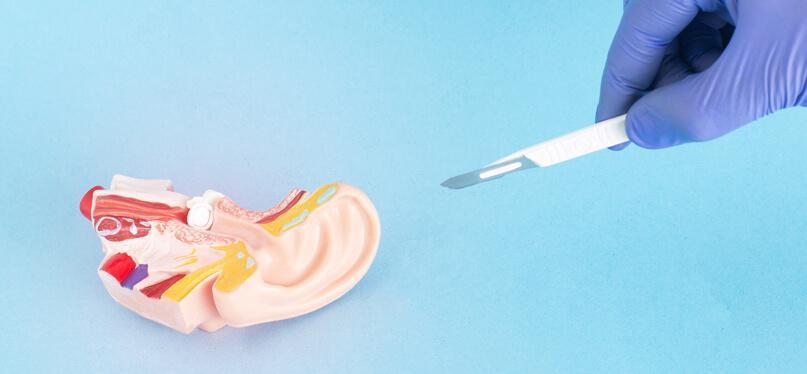
Introduction to Tympanoplasty
Tympanoplasty is a surgical procedure designed to repair or reconstruct the tympanic membrane (eardrum), which is crucial for hearing and protecting the middle ear. The eardrum vibrates when sound waves hit it, transmitting these vibrations to the small bones of the middle ear, eventually allowing sound signals to be processed by the brain. A damaged or perforated eardrum, if not treated, can lead to significant hearing loss, frequent ear infections, or even damage to the bones in the middle ear.
The most common cause of tympanic membrane perforation is chronic middle ear infections. Other causes include trauma (such as accidents, loud noises, or sudden pressure changes), previous ear surgeries, and inflammatory diseases. In some cases, perforations may heal on their own, but large, persistent, or recurrent perforations often require surgical intervention.
Tympanoplasty can be performed to restore hearing, stop recurrent infections, and repair any damage caused to the middle ear's delicate bones (ossicles). The procedure involves grafting tissue to close the perforation in the eardrum, often taken from the patient's own body, such as the temporalis fascia (tissue from above the ear). In cases where there is damage to the ossicles, reconstruction may also be required to restore hearing function.
This procedure has a high success rate in improving hearing and stopping the ear from recurring infections. Advances in surgical techniques, such as microsurgical methods and the use of endoscopic approaches, have made tympanoplasty a relatively safe and effective treatment for those with damaged eardrums.
Causes and Risk Factors - Why Tympanoplasty Is Needed
Tympanoplasty is primarily needed for individuals who suffer from a perforated eardrum that has not healed naturally and leads to ongoing symptoms. The causes of a tympanic membrane perforation can vary widely, but the most common include:
-
Chronic Ear Infections: Chronic or recurrent middle ear infections (chronic otitis media) are the leading cause of eardrum perforations. The continuous inflammation or infection may cause the eardrum to thin and eventually tear, leaving a hole.
-
Trauma to the Ear: A blow to the ear, barotrauma (due to pressure changes), or injury caused by inserting objects into the ear canal can cause a hole in the tympanic membrane.
-
Infections or Diseases: Conditions like cholesteatoma (an abnormal skin growth in the middle ear) can lead to eardrum perforation. Additionally, sinus infections or upper respiratory infections can cause the eustachian tube to malfunction, resulting in fluid buildup and perforation.
-
Previous Ear Surgeries: Patients who have had ear surgeries, such as myringotomy or mastoidectomy, are at a higher risk of developing a perforated eardrum.
Risk factors that increase the likelihood of tympanic membrane damage or hinder its ability to heal include:
-
Age: The elderly and young children may be more prone to ear infections, making tympanoplasty more common in these groups.
-
Smoking: Smoking impairs the body's ability to heal and can increase the likelihood of chronic ear infections, making surgery more likely.
-
Allergic Rhinitis: Allergies that affect the Eustachian tube, causing blockage or dysfunction, can lead to fluid accumulation in the middle ear and increase the risk of perforation.
Tympanoplasty is often indicated when a perforated eardrum causes hearing loss, recurrent ear infections, or continuous ear discharge. Without treatment, these conditions can worsen, leading to long-term hearing impairment and more severe complications.
Symptoms and Signs - When Tympanoplasty Is Indicated
The symptoms of a tympanic membrane perforation are typically clear and can significantly affect an individual's quality of life. Common signs that may indicate the need for tympanoplasty include:
Hearing Loss:
A perforated eardrum can reduce the efficiency of sound conduction through the ear, leading to conductive hearing loss. The severity of hearing loss depends on the size of the perforation and whether other parts of the ear (such as the ossicles) are affected. People may experience muffled or diminished sound clarity.
Ear Discharge (Otorrhea):
A common sign of a perforated eardrum is persistent or recurrent ear discharge. This discharge may be clear, yellow, or bloody and is usually accompanied by a feeling of fullness or discomfort in the ear. The discharge occurs because the perforation allows bacteria, debris, and moisture from the outer ear canal to enter the middle ear, resulting in infection and fluid buildup.
Ear Pain or Fullness:
While a perforated eardrum may not always cause pain, individuals may feel a sensation of fullness or mild discomfort, especially during or after an infection. If the perforation is caused by trauma, pain is often more severe.
Tinnitus (Ringing in the Ear):
Tinnitus, or a ringing sensation in the ear, can be a symptom of a perforated eardrum. This symptom occurs due to changes in the pressure within the middle ear or damage to the delicate structures that transmit sound.
Increased Risk of Infections:
With a hole in the eardrum, the middle ear is more vulnerable to infections, leading to recurrent episodes of otitis media (middle ear infection). This can further worsen hearing loss and cause more frequent discharge or drainage.
Balance Issues:
Though rare, a perforated eardrum can also affect balance because of the close proximity to the inner ear structures. Patients may experience mild dizziness or a sensation of unsteadiness, especially if there is an associated middle ear infection.
If these symptoms persist or worsen over time, or if conservative treatments do not result in healing, tympanoplasty may be necessary to repair the eardrum and prevent further complications.
Diagnosis of Tympanoplasty - How Doctors Decide Surgery Is Needed
The diagnosis of tympanoplasty involves a comprehensive evaluation, including a thorough clinical history, physical examination, and specialized tests. The primary goal of this process is to confirm the presence of a perforated eardrum and assess the overall health of the ear.
Medical History:
The doctor will ask about the duration of symptoms such as hearing loss, ear discharge, ear pain, and any history of ear infections, trauma, or previous surgeries. Understanding the frequency and severity of symptoms helps in determining the need for surgery.
Physical Examination:
A physical examination of the ear is performed using an otoscope or microscope to inspect the external ear canal and tympanic membrane. If the eardrum is perforated, the size and location of the hole are noted, as well as any signs of infection or abnormal tissue growth (e.g., granulation tissue or cholesteatoma).
Audiometry (Hearing Test):
Hearing loss is assessed using audiometric tests to determine the degree of conductive hearing loss. These tests help gauge the severity of the perforation's effect on hearing and determine the potential for hearing recovery after surgery.
Tympanometry:
Tympanometry is used to measure the movement of the eardrum in response to changes in air pressure. This test can help assess the functioning of the middle ear and confirm whether there is an issue with the eustachian tube or middle ear fluid, which could be contributing to the perforation.
Imaging (If Necessary):
In some cases, CT scans or MRI may be ordered to examine the bones of the middle ear (ossicles) and assess any damage. This is especially helpful when the tympanic membrane perforation is accompanied by damage to the middle ear structures, such as the malleus, incus, or stapes.
The diagnosis of a tympanic membrane perforation, combined with the patient's symptoms, hearing loss, and other findings, will guide the recommendation for tympanoplasty.
Treatment Options - What Tympanoplasty Involves
Tympanoplasty is typically performed under general anesthesia but can sometimes be done with local anesthesia in certain cases. The procedure is usually performed as an outpatient surgery, meaning the patient can go home the same day.
Surgical Procedure
-
Incision: Depending on the size and location of the perforation, the surgeon may perform the procedure via a small incision in front of the ear (postauricular approach) or directly through the ear canal (trans-canal approach).
-
Graft Placement: The damaged part of the eardrum is removed, and a graft is placed to close the perforation. This graft is typically taken from the patient's own tissue, such as the temporalis fascia (a layer of tissue located above the ear). Sometimes cartilage or perichondrium from the ear or other areas may be used.
-
Middle Ear Reconstruction (If Needed): If the ossicles (the small bones in the middle ear) are damaged or eroded, the surgeon may need to perform ossiculoplasty - the reconstruction of the ossicular chain - to restore hearing function. This can involve replacing or repositioning the bones to improve sound conduction.
-
Closure: Once the graft is placed and the middle ear structures are reconstructed, the ear is carefully closed, and a dressing or bandage may be applied to protect the area during recovery.
Post-Operative Care
After surgery, the ear is typically packed to support the graft, and the patient is advised to keep the ear dry for a period of time. In the first few weeks, ear drops or antibiotics may be prescribed to prevent infection, and the patient should avoid any activity that could stress the ear, such as swimming or heavy lifting. Follow-up appointments are necessary to monitor the healing process, and in some cases, the ear packing is removed in a few days.
Prevention and Management of Tympanoplasty
While tympanoplasty addresses the surgical repair of the eardrum, ongoing management and preventive measures are essential for long-term success.
Before Surgery:
-
Ear Health Optimization: The ear must be free of active infection before undergoing tympanoplasty. If an ear infection is present, it must be treated with antibiotics or other medications before surgery.
-
Eustachian Tube Function: Since Eustachian tube dysfunction can cause fluid accumulation in the middle ear and interfere with healing, patients may be given medications or instructions to improve the function of the Eustachian tube.
-
Allergy Control: If allergies contribute to ear problems, managing them before surgery can improve outcomes.
After Surgery:
-
Ear Protection: Patients must avoid getting water into the ear during recovery to prevent infection and ensure the graft heals properly. This can be done by using earplugs or covering the ear with a protective cap while showering or swimming.
-
Follow-Up Care: Regular visits to the surgeon are essential to monitor the graft's healing and function. The doctor will assess the ear for infection, check the graft's success, and perform hearing tests to measure recovery.
-
Avoidance of Pressure Changes: It is essential to avoid activities that could lead to sudden changes in pressure (e.g., diving, flying) until the ear is fully healed.
Complications of Tympanoplasty
While tympanoplasty is generally a safe procedure, like any surgery, there are risks involved. Some potential complications include:
-
Graft Failure: In some cases, the graft may not take, leading to the persistence of the perforation and the need for further surgery.
-
Infection: Though rare, infection of the ear after surgery can occur. Antibiotics are usually prescribed to prevent this.
-
Hearing Loss: If the ossicles are damaged or the graft does not fully restore hearing, there may be some residual hearing loss.
-
Tinnitus: Some patients may experience ringing in the ear after surgery, although it is usually temporary.
-
Vertigo or Dizziness: Temporary dizziness or balance problems can occur after surgery, especially if the inner ear structures are affected.
-
Facial Nerve Injury: Although very rare, injury to the facial nerve, which runs near the ear, can occur during surgery, leading to facial weakness or paralysis.
Living with the Condition of Tympanoplasty
After tympanoplasty, most patients experience significant improvement in hearing and a reduction in ear infections. However, there are some considerations for patients in the months and years following the procedure:
-
Hearing Improvement: Most patients experience significant hearing recovery, but full restoration of hearing may not always occur, especially if the ossicular chain was severely damaged.
-
Ear Health: Patients must continue to monitor their ear health, follow up with their ENT specialist, and avoid exposure to water or loud noises.
-
Long-Term Success: The success of tympanoplasty depends on the extent of the damage, the health of the middle ear, and the patient's adherence to post-operative care instructions.
-
Risk of Recurrence: In some cases, further surgery may be required if the perforation recurs or if hearing improvement is inadequate.
Top 10 Frequently Asked Questions about Tympanoplasty
1. What is Tympanoplasty?
Tympanoplasty is a surgical procedure used to repair a damaged or perforated eardrum (also known as the tympanic membrane) and, if necessary, to reconstruct the bones of the middle ear (ossicles) to restore normal hearing. The eardrum is crucial in the process of hearing, as it vibrates when sound waves hit it, transmitting vibrations to the middle ear. If the eardrum is damaged or perforated, it can cause hearing loss, frequent ear infections, or fluid buildup. Tympanoplasty is performed to close the perforation, improve hearing, and prevent further ear infections.
2. Why is Tympanoplasty performed?
Tympanoplasty is typically recommended when there is persistent damage or perforation in the eardrum that does not heal on its own. Common reasons for performing tympanoplasty include:
-
Chronic ear infections that cause a hole in the eardrum.
-
Trauma or injury to the ear that results in a perforation.
-
Otosclerosis or middle ear problems that affect hearing.
-
Chronic fluid buildup or infections that cannot be managed with antibiotics alone.
This surgery is done to repair the hole, prevent recurrent infections, and restore hearing function, particularly when medications or other treatments have not provided sufficient relief.
3. How is Tympanoplasty performed?
The procedure is generally done under general anesthesia, meaning the patient is asleep during the surgery. A small incision is typically made behind the ear or within the ear canal to access the eardrum. The surgeon then removes any infected or damaged tissue from around the perforation and places a graft (often taken from the patient's own tissue, such as fascia, cartilage, or skin) over the hole to close it. If necessary, the surgeon may also repair or replace the ossicles (the small bones in the middle ear that transmit sound) if they are damaged. The incision is then closed, and the ear is often packed with a soft material to help the graft heal properly. The surgery generally lasts about 1-2 hours.
4. What improvements can a patient expect after the surgery?
After tympanoplasty, patients can expect:
-
Improved hearing: The primary benefit of tympanoplasty is the potential restoration of hearing, especially if hearing loss was caused by a perforated eardrum. Most patients experience a significant improvement in hearing after recovery, though it can take a few months for the full effect to be noticeable.
-
Prevention of infections: Repairing the eardrum helps to reduce the likelihood of recurrent infections or fluid buildup in the middle ear.
-
Restored ear health: Closing the perforation can prevent foreign bodies (such as water or bacteria) from entering the ear and causing further damage.
5. What are the risks and complications of Tympanoplasty?
As with any surgery, tympanoplasty comes with certain risks:
-
Infection: Though rare, the ear may become infected after surgery. Infections can delay healing and may require treatment with antibiotics.
-
Bleeding: Some bleeding is expected during and after surgery, but excessive bleeding may need to be addressed.
-
Graft failure: The graft used to repair the eardrum may fail to fully adhere, or it may not provide adequate closure of the perforation. In this case, revision surgery may be necessary.
-
Hearing issues: There may be temporary hearing loss or fullness in the ear following surgery. While most people recover their hearing, some may not regain full hearing, especially if the ossicles were damaged.
-
Tinnitus (ringing in the ear): Some patients may experience temporary or permanent ringing in the ear post-surgery.
6. What is the recovery process like after Tympanoplasty?
Recovery from tympanoplasty is typically gradual.
-
Immediate post-surgery: After surgery, the patient will have a bandage or dressing around the ear. A cotton wick or soft material may also be placed in the ear canal to protect the surgical site and assist with healing.
-
Initial healing: The first few days involve some discomfort, swelling, and possible drainage from the ear. Pain can usually be managed with over-the-counter pain medications.
-
Full recovery: Patients can generally resume light activities after 1-2 weeks but should avoid heavy lifting, swimming, or strenuous activities for 4-6 weeks. Complete healing of the eardrum and restoration of hearing can take 2-3 months. Follow-up appointments will be necessary to monitor healing progress and remove any packing material in the ear.
7. Will I have visible scars after Tympanoplasty?
Because tympanoplasty is performed through small incisions, scarring is minimal. In many cases, the incision is made behind the ear or in the ear canal, meaning any scarring will be hidden and not visible to others. The goal is to ensure the ear is aesthetically pleasing and functional. The scar behind the ear is usually small, well-hidden, and fades over time.
8. How soon will I notice improvements in my hearing?
Improvement in hearing is typically noticeable within a few weeks after the procedure, although the full restoration of hearing may take 1-3 months. It can take time for the eardrum to heal fully and for the middle ear to function optimally. Hearing tests are usually performed during follow-up visits to evaluate the success of the procedure and monitor progress.
9. What care and precautions are necessary after surgery?
After tympanoplasty, patients need to follow specific care instructions to ensure successful healing:
-
Avoid water entry into the ear: Keep the ear dry for at least 4-6 weeks after surgery to prevent infection. This means no swimming, and care should be taken while showering or bathing.
-
Avoid pressure changes: Avoid activities like blowing the nose forcefully or lifting heavy objects to reduce pressure on the ear.
-
Ear care: Use prescribed ear drops and follow the doctor's instructions for cleaning the ear if necessary.
-
Regular follow-ups: Attend scheduled follow-up visits to monitor healing progress, remove packing, and check the integrity of the graft.
10. Can Tympanoplasty be done on children, and what are the differences in recovery?
Yes, tympanoplasty can be performed on children, especially if they suffer from recurrent ear infections or persistent eardrum perforations. Children typically recover well from the surgery, though care must be taken to ensure they avoid water exposure and follow other precautions. Recovery time may vary slightly for children, but overall, the procedure and care guidelines are similar to those for adults. The potential benefits in improving hearing and preventing further infections are especially valuable for children, as untreated ear problems can impact speech development and overall quality of life.