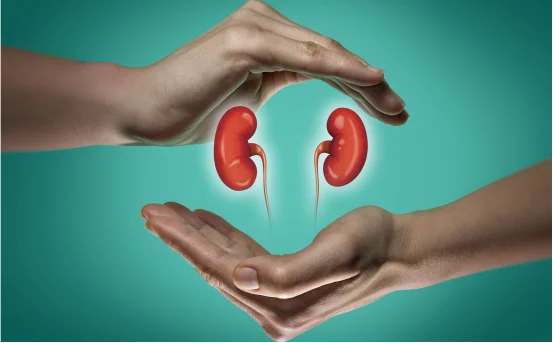
Introduction to Ureteral Reimplantation
The urinary system relies on a precise anatomy and plumbing - each kidney produces urine, which travels down a narrow tube called a ureter to the bladder, where urine is stored until voiding. Normally, the ureter enters the bladder through a tunnel formed by bladder muscle that acts like a one-way valve; this arrangement ensures urine flows from kidney → ureter → bladder, and prevents backward flow into the kidneys.
When this valve-like mechanism fails - due to congenital anomalies, injury, scarring, or abnormal insertion - urine can reflux (flow back) from the bladder into the ureter and kidneys, or there can be obstruction at the junction, impairing normal flow. Over time such problems may lead to recurrent urinary tract infections (UTIs), kidney damage, hydronephrosis (swelling of kidney due to urine backup), and impaired renal function.
Ureteral reimplantation is a surgical procedure that corrects these structural defects. By repositioning the ureter's insertion into the bladder - creating a new, properly tunneled connection - the surgeon restores normal urine flow dynamics. The procedure protects the kidneys from reflux or obstruction, prevents recurrent UTIs, and preserves long-term renal function. Ureteral reimplantation remains a cornerstone in urologic surgery for conditions like vesicoureteral reflux (VUR), distal ureteral strictures, lower ureteric injury, or congenital ureter-bladder junction abnormalities.
Causes and Risk Factors of Acupressure
Acupressure is a therapeutic technique that involves applying physical pressure to specific points on the body to promote healing and alleviate pain. While it is generally safe for most people, there are certain causes and risk factors to consider when undergoing acupressure.
Why People Turn to Acupressure
Acupressure is sought after for various conditions, and people generally use it for the following reasons:
-
Pain Management: Acupressure is most commonly used for alleviating chronic pain conditions such as muscle soreness, arthritis, back pain, and headaches. Applying pressure to acupoints helps stimulate the body's own pain-relieving mechanisms, leading to reduced discomfort.
-
Stress and Anxiety Relief: Acupressure is a powerful tool for combating stress, anxiety, and emotional tension. Stimulating acupoints can help calm the nervous system, regulate blood pressure, and promote relaxation, providing relief from the pressures of modern-day life.
-
Sleep Disorders: Acupressure is used to improve sleep quality, especially in individuals who suffer from insomnia, restless sleep, or sleep disturbances caused by stress or anxiety.
-
Digestive Disorders: Certain acupressure points are associated with improving digestion, reducing nausea, and alleviating symptoms of irritable bowel syndrome (IBS), bloating, and constipation.
-
Emotional Balance: Acupressure is also used to address mood disorders, such as depression, irritability, and fatigue, by stimulating points that promote energy flow and mental clarity.
Risk Factors of Acupressure
Acupressure is generally safe, but there are some risk factors and precautions that should be kept in mind:
-
Pregnancy: Certain acupoints are believed to influence the uterus and labor. Pregnant individuals should avoid applying pressure to acupoints that could stimulate premature labor or affect their pregnancy. It's essential to consult a healthcare provider before using acupressure during pregnancy.
-
Health Conditions: Individuals with serious heart conditions, blood clotting disorders, or skin infections should avoid acupressure, especially over areas with cuts or broken skin. Consulting a medical professional is always advised for people with serious health conditions.
-
Incorrect Application: While acupressure is a gentle therapy, applying excessive pressure or using inappropriate techniques can lead to bruising, soreness, or discomfort.
-
Over-reliance on Self-Treatment: While self-acupressure can be effective for mild conditions, chronic or severe health issues should be addressed by a professional acupressurist or healthcare provider.
Symptoms and Signs Acupressure Treats
Acupressure, a traditional healing technique that involves applying pressure to specific points on the body, is often used to treat various symptoms and signs. Some common conditions that acupressure may help alleviate include:
Common Conditions Treated by Acupressure
Acupressure is highly effective in addressing a broad range of physical and emotional symptoms. Some of the most common symptoms acupressure can treat include:
-
Pain:
-
Chronic pain conditions like neck pain, back pain, joint pain, and muscle soreness can benefit from acupressure techniques. Common acupoints like LI4 (located between the thumb and index finger) are widely used for general pain relief.
-
-
Stress and Anxiety:
-
Acupressure targets specific points that help calm the nervous system, lower blood pressure, and alleviate feelings of anxiety. Regular acupressure can significantly reduce stress and improve mental clarity.
-
-
Headaches:
-
Acupressure can help reduce the severity and frequency of headaches and migraines by applying pressure to points like Yintang (the point between the eyebrows), GB20 (at the base of the skull), and LI4.
-
-
Sleep Disorders:
-
Individuals who suffer from insomnia or restless sleep can benefit from acupressure to improve sleep quality and promote relaxation, helping them fall asleep more easily.
-
-
Digestive Issues:
-
Nausea, bloating, indigestion, and constipation are common ailments that can be addressed with acupressure. For example, P6 (Neiguan) is a well-known acupoint used for nausea relief, particularly for motion sickness or during chemotherapy.
-
Diagnosis of Acupressure Therapy
Acupressure therapy is typically not diagnosed in the conventional sense, as it is a holistic, alternative treatment method rather than a medical condition. However, it is important to assess whether acupressure therapy is appropriate for an individual based on their symptoms or condition. Here's how acupressure therapy is usually approached from a diagnostic perspective:
Traditional Chinese Medicine Diagnosis
In Traditional Chinese Medicine, the diagnosis process for acupressure is rooted in holistic principles. Practitioners take a comprehensive approach to understanding the body's health. This process often involves:
-
Pulse Diagnosis:
-
Pulse diagnosis involves assessing the quality of the pulse at various points on the body. This helps the practitioner gauge the strength and flow of qi and determine which acupoints need stimulation.
-
-
Tongue Diagnosis:
-
In TCM, tongue examination is an important diagnostic tool. The tongue's color, shape, and coating can reveal important information about the condition of internal organs and energy imbalances.
-
-
Physical and Symptom Evaluation:
-
The acupressure practitioner will assess pain areas, muscle tension, mental state, and other physical symptoms before deciding which acupoints to target.
-
-
Diagnosis of Underlying Conditions:
-
Acupressure is often used as a complementary treatment for symptoms and diseases, so practitioners may use acupressure in conjunction with Western diagnostic tools to develop a comprehensive treatment plan.
-
Consultation with Acupressure Practitioners
Though many people practice acupressure at home, consulting a licensed acupuncturist or acupressure therapist is recommended for serious or chronic conditions. Practitioners can assess symptoms and create a customized acupressure plan based on individual health needs.
Treatment Options for Acupressure
Acupressure is a traditional healing practice that involves applying physical pressure to specific points on the body, known as acupoints, to relieve pain and promote overall wellness. It's often used as a complementary therapy for various conditions. Here are some common treatment options and approaches for acupressure:
Acupressure Techniques and Methods
Acupressure is a manual therapy, meaning it involves the application of physical pressure to the acupoints. The common techniques include:
-
Pressing:
-
The practitioner applies steady, firm pressure to acupoints, typically using their thumbs, fingers, or elbows. The pressure is applied for a set duration, usually 30 seconds to 2 minutes per point.
-
-
Circular Motions:
-
Acupressure can be applied using gentle circular motions to stimulate the flow of energy and enhance the therapeutic effects on the acupoints.
-
-
Tapping:
-
Light, rhythmic tapping on acupoints can also be used to activate energy flow, improve circulation, and relieve tension.
-
-
Vibration:
-
Vibrational pressure or pulsing can be applied to certain points to promote the release of tension and induce relaxation.
-
Self-Acupressure Techniques
For individuals practicing acupressure at home, the following techniques are commonly used:
-
LI4 (Hegu): Located between the thumb and index finger, this point is commonly used for general pain relief, headache relief, and stress management.
-
P6 (Neiguan): Located on the inner forearm, approximately two inches from the wrist crease, this point is effective for nausea and anxiety relief.
-
ST36 (Zusanli): Located about four fingers below the kneecap, this point is known for its ability to boost energy and support digestive health.
Professional Acupressure Sessions
For chronic conditions or more complex cases, individuals may seek professional acupressure treatments from certified practitioners. Sessions typically last anywhere from 30 minutes to 1 hour, and the practitioner may combine acupressure with other therapies such as acupuncture or herbal remedies.
Prevention and Management of Acupressure
Acupressure, a traditional therapy based on applying pressure to specific points on the body, is generally safe when practiced correctly. However, there are certain precautions and management practices that can help prevent any adverse effects or complications.
Preventing Illness with Acupressure
-
Regular Use of Acupressure:
-
Regular practice of acupressure can help maintain a balanced energy flow, promote general health, and prevent the development of chronic ailments.
-
-
Stress Prevention:
-
Using acupressure to reduce stress before it becomes overwhelming helps prevent mental health conditions like anxiety and depression.
-
-
Improving Sleep:
-
Regular acupressure sessions, especially before bedtime, can enhance sleep quality and reduce insomnia and restlessness.
-
Managing Existing Conditions
-
Chronic Pain:
-
Acupressure is widely used as a complementary treatment for chronic pain. Regular sessions can reduce reliance on medication and improve quality of life for those with arthritis, fibromyalgia, or musculoskeletal issues.
-
-
Digestive Disorders:
-
People with chronic digestive issues such as IBS or acid reflux can use acupressure to stimulate the digestive system and alleviate symptoms.
-
Complications of Acupressure
Prevention and Management of Acupressure involves practices that ensure safe and effective application while minimizing the risks. Below are the key points for its prevention and management:
Possible Side Effects
Acupressure is generally safe, but there are some risks and side effects to be aware of:
-
Bruising: Applying too much pressure to a point may cause minor bruising or soreness.
-
Dizziness or Nausea: Occasionally, individuals may feel light-headed or nauseous after a session, especially if the pressure is applied too forcefully.
-
Temporary Discomfort: Some individuals may experience mild muscle soreness or tenderness at the acupoint areas after a treatment session.
When Acupressure Should Be Avoided
-
Pregnancy: Certain acupressure points should be avoided during pregnancy, especially those that may induce labor.
-
Skin Conditions: Acupressure should not be performed on broken or inflamed skin, such as wounds, rashes, or open sores.
-
Severe Health Conditions: Individuals with severe cardiovascular issues, blood clotting disorders, or autoimmune conditions should consult a healthcare provider before attempting acupressure.
Living with the Condition of Acupressure
Living with acupressure as a form of therapy can have a profound impact on a person's well-being, especially when used regularly for managing stress, pain, or various health issues. Here's an overview of what living with acupressure treatment might look like:
Integrating Acupressure into Your Lifestyle
For individuals suffering from chronic conditions, acupressure can be an ongoing part of their self-care routine. Here's how it can fit into daily life:
-
Self-Management: Acupressure can be done at home, allowing individuals to manage stress, pain, and fatigue between visits to healthcare providers.
-
Emotional and Mental Wellness: Acupressure techniques can help maintain emotional balance, reduce anxiety, and improve overall mood.
-
Holistic Health: When used regularly, acupressure can contribute to overall well-being, improving circulation, promoting relaxation, and stimulating detoxification processes.
Top 10 Frequently Asked Questions about Ureter Re-Implantation
1. What is Ureter Re-Implantation?
Ureter re-implantation is a surgical procedure designed to address issues related to the ureter, which is the tube that connects the kidneys to the bladder. The procedure involves detaching the ureter from its current attachment point at the bladder and reattaching it at a new, surgically created location. The purpose of this surgery is to restore normal urine flow, often in cases where the ureter is malfunctioning or causing problems such as vesicoureteral reflux (VUR) - a condition where urine flows backward into the ureter and kidneys. The surgery can also be used to repair injuries, obstructions, or other anatomical abnormalities of the ureter.
2. Why is Ureter Re-Implantation necessary?
Ureter re-implantation is necessary when a person experiences abnormal urine flow due to issues with the ureter or the ureter-bladder junction. Common reasons for the surgery include:
-
Vesicoureteral reflux (VUR): When urine flows backward from the bladder into the ureter or kidneys, causing recurrent urinary tract infections (UTIs) and potentially leading to kidney damage.
-
Distal ureteral injury or stricture: When the end of the ureter is damaged (often due to trauma or previous surgeries) or becomes narrowed (stricture), preventing proper urine flow into the bladder.
-
Anatomical issues: Some individuals may have congenital anatomical abnormalities that affect how the ureter attaches to the bladder, and re-implantation helps correct this.
-
Chronic UTIs or kidney damage: If other treatments or interventions fail to address frequent UTIs or kidney damage, ureter re-implantation can be a viable solution to prevent further complications.
3. How is Ureter Re-Implantation performed?
Ureter re-implantation is usually done under general anesthesia, and it involves a few key steps:
-
Incision and access: The surgeon makes an incision in the abdominal or pelvic area to access the bladder and ureters. This can be done through an open surgery or, in some cases, using minimally invasive techniques (laparoscopy or robotic surgery).
-
Ureter detachment: The surgeon carefully detaches the ureter from the bladder, making sure not to damage surrounding tissues.
-
Creation of a new tunnel: A new opening is created in the bladder to reattach the ureter. The surgeon forms a tunnel beneath the bladder mucosa (the inner lining) to ensure proper drainage and prevent urine from flowing back into the ureter.
-
Re-attachment: The ureter is then reattached to the bladder through this newly created tunnel. The new connection is sutured securely.
-
Post-operative care: A stent may be placed temporarily to keep the ureter open and allow for urine flow as the area heals. The stent will typically be removed after a few weeks.
4. What improvements can be expected after Ureter Re-Implantation?
After successful ureter re-implantation, patients can expect:
-
Improved kidney function: By restoring normal urine flow and preventing backward flow (reflux), the surgery helps protect the kidneys from damage caused by urine reflux or infections.
-
Reduced UTIs: Since the surgery addresses the cause of frequent urinary tract infections (such as reflux), many patients experience a decrease in infection frequency after recovery.
-
Better quality of life: Individuals who had chronic urinary problems, including incontinence or recurrent UTIs, often experience a significant improvement in symptoms and overall health following the procedure.
5. What are the potential risks and complications of Ureter Re-Implantation?
While ureter re-implantation is generally a safe procedure, it does come with some risks and potential complications, including:
-
Infection: As with any surgery, there is a risk of infection at the surgical site, in the urinary tract, or in the kidneys.
-
Bleeding: Some bleeding is common during surgery, but excessive bleeding could require additional intervention.
-
Ureteral obstruction or stricture: If the re-implanted ureter heals poorly or scarring occurs, it may lead to further obstruction or narrowing (stricture), requiring additional surgery.
-
Urinary leakage: There is a risk of urine leaking around the newly re-implanted ureter if the sutures do not hold, which could result in complications or the need for revision surgery.
-
Kidney function issues: If the surgery does not fully restore proper urine flow, kidney function may still be affected, leading to long-term damage.
6. What is the recovery process after Ureter Re-Implantation?
Recovery from ureter re-implantation typically involves:
-
Hospital stay: Most patients stay in the hospital for 1-2 days after the surgery, depending on the complexity of the procedure and the patient's overall health.
-
Urinary catheter or stent: A catheter or stent may be placed temporarily to allow proper drainage of urine while the ureter heals. The stent is usually removed after a few weeks.
-
Pain management: Patients may experience some pain, discomfort, or mild swelling in the abdomen or pelvic area. Pain medication will be prescribed to manage this.
-
Avoiding strenuous activities: Patients should refrain from heavy lifting or strenuous activities for about 4-6 weeks to ensure proper healing and prevent any strain on the re-implanted ureter.
-
Follow-up care: Regular follow-up visits will be necessary to check the success of the procedure, monitor kidney function, and ensure that no complications arise.
7. Will I have visible scars after Ureter Re-Implantation?
The extent of scarring depends on the type of surgery performed:
-
If open surgery is used, there will be a visible scar in the abdominal or pelvic area, typically along a natural fold to minimize cosmetic impact.
-
If minimally invasive techniques (laparoscopy or robotic surgery) are used, the incisions are smaller and less noticeable, with scarring usually being minimal.
Regardless of the surgical approach, the scar should fade significantly over time, and any cosmetic concerns should be discussed with the surgeon prior to the procedure.
8. How long does it take to recover fully from Ureter Re-Implantation?
Full recovery from ureter re-implantation can take anywhere from 4 to 6 weeks. During this time, it is essential to follow the surgeon's instructions regarding activity restrictions, stent care, and follow-up appointments. Although many patients begin to feel better within the first few days or weeks, complete healing of the ureter and bladder tissue can take several months. Regular follow-up imaging and tests may be required to ensure that the re-implanted ureter is functioning correctly and that no complications, such as infections or obstructions, arise.
9. Is Ureter Re-Implantation a permanent solution?
In most cases, ureter re-implantation is a permanent solution for correcting issues like vesicoureteral reflux or ureteral injury. Once the surgery is successful and the ureter is properly re-implanted, normal urine flow should be restored, and kidney function is protected. However, in some cases, scarring or complications may require additional interventions or revisions. Regular follow-up visits are essential to ensure that the surgery is successful and that there is no recurrence of the problem.
10. How is success measured after Ureter Re-Implantation?
Success is typically measured by:
-
Restoration of normal urine flow: The re-implanted ureter should function properly, allowing urine to flow freely from the kidneys to the bladder without any backward flow (reflux).
-
Absence of complications: The patient should not experience any infection, leakage, or obstruction at the re-implantation site.
-
Improvement in symptoms: Many patients experience relief from symptoms such as recurrent UTIs, incontinence, and discomfort after successful surgery.
-
Kidney function: Successful surgery should prevent further damage to the kidneys, and kidney function tests will confirm that the kidneys are working well post-surgery.