Introduction to Uvulopalate Pharyngoscopy
Uvulopalatopharyngoplasty (UPPP) is a surgical procedure designed to treat Obstructive Sleep Apnea (OSA) and chronic snoring by removing excess tissue from the throat, including the uvula, soft palate, and occasionally the tonsils and other parts of the pharyngeal walls. It aims to clear the airway by reducing or eliminating the tissues that cause obstruction during sleep.
Sleep apnea is a common disorder where the airway becomes intermittently blocked, often leading to frequent awakenings, oxygen deprivation, and significant daytime sleepiness. Snoring, a common symptom of OSA, can have a considerable impact on a person's life and the quality of life of their partner. UPPP is often recommended for individuals who do not respond to less invasive treatments such as Continuous Positive Airway Pressure (CPAP) therapy.
The purpose of UPPP is to open up the upper airway, reduce or eliminate snoring, and help patients achieve better, more restful sleep. This procedure is performed under general anesthesia, and recovery typically takes a few weeks. UPPP has evolved over time, with modifications designed to improve efficacy, minimize complications, and preserve essential throat functions such as swallowing and speech.
How UPPP Works
-
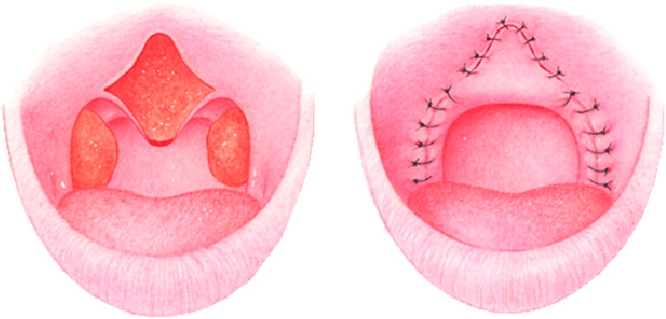
Procedure Description: UPPP involves the excision of the uvula, a small, dangling tissue at the back of the throat, and the soft palate (if necessary). Additionally, excess tissue from the tonsils and lateral pharyngeal walls may be removed or repositioned to prevent airway collapse. This helps to create more space for airflow during sleep. The tissues removed are typically responsible for vibratory sounds that lead to snoring, and their removal reduces the airway resistance responsible for OSA.
-
Surgical Goals: The primary objective of UPPP is to increase the airway size at the level of the soft palate and uvula to prevent obstruction during sleep, ultimately improving oxygen flow and reducing apnea-hypopnea events.
When Is UPPP Recommended?
UPPP is usually considered after other treatments like lifestyle changes or CPAP therapy have failed, or if the individual has severe anatomical issues contributing to airway obstruction. It's most suitable for:
-
Patients with snoring or OSA caused by enlarged or floppy tissues in the soft palate and uvula.
-
Individuals with recurrent snoring who want to improve their sleep quality and eliminate the disruptive noise.
-
People who fail or cannot tolerate CPAP and other nonsurgical treatments.
Patients with mild to moderate OSA who present with an identifiable structural cause (like a long uvula or soft palate) are the ideal candidates for UPPP.
Causes and Risk Factors Leading to Uvulopalatopharyngoplasty
Understanding the causes that lead to the need for Uvulopalatopharyngoplasty (UPPP) is essential for patients and medical professionals alike. The primary cause for recommending UPPP is Obstructive Sleep Apnea (OSA), but there are several other anatomical and medical factors that can predispose individuals to sleep-disordered breathing and snoring.
Common Causes of Airway Obstruction Leading to UPPP:
1. Obstructive Sleep Apnea (OSA)
OSA occurs when the upper airway collapses or becomes obstructed during sleep, leading to repeated breathing pauses and drops in blood oxygen levels. This is often caused by:
-
Excess soft tissue in the throat, including the uvula, soft palate, or tonsils.
-
Loss of muscle tone in the pharynx and soft palate, making the airway more susceptible to collapse during sleep.
2. Chronic Snoring
Chronic snoring occurs due to vibration of tissues in the throat, particularly the soft palate and uvula, when they partially block the airway. Snoring can be a precursor to OSA and lead to fragmented sleep and poor sleep quality. UPPP can resolve snoring caused by these tissue abnormalities.
3. Enlarged Tonsils or Adenoids
Enlarged tonsils and adenoids are often a primary source of obstruction in both children and adults. Tonsillar hypertrophy can cause physical obstruction in the upper airway, leading to difficulty breathing, snoring, and OSA. UPPP may involve the removal of tonsils or adenoids to address the blockage.
4. Anatomical Abnormalities of the Upper Airway
Certain anatomical factors contribute to OSA and snoring, including:
-
Long uvula: An elongated uvula can obstruct the airway during sleep, leading to snoring or apnea events.
-
Narrowed soft palate: A narrow or thickened soft palate can collapse more easily during sleep, resulting in airway blockage.
-
Abnormal jaw structure: An improperly positioned jaw or a receding mandible (a small or retruded lower jaw) can exacerbate airway collapse.
5. Obesity
Obesity is one of the most significant risk factors for OSA. Excess weight, especially around the neck and throat, increases airway pressure and contributes to tissue collapse. Patients who are obese may experience more frequent and severe episodes of OSA, which often require surgery like UPPP.
6. Aging and Muscle Tone Loss
As individuals age, the muscles of the upper airway become weaker, and the tissues in the throat may become less firm, increasing the likelihood of airway collapse during sleep. Aging contributes to the weakening of the soft palate muscles, leading to an increased incidence of snoring and sleep apnea.
7. Alcohol and Sedative Use
The use of alcohol and sedatives can relax the muscles of the throat, contributing to an increased risk of airway collapse and obstructive sleep apnea. Patients with alcohol or sedative use disorders who snore heavily may benefit from UPPP.
Risk Factors for Developing OSA
-
Family history of OSA: A genetic predisposition to OSA can increase the likelihood of developing sleep apnea.
-
Gender: Men are more likely than women to develop OSA, though the incidence in women increases after menopause.
-
Nasal obstruction: Conditions like chronic rhinitis or deviated septum that obstruct airflow through the nose may worsen OSA symptoms, making surgery necessary.
Symptoms and Signs Indicating the Need for Uvulopalatopharyngoplasty
The decision to proceed with UPPP typically stems from symptoms of sleep apnea or chronic snoring. Individuals with these symptoms may experience significant impairments in sleep quality and overall health.
Key Symptoms:
-
Loud and Chronic Snoring: Persistent, loud snoring that disrupts sleep is one of the most common reasons for considering UPPP.
-
Episodes of Breathing Pauses During Sleep (Apnea Events): Patients with OSA often stop breathing for short periods during sleep, which may last for a few seconds to minutes. These episodes may be noticed by a partner.
-
Daytime Sleepiness and Fatigue: Because OSA fragments sleep, individuals may experience severe daytime drowsiness, fatigue, and poor concentration, which can impact their work and social life.
-
Morning Headaches: Patients may experience headaches upon waking due to low oxygen levels and poor-quality sleep.
-
Irritability and Mood Swings: Sleep deprivation and fragmented sleep often contribute to irritability and mood changes.
-
Dry Mouth or Sore Throat: These symptoms often occur in people who breathe through their mouths during sleep due to airway obstruction.
-
Frequent Night Wakings: Patients often wake up multiple times during the night, either gasping for air or due to discomfort caused by airway obstruction.
Associated Conditions:
-
Obesity: Those who are overweight or obese often experience worse symptoms of OSA.
-
High Blood Pressure: OSA is a common risk factor for hypertension, and untreated OSA may lead to heart disease.
Diagnosis of Uvulopalatopharyngoplasty (UPPP)
Proper diagnosis is essential for determining the need for Uvulopalatopharyngoplasty (UPPP). The following diagnostic methods are used to evaluate sleep apnea and snoring and determine the cause of airway obstruction.
Sleep Study (Polysomnography)
-
A polysomnography sleep study is the most comprehensive diagnostic tool for diagnosing OSA. During the study, the patient's sleep patterns, oxygen levels, and other physiological parameters (e.g., brain activity, heart rate, and muscle tone) are monitored. The number of apnea and hypopnea episodes is recorded to assess the severity of OSA.
Clinical Examination
-
Physical examination includes assessing the patient's soft palate, uvula, tonsils, and tongue. Enlarged tonsils, elongated uvula, and other anatomical features that contribute to airway blockage are noted.
-
Endoscopic Evaluation: Fiber-optic endoscopy may be used to visualize the throat and identify the areas of airway collapse. This can help determine the exact location and extent of the obstruction.
Imaging Studies
-
CT scans and MRI may be used to evaluate the anatomy of the upper airway and assess for structural abnormalities.
-
X-rays or radiographic studies may also be conducted to check for any abnormalities in the bony structures of the airway.
Treatment Options for Uvulopalatopharyngoplasty (UPPP)
What UPPP Involves (Standard/Traditional Surgery)
In a standard UPPP: under general anesthesia, the surgeon removes or reshapes parts of soft tissues at the back of the throat - typically:
-
Soft palate (partial),
-
Uvula (complete or partial removal),
-
Possibly tonsils (if present and enlarged), and
-
Occasionally parts of the lateral pharyngeal walls / redundant tissue.
The goal is to enlarge the airway, reduce tissue that can collapse during sleep, and stabilize the throat's structure. Soft-tissue is removed (with cold steel, electrocautery, or coblation), then the remaining mucosa is sutured; tonsillar pillars may be re-approximated.
The procedure typically takes about 1 hour (may vary if combined with other surgeries).
Modified / Advanced Variants of UPPP (and Related Procedures)
Because standard UPPP can be quite invasive and outcomes vary, many modified techniques have been developed. These aim to reduce morbidity, preserve function (swallowing, speech), and improve airway stability. Some variants include:
-
Tissue-individualized “palatal hybrid surgery” - combining tissue-preservation, fat-ablation, tonsil removal, muscle relocation/suspension - to maximize airway space while preserving function.
-
Variants like relocation pharyngoplasty, lateral pharyngoplasty, expansion sphincter pharyngoplasty, barbed reposition pharyngoplasty, palatal flap techniques, etc. These modifications target not only mid-palate obstruction but also lateral wall collapse, hypopharyngeal collapse, and aim for more stable long-term results.
When UPPP (or its variants) is Used Alone vs. Combined (Multilevel Surgery)
-
For mild to moderate OSA or snoring - when obstruction is primarily at the soft palate / uvula / tonsils - UPPP (or modified UPPP) may be sufficient.
-
For moderate to severe OSA, especially with multilevel obstruction (nasal, tongue-base, hypopharyngeal, lateral walls), UPPP is often combined with other procedures (nasal surgery, tongue-base reduction, hyoid suspension, mandibular advancement, etc.) for better outcomes.
Expected Benefits / Goals of UPPP
-
Reduction or elimination of snoring.
-
Improved breathing during sleep - fewer airway obstructions, fewer apnea/hypopnea events.
-
Improved daytime symptoms: less daytime sleepiness, better sleep quality, improved oxygenation, overall improved quality of life.
However - success is variable. Reported outcomes for isolated UPPP vary widely depending on patient selection, anatomy, concomitant conditions: many series report only moderate long-term success.
Prevention and Management of Uvulopalatopharyngoplasty
Since UPPP is a structural surgical intervention, there's no “prevention” in traditional sense - but there are ways to manage risk, optimize outcomes, and support recovery.
Pre-Surgical Management / Patient Selection
-
Evaluate thoroughly: include sleep study, ENT exam, airway assessment, comorbidities (e.g. obesity, cardiovascular disease), to ensure UPPP is appropriate.
-
Lifestyle modifications: weight reduction (if overweight/obese), avoiding alcohol or sedatives that worsen airway collapsibility, smoking cessation, positional therapy - though these alone may not suffice, they improve surgical outcomes and reduce recurrence.
-
Patient counseling: set realistic expectations, discuss potential outcomes, risks, possibility that CPAP or other therapies may still be needed post-surgery.
Postoperative Care & Recovery
-
After surgery: patients often discharged same day or after an overnight stay depending on protocol. (Cleveland Clinic)
-
Recovery period: swallow-care, soft diet initially, plenty of fluids, pain management, rest, gradual resumption of normal diet. (uzleuven.be)
-
Follow-up: ENT and sleep follow-up; possibly repeat sleep study to assess efficacy; monitor for symptoms (snoring, sleepiness), healing, complications (bleeding, infection).
Long-Term Management
-
Maintain healthy lifestyle: weight management, avoid contributors to airway collapse (alcohol, sedatives), sleep hygiene.
-
Monitor for recurrence: airway anatomy can change, scar tissue may form, or other sites may become problematic - so long-term follow-up is advisable.
-
For residual or recurrent OSA: be open to additional treatments - other airway surgeries, CPAP or oral appliances, depending on individual situation.
Complications of Uvulopalatopharyngoplasty (UPPP)
As with any surgery - especially involving airway - UPPP carries risk. And because UPPP modifies airway anatomy permanently, patients and clinicians must weigh benefits against potential adverse outcomes. Common complications and risks include:
Short-term / Perioperative Risks
-
Bleeding and hemorrhage - one of the most significant risks, given the vascularity of palate and throat tissues. Post-operative bleeding may occur even up to two weeks after surgery.
-
Pain, swelling, difficulty swallowing / throat pain / odynophagia - common in the first days to weeks, because of surgical trauma to palate/uvula/tonsils.
-
Dehydration / difficulty eating / nutritional issues - due to pain and swallowing discomfort; patients must hydrate carefully and follow diet instructions.
-
Airway edema or obstruction (particularly if multiple airway procedures done) - post-operative swelling may worsen airway patency temporarily, requiring careful monitoring.
Long-Term or Delayed Complications
-
Persistent throat symptoms: dryness, change in pharyngeal sensation, globus (feeling of lump in throat), altered voice or nasal speech (especially if palate anatomy changed).
-
Velopharyngeal insufficiency (rare): impaired closure between soft palate and pharynx during swallowing/speaking, leading to nasal regurgitation of fluids, nasal speech, or other functional issues.
-
Recurrent or residual OSA / snoring: UPPP does not guarantee cure - many patients continue to have sleep-disordered breathing, especially if obstruction occurs at other airway levels (tongue base, nose, lateral walls). Long-term success rates vary.
-
Scarring or stenosis of the pharyngeal airway - theoretically could narrow the airway if healing leads to excessive scar formation, though less common than improvements.
-
Changes in swallowing, taste, saliva production, throat dryness - especially if significant palate/uvula/tonsil tissue removed.
Because of these risks, many centers now favor modified UPPP techniques or multilevel airway surgery rather than
“one-size-fits-all” classical UPPP - to balance airway improvement with minimal
functional disruption.
Living with Uvulopalatopharyngoplasty (UPPP)
Undergoing UPPP can lead to significant improvements - but it requires commitment, realistic expectations, and long-term follow-up. Here's what life may look like after the procedure:
Recovery Phase
-
After surgery, expect throat discomfort, swelling, mild pain, difficulty swallowing - soft diet, good hydration, rest, and pain management are vital.
-
Gradual return to normal diet and activity over days to a few weeks; close post-operative monitoring for bleeding, infection.
-
Initial improvement in breathing, snoring, or sleep quality may appear after healing - though full benefits sometimes take time (after swelling subsides, tissues heal, airway stabilizes).
Medium to Long-Term Outcomes
-
In many patients, snoring is reduced or eliminated; breathing, sleep quality, and daytime alertness may improve.
-
For some, UPPP reduces severity and frequency of apnea/hypopnea events - improving oxygenation, reducing cardiovascular risk linked to OSA (though effect varies widely depending on individual factors).
-
Quality of life often improves: less daytime sleepiness, better sleep, reduced snoring (benefits for both patient and bed partner), improved mood.
Need for Long-term Monitoring
-
Because UPPP may not “cure” OSA, periodic reassessment (sleep study, ENT exam) may be needed - especially if symptoms (snoring, daytime sleepiness) recur.
-
Maintain a healthy lifestyle - weight control, avoiding risk factors that worsen airway collapse (alcohol, sedatives), maintaining good sleep hygiene.
-
Be attentive to throat health - dryness, swallowing difficulties, voice changes, or other complications - and consult ENT if persistent issues arise.
When Additional or Revision Surgery May Be Needed
-
If obstructive events persist - due to collapse at different airway levels (tongue base, nasal passages, hypopharynx) - a “multilevel” surgical approach or alternate therapies may be considered.
-
For individuals with significant weight gain, anatomical changes, or recurrent obstruction - a revision or additional airway surgery might be warranted.
Top 10 Frequently Asked Questions about Uvulopalate Pharyngoscopy
1. What is Uvulopalatopharyngoplasty (UPPP)?
Uvulopalatopharyngoplasty (UPPP) is a surgical procedure that removes or reshapes tissue at the back of the throat to improve airflow and alleviate conditions like Obstructive Sleep Apnea (OSA) or chronic snoring. The surgery typically involves removing or shortening the uvula (the soft tissue hanging at the back of the throat), trimming or reshaping the soft palate, and occasionally removing the tonsils or excess pharyngeal tissue. The goal of UPPP is to increase the size of the airway at the back of the throat, preventing it from collapsing during sleep, which can obstruct breathing.
2. Why is UPPP performed?
UPPP is performed primarily to treat Obstructive Sleep Apnea (OSA) and severe snoring, conditions where the airway becomes blocked during sleep. This blockage leads to frequent pauses in breathing, oxygen deprivation, and disrupted sleep. UPPP is typically recommended for patients who:
-
Have moderate to severe OSA and cannot tolerate or are not candidates for continuous positive airway pressure (CPAP) therapy.
-
Suffer from chronic loud snoring, particularly when it is caused by anatomical blockages in the throat.
-
Have an enlarged uvula or excess tissue in the soft palate that obstructs the airway.
The procedure is usually considered when less invasive treatments or lifestyle changes have been ineffective.
3. How is UPPP performed?
UPPP is typically performed under general anesthesia, meaning the patient is completely asleep during the procedure. The surgery is done through an incision in the back of the throat. The surgeon will remove or trim the uvula, excise excess tissue from the soft palate, and may also remove the tonsils or any other obstructing tissue in the throat. In some cases, tissue from other areas (like the cheek or penis) may be used as grafts to help reconstruct the area if additional tissue removal is required. The goal is to create more space in the throat, allowing the airway to remain open during sleep.
The entire procedure typically lasts 1-2 hours.
4. What improvements can a patient expect after UPPP?
Patients who undergo UPPP can typically expect:
-
Reduced or eliminated snoring: By removing or reshaping the obstructive tissue, the vibrations that cause snoring are significantly reduced.
-
Improved airflow and oxygen levels: In cases of obstructive sleep apnea, the surgery helps to prevent the airway from collapsing, improving oxygen flow during sleep and reducing sleep disruptions.
-
Better quality of sleep: With improved breathing, many patients experience more restful, uninterrupted sleep and reduced daytime sleepiness or fatigue.
-
Decreased frequency of breathing pauses: In patients with sleep apnea, UPPP often helps reduce the frequency and severity of apnea events, allowing for better sleep quality and reduced risks associated with untreated OSA.
However, it's important to note that UPPP does not guarantee a complete cure for sleep apnea, especially if the obstruction is not limited to the soft palate or uvula.
5. What are the risks and complications associated with UPPP?
As with any surgery, UPPP carries risks, including:
-
Postoperative bleeding: Some bleeding is expected, but excessive bleeding may require additional treatment.
-
Pain and discomfort: Sore throat, difficulty swallowing, and discomfort around the surgical site are common in the first few days after surgery.
-
Infection: There is always a risk of infection in the throat or surgical site.
-
Voice changes: Some patients may experience temporary or permanent changes in their voice after the surgery, as the soft palate and other tissues are altered.
-
Dry mouth or throat: After the procedure, patients may experience dryness in the mouth or throat, which can persist for a few weeks.
-
Difficulty swallowing: It's common to have difficulty swallowing immediately after surgery, which usually improves as the throat heals.
-
Failure to eliminate OSA or snoring: While UPPP is effective for many patients, it may not fully resolve symptoms in cases of severe or complex obstructive sleep apnea, particularly if the airway collapse occurs further down in the throat (such as the tongue base).
6. What is the recovery process after UPPP?
The recovery process from UPPP typically involves:
-
Hospital stay: Many patients go home the same day, but some may need to stay in the hospital overnight, particularly if the surgery is complex or if the patient experiences significant pain.
-
Pain management: Pain and discomfort are common after surgery, and patients are usually prescribed pain medications to manage these symptoms. A sore throat is normal, and ice chips or cold liquids can help soothe it.
-
Dietary restrictions: Patients are advised to follow a soft food diet for the first few days to avoid irritating the surgical site. Cold liquids are often recommended to ease the throat.
-
Rest and activity restrictions: Strenuous activities, including heavy lifting, exercise, or sexual activity, should be avoided for about 4-6 weeks to allow for proper healing.
-
Follow-up care: Patients will need follow-up visits to check for complications, monitor recovery, and ensure that the airway remains clear. Some patients may need a nasal continuous positive airway pressure (CPAP) machine for a short time after surgery if OSA persists.
7. How long does it take to recover fully from UPPP?
Full recovery from UPPP can take 2-4 weeks, with significant improvement in symptoms within the first 2-3 weeks. The initial soreness and difficulty swallowing typically resolve within a few days to a week. However, complete healing of the tissues, especially in the throat and soft palate, may take several weeks to a few months. Some voice changes or throat discomfort may persist longer in some individuals. During recovery, it is essential to follow post-operative care instructions, including staying hydrated, avoiding irritants (like alcohol and smoking), and attending follow-up appointments.
8. Will I have visible scars after UPPP?
Most patients will not have visible scars after UPPP because the surgery is performed through the mouth, leaving no external incisions. However, there may be internal scarring in the throat where the tissue was removed or reshaped. This scarring is usually not noticeable but may cause some discomfort, dryness, or temporary changes in voice or swallowing. The surgical area will heal over time, and any scarring will typically be hidden by the natural contours of the throat.
9. Is UPPP effective for everyone?
While UPPP is an effective treatment for many people with obstructive sleep apnea or severe snoring, its success depends on the cause of the obstruction. It is most effective for individuals who have soft palate or uvula-related obstruction and have failed CPAP therapy or other non-surgical treatments. However, for patients whose airway collapse originates from areas further down the throat (such as the tongue base), UPPP may not be fully effective. In such cases, a combination of UPPP with other procedures (such as genioglossus advancement or inspire therapy) may be required. Additionally, patients who are severely obese may not achieve the same level of improvement without also addressing their weight.
10. What should I discuss with my doctor before having UPPP surgery?
Before deciding on UPPP, it's important to discuss:
-
Your specific symptoms (such as snoring, difficulty breathing during sleep, and daytime fatigue) and how they affect your quality of life.
-
Your medical history and whether you have any pre-existing conditions, such as obesity or heart disease, that could influence the surgery's success.
-
The risks and benefits of the surgery, including possible complications, recovery time, and realistic expectations.
-
Alternative treatments, such as CPAP therapy, oral appliances, or lifestyle changes, and whether UPPP is the best course of action for your case.
-
Post-operative care and restrictions, so you understand what to expect during the recovery process and how to care for your throat.
This discussion ensures that you are well-informed about the surgery, its potential outcomes, and any lifestyle changes that may be necessary post-surgery.