Introduction to Vertebral Body Resection (Corpectomy)
What is Corpectomy / Vertebral Body Resection
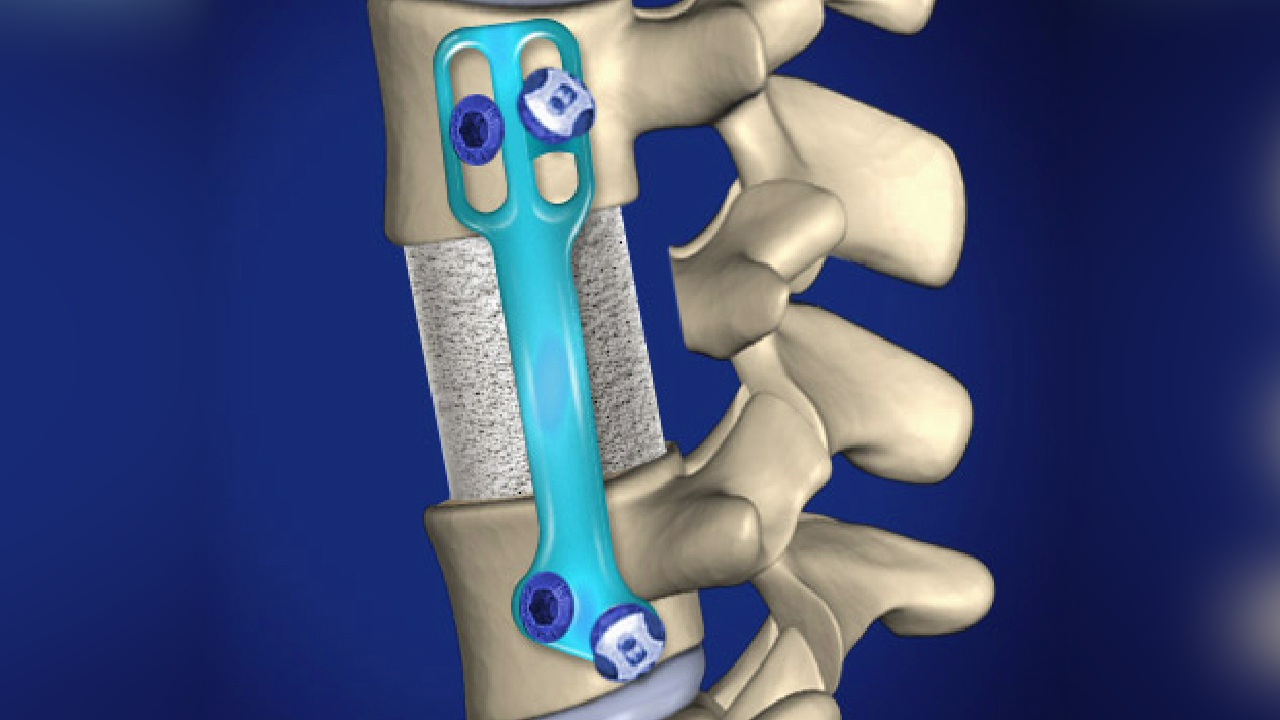
Corpectomy (or vertebrectomy) is a spinal surgery procedure in which all or part
of a vertebral body - the central "block" part of a vertebra - is removed, often
along with adjacent intervertebral discs, to decompress the spinal cord and/or
nerve roots. When the bone and disc material are
removed, the spinal column becomes unstable; hence, after corpectomy a
spinal fusion is usually done - using a bone graft or
structural cage plus metal hardware (plates and screws) - to restore stability
and maintain spinal alignment.
Why it matters
The spine houses the spinal cord and spinal nerves; any compression from damaged
vertebrae, bone spurs, tumors, fractures, or degenerative tissue can impinge on
these neural structures, causing pain, neurological deficits, weakness, or even
paralysis. Corpectomy offers a way to directly remove the compressive lesion -
bone, disc, tumor, or damaged vertebra - decompress the cord, and stabilize the
spine, restoring function and preventing further damage.
Where it is applied (spine regions)
Corpectomy can be performed in any region of the spine - cervical (neck),
thoracic (mid-back), or lumbar (lower back) - depending on the pathology.
Cervical corpectomy (neck) is common when spinal cord or nerve root compression
affects arms, hands, or causes myelopathy; lumbar or thoracic corpectomy is done
when lower back vertebrae or spinal segments are involved.
When is it considered
Corpectomy is generally considered when simpler surgeries (like a discectomy)
are insufficient - for example, when entire vertebral body is involved, there
are bone spurs or growths behind vertebra pressing on spinal cord, multi-level
degeneration, tumors, fractures, deformities, or spinal instability.
Thus, Vertebral Body Resection (Corpectomy) is a major spinal surgical procedure combining decompression + structural reconstruction, aimed at relieving spinal cord / nerve compression while preserving or restoring spinal stability.
Causes and Indications - Why Corpectomy / Vertebral Body Resection May Be Needed
Here are the common underlying pathologies, triggers, or risk-factors that prompt the need for vertebral body resection / corpectomy:
Major Indications
-
Degenerative spine disease / degenerative disc disease (DDD): Age-related degeneration of spinal discs and vertebrae, formation of osteophytes (bone spurs), thickening of ligaments - all can narrow spinal canal and compress spinal cord or nerves. When the damage spans more than a single disc, and bone spurs or vertebral body changes contribute, corpectomy may be required.
-
Spinal stenosis (multi-segment or severe): Narrowing of spinal canal due to bone overgrowth, ligament thickening, or vertebral degeneration that compresses spinal cord - often in cervical spine - requiring removal of vertebral body to decompress.
-
Spinal fractures / trauma: Trauma or fracture that damages vertebral body integrity - e.g. vertebral collapse, instability after fracture - may necessitate vertebral body removal and reconstruction.
-
Spinal tumors (primary or metastatic), vertebral bone lesions: Tumors or pathological bone growth may destroy or compromise a vertebral body; complete resection (vertebrectomy / corpectomy) may be necessary to remove tumor bulk while decompressing neural elements.
-
Infections or destructive bone disease (osteomyelitis, vertebral osteolysis): Serious spinal infections or bone diseases that destroy vertebral integrity may require removal of the diseased vertebral body to eradicate infection and decompress the spinal cord.
-
Severe deformities or instability: Conditions such as spondylolisthesis, spinal deformities (kyphosis, severe degeneration), or instability leading to neurological compromise may warrant corpectomy with spinal reconstruction.
Risk / Patient-related Factors That Influence Decision
-
Multilevel spinal disease - when degeneration or pathology spans multiple vertebral segments, discectomy alone may not suffice; thus corpectomy becomes necessary.
-
Failure of conservative treatments - non-surgical treatment (physiotherapy, pain management, steroid injections) may not relieve compression or neurological symptoms - then surgery is considered.
-
Progressive neurological deficits (weakness, numbness, myelopathy, loss of coordination, bladder/bowel involvement) - when spinal cord compression is severe or progressive, delays can worsen prognosis; corpectomy may be indicated urgently.
In short: Vertebral body resection (corpectomy) is reserved for serious spinal pathologies where bone/disc degeneration, trauma, tumor, or instability cause spinal cord / nerve root compression or structural failure - and where simpler surgeries cannot adequately address the problem.
Symptoms and Signs - When Vertebral Body Issues Suggest Need for Corpectomy
Patients who may require vertebral body resection often present with a combination of pain, neurological symptoms, and functional impairment. Common clinical symptoms and signs include:
Pain and Mechanical Symptoms
-
Chronic or severe back pain / neck pain - depending on level (cervical, thoracic, lumbar), often worsened by movement, weight-bearing, posture changes.
-
Radiculopathy - nerve root compression may cause radiating pain, tingling, numbness, or burning sensation along arms/legs, following dermatome distribution depending on the involved spinal level. In lumbar region, may manifest as sciatica; in cervical region, as arm/hand pain or numbness.
-
Muscle weakness, gait disturbance, balance issues - when spinal cord or major nerve roots are compressed, leading to motor deficits; proximal weakness, difficulty walking, frequent falls, coordination problems.
Neurological Deficits
-
Sensory changes - numbness, tingling, "pins and needles," loss of sensation or altered feeling in limbs or trunk depending on affected nerves.
-
Myelopathy signs (if spinal cord involvement) - spasticity, hyperreflexia, difficulty with fine motor tasks (hands), gait disturbance, possible bladder/bowel dysfunction in severe compression.
-
Loss of bladder or bowel control - in advanced cases, compression may impair neural pathways controlling autonomic functions.
Symptoms Not Responding to Conservative Treatment
-
Pain or neurological symptoms that have persisted or worsened despite non-surgical management (rest, physiotherapy, medications)
-
Progressive deterioration of function - increasing weakness, worsening numbness, increasing pain, or growing instability
Symptoms Specific to Underlying Cause
-
If vertebral tumor or infection: may have constitutional symptoms - unexplained weight loss, fever (infection), night pain (tumor), general fatigue.
-
If fracture/trauma: acute onset after injury, possible deformity, instability, severe pain.
Because corpectomy is a major surgical intervention with significant implications, the presence of persistent, progressive symptoms - especially neurological - often drives the decision to operate.
Diagnosis and Pre-operative Evaluation for Vertebral Body Resection / Corpectomy
Before recommending vertebral body resection, spine surgeons perform comprehensive diagnostic evaluation to confirm the pathology, assess risks, and plan surgery. Steps typically include:
Clinical Assessment
-
Full medical history: history of back/neck pain, neurological symptoms, previous trauma or spine issues, comorbidities (e.g. bone health, osteoporosis, infection, cancer), overall general health.
-
Physical and neurological examination: assess strength, reflexes, sensation, gait, coordination, signs of myelopathy or radiculopathy, bladder/bowel control, spine stability, deformity or tenderness.
Imaging Studies
-
X-rays (plain radiographs): to evaluate vertebral alignment, fractures, vertebral body collapse, vertebral height loss, slippage, deformity.
-
Magnetic Resonance Imaging (MRI): to assess spinal cord/nerve root compression, soft-tissue lesions (disc herniation, ligament thickening), tumors, infection, spinal canal stenosis.
-
Computed Tomography (CT) scan: better for bone detail - fractures, bone spurs (osteophytes), vertebral body destruction, bone integrity, bony deformities, pre-surgical planning.
-
Bone scans or biopsy (if tumor or infection suspected): to evaluate bone lesions, vertebral body destruction, confirm malignancy or infection, guide surgical planning.
Pre-operative Medical Evaluation
-
Assessment of general health, comorbidities (cardiovascular, pulmonary, metabolic), bone health (bone density, risk of osteoporosis), infection markers if relevant, anesthesia fitness.
-
Planning for bone graft or hardware: decide on graft type (autograft vs allograft vs cage), instrumentation, surgical approach (anterior, posterior, combined), number of levels, stability needs.
Patient Counseling & Informed Consent
-
Explanation of need for decompression + fusion, risks and benefits, alternative treatments (non-surgical management, minimally invasive surgery, conservative therapy), expected recovery, long-term implications (fusion reduces motion at that segment, possible adjacent-level degeneration).
-
Discussion of postoperative care, rehabilitation, potential complications, need for lifestyle adjustments (activity limitations, bone health).
This thorough evaluation and planning phase is crucial to maximize the chances of a successful outcome and minimize complications.
Treatment Options & Surgical Techniques for Vertebral Body Resection / Corpectomy
Because "vertebral body resection" can involve different spine levels, pathologies, and surgical approaches - the actual surgical technique and reconstruction vary. Here are the main approaches and methods.
Corpectomy + Spinal Fusion (Standard Approach)
-
After removal of the affected vertebral body (one or more levels) and adjacent discs, the gap is reconstructed using a structural bone graft (autograft - from patient's own bone; or allograft) or a synthetic cage / spacer.
-
To stabilize the spine, metal hardware (plates and screws, or rods/pedicle screws depending on region) is inserted connecting the vertebrae above and below the removed segment - ensuring alignment and preventing collapse.
-
Over time, the bone graft fuses with adjacent vertebrae ("spinal fusion"), creating a stable, single bony segment. This restores spinal stability, maintains spinal canal space, and prevents further compression.
Approach Variations (depending on spine level and pathology)
-
Anterior approach (common in cervical spine) - incision in front of neck (or abdomen for lumbar), accessing vertebral body via front, removing vertebra/discs, inserting graft/cage, placing anterior plate/screws.
-
Posterior / Transpedicular / Costotransversectomy approaches (used in thoracic or lumbar spine, or when posterior elements need access) - removal of vertebral body via back or lateral route; may involve removal of pedicles, lamina, partial facets if needed to access vertebral body and decompress spinal canal.
-
"Skip corpectomy" / multilevel corpectomy for multi-level disease: when disease spans multiple vertebrae, surgeons may perform removal of alternate vertebrae ("skipping" one intact vertebra between resected ones) to reduce extent of fusion, preserve some motion segments, yet provide decompression. Biomechanical studies show skip-corpectomy can offer comparable postoperative stability to standard plated corpectomy.
Intraoperative considerations and reconstruction strategies
-
For tumor or infection cases, sometimes resection must be more extensive (vertebral body + posterior elements), potentially requiring more complex reconstruction.
-
Use of bone graft vs cage vs synthetic spacers: surgeon selects based on patient's bone health, pathology, need for load-bearing, expected fusion quality.
-Instrumentation must account for spinal alignment, biomechanical load, adjacent segment stress; proper fixation critical for long-term success.
When Conservative Treatment is Not Enough
-
Corpectomy is generally reserved when non-surgical treatments (physiotherapy, medications, injections, bracing) have failed or when neurological symptoms are progressive or severe.
-
The decision is individualized based on patient's symptoms, imaging findings, general health, expected benefit vs risk, surgeon's expertise, and long-term prognosis.
Prevention, Management & Long-Term Care - Post-Surgery and Beyond
Because corpectomy involves removal and reconstruction of spinal elements, long-term care and management are vital for success. Here are core aspects:
Prevention (before pathology advances)
-
Early detection of spinal degeneration: Regular medical follow-up for chronic back/neck pain, neurological symptoms, degenerative disc disease; timely imaging when indicated to detect compressive lesions early.
-
Spine health maintenance: Maintain good bone health - adequate calcium & vitamin D, avoid smoking, manage osteoporosis if present; proper posture and ergonomics; avoiding repetitive heavy lifting or spinal stress; strengthening core and back muscles to reduce spinal load.
-
Lifestyle modifications: Keep healthy weight, avoid activities that increase spinal stress; treat chronic conditions (e.g. infections, metabolic disease) that may weaken bone or predispose to spinal problems.
Post-operative Management & Rehabilitation
-
Hospital stay and immediate recovery: After corpectomy + fusion, patient may stay in hospital as per surgeon's protocol; mobilization under guidance, but limited weight-bearing initially; careful wound care; monitoring for complications (infection, graft displacement, nerve injury).
-
Gradual mobilization and physiotherapy: Once stability is ensured, start physiotherapy to restore mobility (above/below fused segments), strengthen surrounding muscles, maintain flexibility without stressing fusion site.
-
Bone graft integration and fusion monitoring: Regular follow-up with imaging (X-rays, CT if needed) to confirm graft incorporation and bone fusion; avoid activities that stress spine until fusion is solid.
-
Lifestyle for long-term spine health: Maintain healthy weight, avoid smoking, ensure calcium & vitamin D adequacy, ergonomic adjustments, safe lifting practices, spine-strengthening core exercises (under physician guidance), avoid excessive spine loading.
Patient Education and Realistic Expectations
-
Educate patient about the nature of fusion - a fused segment means loss of motion at that level; may increase stress on adjacent spinal levels (adjacent segment disease) over time.
-
Emphasize that recovery may be prolonged; some symptoms improve immediately (pain relief, decompression), but full recovery (fusion, nerve healing) may take months.
-
Stress the importance of follow-up, adherence to rehab, lifestyle modifications, bone health maintenance, and protection of spinal hardware.
Prevention of recurrence, hardware failure, adjacent-level degeneration, or non-union depends heavily on long-term management, patient compliance, and medical follow-up.
Complications and Risks of Vertebral Body Resection (Corpectomy)
Because vertebral body resection is a major spinal surgery, there are several significant risks and potential complications - both early (perioperative) and long-term. It is critical that patients and surgeons weigh these before opting for surgery. Key risks include:
Early / Surgical Risks
-
Bleeding and blood loss - removal of vertebral body and surrounding bone can lead to significant bleeding; risk may increase in multilevel resections or in vascular tumors.
-
Nerve or spinal cord injury - because the procedure decompresses near spinal cord or nerve roots, there is risk of inadvertent nerve damage, which might result in paralysis, weakness, sensory loss, or permanent neurological deficit.
-
Dural tear / cerebrospinal fluid (CSF) leak - especially in cases like ossification of ligaments or dense adhesions, dural tears are among the most frequent complications post-corpectomy.
-
Infection - surgical site infections, deep wound infections, or graft-site infection; spinal surgery in general carries infection risk.
-
Graft displacement, hardware failure, non-union (pseudarthrosis) - the bone graft or cage used to reconstruct vertebral body may fail to fuse properly, or screws/plates may loosen, leading to instability, pain, need for revision surgery.
-
Adjacent structure injury - depending on approach: in anterior cervical corpectomy, risk to esophagus, trachea, major vessels, or recurrent laryngeal nerve (leading to hoarseness, swallowing issues) may exist.
Medium / Long-Term Risks
-
Non-union / pseudarthrosis - failure of bone fusion across graft/hardware site may result in persistent instability, pain, risk of hardware failure.
-
Adjacent Segment Degeneration (ASD) - because fused segments no longer move, increased mechanical stress transfers to adjacent vertebrae, increasing risk of degeneration, disc disease, future problems.
-
Chronic pain, hardware-related discomfort - some patients may experience chronic back/neck pain, discomfort from metal implants, reduced spine flexibility, or limitation in certain movements.
-
Delayed neurological problems - in rare cases, hardware migration, graft resorption, bone loss, or further degeneration may compromise neural structures later, requiring revision surgery.
-
General surgery-related risks - anesthesia-related complications, blood clots, pulmonary issues, infection, etc. Spine surgeries especially need careful perioperative management.
Because of these risks, corpectomy should always be done by experienced spine surgeons, with careful patient selection, meticulous surgical technique, and rigorous follow-up care.
Living After Vertebral Body Resection - Recovery, Rehabilitation, Long-Term Outlook
Immediate Post-Surgery and Early Recovery
-
After surgery, patients usually require a period of restricted activity. Depending on the region of spine and extent of surgery, hospital stay may vary, followed by limited mobility initially. For cervical corpectomy, many patients stay only one or two nights, then begin gradual mobilization.
-
Pain management, wound care, monitoring for infection, neurological status, and proper support (neck brace or lumbar support if advised) form the initial phase of recovery.
Rehabilitation and Physical Therapy
-
Once stable, the patient is enrolled in a rehabilitation program: gentle mobilization, muscle strengthening (above and below fused segments), posture correction, and gradual return to daily activities.
-
Activities that impose high load or stress on the spine (heavy lifting, high-impact sports) are usually avoided until fusion is confirmed solid.
Long-Term Outcomes
-
Many patients experience significant symptom relief - reduction or elimination of neurologic pain, improved strength or sensation, better mobility, relief of myelopathy or pain. When fusion is successful and there is no graft/hardware complication, quality of life can markedly improve.
-
However - spinal motion at fused segment is permanently lost, which means increased stiffness at that level; patients should be educated about possible long-term biomechanical effects, especially on adjacent spinal segments.
-
Periodic follow-up - imaging (X-ray, CT), clinical neurological assessment, bone health monitoring, graft integrity, hardware status.
-
Lifestyle modification for spine health - maintain healthy weight, bone health (calcium/Vit D), posture, ergonomic habits, safe lifting practices, avoid behaviors that over-stress spine, regular low-impact exercise (walking, swimming) to keep spine flexible without overloading fused segments.
Patient Education & Realistic Expectations
-
Emphasize that while corpectomy aims to decompress spinal cord/nerves and stabilize spine, it doesn't restore "normal natural spine." Some loss of flexibility, need for long-term care, risk of adjacent degeneration remain.
-
Patients should understand the need for adherence to rehab, follow-up, healthy lifestyle, and spine protection.
-
For patients with tumors or infections: ongoing monitoring may be needed; additional therapy (radiotherapy, chemotherapy) may be scheduled, and surgical reconstruction may influence those plans.
Top 10 Frequently Asked Questions about Vertebral Body Resection Corpectomy
1. What is Vertebral Body Resection (Corpectomy)?
Vertebral Body Resection, also known as corpectomy, is a surgical procedure where one or more vertebral bodies (the bony blocks of the spine) are removed, along with the adjacent intervertebral discs. The purpose of this surgery is to relieve pressure on the spinal cord or nerve roots, which may be caused by conditions like spinal tumors, fractures, degeneration, or herniated discs. After the vertebra is removed, the spine is typically stabilized by placing a bone graft, metal implant, or cage, along with screws and plates, to hold the spine in place and promote healing. The procedure is aimed at restoring spinal stability and relieving neurological symptoms such as pain, numbness, or weakness caused by compression on the spinal cord or nerves.
2. When is Vertebral Body Resection (Corpectomy) needed?
Vertebral body resection is typically recommended when other less invasive treatments (like medications, physical therapy, or injections) have failed to relieve the symptoms, or when a condition is so severe that it threatens the integrity of the spine or spinal cord. Conditions that may require corpectomy include:
-
Spinal fractures: Often caused by trauma or osteoporosis, where a fractured vertebra compresses the spinal cord or nerve roots.
-
Spinal tumors: Benign or malignant growths within the vertebral body or surrounding tissues that press on the spinal cord or nerves.
-
Degenerative disc disease: Where the intervertebral discs break down and compress nerve roots, leading to pain and mobility issues.
-
Herniated or prolapsed discs: When a disc protrudes and presses against the spinal cord or nerves.
-
Infections: Spinal infections (like osteomyelitis or discitis) that compromise the vertebral body structure.
This surgery is performed when the removal of the vertebral body is necessary to relieve symptoms and prevent further neurological damage.
3. How is the Vertebral Body Resection performed?
The procedure typically involves the following steps:
-
Anesthesia: The surgery is performed under general anesthesia, ensuring that the patient is unconscious and pain-free.
-
Approach: The surgeon may approach the spine from the front (anterior), the side (lateral), or the back (posterior), depending on the location of the affected vertebrae and the specific condition being treated. The most common approach for corpectomy is the anterior approach, which involves making an incision in the front of the neck (for cervical corpectomy) or abdomen (for lumbar or thoracic corpectomy).
-
Removing the vertebra: After accessing the spine, the surgeon removes the damaged vertebral body and any affected discs. Care is taken to avoid damaging nearby structures, including the spinal cord, nerves, and blood vessels.
-
Reconstruction: Once the vertebra is removed, the space is filled with a bone graft or a cage implant designed to restore the height of the vertebral body and promote fusion. Metal plates and screws may be used to stabilize the spine during the healing process.
-
Closing: The incision is closed with sutures, and the patient is monitored in a recovery room.
4. What improvements can patients expect after corpectomy?
After a successful corpectomy, patients can experience significant improvements, including:
-
Pain relief: The main benefit of corpectomy is the relief of nerve compression caused by vertebral fractures, tumors, or herniated discs. Patients often experience reduced pain, numbness, or tingling in the arms, legs, or back.
-
Improved mobility: With the decompression of spinal nerves, patients may notice an improvement in mobility, including the ability to walk or perform daily activities without pain or weakness.
-
Restoration of spinal stability: The surgery restores stability to the spine by replacing the removed vertebral body with a graft or implant, helping to prevent further damage and deformity.
-
Prevention of further neurological damage: By decompressing the spinal cord and nerve roots, corpectomy can prevent worsening symptoms, such as loss of motor function, bowel or bladder control, and even paralysis in severe cases.
5. What are the risks and potential complications of corpectomy?
Like any major surgery, corpectomy carries certain risks and potential complications:
-
Infection: Any surgery involving the spine carries the risk of infection at the surgical site or deeper tissues.
-
Bleeding: Excessive bleeding during surgery or after the procedure can occur, especially when working near sensitive structures such as blood vessels and nerves.
-
Nerve damage: Although the surgeon takes great care to protect the spinal cord and nerves, there is a small risk of damage that could result in neurological complications, including weakness, numbness, or even paralysis.
-
Failed fusion: The bone graft or implant used to stabilize the spine may not fuse properly, which could lead to continued instability and may require further surgical intervention.
-
Hardware complications: The screws, plates, or other implants used to stabilize the spine can become loose or shift, requiring additional surgery.
-
Chronic pain: A small percentage of patients may experience persistent or chronic pain after surgery, either due to failed fusion or other complications.
6. What does the recovery process look like after vertebral body resection?
The recovery from corpectomy can vary depending on the individual and the extent of the surgery. Generally, patients can expect:
-
Hospital stay: Most patients stay in the hospital for a few days after surgery for monitoring and pain management.
-
Pain management: Pain and discomfort are common after the procedure, but these can typically be controlled with medications.
-
Activity restrictions: Patients are usually advised to avoid lifting heavy objects, bending, or twisting for 6-8 weeks while the spine heals.
-
Physical therapy: Once initial recovery has taken place, physical therapy may be recommended to strengthen the muscles around the spine and help restore mobility.
-
Follow-up visits: Regular follow-up appointments with the surgeon are necessary to monitor the healing process, check for signs of complications, and confirm that fusion is taking place.
7. How long does it take to recover fully from vertebral body resection?
The full recovery time from a vertebral body resection and spinal fusion can take several months. Early recovery (the first few weeks) focuses on pain management, reducing swelling, and ensuring that the surgical site is healing properly.
-
Full spinal fusion - where the bone graft or implant fully integrates with the adjacent vertebrae - can take 3-6 months or longer.
-
It is crucial for patients to follow all postoperative instructions, including avoiding strain on the spine, performing recommended exercises, and attending follow-up visits.
Most people return to light activities within 6-8 weeks, but more strenuous tasks should be avoided for at least 3 months.
8. Is vertebral body resection (corpectomy) permanent - or can problems recur?
When the procedure is performed correctly and the fusion heals properly, vertebral body resection should provide long-lasting relief from symptoms. However, there are some potential long-term issues to consider:
-
Adjacent level degeneration: The spine above or below the fusion site may develop problems over time due to the altered mechanical load on those levels.
-
Recurrence of symptoms: In some cases, fusion may fail, or the surrounding tissue may become irritated, leading to recurrence of pain or nerve compression.
-
Long-term spinal health: Patients must be mindful of maintaining spinal health through regular exercise, proper posture, and bone health to prevent further issues.
9. Who is a good candidate for vertebral body resection?
Good candidates for vertebral body resection are typically:
-
Patients who have a significant compression of the spinal cord or nerve roots due to vertebral fractures, tumors, or disc herniation.
-
Those who have failed conservative treatments, such as physical therapy, medications, or injections, and require surgical intervention for relief.
-
Patients who are in generally good health and able to undergo the stresses of surgery and recovery.
It is important for candidates to discuss their health history, any ongoing spinal conditions, and specific treatment goals with their surgeon to determine if they are suitable for this procedure.
10. What should I discuss with my surgeon before vertebral body resection?
Before undergoing vertebral body resection, it's important to have a detailed conversation with your surgeon about:
-
The specific diagnosis and extent of spinal damage.
-
The surgical approach and technique to be used (anterior, posterior, or lateral).
-
Risks and benefits of the procedure, including potential complications.
-
The postoperative recovery process and what you can expect in terms of pain, rehabilitation, and activity restrictions.
-
Long-term outcomes, including the likelihood of successful fusion and any steps to ensure long-term spinal health.
-
Whether you need any additional treatments (e.g. radiation, chemotherapy) if tumors are involved.
Having a clear understanding of the procedure, recovery, and potential outcomes will help you make an informed decision.