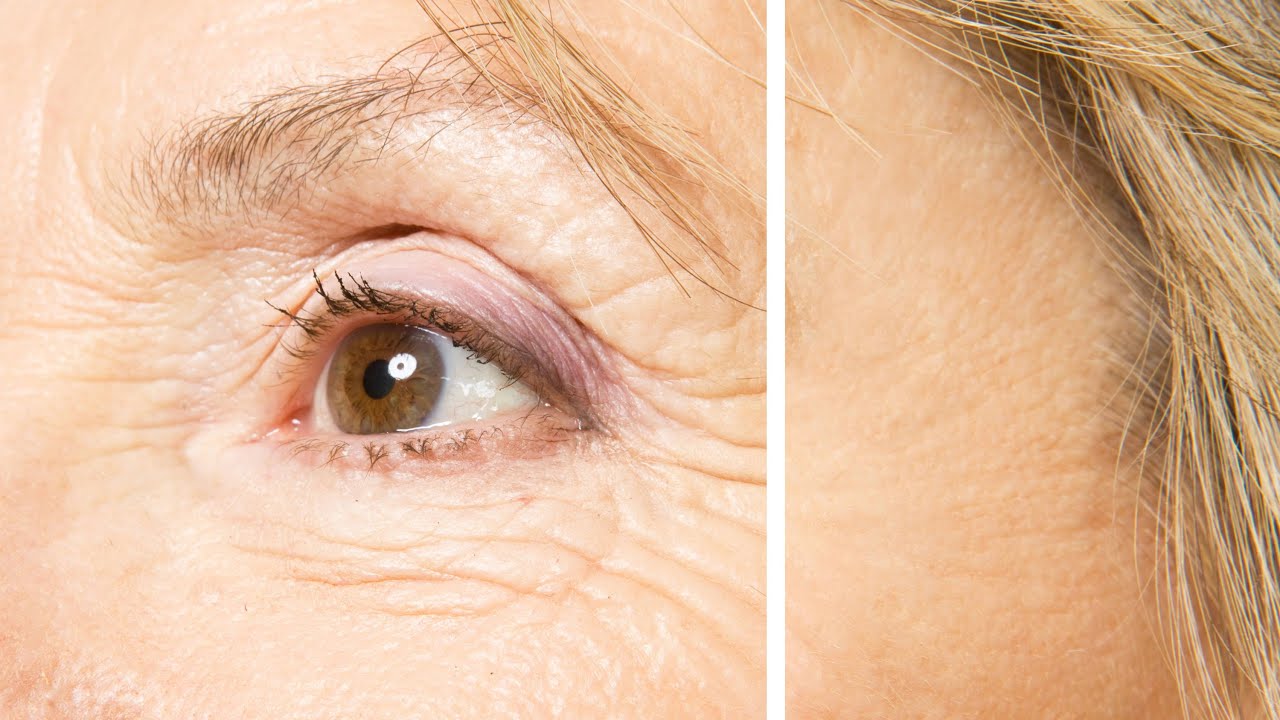
Introduction to Wrinkle Removal
Wrinkles are inevitable, natural changes in our skin that are most commonly associated with aging. They develop as the skin loses its youthful firmness, texture, and elasticity, making it appear saggy or lined. These lines, folds, and creases typically form on areas of the skin that are frequently exposed to the sun, or that are used in repetitive facial expressions, such as the face and neck.
While wrinkles are a normal part of the aging process, they can become a cosmetic concern for many people, especially as they start to deepen and affect self-esteem. As skin ages, the ability to bounce back and retain moisture decreases, leading to the formation of these unsightly lines.
Wrinkle removal refers to a variety of cosmetic treatments, both non-invasive and surgical, that aim to smoothen the skin and reduce the appearance of fine lines and deep wrinkles. These procedures not only enhance the physical appearance but also rejuvenate the skin by restoring its youthfulness. Wrinkle removal procedures can be targeted at different parts of the face, including the forehead, around the eyes, smile lines, and neck area.
This article will discuss the causes and risk factors that lead to wrinkles, various treatment options, the prevention of wrinkles, management of skin health, and the possible complications of wrinkle treatments. Whether you are considering botox, facelifts, or more advanced treatments like laser therapy, understanding the causes and treatments can guide you in making an informed decision about maintaining your skin.
Causes and Risk Factors Leading to Wrinkles
The appearance of wrinkles is influenced by both intrinsic and extrinsic factors. Intrinsic aging is the natural aging process, while extrinsic aging refers to environmental influences like sun exposure and smoking. Below are the key causes and risk factors behind the formation of wrinkles:
Natural Aging (Intrinsic Aging)
As we age, our skin naturally goes through changes:
-
Reduction in Collagen and Elastin: Collagen is a protein that gives the skin its structure and firmness, while elastin allows the skin to stretch and regain its shape. As we age, collagen production slows down, and the skin loses elasticity. This results in the formation of fine lines and deep wrinkles.
-
Decreased Skin Cell Turnover: The skin's ability to regenerate and shed dead skin cells slows down over time. This results in the thinning of the epidermis, making wrinkles and fine lines more noticeable.
-
Slower Healing: As we age, the skin becomes less efficient in repairing itself. When injuries or damage occur, they may take longer to heal, and the skin's ability to fight off environmental damage diminishes.
Sun Exposure (Photoaging)
Sun exposure is one of the most significant extrinsic factors that accelerate the aging process. UV radiation damages the DNA in skin cells and breaks down collagen, which directly leads to premature wrinkling. The skin on areas like the face, neck, hands, and chest are highly susceptible to sun damage.
-
UV Radiation Breakdown: UV rays penetrate the skin and destroy collagen and elastin fibers, leading to thickening of the epidermis and deepening wrinkles. Even moderate sun exposure over many years can cause significant damage to the skin's structure.
-
Wrinkles from Sun Exposure: Commonly referred to as photoaging, these wrinkles are often seen in areas of the skin that get the most sun exposure, such as the face, arms, and hands.
Lifestyle Factors
Several lifestyle habits can significantly impact the appearance of wrinkles:
-
Smoking: Smoking is a major contributor to premature skin aging. It reduces blood flow to the skin, decreasing the oxygen and nutrients that are delivered to skin cells. This accelerates collagen breakdown and leads to the formation of fine lines and wrinkles.
-
Alcohol and Poor Diet: Excessive alcohol consumption can cause dehydration, making the skin appear dry, dull, and prone to wrinkles. A poor diet, especially one that lacks essential vitamins and antioxidants, can compromise skin health.
-
Stress and Sleep Deprivation: Chronic stress and insufficient sleep can lead to elevated cortisol levels, which can break down collagen and elastin in the skin. Sleep deprivation also impairs the skin's ability to repair itself overnight, speeding up the aging process.
Repetitive Facial Expressions
Facial expressions like smiling, frowning, squinting, and raising eyebrows put stress on the skin. Over time, repeated movement of facial muscles can lead to the formation of dynamic wrinkles:
-
Crow's Feet (Around the Eyes): These wrinkles form when the muscles around the eyes contract during expressions like smiling or squinting.
-
Forehead Lines: Constant raising of the eyebrows leads to horizontal lines across the forehead.
-
Smile Lines (Nasolabial Folds): These lines, running from the sides of the nose to the corners of the mouth, deepen over time due to the constant stretching of the skin when smiling.
Environmental and Pollutant Exposure
-
Pollution: Pollutants like smog, dust, and chemicals can cause oxidative stress on the skin, leading to premature aging. These pollutants produce free radicals that break down collagen and elastin.
-
Harsh Weather: Cold winds, hot temperatures, and dry conditions can also contribute to the skin's aging process. Extreme temperatures dry out the skin, making it more prone to fine lines and wrinkles.
Symptoms and Signs - Recognizing Wrinkles and Skin Aging Changes
As the skin ages, certain visual cues indicate the development of wrinkles and the loss of youthful skin qualities. Here are the key signs and symptoms to look for:
Fine Lines
Fine lines are the earliest form of wrinkles, often appearing around the eyes (commonly known as crow's feet), mouth (laugh lines), and forehead. These lines may be barely visible at first but can deepen over time due to repeated facial expressions and loss of collagen.
Deep Wrinkles
As skin elasticity decreases and collagen production slows down, these fine lines transform into deep wrinkles. These wrinkles tend to be more noticeable and permanent. They appear as:
-
Forehead lines (horizontal lines)
-
Nasolabial folds (lines running from the nose to the mouth)
-
Marionette lines (lines running from the corners of the mouth down to the chin)
Sagging Skin
As the skin loses firmness, areas such as the jawline, neck, and cheeks may begin to sag. This is often referred to as ptosis, or drooping of the skin. Sagging can be particularly pronounced in areas where skin naturally loses volume, such as the cheeks and under the eyes.
Uneven Texture and Skin Tone
With age, skin becomes drier and less able to retain moisture. This leads to rough texture, uneven skin tone, and the appearance of age spots or sun spots. As wrinkles develop, they often cause the skin to appear rough and uneven, which can make the overall complexion look older and less vibrant.
Diagnosis - When to Consider Wrinkle Removal Treatments
Wrinkles, in and of themselves, do not require medical attention, but when they become a source of self-consciousness, it may be time to consider treatment options. Consulting a dermatologist or plastic surgeon is essential in determining which treatment options are best suited for your skin type, age, and lifestyle.
Skin Assessment
During a consultation, a doctor will evaluate the severity of your wrinkles and skin elasticity by:
-
Examining the depth and type of wrinkles (fine lines vs. deep wrinkles).
-
Assessing overall skin health, including tone, texture, and hydration.
-
Determining your skin type (dry, oily, combination, sensitive).
-
Considering your lifestyle habits (sun exposure, smoking, etc.) and overall skin care routine.
Goals and Expectations
During the diagnosis phase, it is essential for the patient to communicate their goals and expectations clearly. Whether you're looking for a subtle rejuvenation or a more dramatic transformation, understanding what treatments are possible and reasonable is crucial. Setting realistic expectations ensures satisfaction with the final results.
Treatment Options for Wrinkle Removal
Wrinkle "removal" is usually achieved by combining medical skin care, office-based non-surgical procedures, and, for advanced aging, surgical lifting; the best option depends on your age, skin type, and whether lines are fine, deep, or due to sagging.
Non-Surgical Treatments
There are several non-invasive procedures available to reduce wrinkles, many of which require little to no recovery time:
1. Botox (Botulinum Toxin)
Botox is an injectable neuromodulator that works by relaxing the muscles responsible for dynamic wrinkles. Botox temporarily paralyzes the muscle, reducing the appearance of wrinkles caused by facial expressions. It is commonly used for forehead lines, crow's feet, and frown lines. The effects typically last between 3 to 6 months.
2. Dermal Fillers
Dermal fillers are injectable substances used to fill in deep wrinkles, restoring lost volume in areas such as the cheeks, nasolabial folds, and under the eyes. Popular fillers include hyaluronic acid, calcium hydroxylapatite, and poly-L-lactic acid. These fillers can last anywhere from 6 months to 2 years, depending on the type used.
3. Chemical Peels
A chemical peel involves applying a chemical solution to exfoliate the skin, revealing fresher, younger-looking skin beneath. It is used to treat fine lines, acne scars, sun damage, and age spots. Chemical peels come in mild, medium, and deep options, depending on the severity of wrinkles and the area treated.
4. Laser Resurfacing
Laser resurfacing uses focused laser beams to remove damaged layers of skin and stimulate collagen production. It improves skin texture, reduces wrinkles, and tightens the skin. This treatment is particularly effective for deeper wrinkles and sun damage.
5. Microneedling
Microneedling is a procedure in which tiny needles are used to create micro-injuries in the skin. This stimulates the skin's natural healing process, encouraging collagen production. It is often used in combination with platelet-rich plasma (PRP) to further enhance the results.
Surgical Treatments
1. Facelift (Rhytidectomy)
A facelift is a surgical procedure that lifts and tightens the skin of the face and neck. It involves removing excess skin and repositioning the underlying muscles and tissues. Facelifts provide dramatic, long-lasting results, particularly for individuals with deep wrinkles and sagging.
2. Brow Lift
A brow lift, or forehead lift, targets deep forehead lines and sagging eyebrows. It lifts the brow area to restore a youthful and more alert appearance, improving the overall aesthetic of the upper face.
3. Neck Lift
A neck lift addresses wrinkles, sagging, and excess fat around the neck. This procedure is particularly useful for individuals who have significant skin laxity in the neck and jawline, resulting in a more defined and youthful contour.
Prevention and Management of Wrinkles
Preventing wrinkles requires a combination of skincare routines, lifestyle changes, and sun protection. Implementing these measures early can significantly slow down the skin's aging process and maintain its youthful appearance:
1. Sun Protection
The most important factor in wrinkle prevention is protecting the skin from harmful UV radiation. This includes daily use of sunscreen with SPF 30 or higher, wearing protective clothing, avoiding direct sun exposure, and seeking shade when necessary.
2. Skincare Routine
Use moisturizers, retinoids, antioxidant-rich creams, and gentle exfoliants to boost skin health. Regularly moisturizing the skin helps maintain hydration and plumpness, preventing it from becoming dry and wrinkled.
3. Healthy Lifestyle
-
Diet: A balanced diet rich in vitamins A, C, and E, omega-3 fatty acids, and antioxidants can help support collagen production and skin health.
-
Sleep: Proper rest is essential for skin regeneration. During sleep, the skin goes through a healing process that can significantly impact its appearance.
-
Avoid Smoking and Alcohol: Smoking reduces blood flow to the skin, and alcohol dehydrates it. Quitting these habits can greatly benefit your skin's overall appearance.
Complications and Risks of Wrinkle Removal Treatments
While wrinkle removal treatments are generally safe, there are certain risks and complications to consider:
-
Botox and Fillers: Common side effects include bruising, swelling, redness at the injection site, and temporary muscle weakness. In rare cases, improper injections can lead to asymmetry or drooping eyelids.
-
Laser Treatments: Risks include burns, scarring, and changes in pigmentation, especially for those with darker skin tones. It is crucial to consult with an experienced professional.
-
Facelift and Surgical Procedures: Surgical risks include infection, scarring, nerve damage, anesthesia complications, and poor healing. These treatments often require longer recovery times and have more significant risks compared to non-invasive methods.
Living with the Condition After Treatment
After undergoing wrinkle removal treatments, maintaining healthy skin and making lifestyle changes are key to prolonging the results:
-
Skincare Maintenance: Use gentle cleansers, moisturizers, and sunscreens to protect the skin and keep it hydrated.
-
Regular Follow-ups: Periodic visits to the dermatologist or cosmetic surgeon will help you track the progress and determine if any additional treatments are needed.
-
Healthy Habits: Continue a healthy diet, exercise, and stress management routine to support skin health and prevent further wrinkles from developing.
By following a proper skincare regimen and maintaining good health practices, you can ensure that your skin continues to look vibrant and youthful after treatment.
Top 10 Frequently Asked Questions about Wrinkles Removal
1. What Causes Wrinkles and How Do They Form?
Wrinkles are a natural part of the aging process, but their formation can also be accelerated by various factors. As we age, the skin loses its natural elasticity and collagen production slows down. The epidermis, or outer layer of the skin, thins, and the underlying layer (the dermis) starts to lose its firmness and thickness. This loss of collagen and elastin makes the skin more vulnerable to sagging and the formation of lines and creases.
Other environmental and lifestyle factors contribute to wrinkle formation, such as:
-
Sun exposure: UV rays break down collagen and elastin, leading to premature aging and the development of wrinkles.
-
Repetitive facial expressions: Frequent movements like squinting, smiling, and frowning can cause dynamic wrinkles, which are the lines that form due to facial expressions.
-
Smoking: Smoking reduces blood flow to the skin, impairs the production of collagen, and leads to premature wrinkling.
-
Genetics: Some people are more predisposed to developing wrinkles due to their genetic makeup, meaning they may experience skin aging earlier than others.
Wrinkles typically appear first around the eyes, mouth, and forehead - areas of the face that are involved in frequent movement.
2. Are Wrinkle Removal Treatments Necessary, or Is It Just Cosmetic?
Wrinkle removal treatments are primarily considered cosmetic procedures. Wrinkles themselves are not harmful and are a natural part of the aging process. However, many individuals seek wrinkle treatment for personal or aesthetic reasons. Wrinkles can affect a person's confidence or self-image, especially if they feel their appearance is making them look older than they feel.
Treatments are designed to restore a youthful appearance, reduce signs of aging, and promote skin health. While these treatments are not medically necessary, they can improve quality of life for people who are bothered by their wrinkles and want to regain a more youthful, refreshed look.
3. What Are the Different Types of Wrinkle Removal Treatments Available?
There are various non-invasive and invasive treatments available for wrinkle removal. The choice of treatment depends on the severity of the wrinkles, the area of the face affected, and the individual's goals. Here are some popular options:
-
Topical Treatments (Creams and Serums): Products that contain active ingredients such as retinoids (vitamin A), hyaluronic acid, peptides, and antioxidants can help reduce the appearance of fine lines and wrinkles. These products promote collagen production, hydrate the skin, and repair damaged skin cells over time.
-
Injectables (Botox and Dermal Fillers):
-
Botulinum toxin (Botox) temporarily paralyzes muscles in the face, smoothing out wrinkles caused by repeated facial expressions. This is most commonly used for wrinkles around the eyes, forehead, and mouth.
-
Dermal fillers, like hyaluronic acid, restore volume to areas where the skin has lost fullness, such as around the cheeks, lips, and under the eyes. This helps reduce sagging and the appearance of deeper wrinkles.
-
-
Laser Treatments: Laser resurfacing removes layers of damaged skin, stimulating the production of new skin cells. This can help reduce both fine lines and deeper wrinkles, improving skin texture and tone.
-
Chemical Peels: A chemical solution is applied to the skin to exfoliate the outer layers, encouraging the regeneration of new skin cells. This can smooth out wrinkles and improve overall skin texture.
-
Microdermabrasion and Microneedling: These methods involve gently removing the top layer of skin or stimulating collagen production through controlled skin injury. They are often used for mild to moderate wrinkles and help improve skin texture and tone.
Each treatment has its benefits and limitations, and a consultation with a dermatologist or cosmetic surgeon is necessary to determine which one is best suited for your needs.
4. How Long Do the Results of Wrinkle Removal Treatments Last?
The longevity of results depends on the type of treatment used:
-
Botox: Results last about 3-4 months, after which the treatment needs to be repeated. Over time, the duration between treatments may shorten as the body becomes accustomed to the treatment.
-
Dermal Fillers: The results typically last 6 months to 2 years, depending on the type of filler used and the area treated. Hyaluronic acid fillers tend to last around 6-12 months, while longer-lasting fillers (such as those containing calcium hydroxyapatite) can last up to 2 years.
-
Laser Treatments: Results can last anywhere from 6 months to several years depending on the type of laser used. However, maintenance treatments are often necessary to keep up with skin aging.
-
Chemical Peels: The effects of a chemical peel can last from several months to a year, but regular touch-ups may be required for long-term benefits.
-
Topical Creams and Serums: These generally provide ongoing benefits but require continued use to maintain the effects. The results may not be as dramatic or immediate as other treatments, but they can contribute to the gradual reduction of fine lines and wrinkles over time.
Regular maintenance and touch-up treatments are often necessary to maintain the desired results.
5. What Are the Risks or Side Effects of Wrinkle Removal Treatments?
Like any cosmetic procedure, wrinkle removal treatments carry some risks and potential side effects, though these are typically minimal when performed by experienced professionals.
-
Botox: Common side effects include mild bruising, swelling, or redness at the injection site. Rare side effects can include drooping eyelids or eyebrows if the toxin spreads beyond the targeted area.
-
Dermal Fillers: There may be bruising, swelling, or tenderness at the injection site. In rare cases, filler migration or lumpiness can occur. Some people may also experience allergic reactions to the fillers.
-
Laser Treatments: Side effects may include temporary redness, swelling, or skin irritation. In rare cases, there is a risk of scarring or changes in pigmentation (hyperpigmentation or hypopigmentation).
-
Chemical Peels: Possible side effects include skin irritation, dryness, or temporary redness. Deeper peels may cause scarring if not done correctly.
-
Microneedling: Potential side effects include mild redness and swelling, but these usually resolve within a few hours or days.
6. Are Wrinkle Removal Treatments Safe?
Wrinkle removal treatments are generally safe when performed by a licensed and experienced practitioner. However, it's essential to do thorough research before undergoing any procedure. Always ensure the practitioner is qualified and has a good track record with the treatment you are considering. Some treatments, like Botox or dermal fillers, require a high level of skill and knowledge of facial anatomy to avoid complications.
7. How Can I Prevent Wrinkles from Forming in the First Place?
While you cannot entirely prevent wrinkles - as aging is a natural process - you can take steps to slow down their formation:
-
Protect your skin from the sun: Use a broad-spectrum sunscreen with SPF 30 or higher, wear protective clothing, and avoid prolonged sun exposure.
-
Quit smoking: Smoking accelerates the breakdown of collagen and elastin in the skin, leading to premature wrinkling.
-
Hydrate your skin: Use a good moisturizer and drink plenty of water to keep your skin hydrated and plump.
-
Follow a healthy skincare routine: Include products with antioxidants (like vitamin C) or retinoids (which help with skin cell turnover).
-
Get enough sleep: During sleep, your body repairs and regenerates skin cells, so getting adequate rest is important for healthy skin.
Adopting these habits can help keep your skin looking youthful for a longer period.
8. What Should I Expect During and After a Wrinkle Removal Treatment?
The experience depends on the type of treatment:
-
Injectables: Botox and dermal filler injections are relatively quick (15-30 minutes), with little to no downtime. Some mild swelling or bruising is possible for a few days. Most people resume normal activities immediately.
-
Laser Treatments: Depending on the type of laser, you may experience mild redness or discomfort for a few hours to a few days post-treatment. Recovery time is typically short, but it's important to avoid direct sun exposure during the healing phase.
-
Chemical Peels: Expect some peeling or flaking in the days following the procedure. Healing time can range from a few days to a week for superficial peels and up to two weeks for deeper peels.
-
Surgical Procedures: For more invasive treatments like facelifts, expect significant downtime (typically 1-2 weeks for initial recovery). Afterward, follow-up appointments and ongoing care are necessary to monitor healing and ensure optimal results.
9. How Much Do Wrinkle Removal Treatments Cost?
Costs vary widely depending on the type of treatment, the location, and the provider's experience.
-
Botox: Typically, costs range from $200 to $1,200 per session, depending on the number of areas treated.
-
Dermal Fillers: The cost for dermal fillers can range from $500 to $2,500 per syringe, depending on the filler type and treatment area.
-
Laser Treatments: Laser resurfacing can cost between $1,000 and $3,000 per session.
-
Chemical Peels: Prices range from $150 to $3,000 depending on the depth of the peel and the practitioner's expertise.
Consultations with specialists are often the best way to get an accurate estimate for your specific needs.
10. How Do I Choose the Right Wrinkle Removal Treatment for Me?
The right wrinkle treatment depends on several factors:
-
The type of wrinkles you have: Fine lines, deeper wrinkles, or sagging skin all respond differently to treatment.
-
Your skin type and health: Some treatments are better suited for certain skin types (e.g., sensitive or oily skin) and for individuals with specific skin conditions.
-
Desired results: Consider how significant the change you want is. Non-invasive treatments (like Botox and fillers) are great for mild to moderate wrinkles, while more dramatic changes (facelifts) are suitable for deeper wrinkles and sagging.
-
Budget: Some treatments, like Botox and fillers, may require multiple sessions and ongoing maintenance, while surgical options provide long-lasting results but come at a higher initial cost.
Consult with a licensed dermatologist or cosmetic surgeon to discuss your options and determine the best course of action based on your goals.